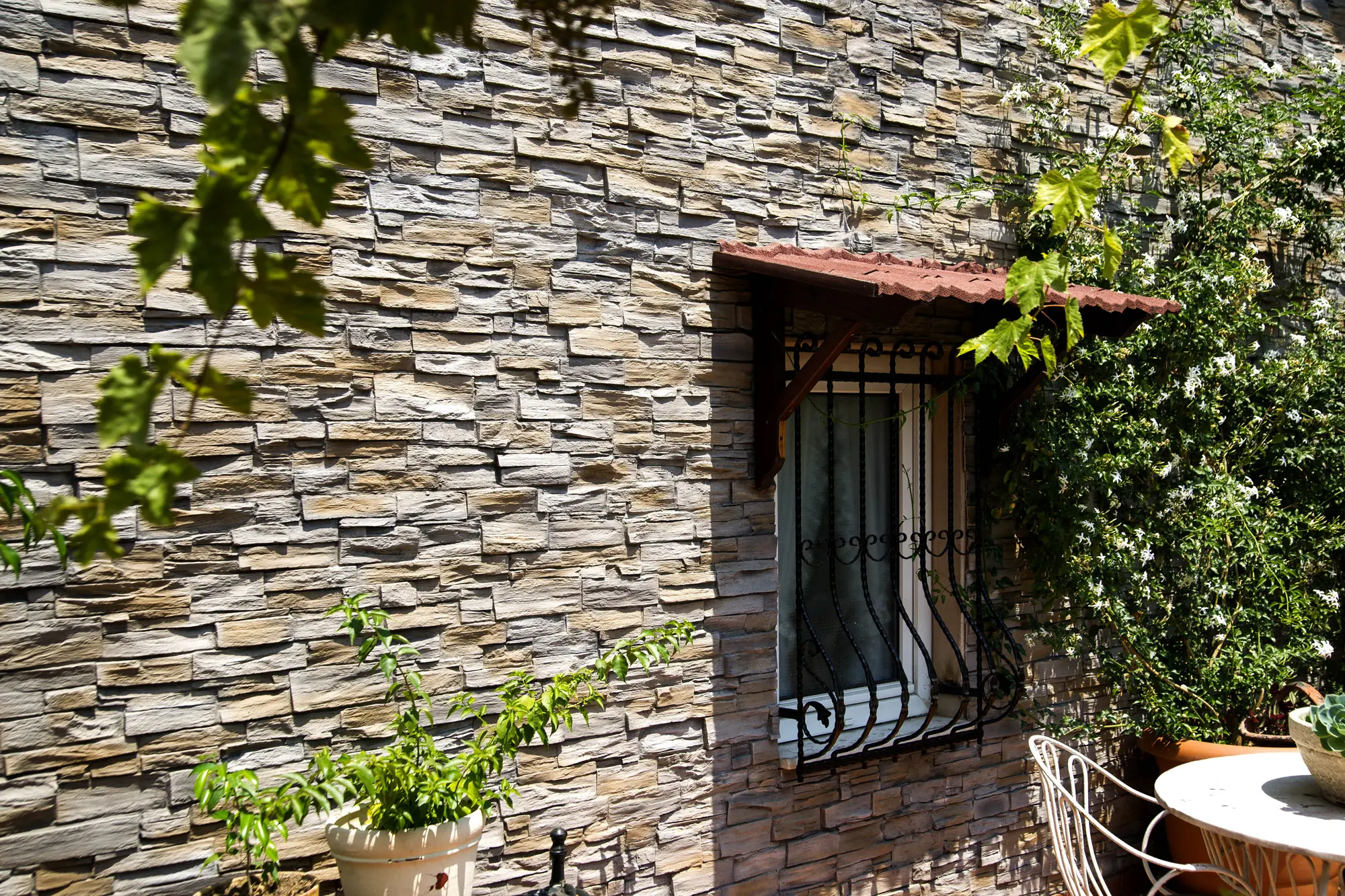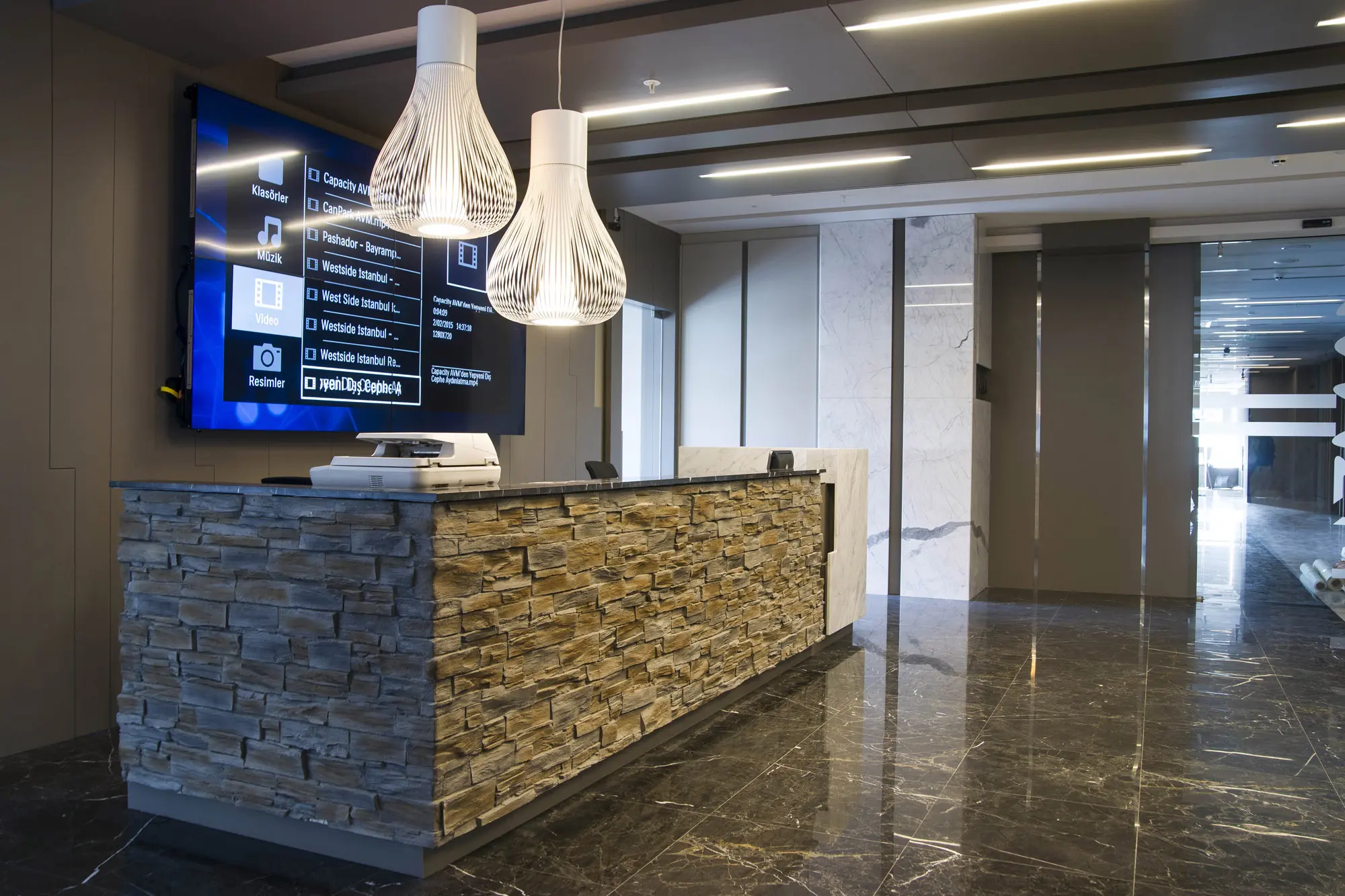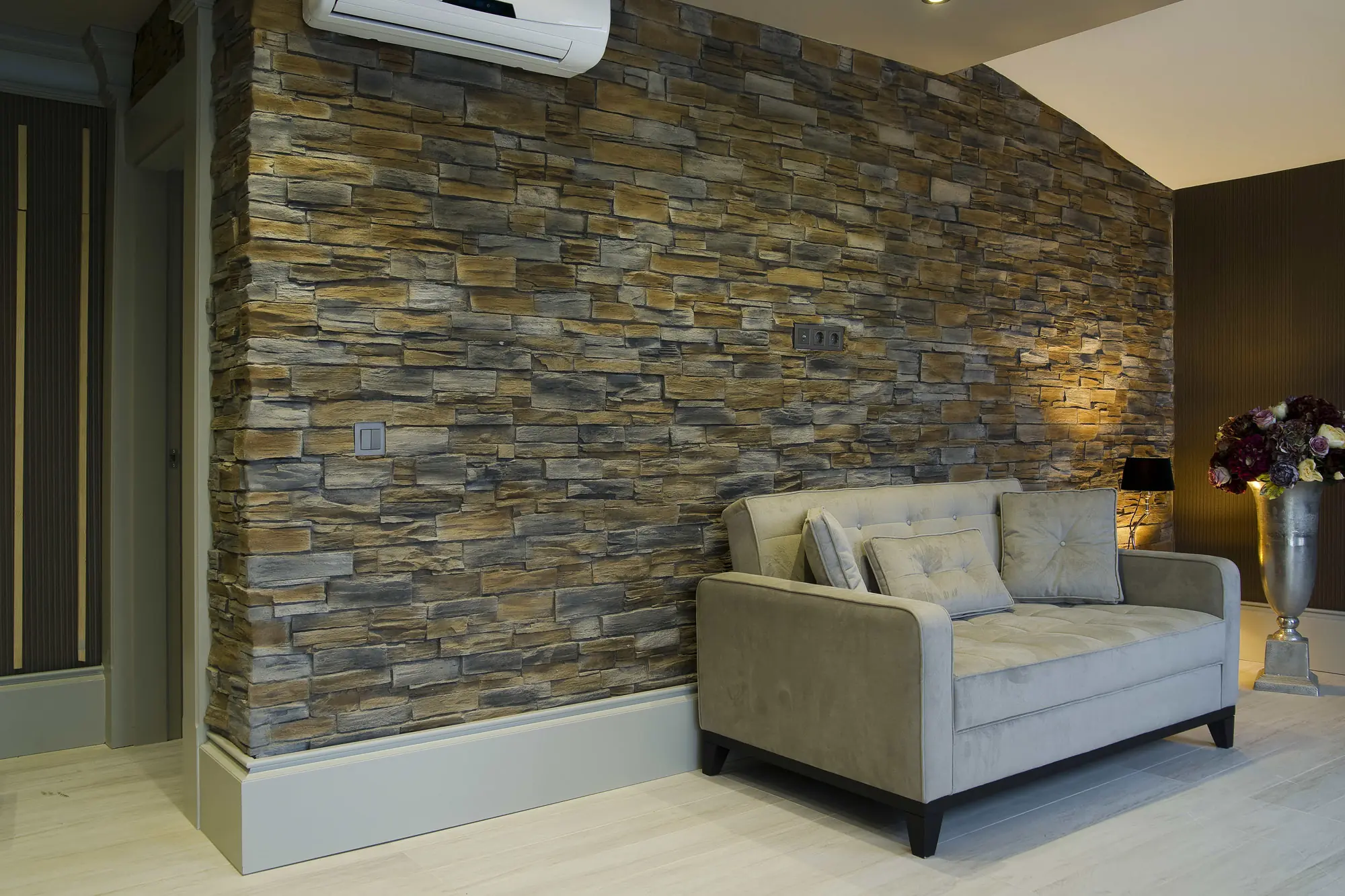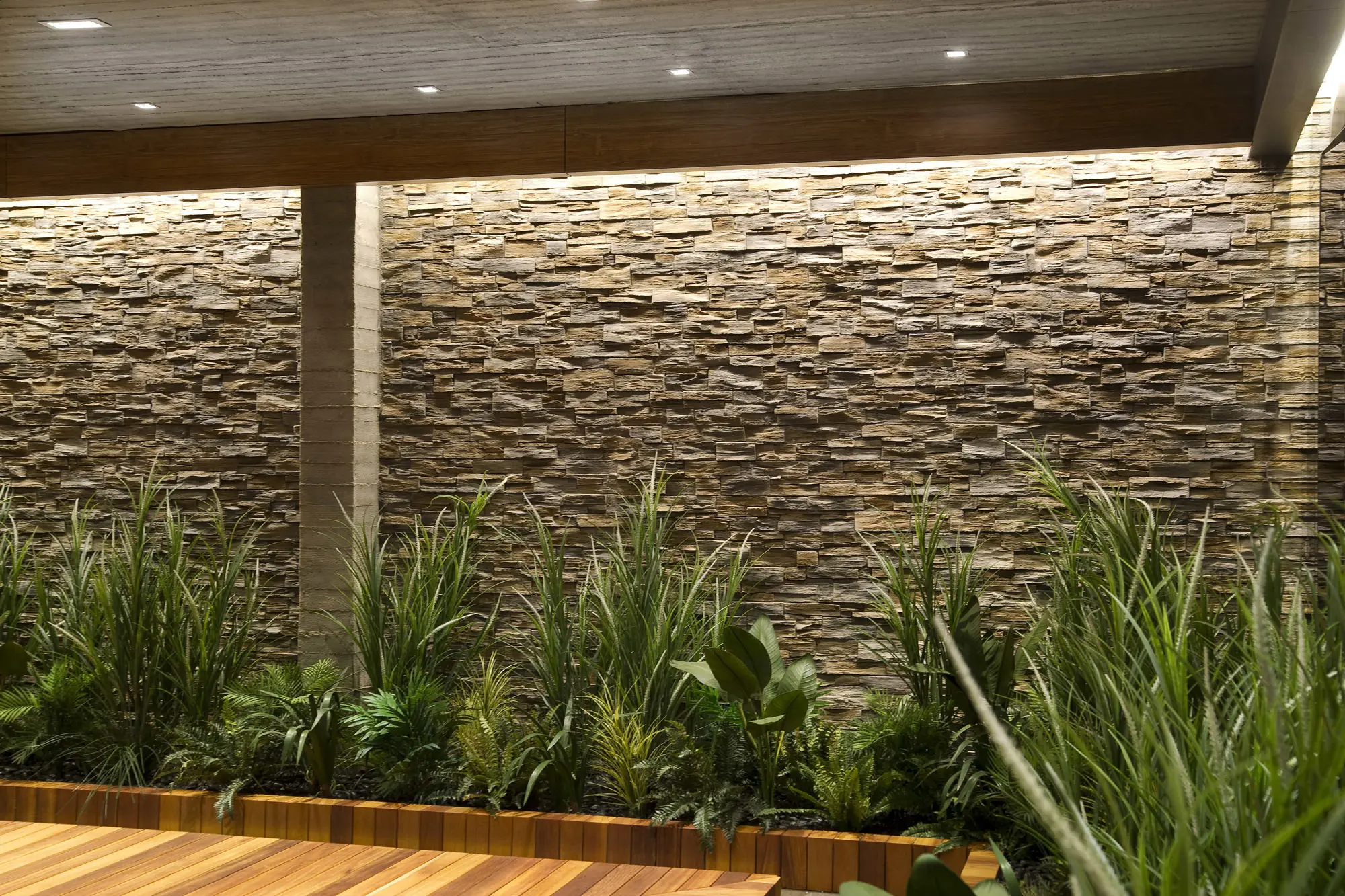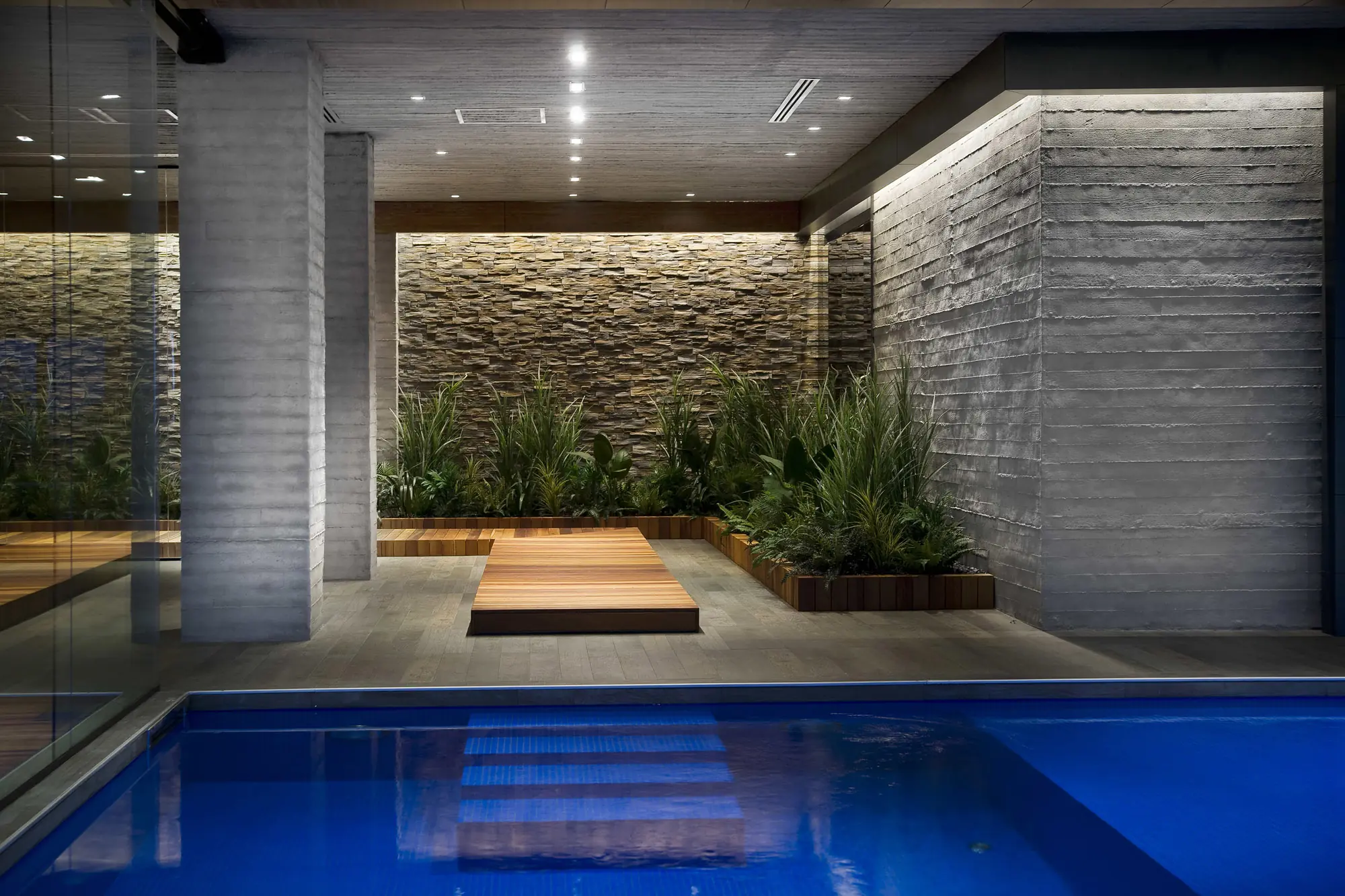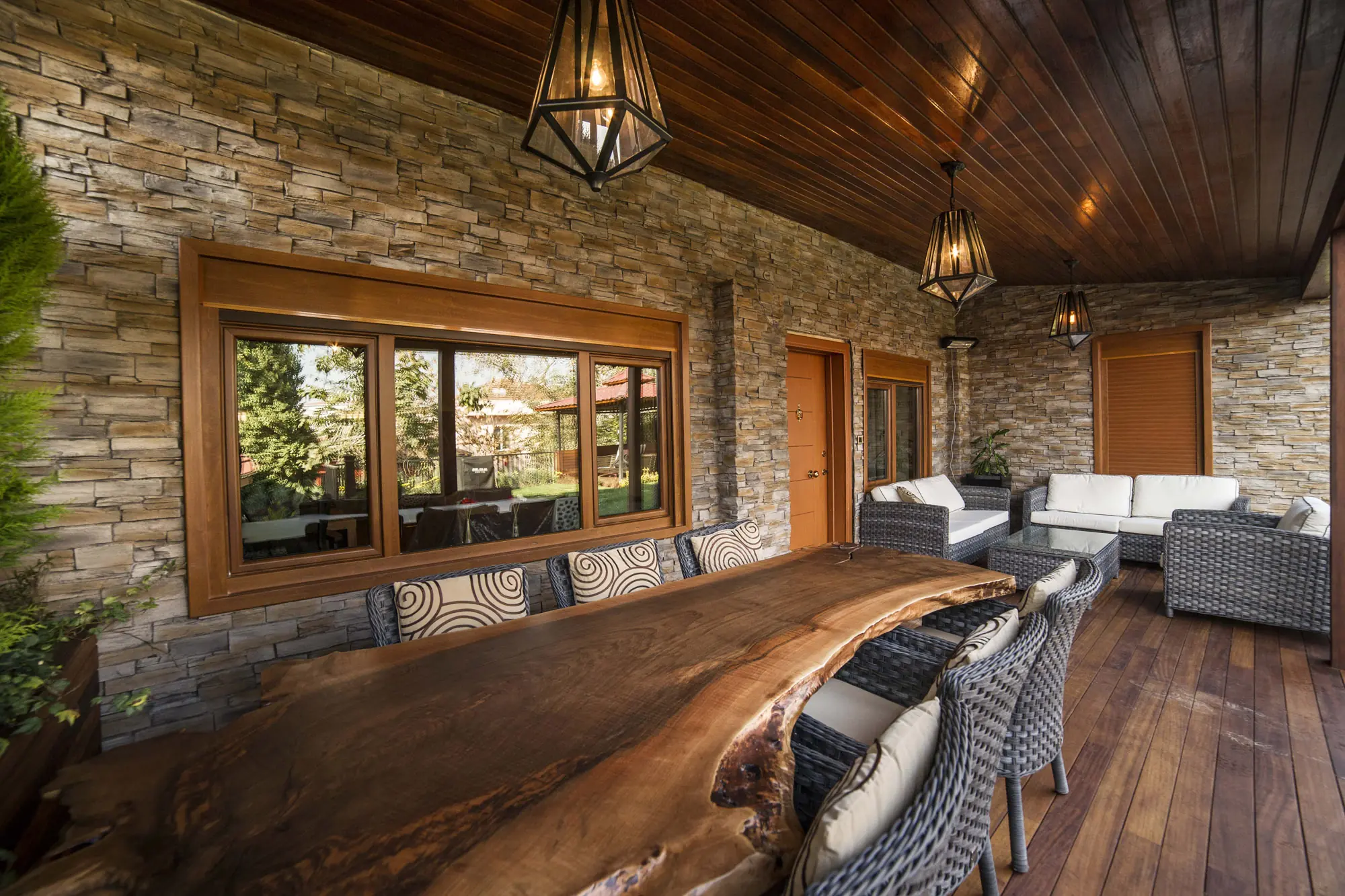
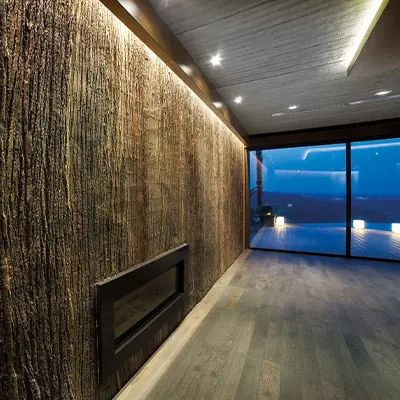
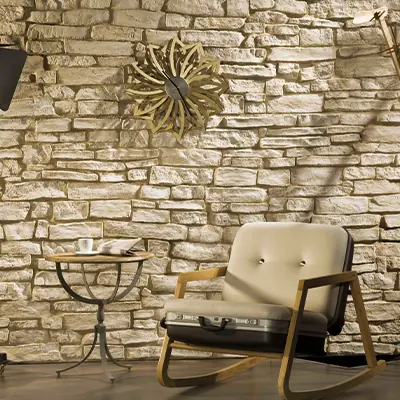
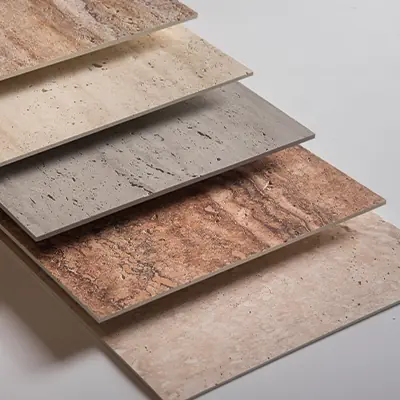
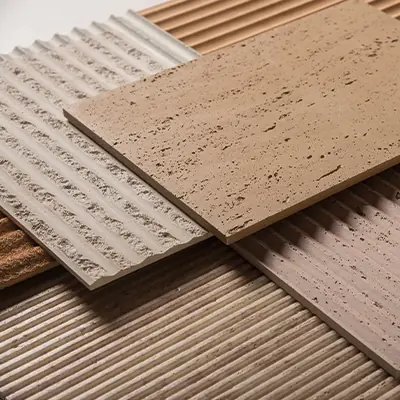
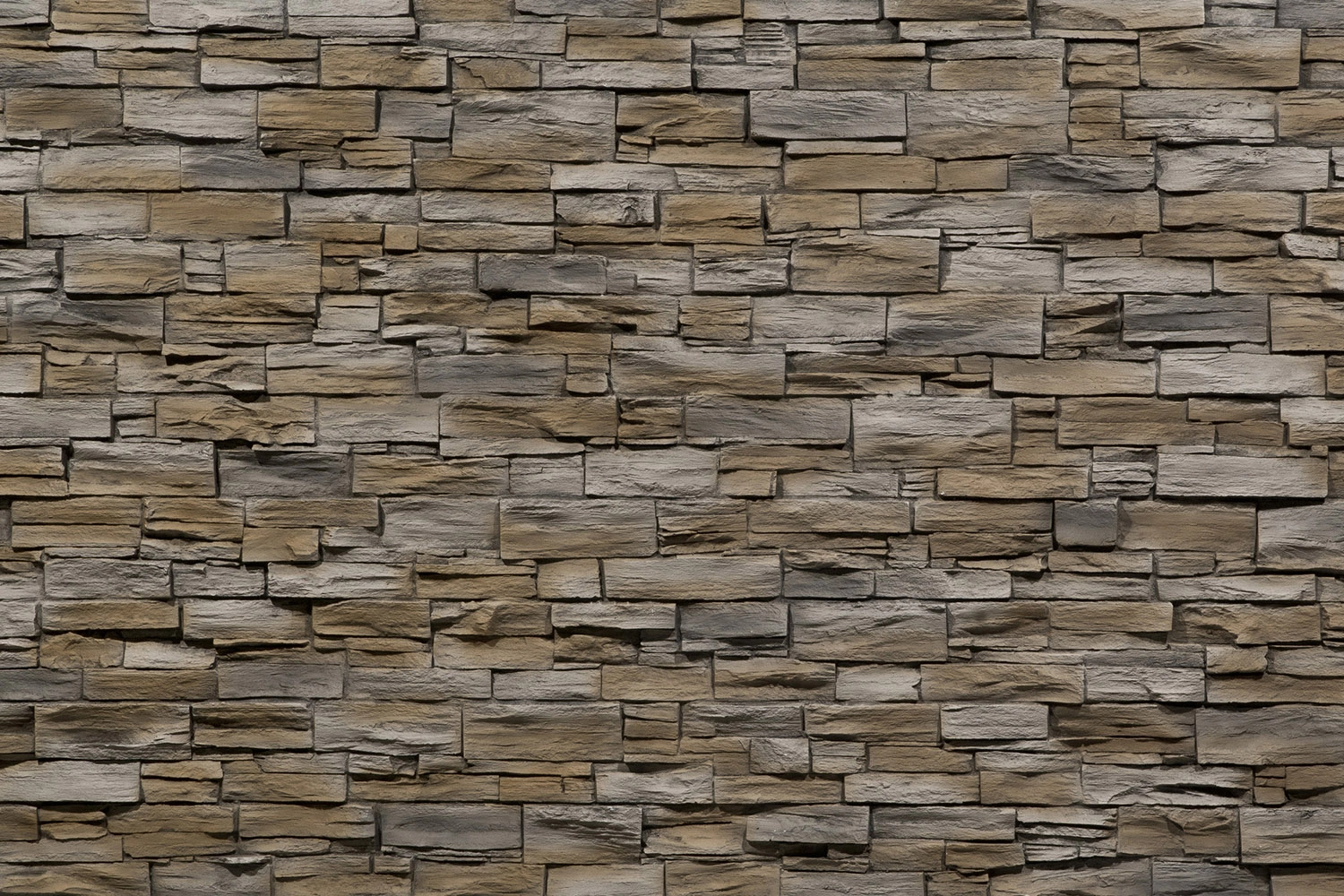
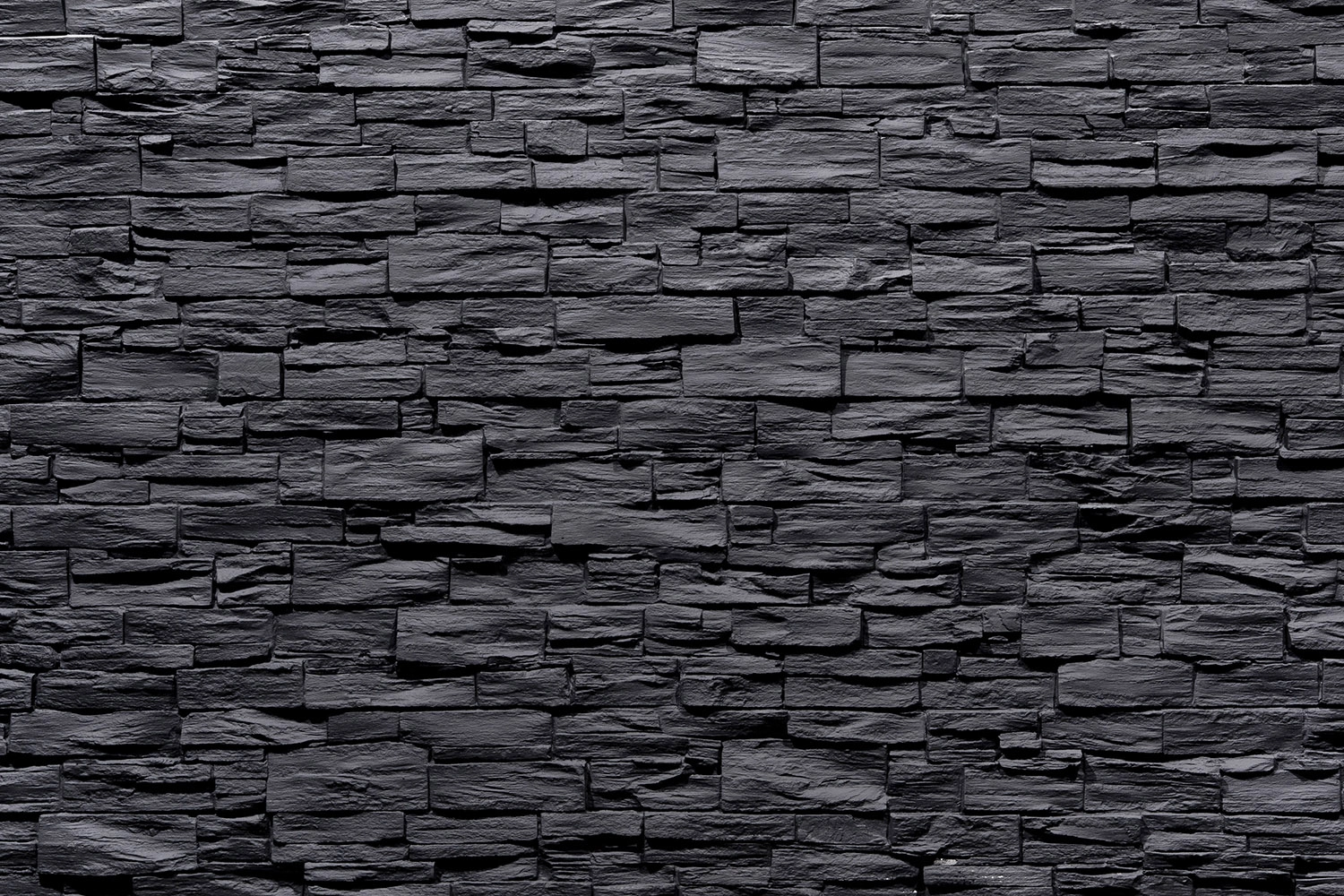

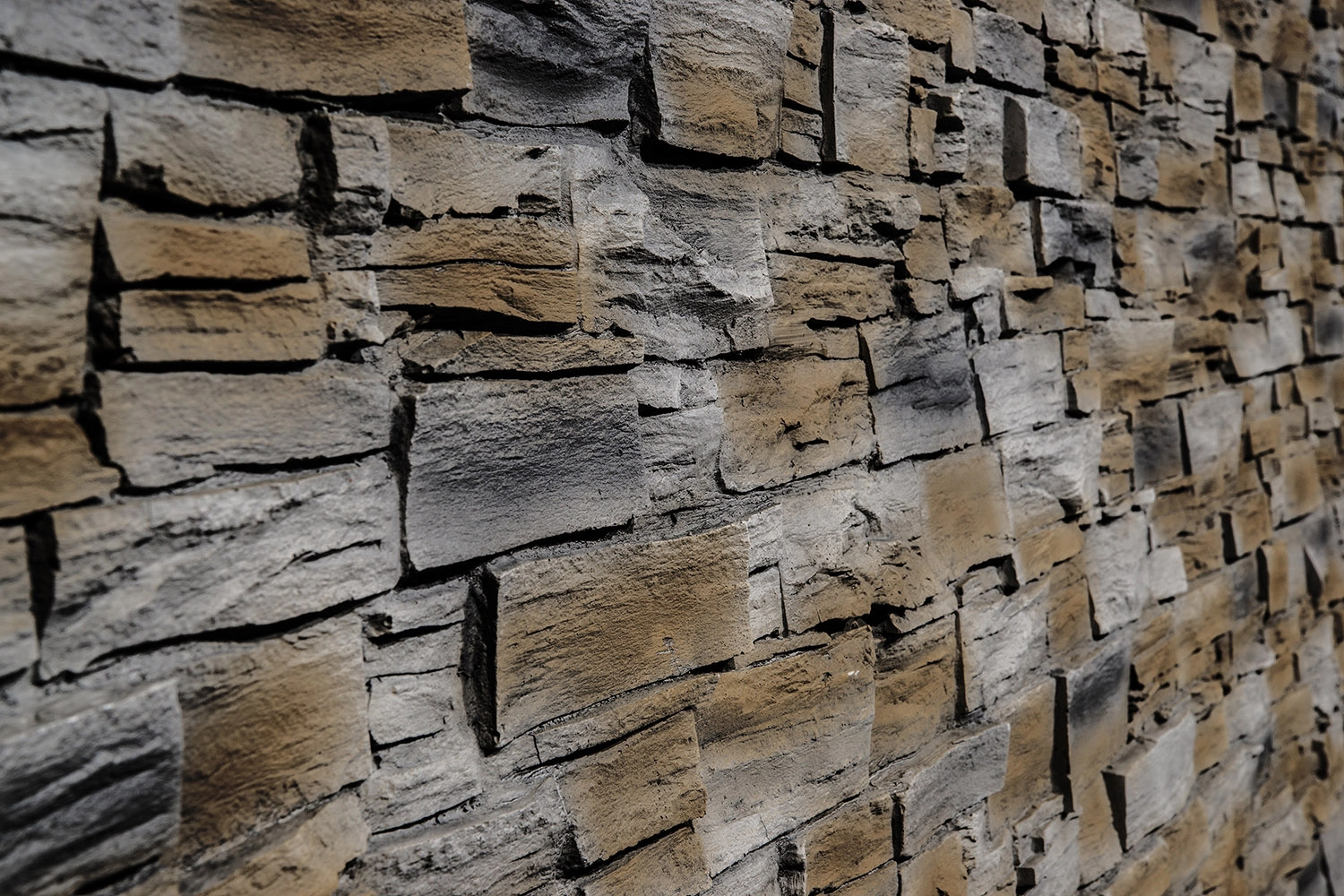
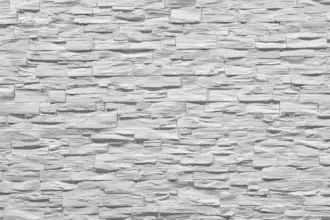
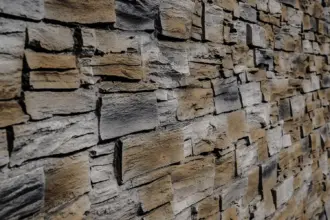
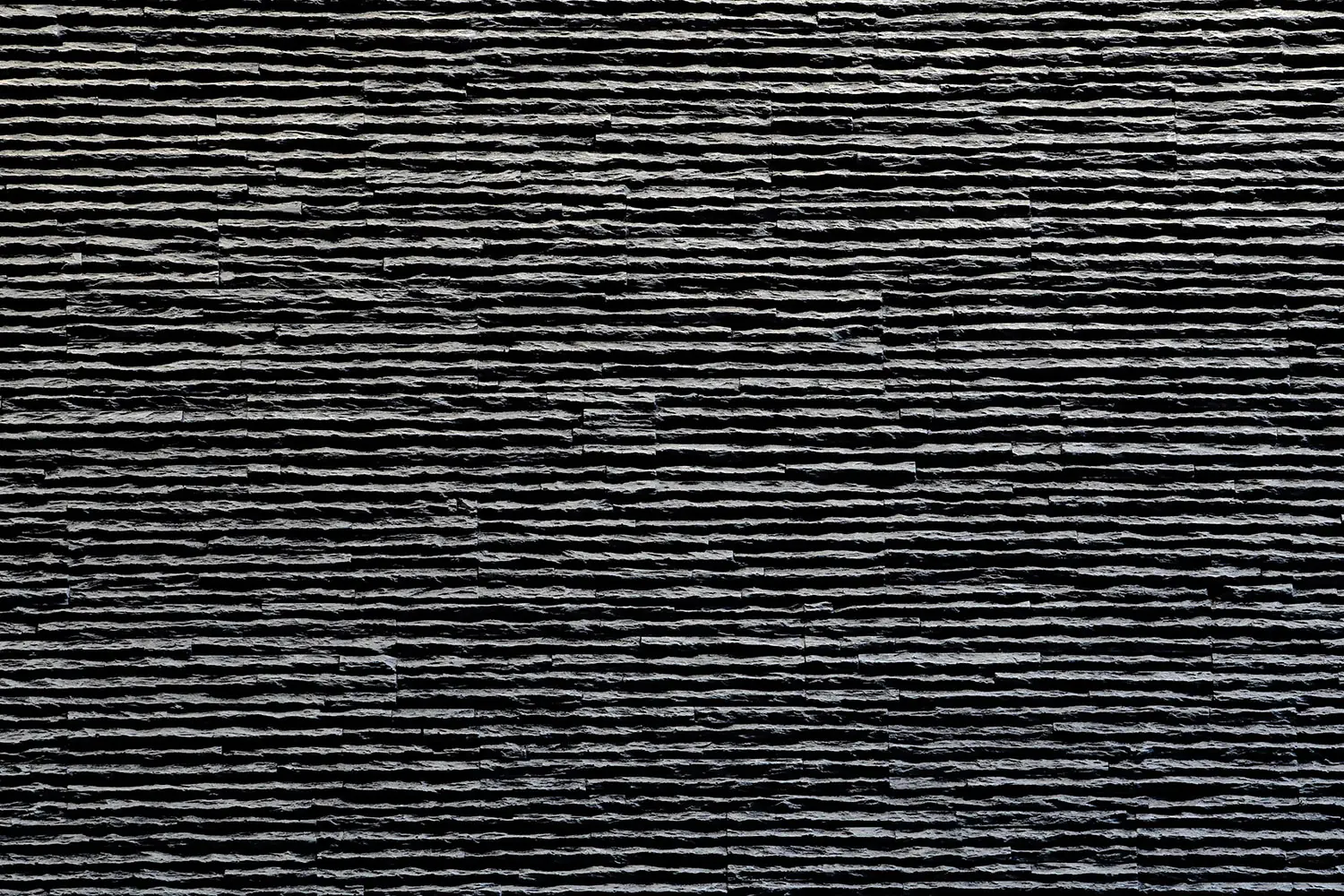
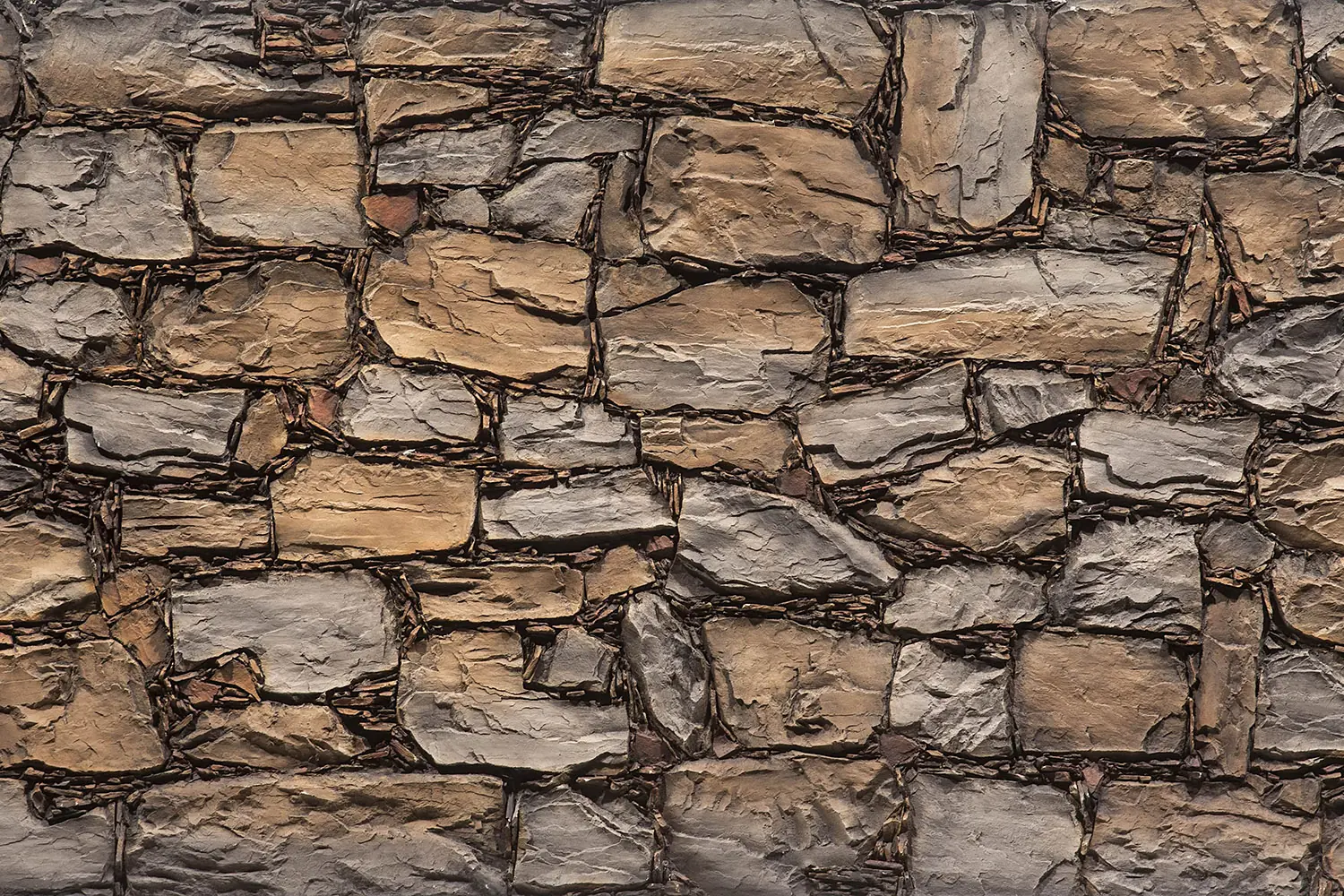
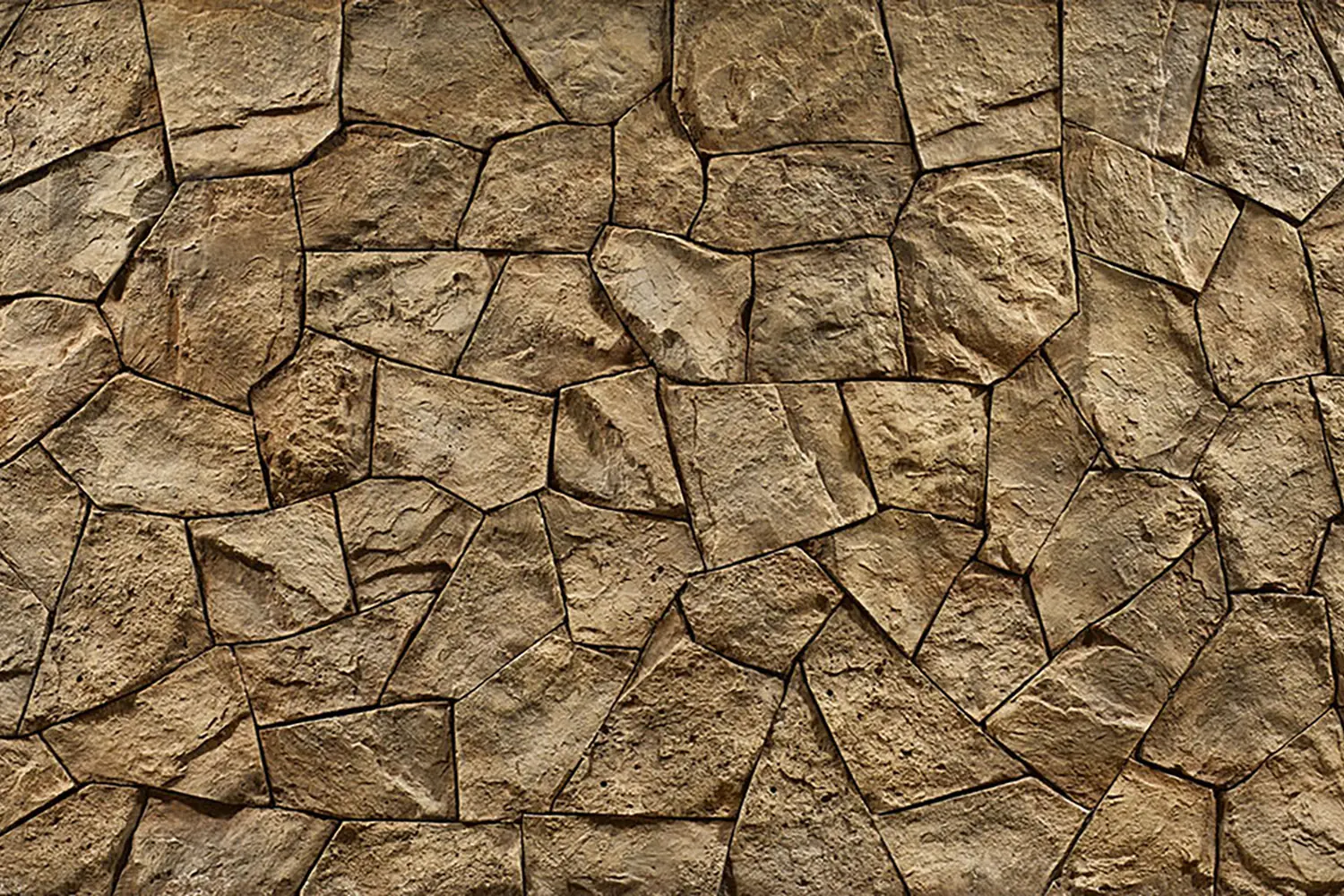
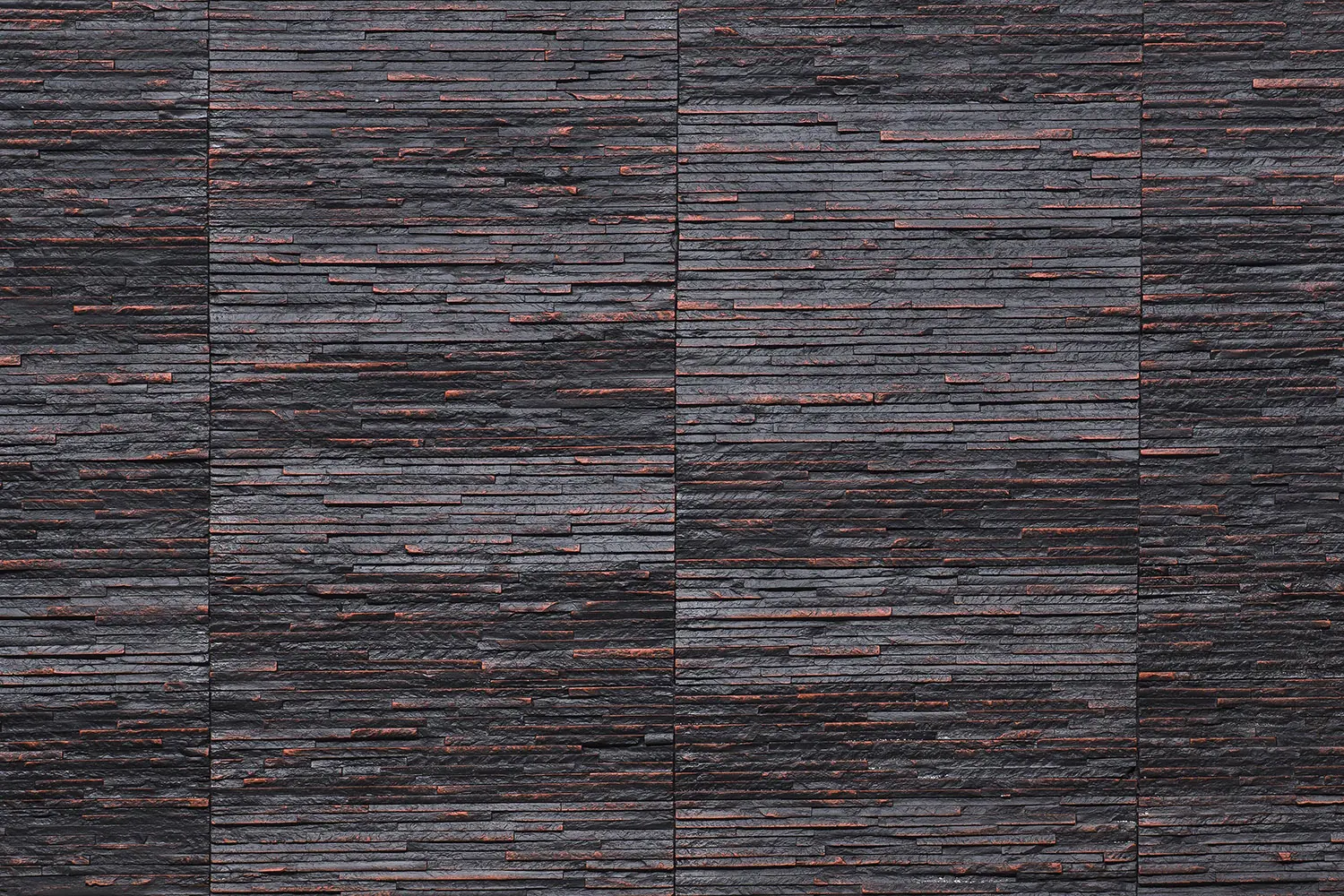
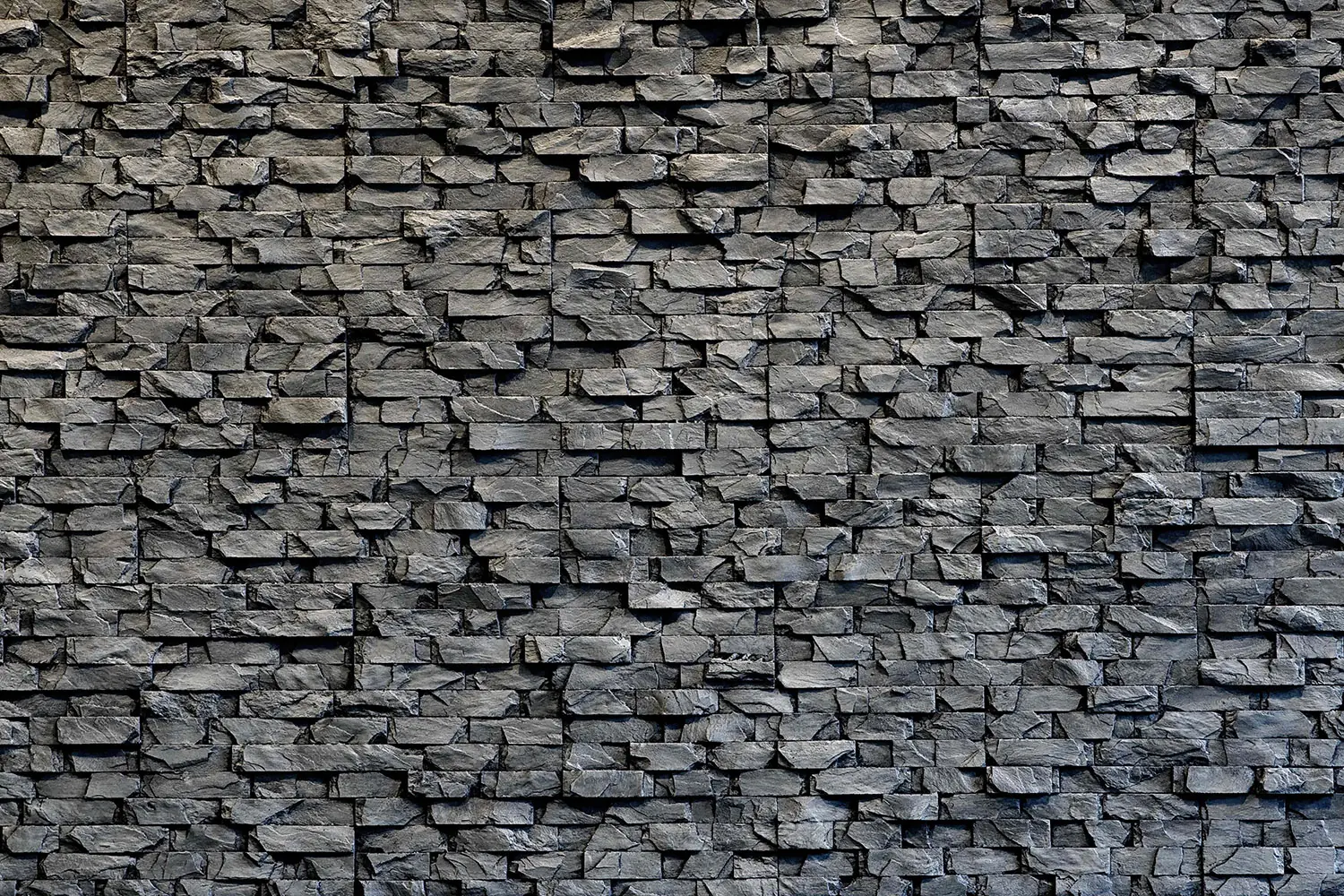
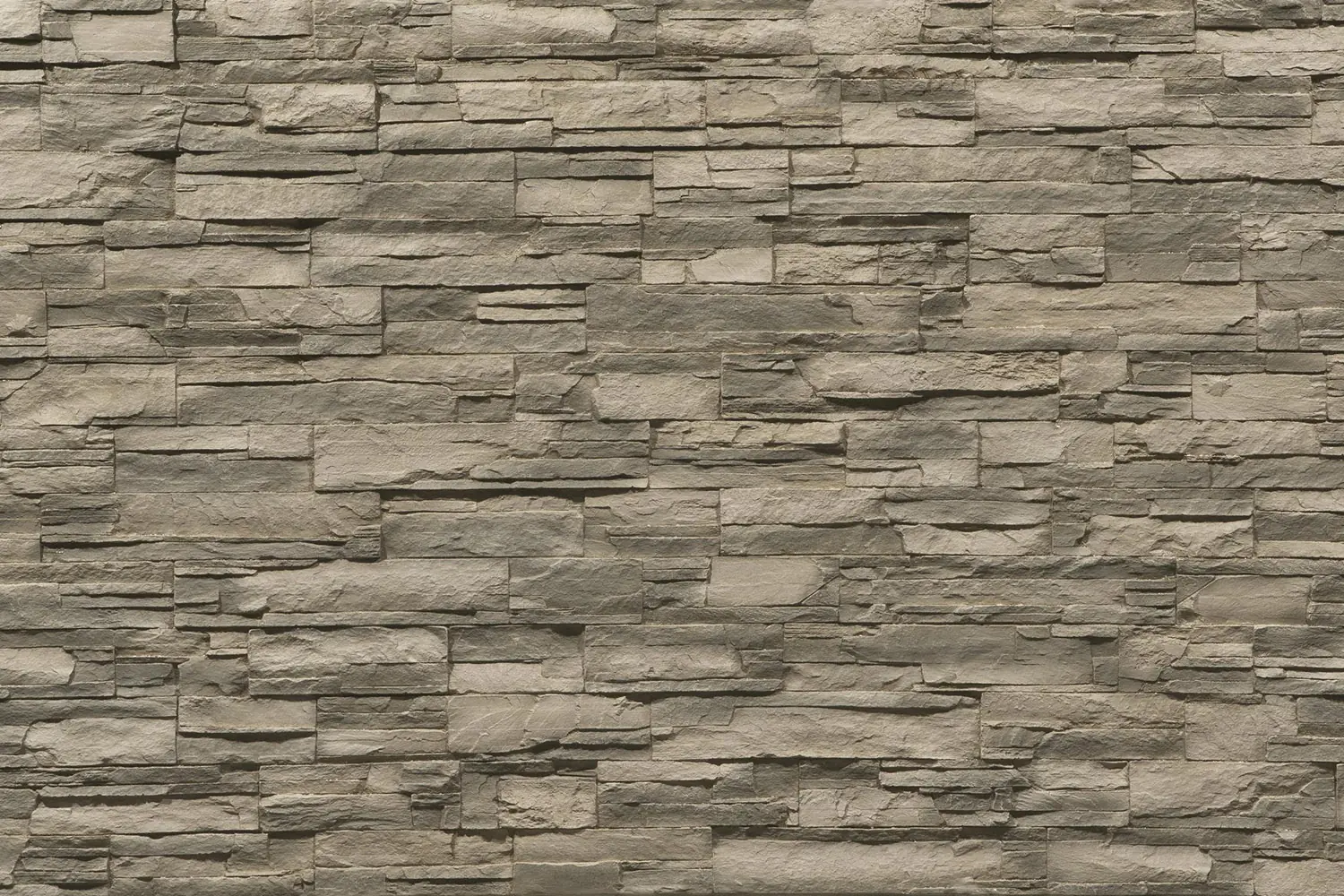
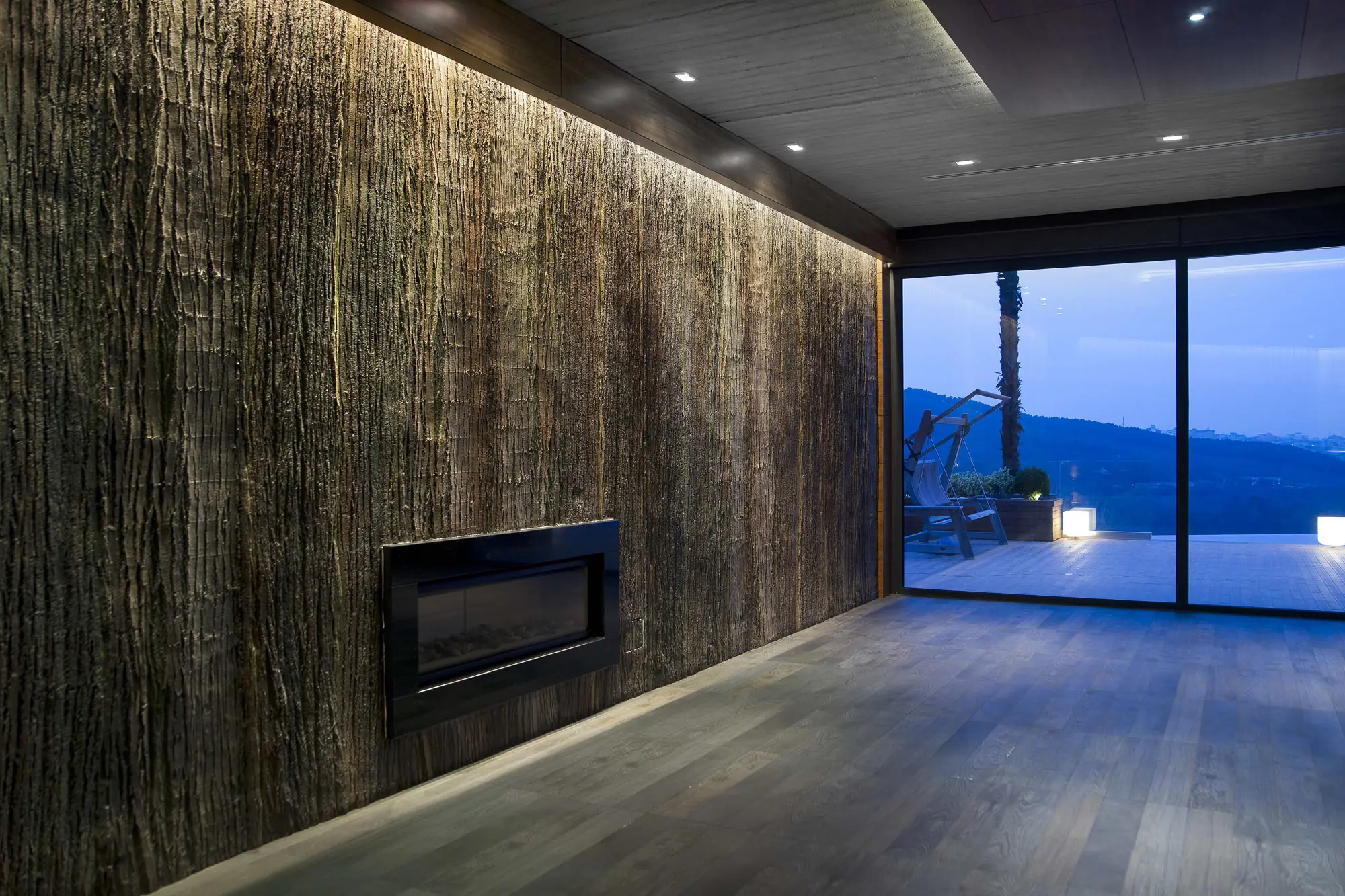
Pizarra interprets the naturally layered character of slate through a contemporary architectural surface shaped by fine stratification lines, subtle roughness, and changing depth. Its stone identity feels natural and tactile while remaining controlled enough for modern spaces built around clear forms and restrained material palettes.
The layered slate texture becomes especially visible when light reaches the surface from different directions. Raised sections catch stronger illumination while deeper transitions create softer shadows, allowing the wall to reveal new details as the viewing angle changes.
This interaction gives the surface a three-dimensional character without depending on exaggerated relief. From a distance, the wall appears cohesive and architectural; closer viewing reveals the finer layers, irregularities, and micro-level texture inspired by natural slate.
Current technical information describes the surface through stratification lines, micro-level roughness distribution, surface depth, and tonal stone variation. These details are transferred using specialized molding and surface-processing techniques to create both visual and tactile authenticity.
As a slate stone wall panel, Pizarra works particularly well in projects where natural material character needs to remain refined rather than excessively rugged. Its layered structure provides visual richness while maintaining the clarity required by contemporary architecture.
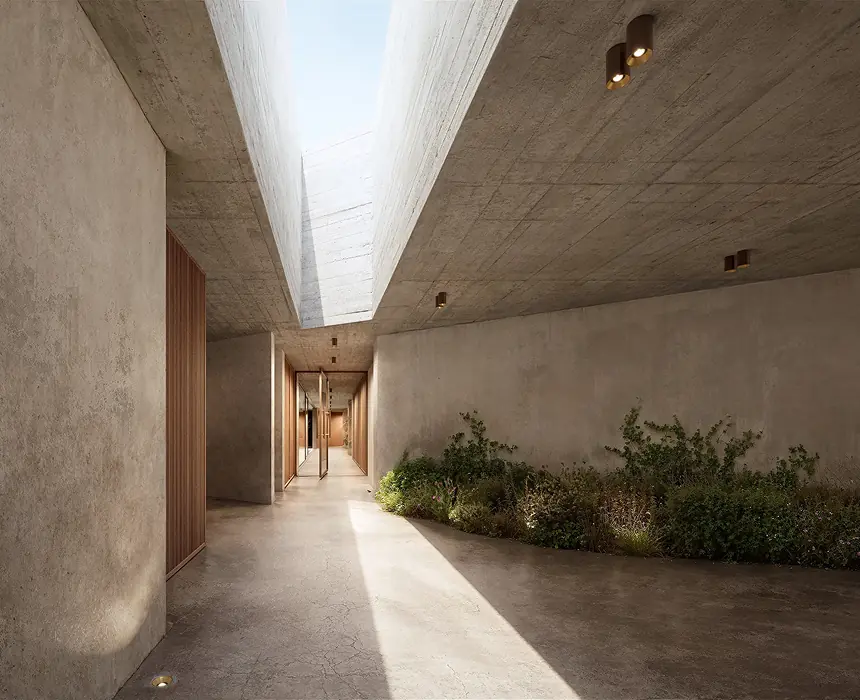
The surface can be paired with timber to emphasize a warmer natural atmosphere or combined with glass and metal for a sharper modern contrast. Smooth plaster and concrete surfaces can also make the slate-inspired layers more visible by creating a deliberate difference in texture.
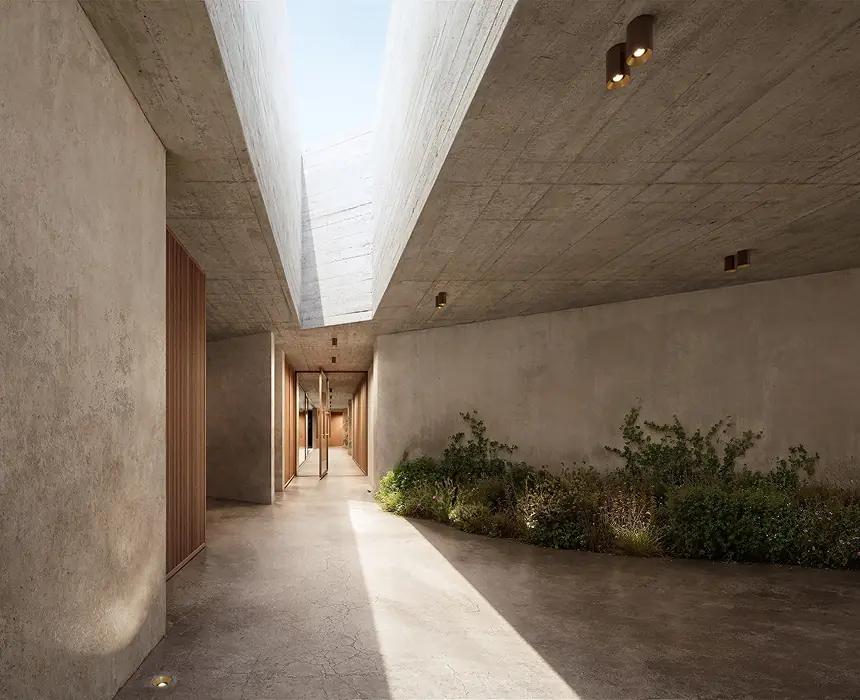
In minimalist interiors, Pizarra can function as a quiet architectural focal point. The wall gains depth through physical surface variation rather than added ornament, making it suitable for spaces where simplicity remains central to the design.
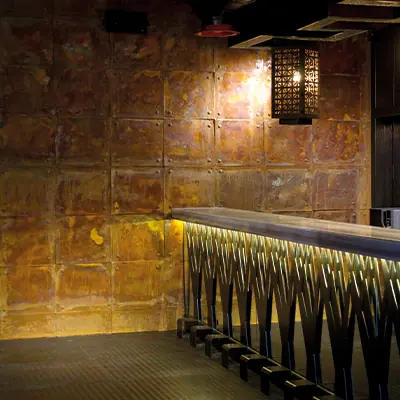
Hospitality projects can use the same material language across hotel interiors, reception areas, lounges, restaurants, and circulation spaces. Its stone character introduces natural depth while remaining compatible with contemporary lighting and furniture.
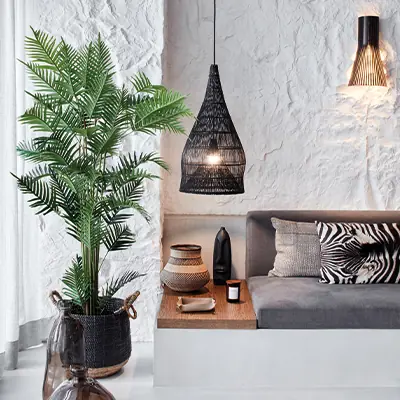
Residential projects can apply Pizarra to living areas, entrance zones, feature walls, and other architectural surfaces where a stronger connection with natural stone is desired. The layered surface adds material presence without relying on decorative patterns.
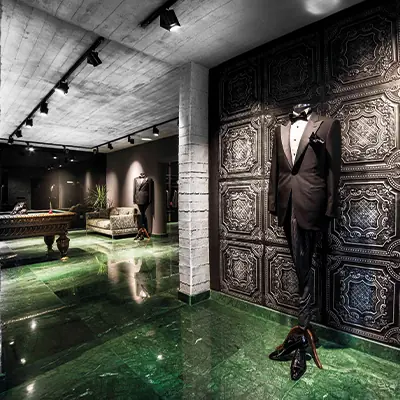
Office, showroom, and retail environments can also benefit from the restrained character of the design. The textured wall creates a defined architectural background while leaving furniture, displays, graphics, and lighting visually clear.
Pizarra belongs to Artstone’s Stone Series and is currently classified as Stone. Its listed style classifications include Mediterranean, organic natural, rustic, and Scandinavian approaches, giving the surface flexibility across different architectural concepts.
The panel measures approximately 301 × 137 cm, with a listed thickness of around 12–18 mm and a weight of approximately 6–7 kg/m².
These large-format dimensions allow the slate-inspired surface to continue across broad areas with fewer visual interruptions. This helps the natural stone effect become part of the architecture rather than appearing as a collection of smaller decorative elements.
Among decorative wall panels, Pizarra is distinguished by the precision of its layered stone interpretation. Its architectural character comes from stratification, depth, and natural irregularity rather than repetitive geometry.
The technical structure also supports demanding architectural applications. Current documentation describes a fiber-reinforced structural body developed to provide high rigidity, impact resistance, and stability under bending and other mechanical stresses.
The same system is designed to reduce risks associated with sagging, surface deformation, cracking, and delamination under impact or pressure. These documented characteristics support the panel’s use across larger architectural surfaces.
Pizarra is suitable for both interior and exterior architectural applications. Current Artstone usage data includes ceilings and exterior surfaces together with residences, hotels, restaurants, offices, showrooms, stores, and sports and wellness environments.
Its protective surface coating is developed for exposure to water, moisture, rain, UV radiation, and outdoor conditions. Current technical information states that the system supports long-term color, texture, and form stability in exterior applications and humid interiors.
The controlled pore structure and surface barrier are also designed to reduce dirt retention and surface degradation. This contributes to lower maintenance requirements while preserving the detailed slate-like appearance.
Pizarra also provides flexibility during architectural detailing. The technical documentation states that the panel can be cut, drilled, shaped, and prepared for elements such as sockets, lighting lines, and other project-specific requirements.
Mechanical fastening with screws and anchors is the recommended installation method. This approach is intended to keep the panel firmly positioned while supporting stability through thermal and mechanical cycles.
The layered slate texture becomes particularly expressive under grazing light. Stronger directional illumination highlights individual stone layers, while softer ambient lighting produces a calmer and more continuous surface.
This gives designers control over how prominent the wall becomes within the overall space. The same panel can create a stronger feature surface in one environment and a more understated stone backdrop in another.
Among decorative wall panels, this adaptability gives Pizarra a distinctive role. It combines authentic slate-inspired layering with a large architectural scale, allowing the surface to work across both refined interiors and suitable exterior applications.
The design also changes according to viewing distance. Fine surface details and roughness become more noticeable at close range, while larger stone layers define the composition when experienced from farther away.
This layered visual experience is especially effective in circulation areas or large spaces where the wall is viewed from several angles. Pizarra continues to reveal different shadow transitions as users move through the architecture.
Rather than presenting natural stone as a completely uniform surface, Pizarra emphasizes its stratified structure. The resulting composition feels tactile, substantial, and naturally varied while preserving a clean contemporary identity.
For projects seeking a slate stone wall panel with clearly defined depth, Pizarra offers a balanced Stone Series solution. Its layered surface, changing interaction with light, durable structural system, and suitability for interior, ceiling, and exterior applications allow natural slate character to become an integrated part of modern architecture.