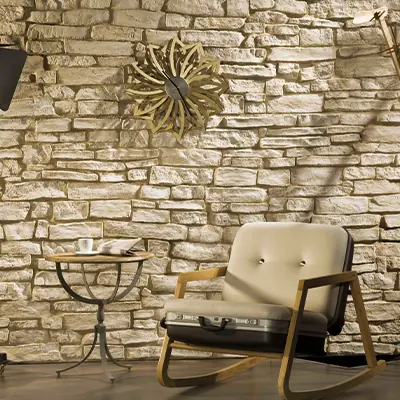
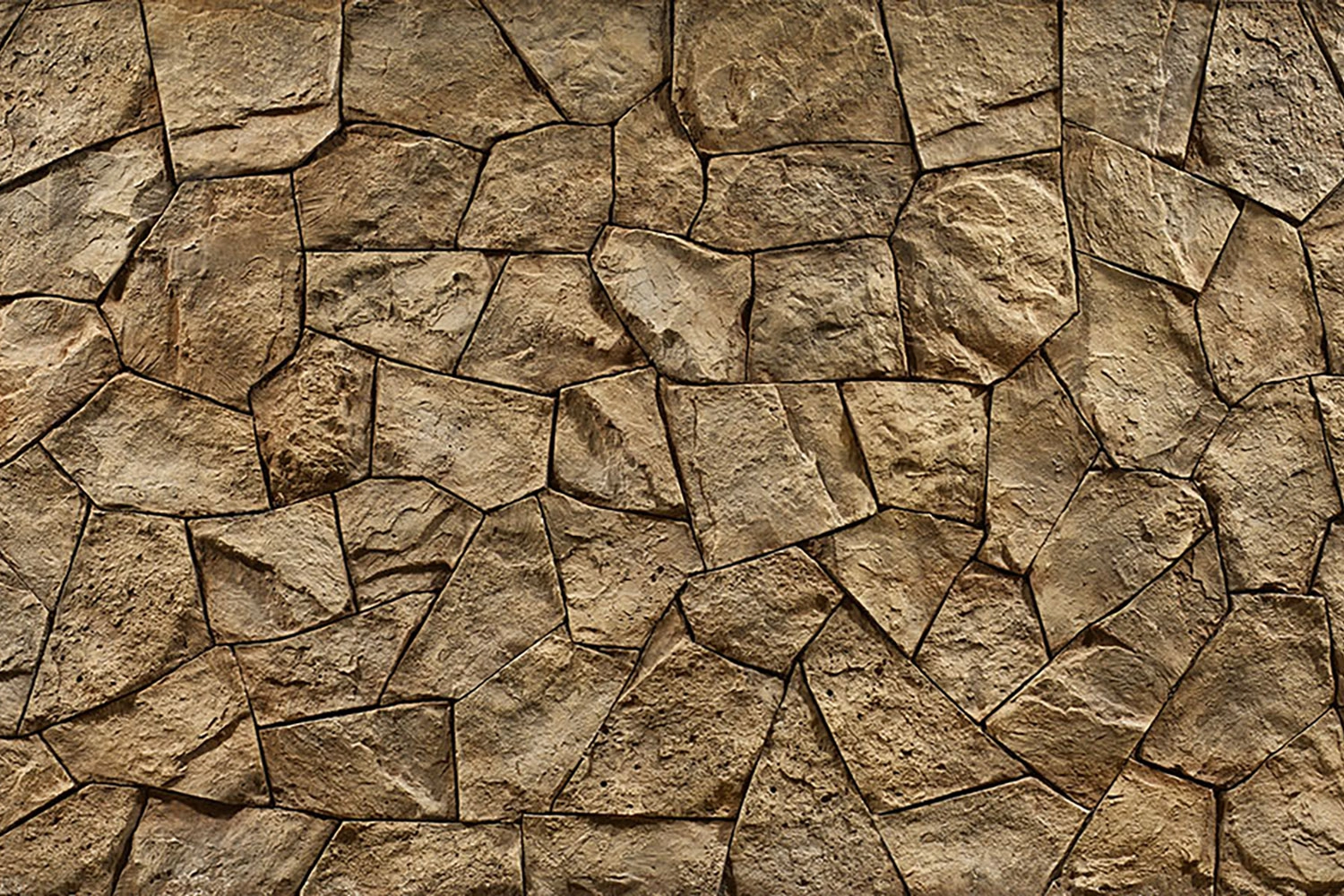
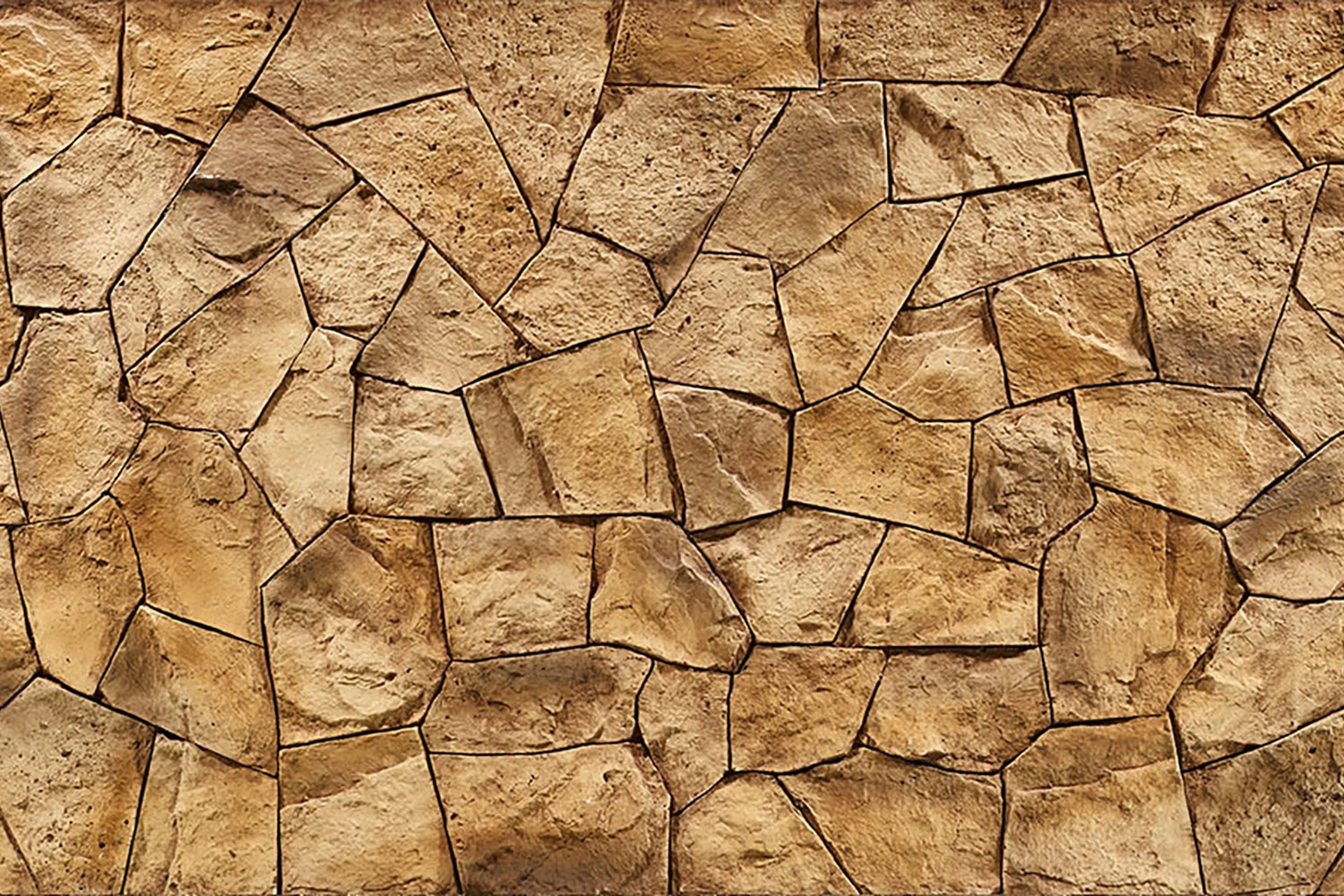
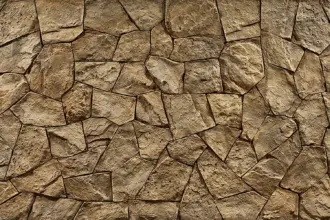
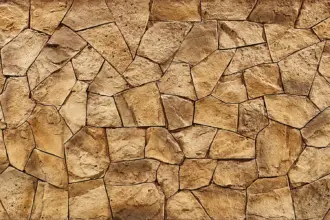
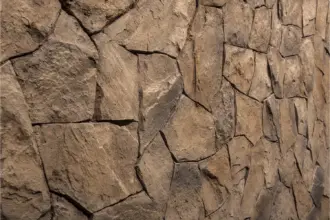
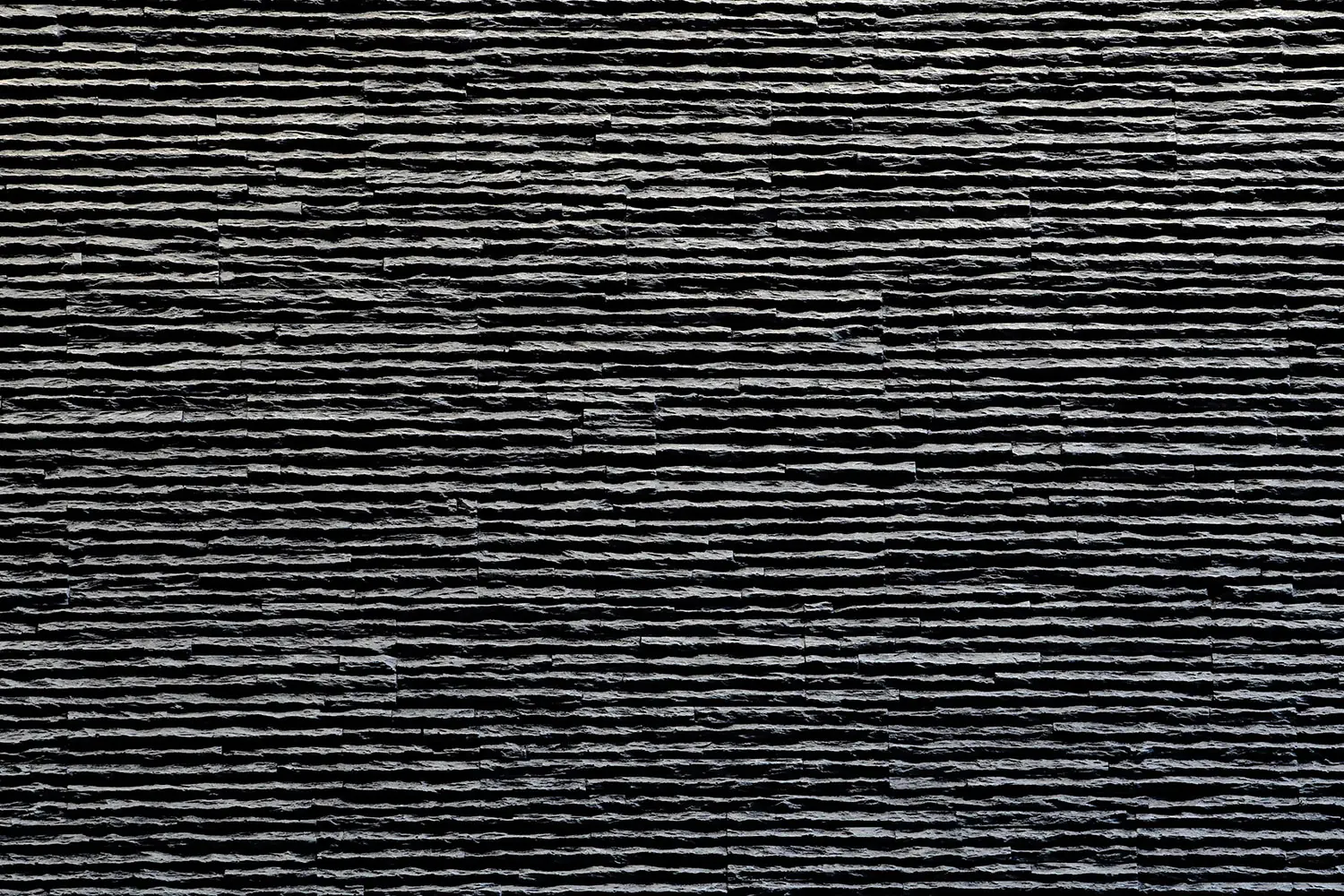
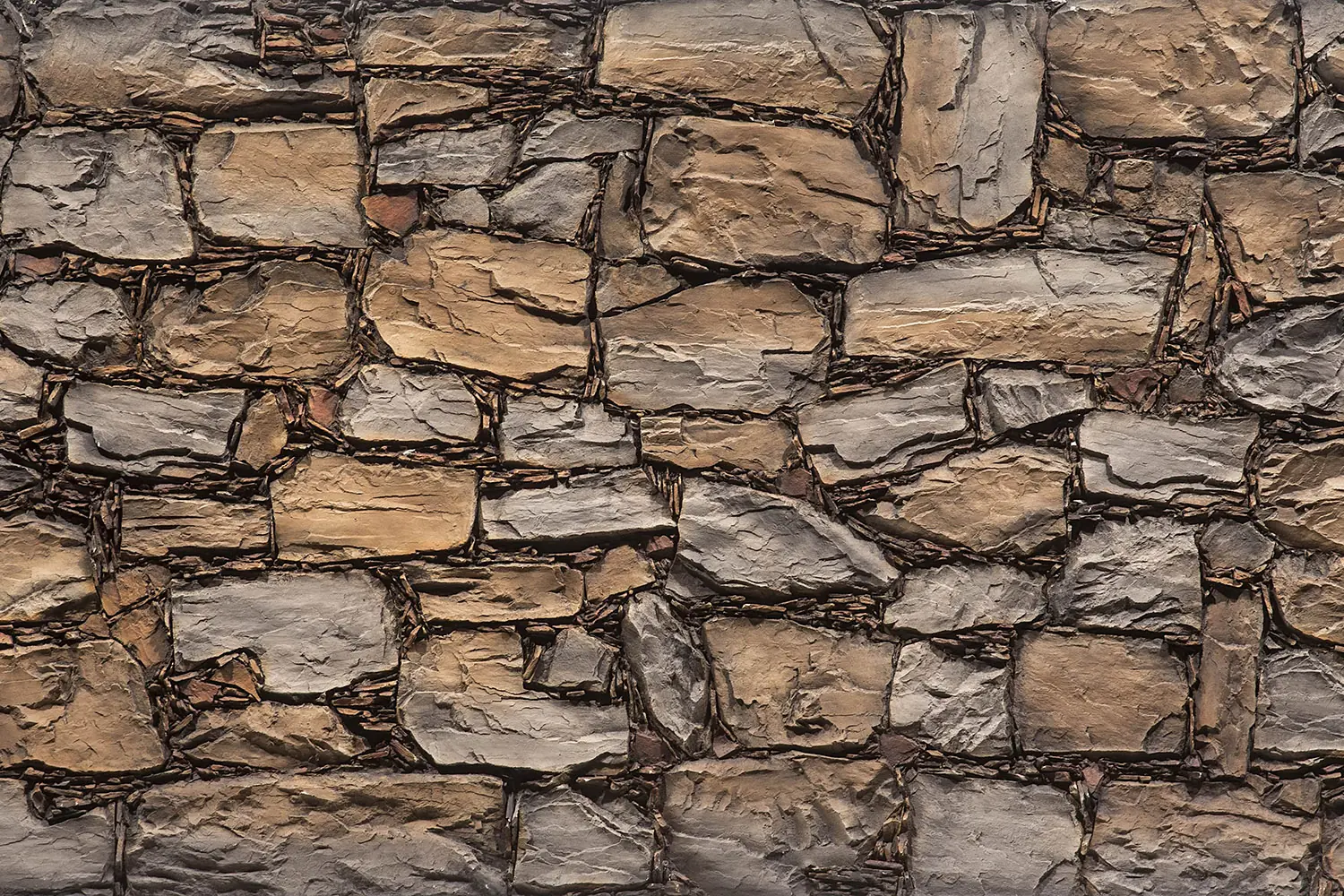
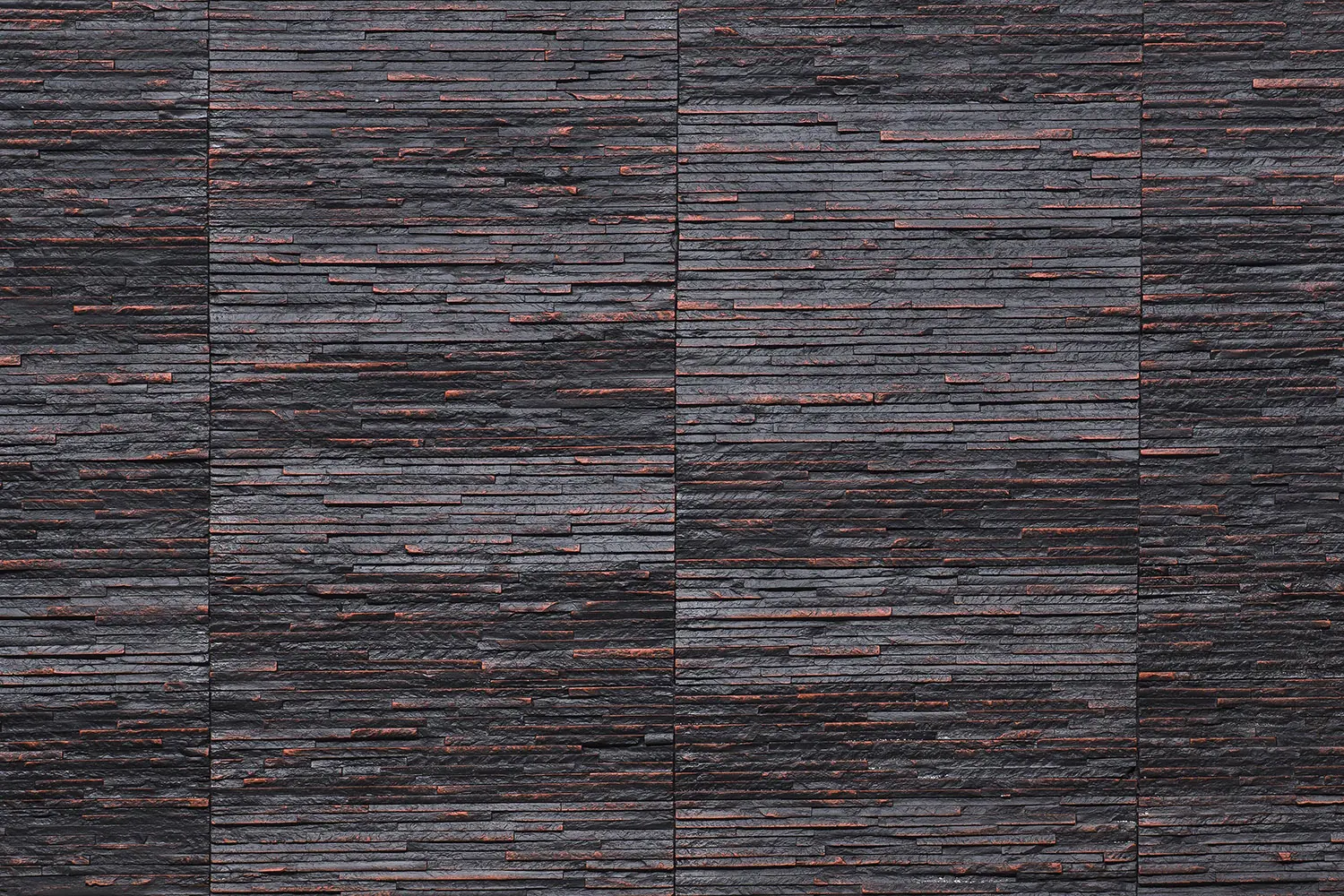
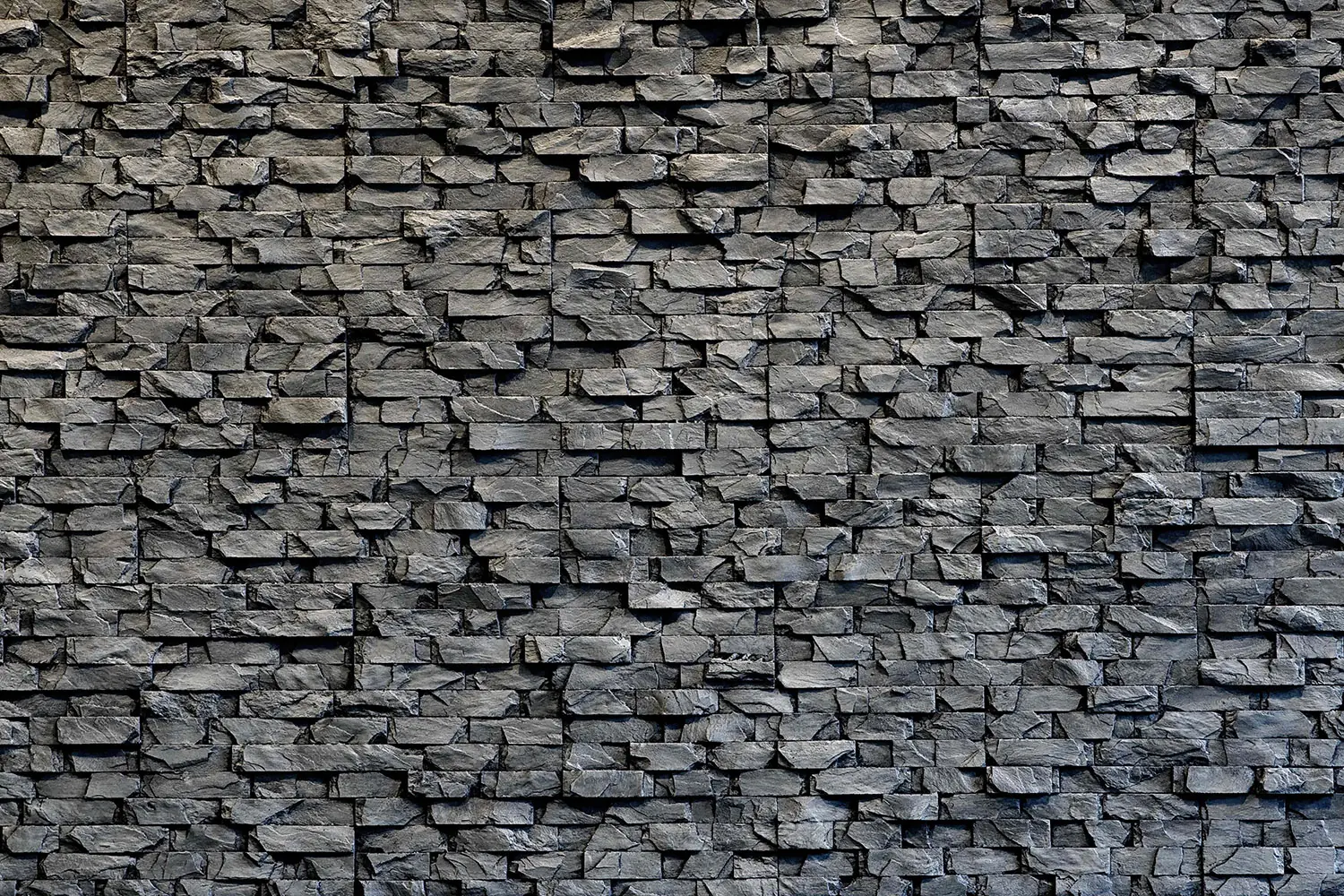
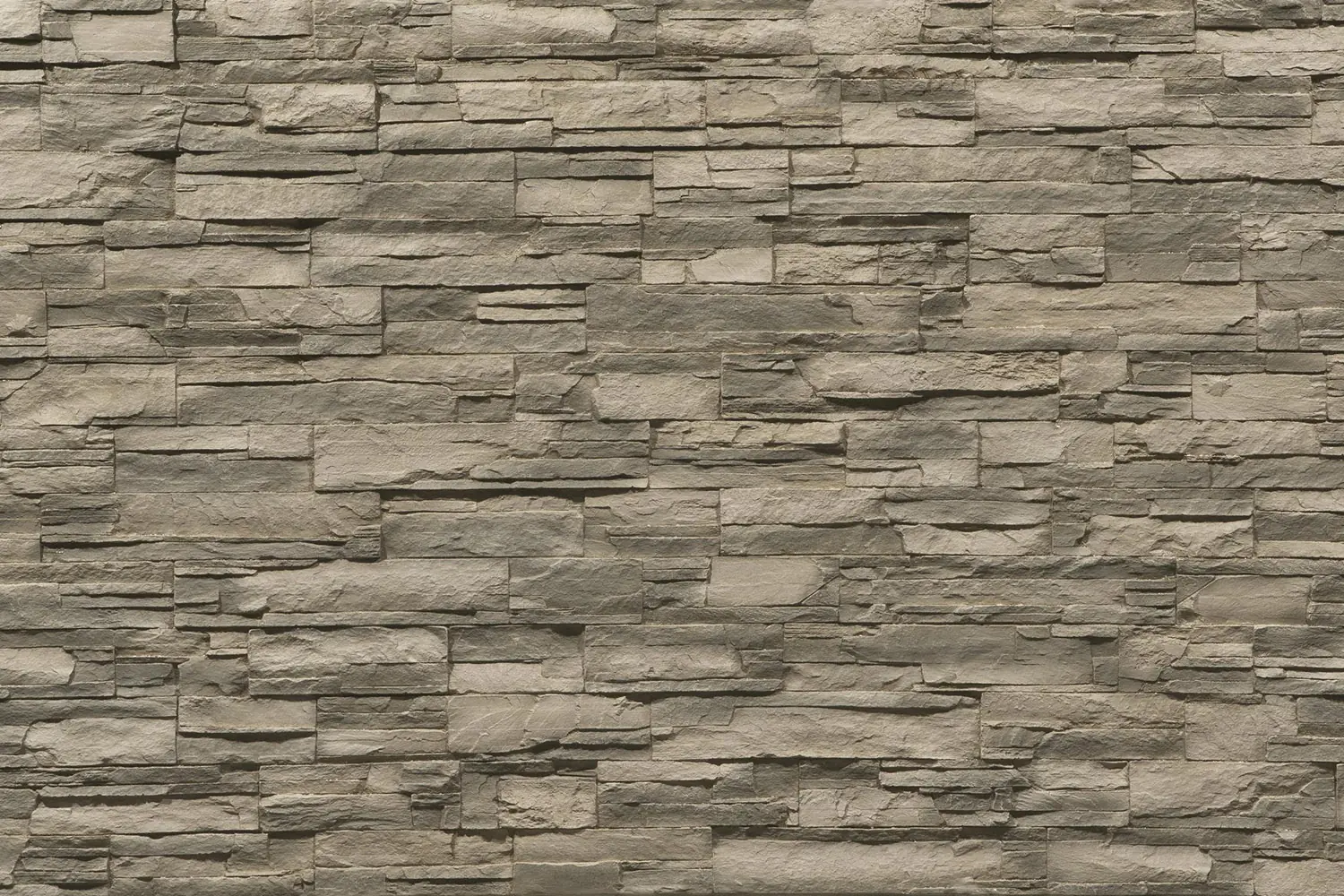
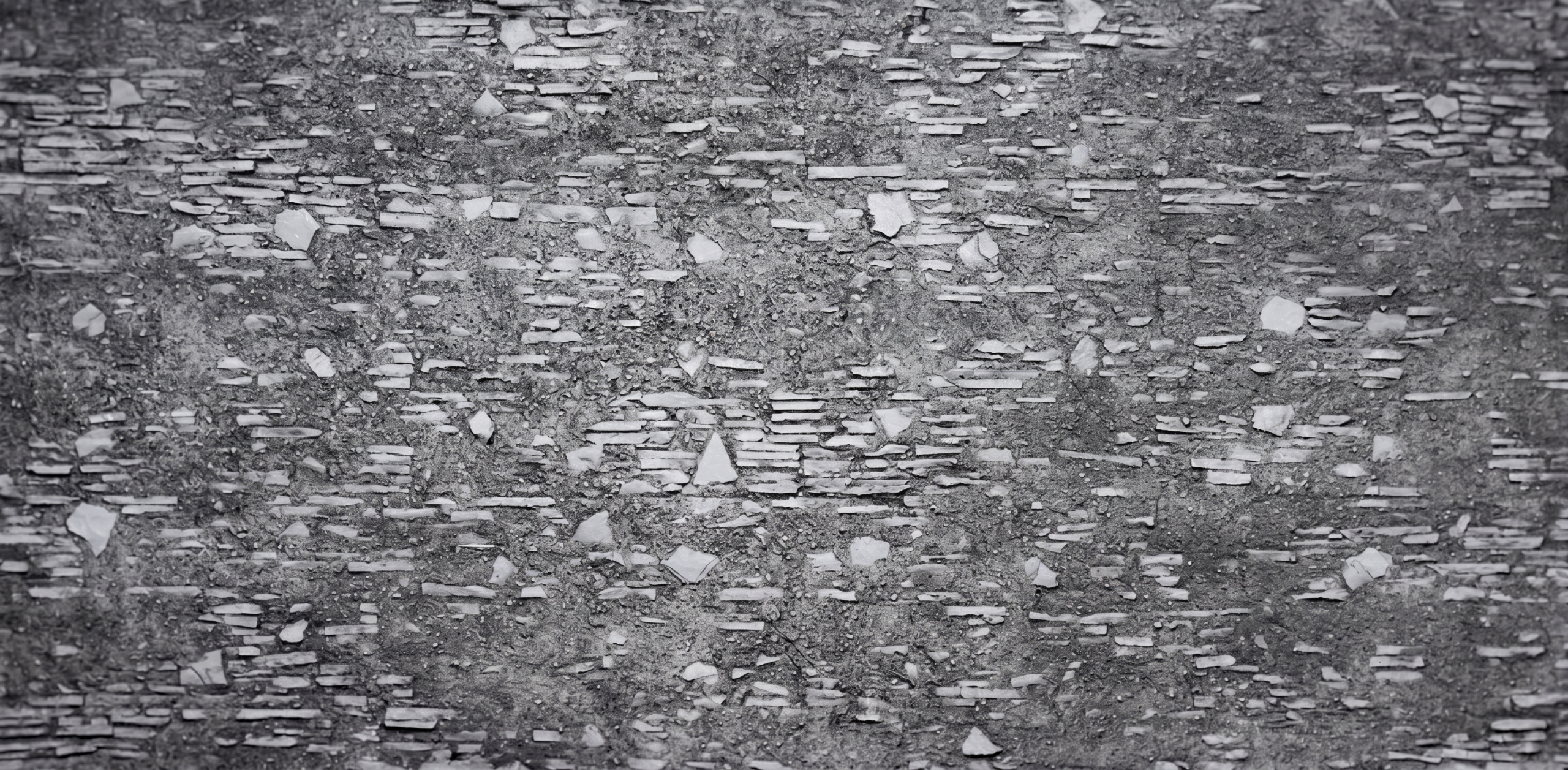
Karon Slate interprets the character of naturally layered stone through a broad, continuous architectural surface. Its irregular stone forms connect visually across the panel, creating depth without making the overall composition feel fragmented or overly decorative.
The surface is defined by softly projecting stone sections and recessed transitions. These differences give the wall a three-dimensional appearance while preserving the calm visual character associated with natural stone.
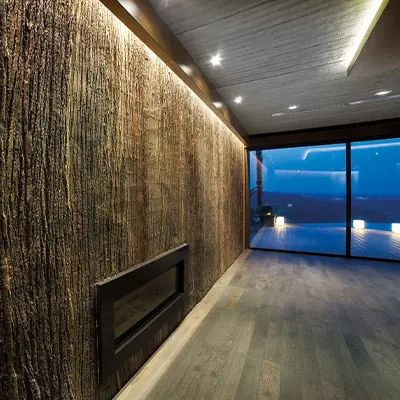
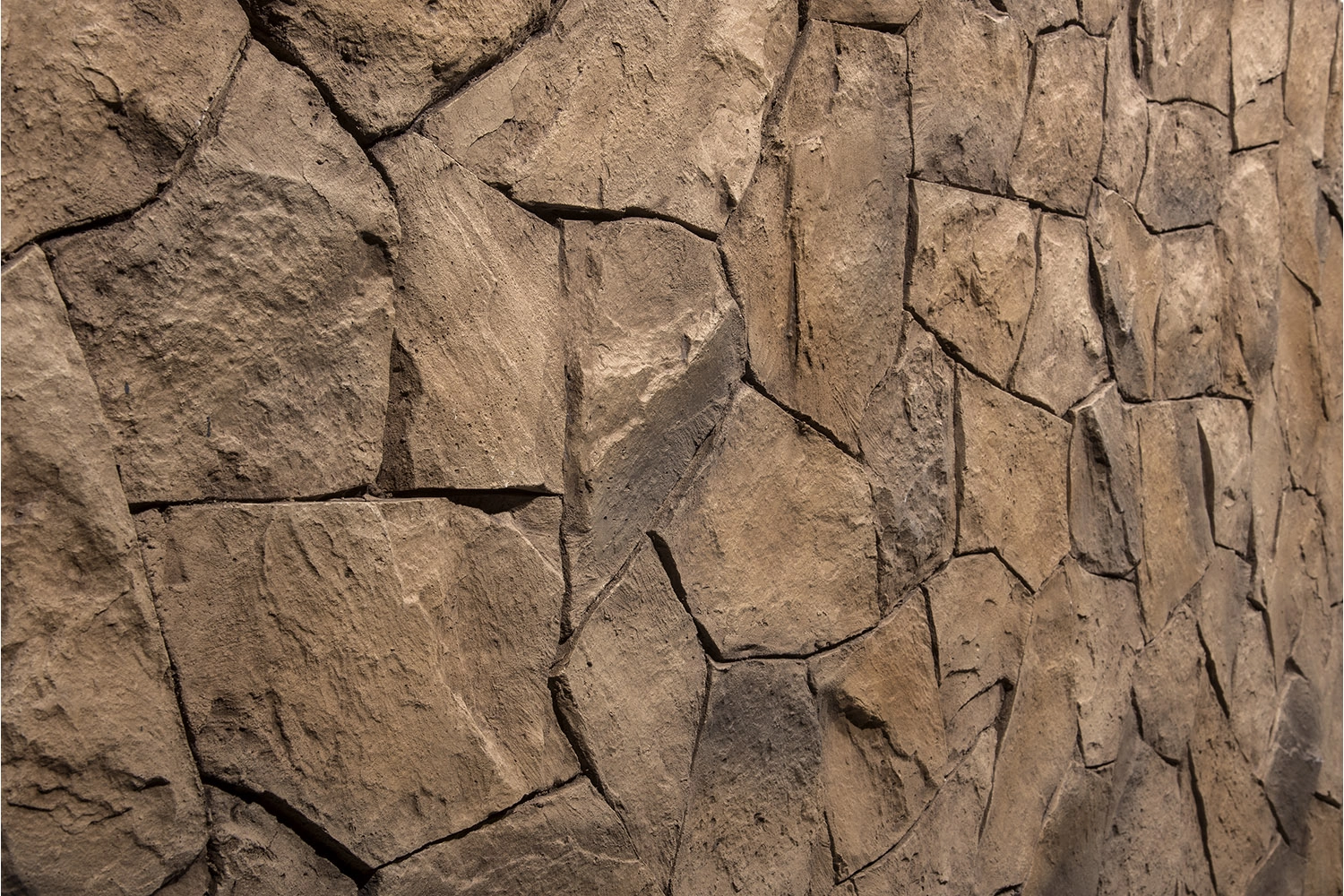
Light plays an important role in revealing this structure. Directional illumination emphasizes the projecting areas and creates deeper shadows around recessed sections, making the stone formation appear more pronounced.
Under softer ambient light, the same surface becomes more restrained. The individual layers remain visible, but the transitions between them appear smoother and more unified.
The seamless stone wall panel character comes from the way the stone forms continue across the broader surface. Rather than appearing as isolated blocks, the individual elements become part of a more cohesive architectural composition.
This quality makes Karon Slate particularly effective across larger wall areas. The natural stone appearance can extend through the project without creating the visual interruption associated with smaller decorative elements.
Karon Slate belongs to Artstone’s Stone Series and is classified as Stone in the current product data. Its listed styles include Mediterranean, organic natural, rustic, and Scandinavian approaches.
The panel measures approximately 295 × 130 cm. Its depth varies between approximately 6 and 20 mm, while its listed weight is around 5–6 kg/m².
This variable depth contributes directly to the three-dimensional appearance. Some stone sections project further from the surface, while others remain shallower, producing a more natural relationship between highlight and shadow.
Unlike strictly geometric panels, Karon Slate does not depend on uniform repetition. Its visual identity comes from controlled irregularity and the natural variation associated with layered stone formations.
This gives the surface enough character for feature walls while also allowing it to work across broader architectural areas. The texture remains noticeable without becoming excessively dominant.
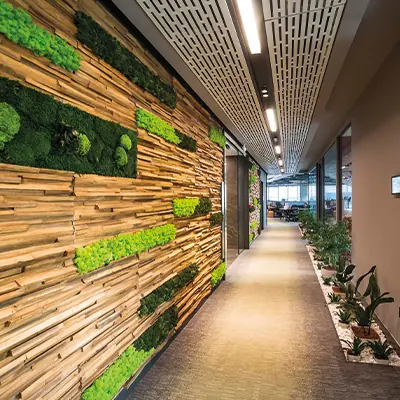
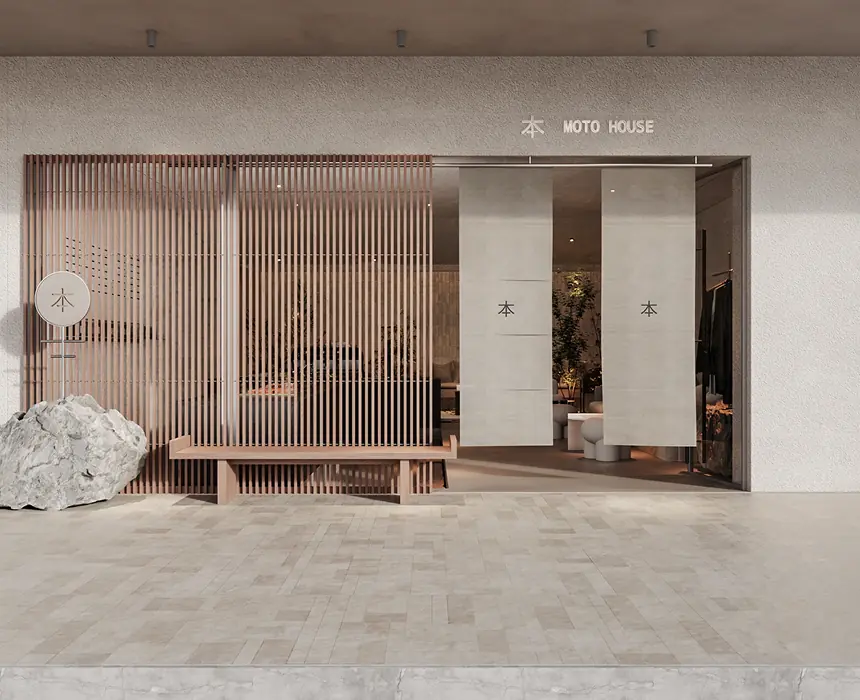
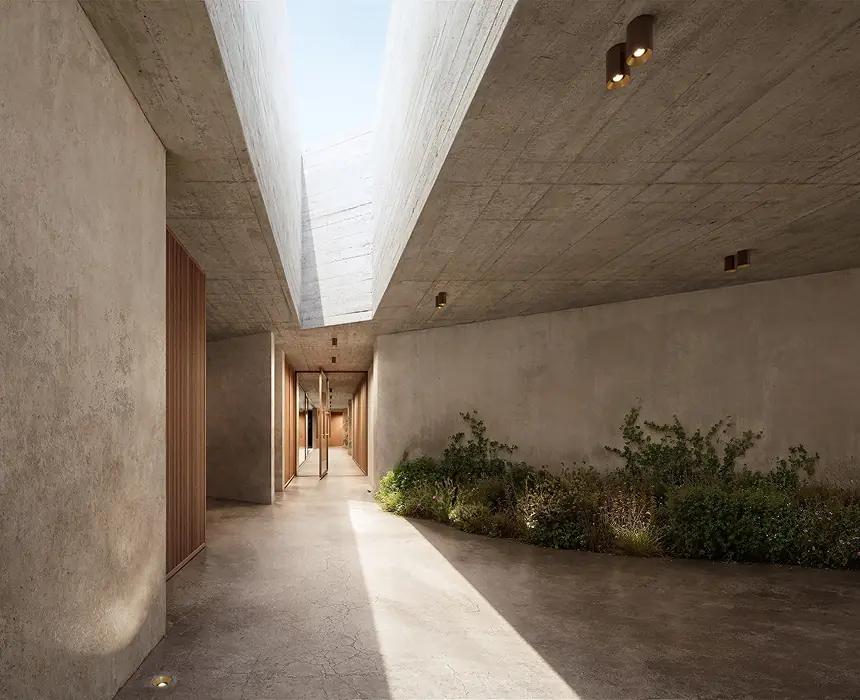
As a natural stone wall panel solution, Karon Slate works effectively beside timber, glass, concrete, metal, and smooth painted surfaces. These contrasting materials can emphasize its textured character while maintaining a balanced overall design.
In contemporary interiors, cleaner surrounding finishes allow the stone surface to become a strong architectural element. In more natural or rustic spaces, the same texture can reinforce an existing material palette.
Among decorative wall panels, Karon Slate stands out for the continuity of its stone composition. Current Artstone content describes the Stone Series design through seamless stone continuity and a cohesive surface identity.
The panel is not limited to residential interiors. Current usage data includes cafés and restaurants, hotels and spas, houses, offices, showrooms, retail environments, and sports and wellness spaces.
Ceiling applications are also included in the current product data. Extending the textured stone surface beyond conventional wall placement can create a more immersive architectural treatment in selected areas.
Karon Slate is also listed for exterior surface applications. This allows the stone-inspired design language to continue beyond interiors where the architectural project calls for greater material continuity.
Using a consistent surface language across interior and exterior areas can help establish stronger visual connections throughout a project. The natural texture becomes part of the architectural identity rather than a purely decorative addition.
The three-dimensional relief is particularly effective when viewed from different angles. From the front, the stone composition appears more continuous, while oblique views reveal stronger variation between projecting and recessed areas.
This allows the surface to change subtly as people move through the space. Depth becomes more noticeable from certain viewpoints without requiring dramatic or highly sculptural forms.
Karon Slate also provides an alternative to traditional small-format masonry aesthetics. Its large panel scale allows natural stone character to be expressed through a broader, more unified surface.
The result suits projects that want the texture of stone without visually dividing the architecture into numerous small elements. The design reads as one continuous material field.
The seamless stone wall panel effect is especially useful on expansive surfaces where continuity matters. Stone transitions remain visible, but the overall architecture retains a calm and cohesive appearance.
In hospitality spaces, Karon Slate can create a natural backdrop for reception areas, restaurants, lounges, and circulation zones. Its textured surface adds depth while remaining compatible with contemporary furniture and lighting.
Residential spaces can use the same approach on living areas, entrances, or feature walls. The stone character introduces material warmth without depending on ornamental detailing.
Commercial and office environments can benefit from the more structured side of the design. The surface adds natural variation while retaining enough visual restraint for professional contemporary spaces.
The large-format panel also gives the stone texture greater architectural scale. Instead of functioning as a small decorative detail, the surface can become part of the overall spatial composition.
Karon Slate ultimately combines natural stone character, variable three-dimensional relief, and a continuous surface language. Its visual strength comes from texture and depth rather than excessive pattern or ornament.
For projects seeking a natural stone wall panel with a more unified architectural appearance, Karon Slate offers a distinctive Stone Series solution. Its layered surface, changing response to light, and suitability for both interior and exterior applications allow natural stone character to flow through modern architectural spaces.