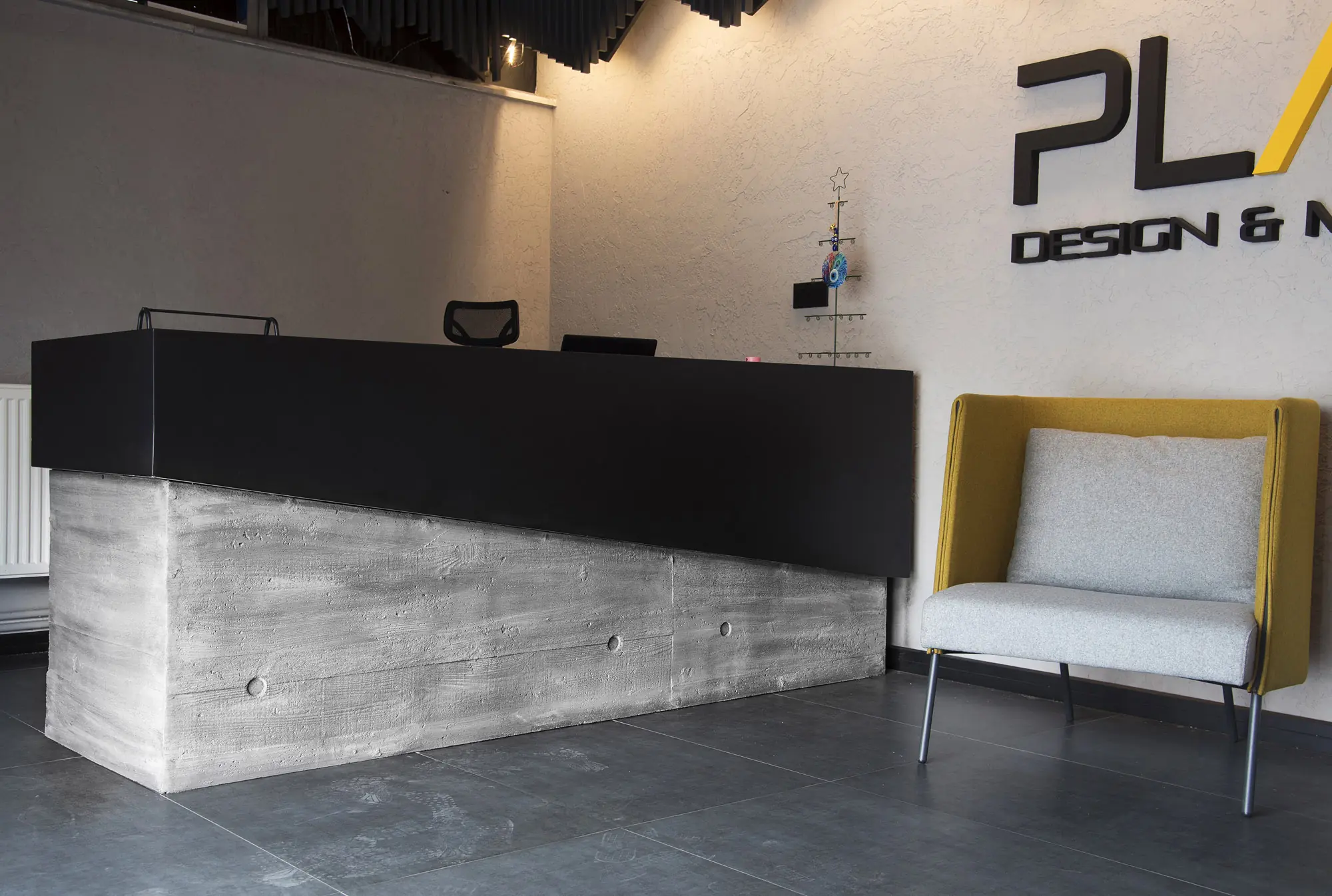
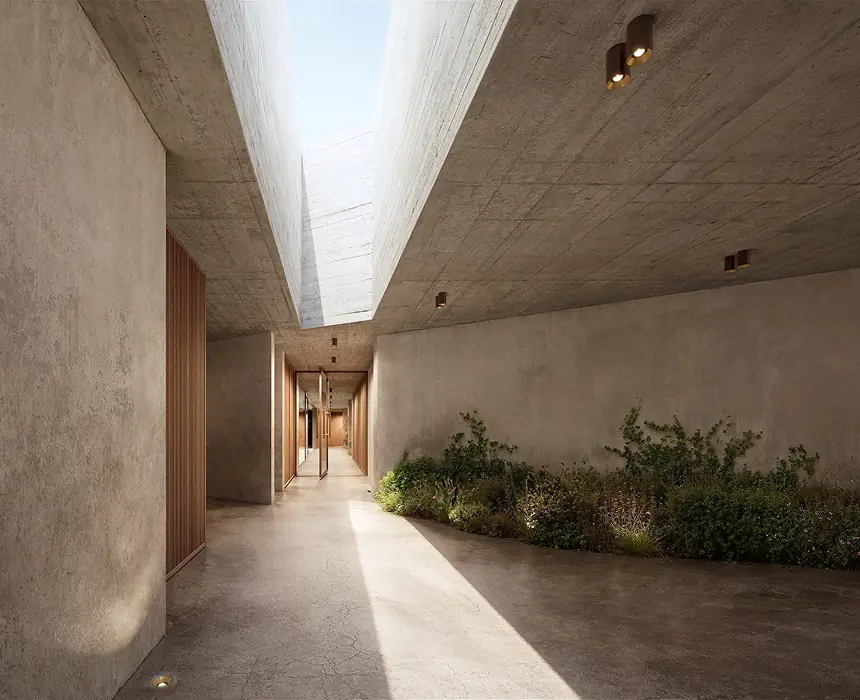
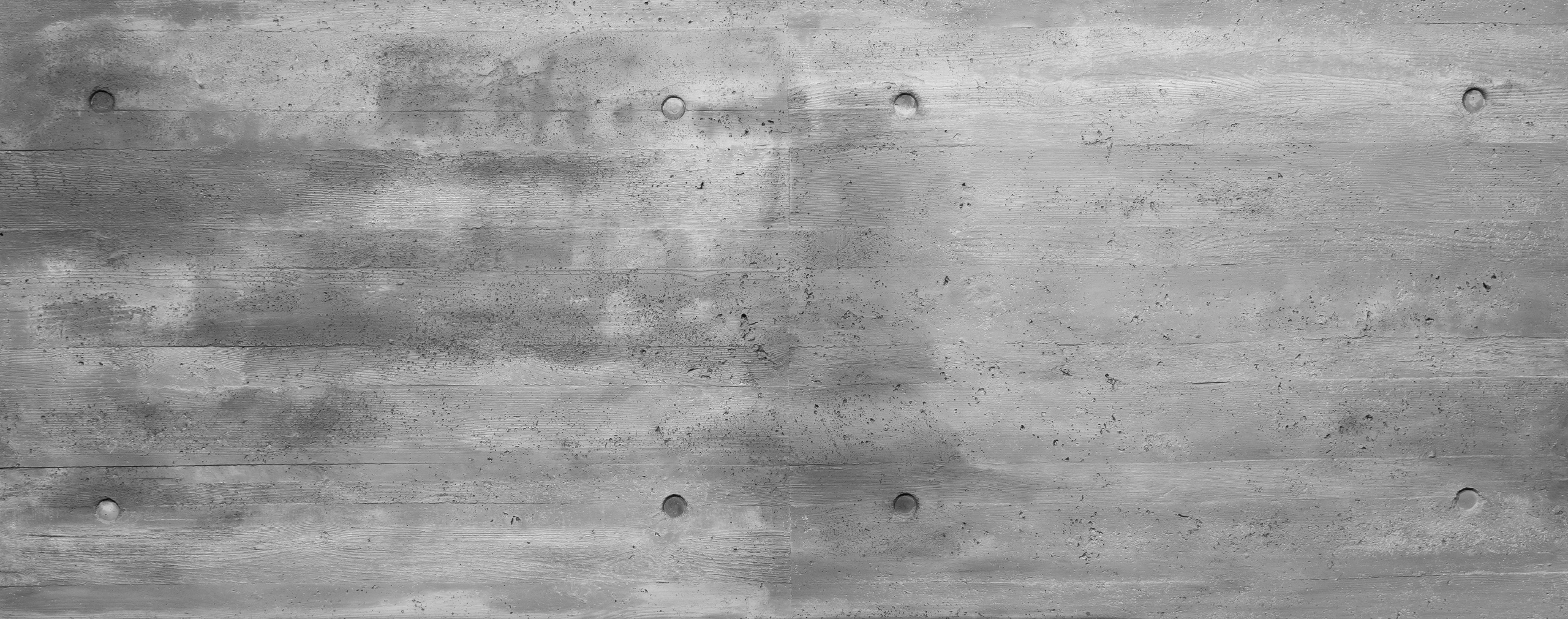
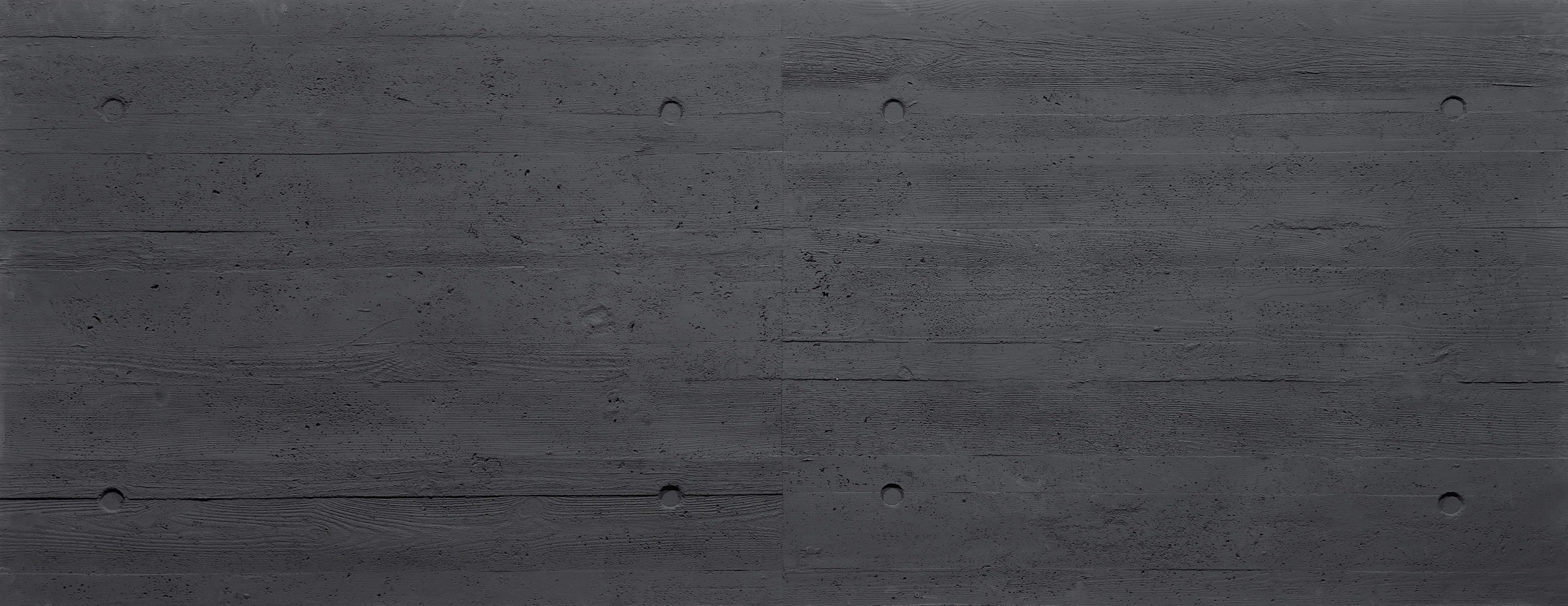
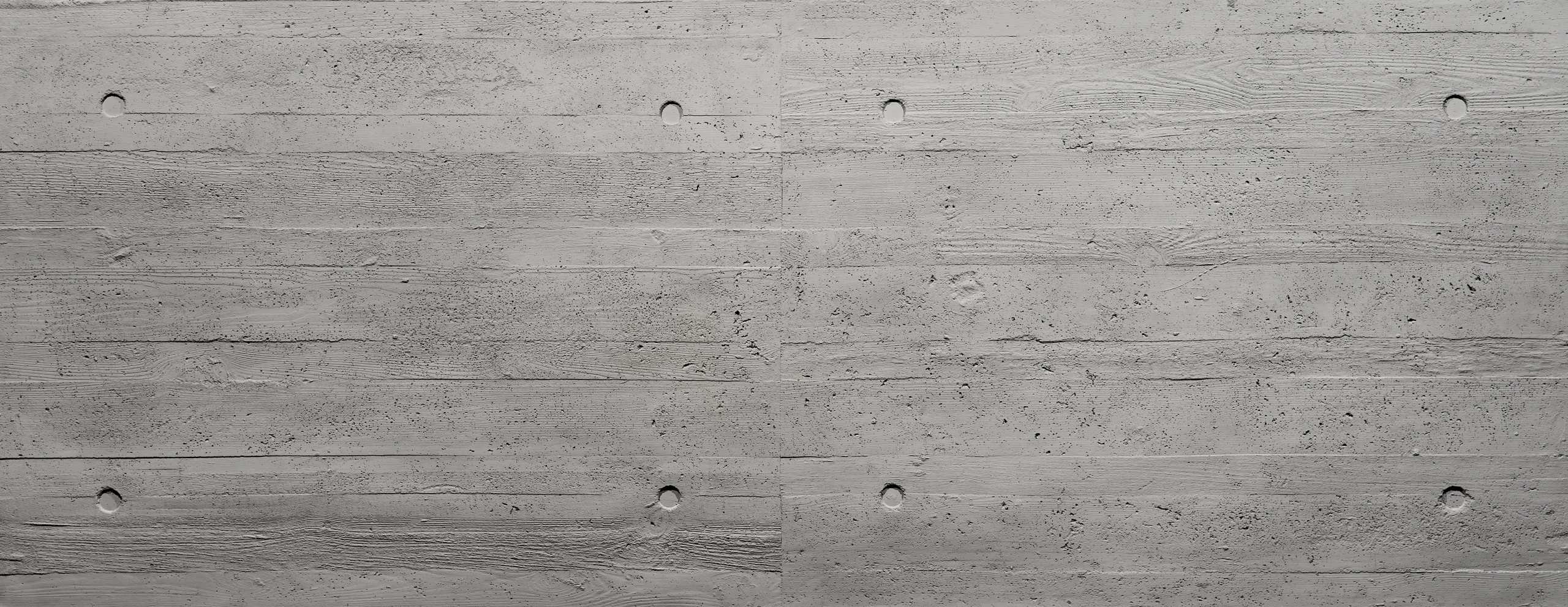
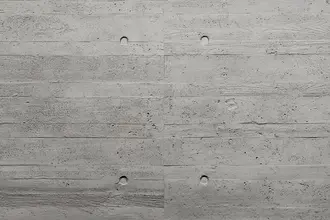
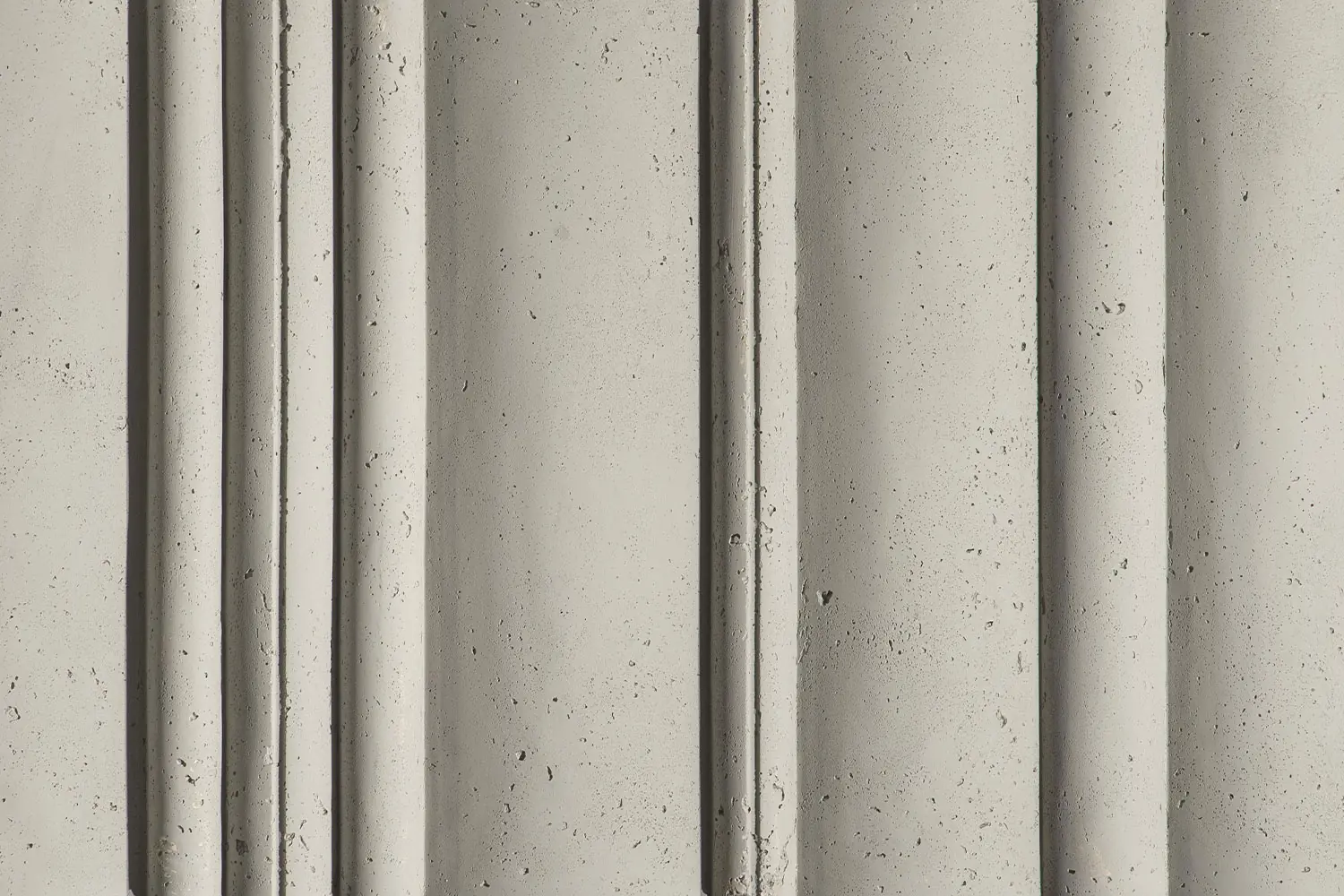
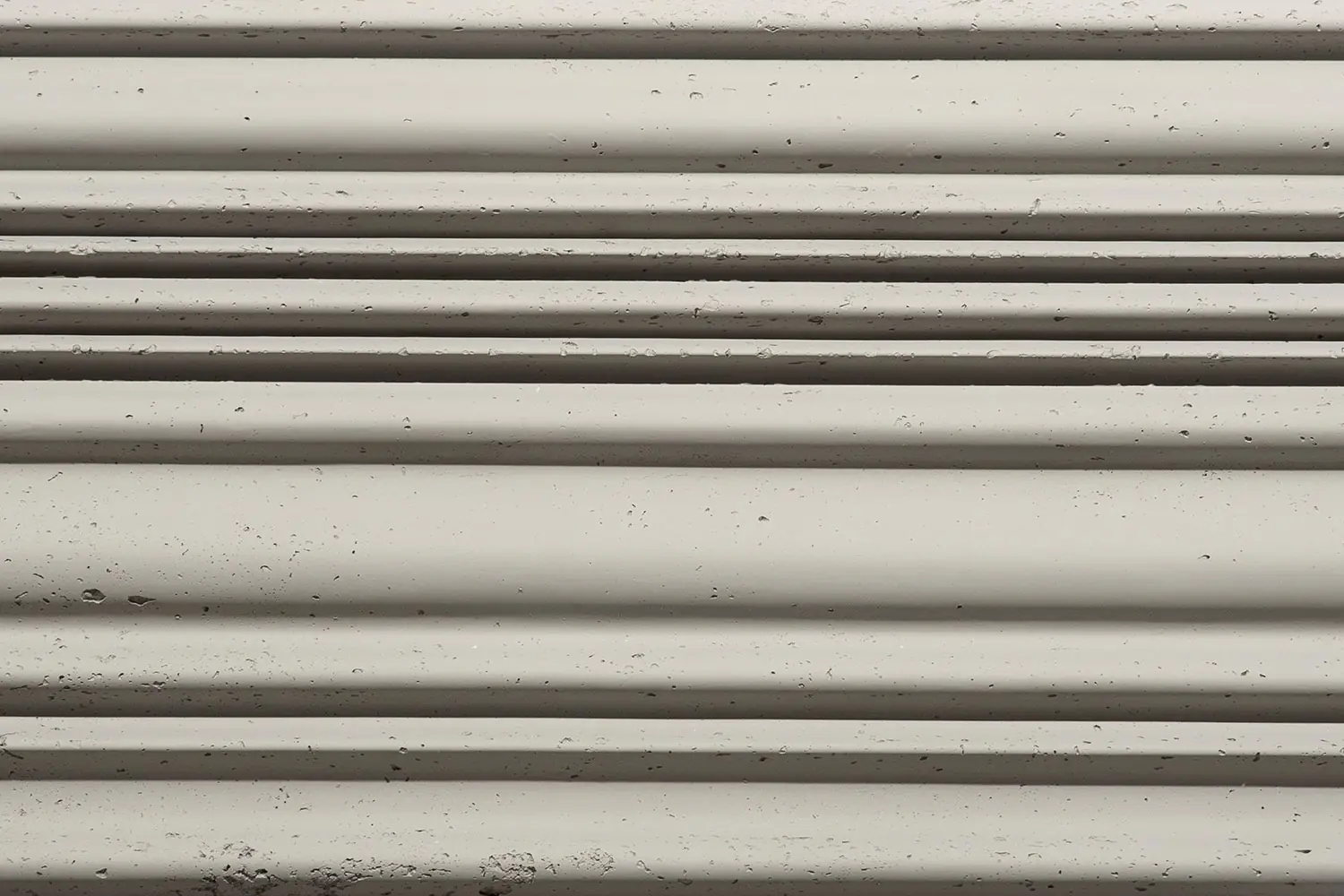
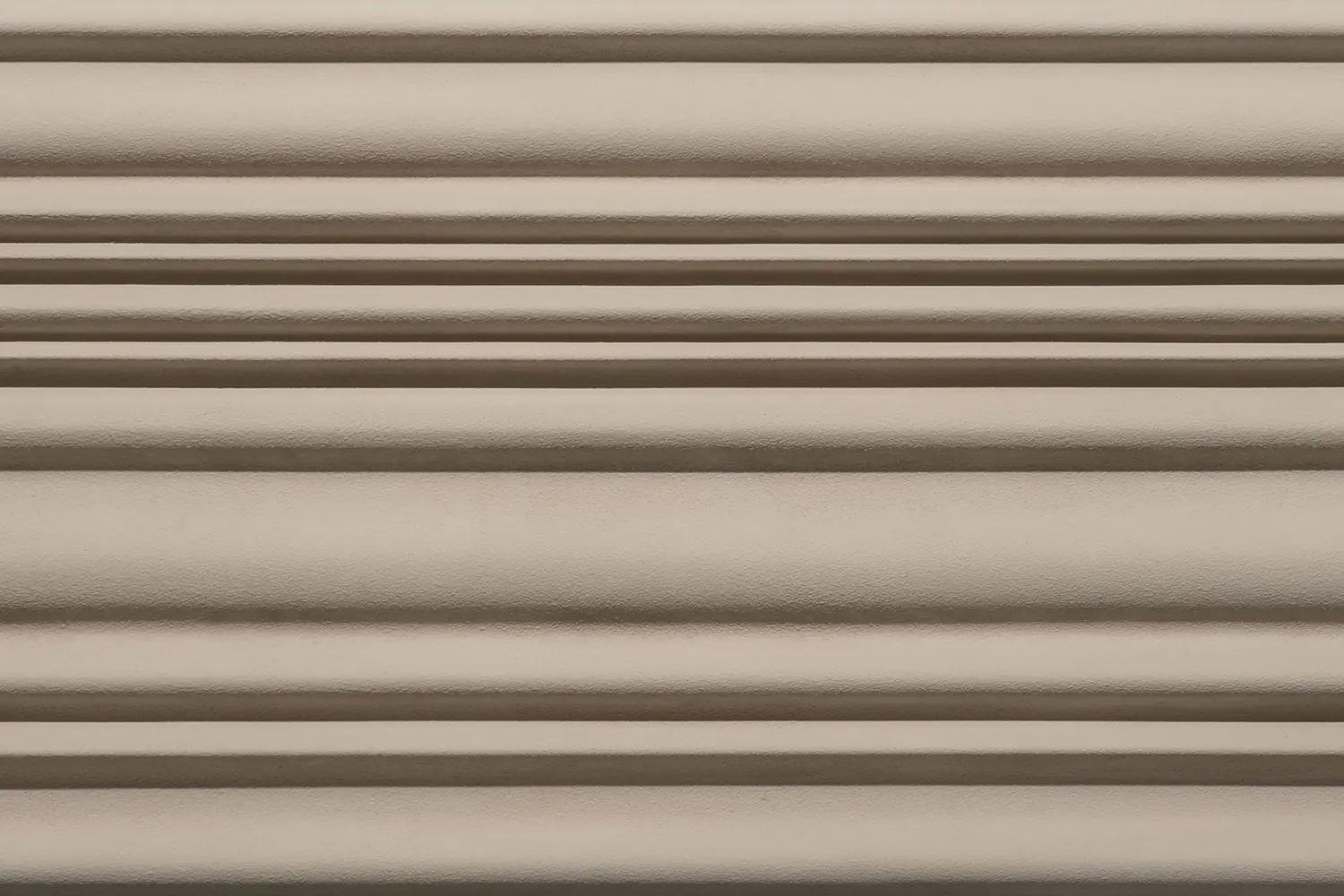
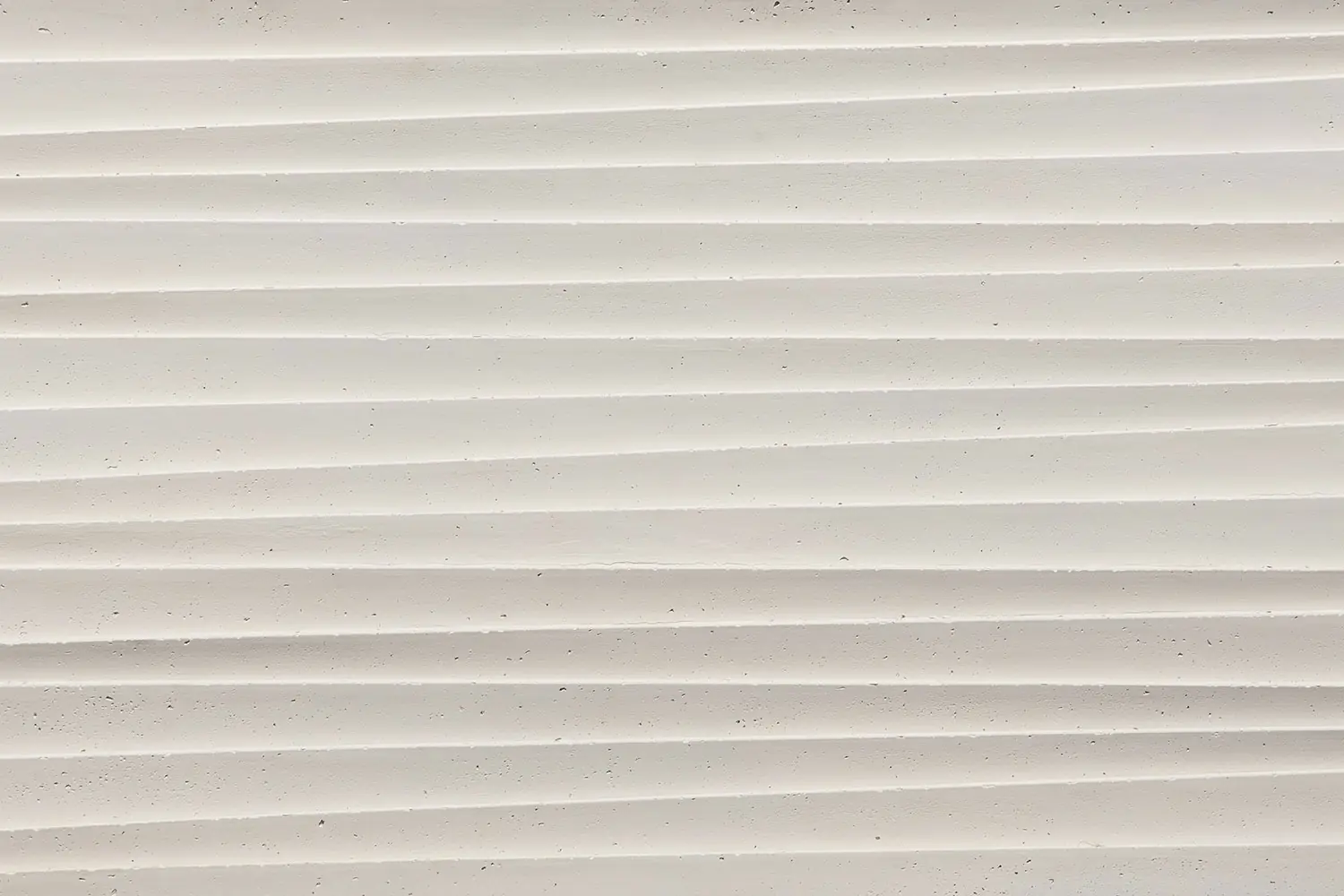
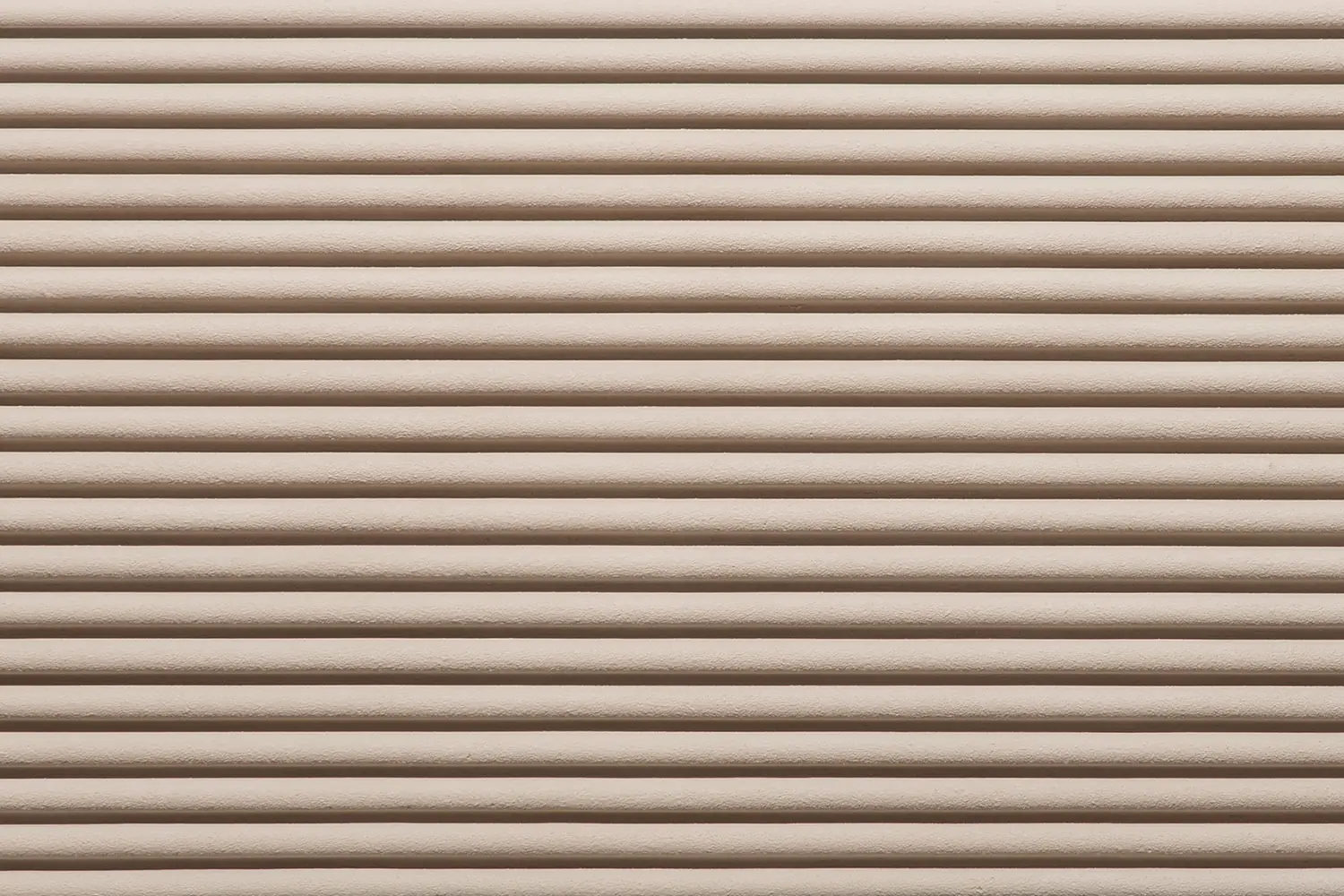
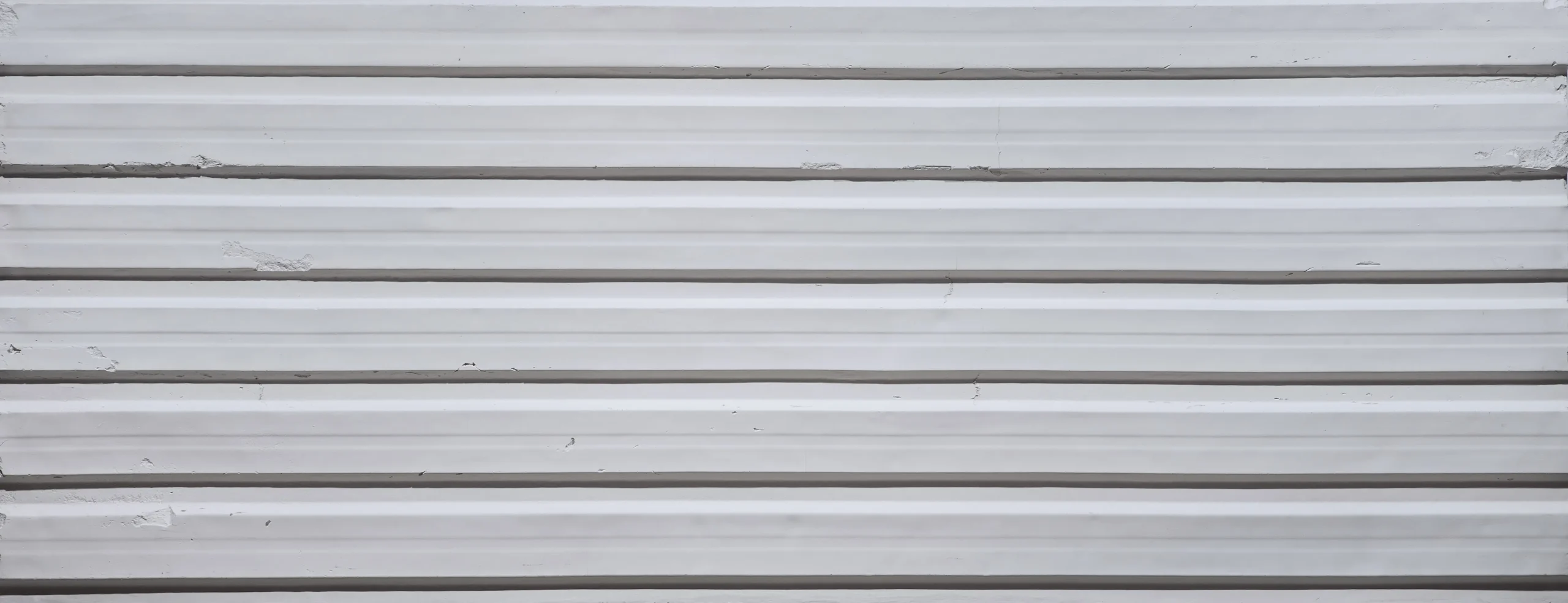
H-Plate concrete wall panel translates the direct material expression of cast concrete into a contemporary architectural surface defined by formwork joint lines, form-tie impressions, tactile roughness, and three-dimensional depth. Its design focuses on the construction language of concrete itself, creating a strong industrial identity without depending on additional ornament.
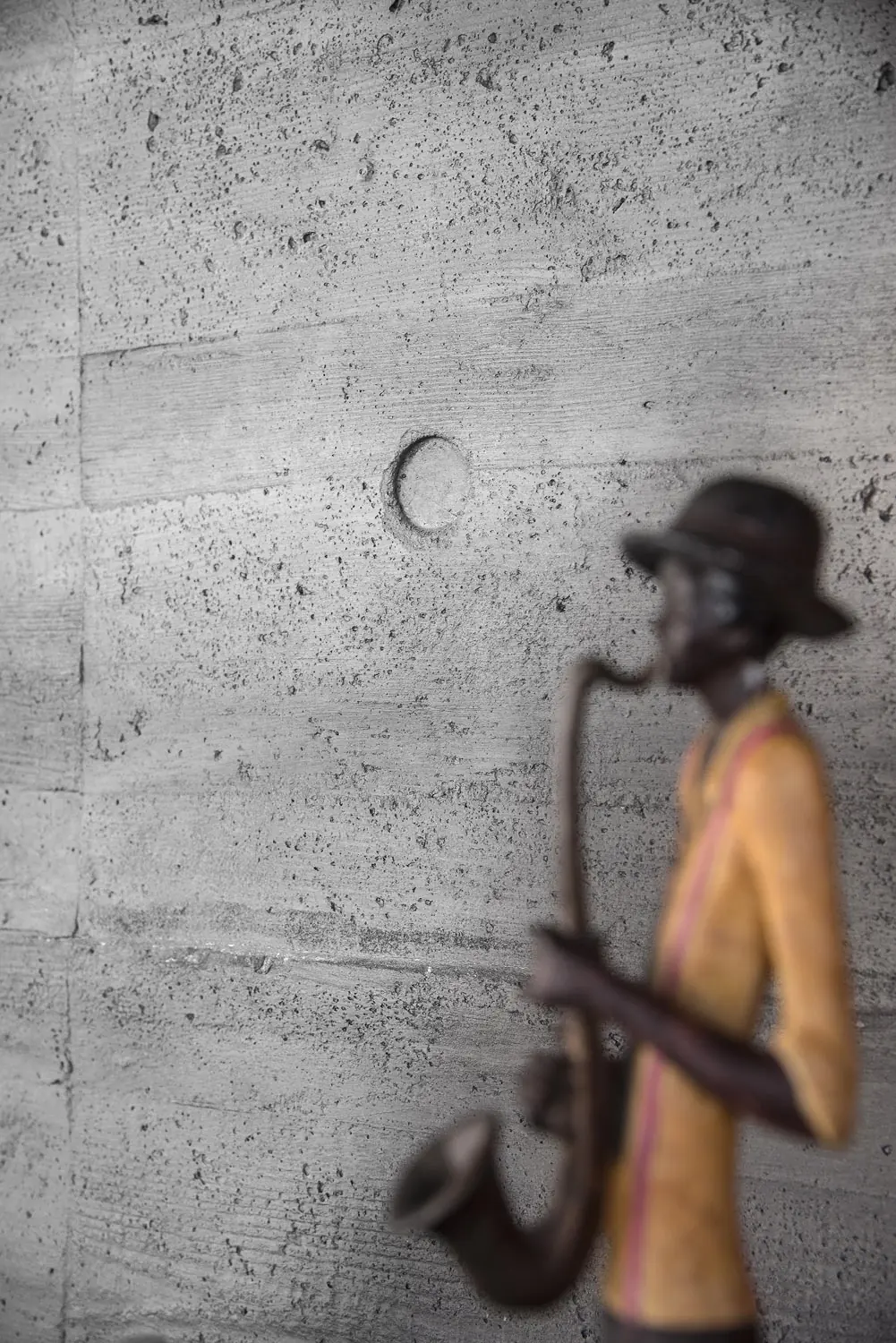
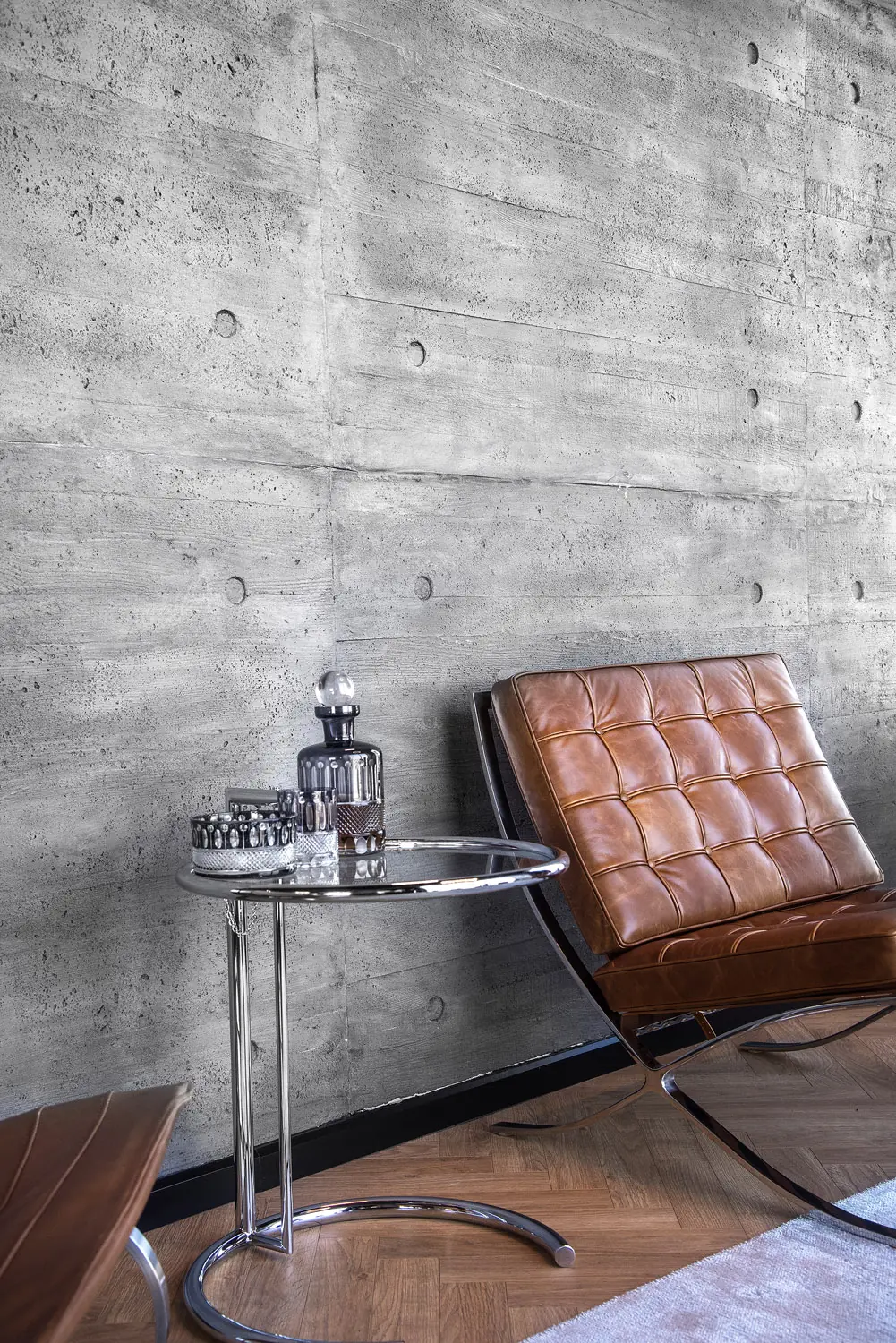
The formwork concrete texture is the defining element of the surface. Visible joint lines and recessed impressions recall the marks left during concrete casting, giving the panel a precise but intentionally raw architectural character.
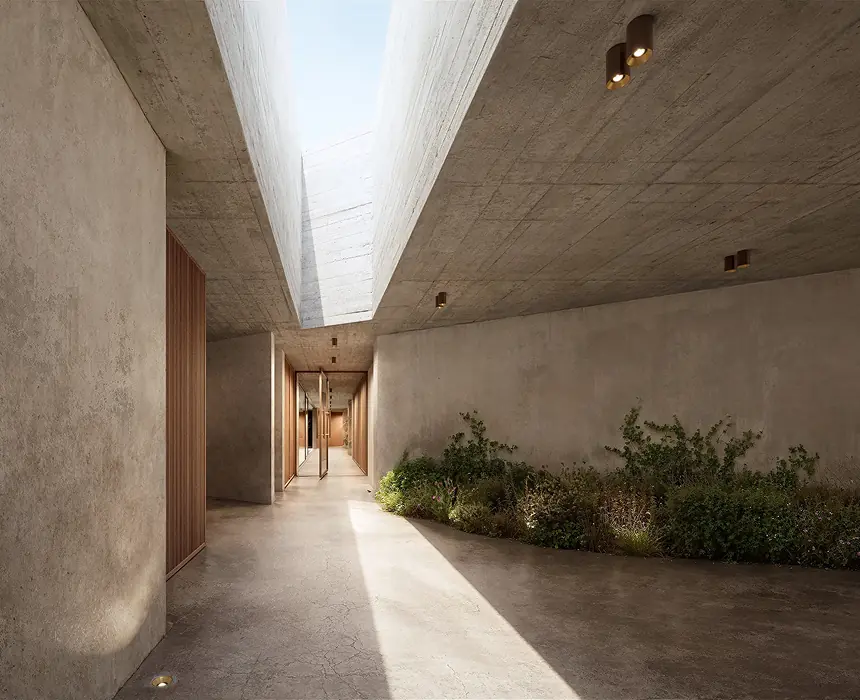
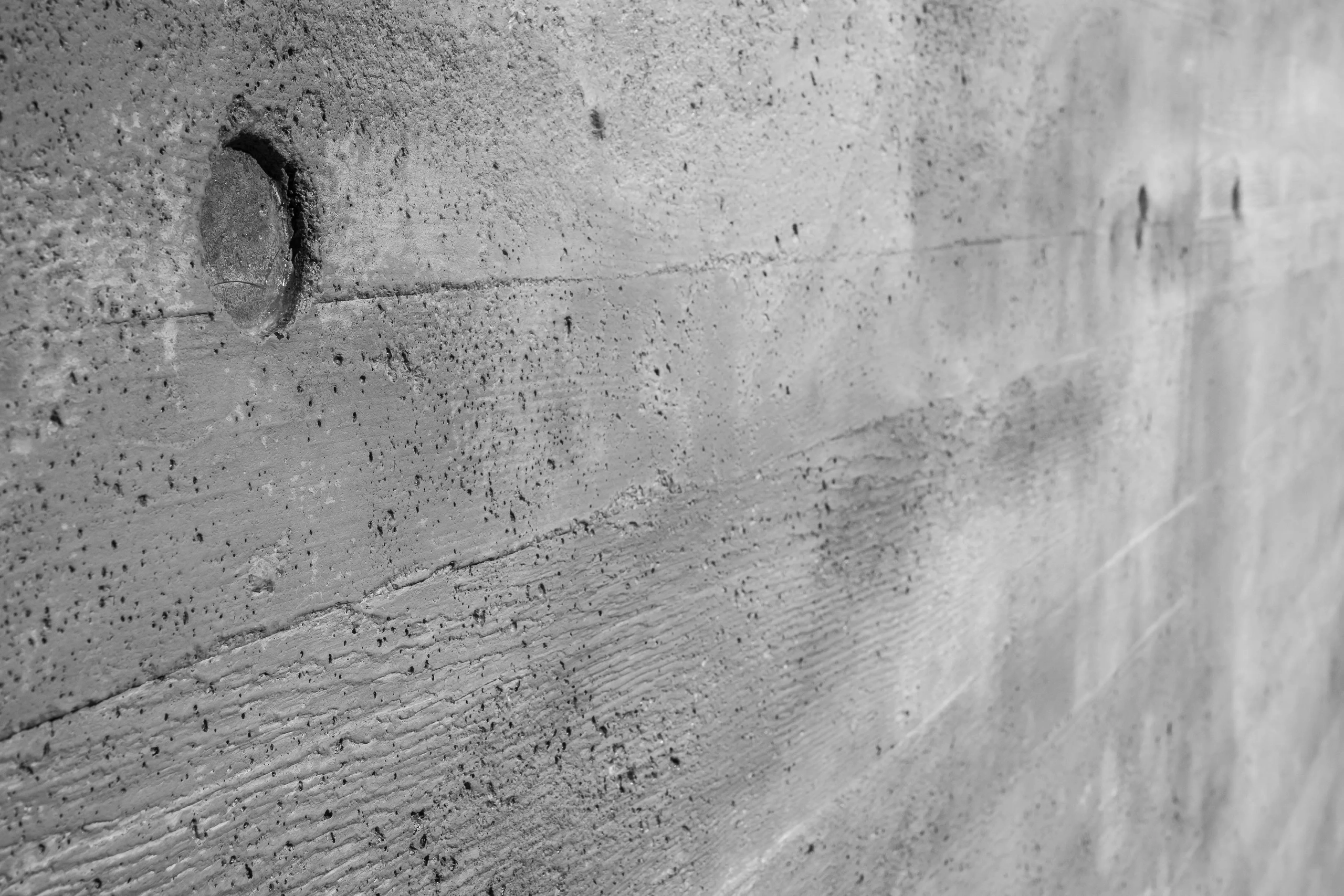
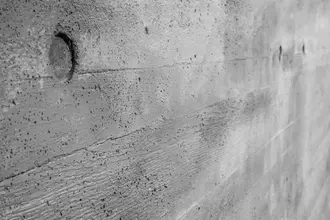
These details become more prominent when light reaches the wall from an angle. Raised and recessed areas create controlled shadow transitions that make the construction marks more visible and strengthen the perception of depth.
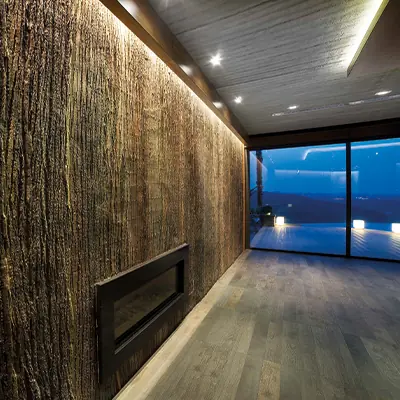
Under softer ambient lighting, the same surface appears calmer and more uniform. The formwork lines remain visible, but the complete composition becomes a restrained architectural background suitable for minimalist interiors.
Current technical documentation describes H-Plate through three-dimensional formwork joint lines, form-tie impressions, concrete surface roughness, and micro-details associated with cast concrete. High-precision molding is used to transfer these characteristics onto the panel while preserving both visual and tactile definition.
As an exposed concrete wall panel, H-Plate creates architectural character through material honesty rather than decorative pattern. Its geometric construction marks give the surface order, while the smaller concrete details keep the wall from appearing flat or overly uniform.
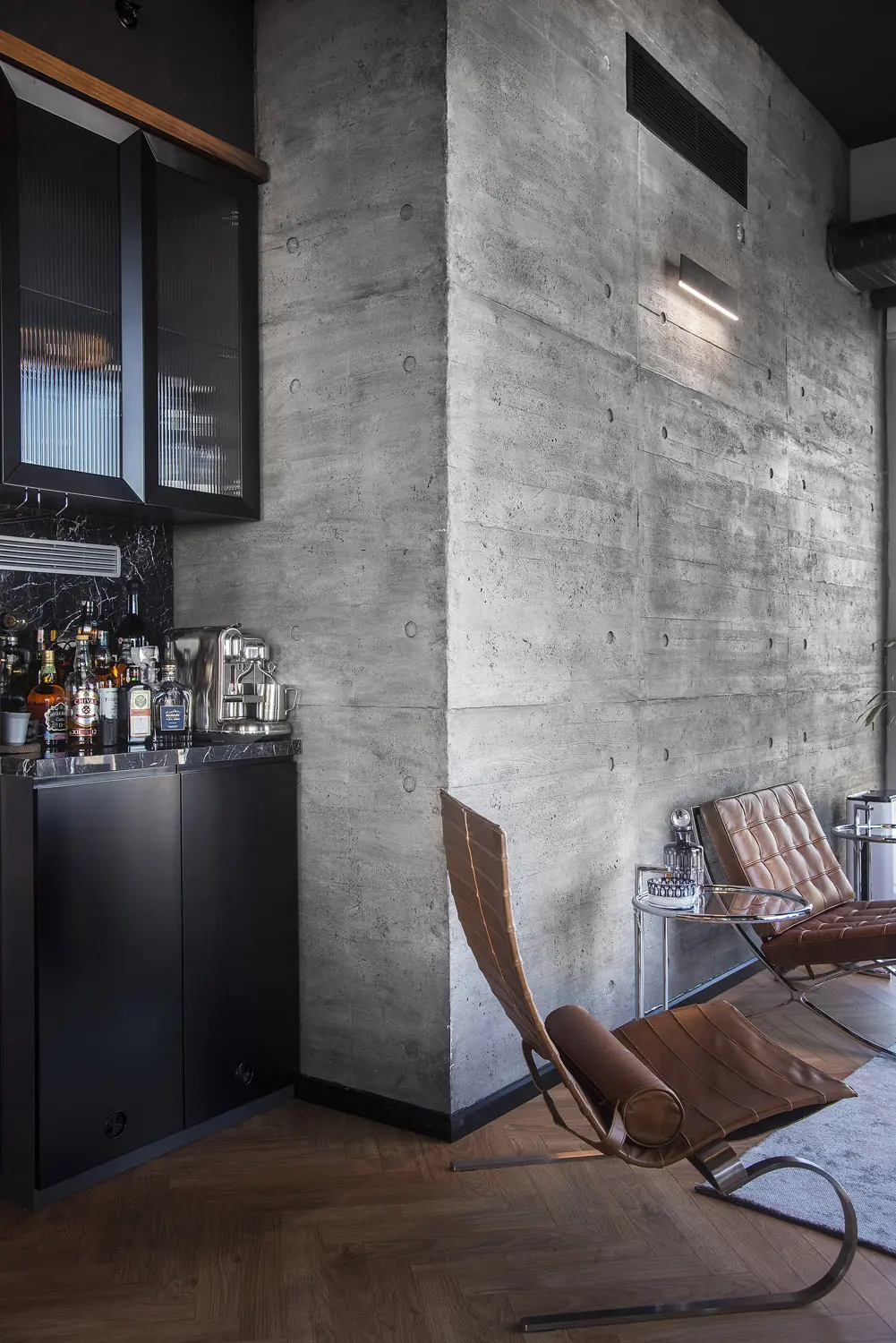
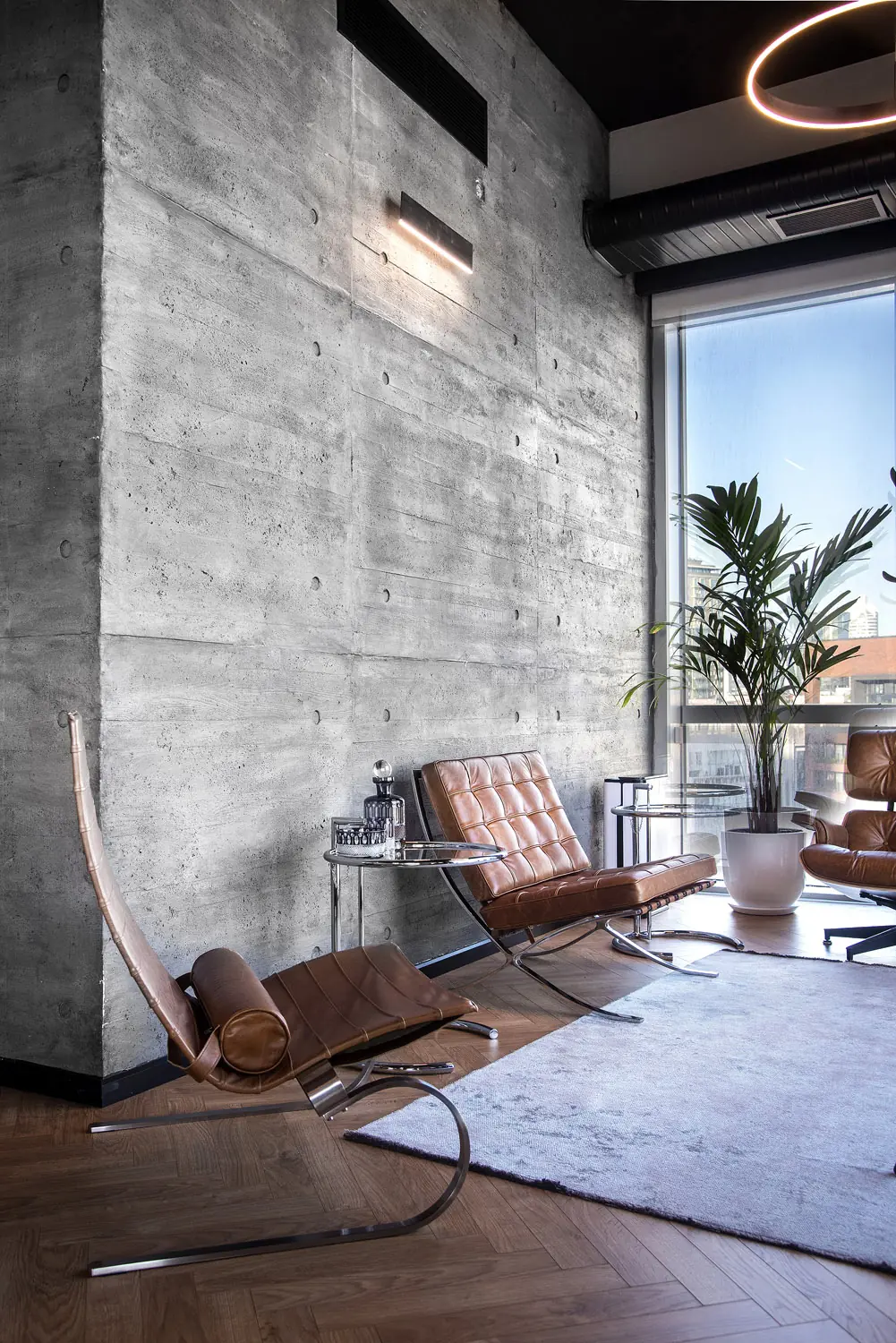
H-Plate concrete wall panel works naturally with materials frequently used in contemporary architecture. Glass, steel, timber, smooth plaster, and restrained stone surfaces can all create different contrasts with its raw concrete character.
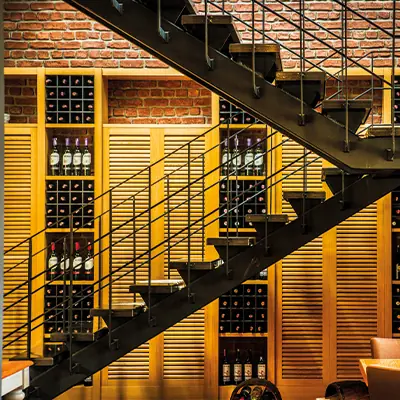
In residential interiors, the panel can define living areas, entrance walls, staircases, dining zones, and selected feature surfaces. Its concrete appearance provides a strong visual foundation while allowing furniture and lighting to remain simple.
Offices, showrooms, and retail environments can use the formwork concrete texture to create a clean industrial backdrop. The surface establishes architectural identity without competing excessively with signage, displays, furniture, or products.
Hotels, cafés, and restaurants can also use H-Plate concrete wall panel where a more structured and contemporary material language is required. Directional lighting can highlight the joint lines and impressions, while broader illumination creates a quieter concrete backdrop.
Among decorative wall panels, H-Plate stands out through its direct reference to the construction process of exposed concrete. The visual identity comes from formwork traces and cast-surface detail rather than an applied decorative motif.
H-Plate belongs to Artstone’s Concrete & Art Series and is classified as Concrete. Current style classifications include industrial, modern minimal, and Scandinavian approaches.
The panel measures approximately 280 × 110 cm, with a listed thickness of around 12–14 mm and a weight of approximately 5–5.5 kg/m².
Its large-format dimensions allow the formwork concrete texture to continue across broad surfaces with fewer visible panel divisions. This reinforces the impression of a continuous exposed-concrete wall rather than a sequence of smaller decorative elements.
H-Plate concrete wall panel is suitable for both interior and exterior architectural applications. Current usage data also includes ceilings, residences, cafés and restaurants, hotels and spas, offices, showrooms, stores, and sports and wellness environments.
The structural core combines fiberglass layers with mineral fillers and a polymer resin matrix. This composite construction is designed to stabilize the panel under bending, impact, and static loads while maintaining its form across larger surfaces.
The same technical structure is developed to minimize warping, cracking, and surface stress. This gives the exposed concrete wall panel a technically controlled base beneath its intentionally raw visual character.
Its surface formulation is stabilized against UV exposure, water vapor, humidity, and changes in temperature. Current technical information supports the use of H-Plate across suitable exterior architectural applications as well as interior environments.
The composite structure is also designed for practical architectural detailing. Cutting, drilling, and shaping can be carried out where necessary for outlets, lighting lines, mechanical channels, and other project-specific transitions.
Installation uses mechanical fastening with screws and dowels, providing secure attachment and supporting long-term structural stability. The current technical specification also identifies the system as lightweight, rigid, impact resistant, and suitable for large-format surfaces with reduced joint visibility.
The formwork concrete texture becomes especially expressive under grazing light. Shadows develop around recessed joint lines and form-tie impressions, making the three-dimensional construction language easier to perceive.
With diffused illumination, the same surface feels more restrained. The wall retains its exposed-concrete identity while becoming a quieter background for furniture, artwork, architectural lighting, or other materials.
Viewing distance also influences the experience of the surface. From farther away, the large formwork composition defines the architecture; closer inspection reveals concrete roughness, casting details, joint transitions, and smaller topographic variations.
This makes H-Plate suitable for both broad architectural applications and focused feature walls. Larger surfaces emphasize the scale and clarity of the formwork composition, while smaller areas draw attention to the tactile concrete details.
Among decorative wall panels, the balance between raw concrete expression and precise contemporary geometry gives H-Plate a distinctive identity. It preserves the visible language of construction while presenting it within a controlled architectural panel system.
H-Plate concrete wall panel ultimately combines formwork joint lines, form-tie impressions, authentic concrete texture, large-format continuity, and three-dimensional depth within one architectural surface.
For projects seeking an exposed concrete wall panel with a minimal, industrial, and material-focused identity, H-Plate offers a distinctive Concrete & Art Series solution. Its formwork concrete texture, interaction with light, technical structure, and suitability for interior, ceiling, and exterior applications allow the raw character of cast concrete to become part of contemporary architecture.