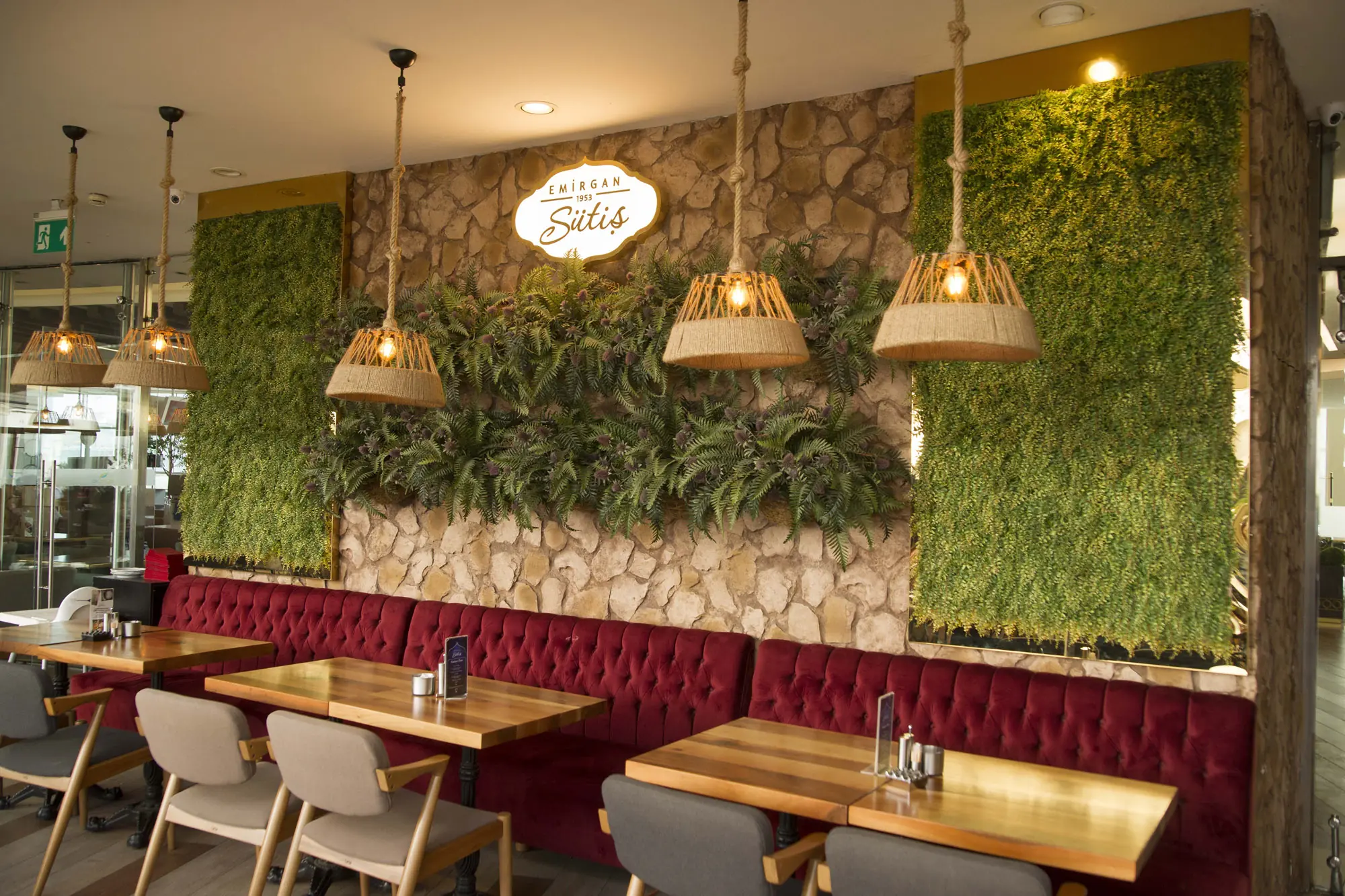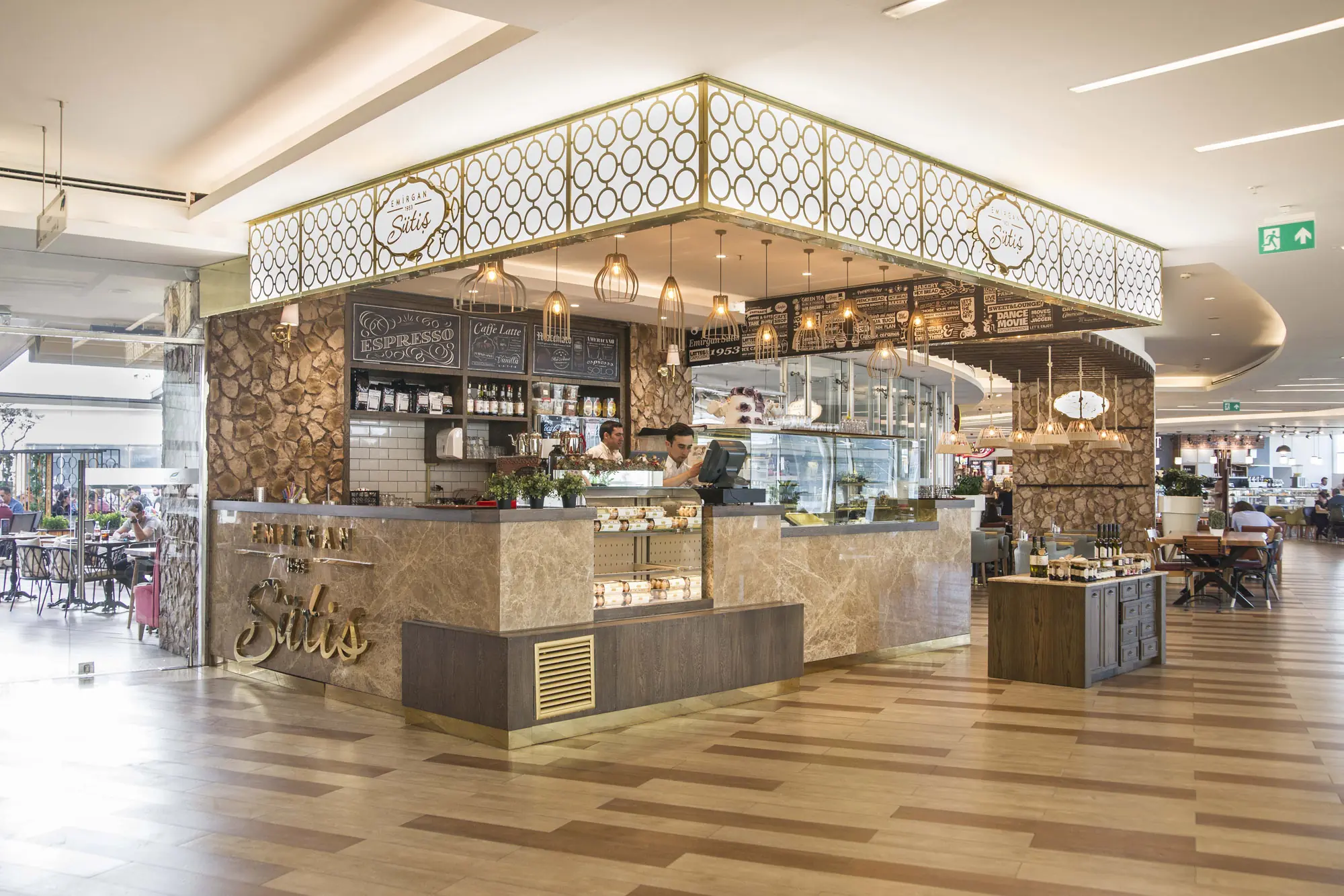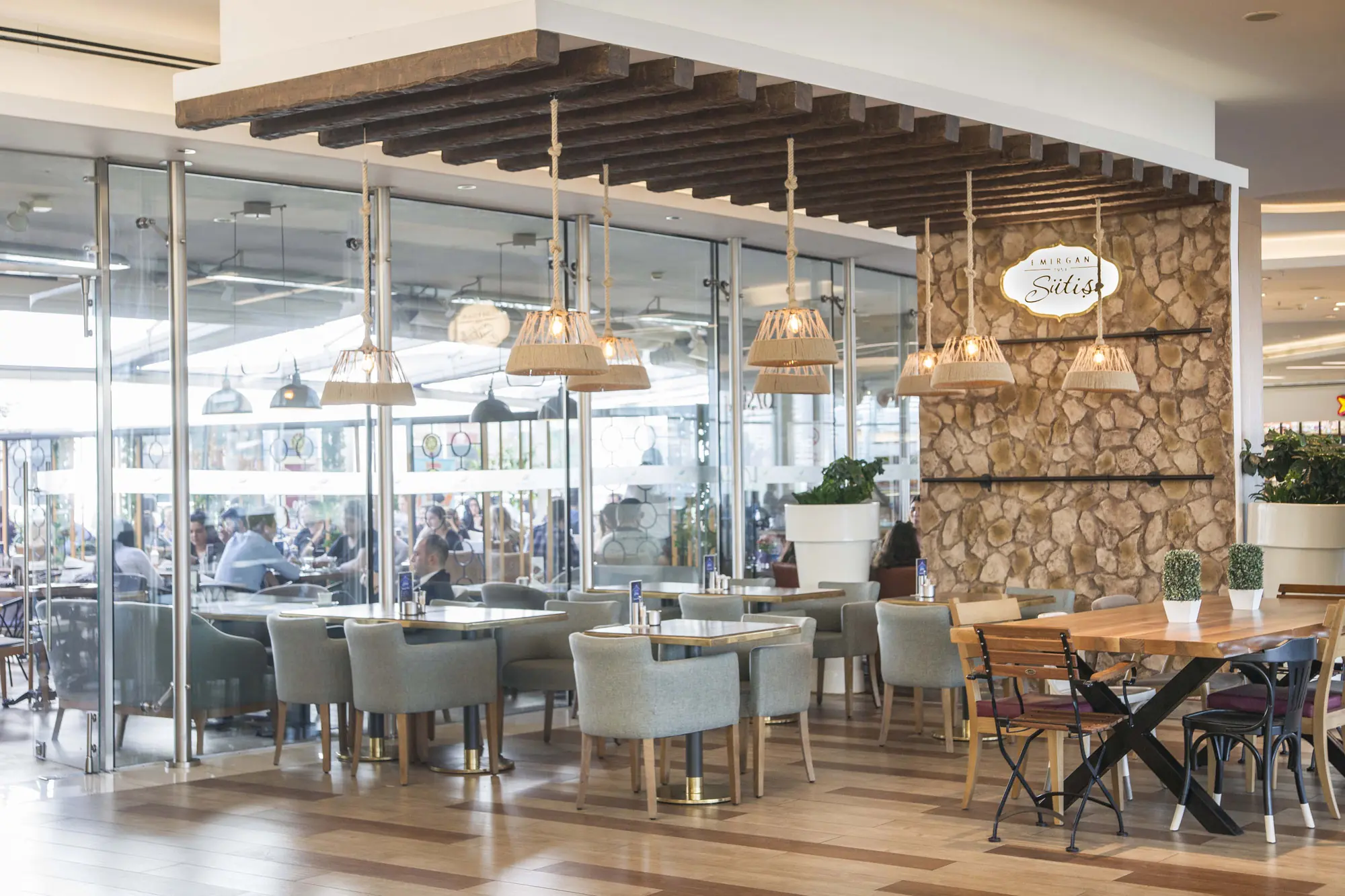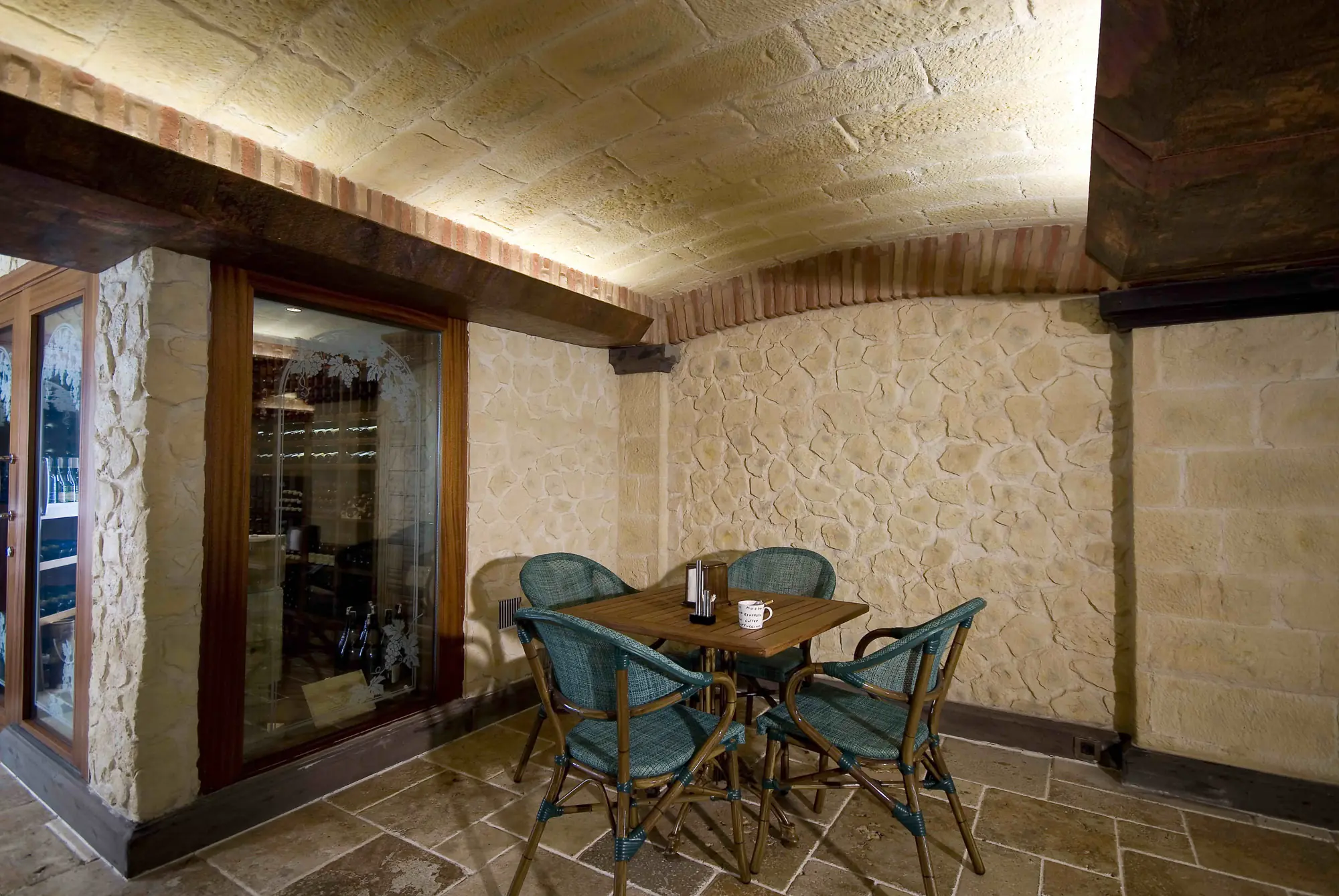
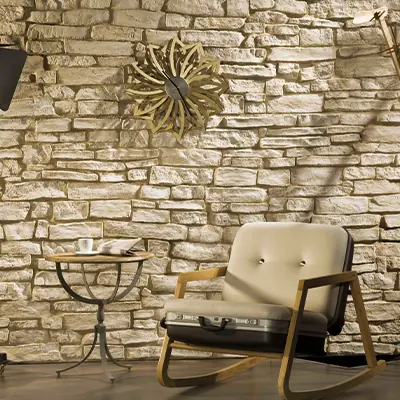
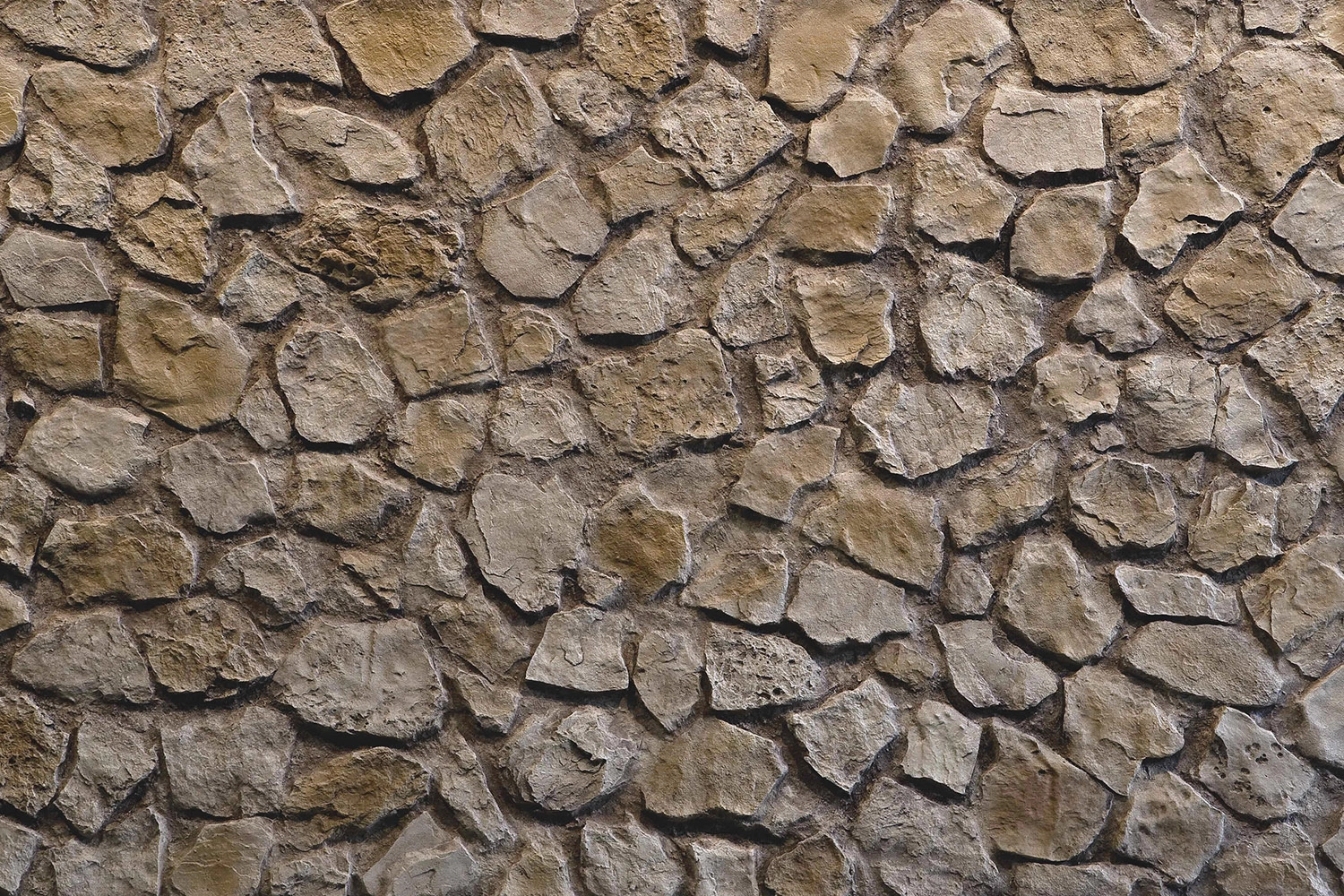
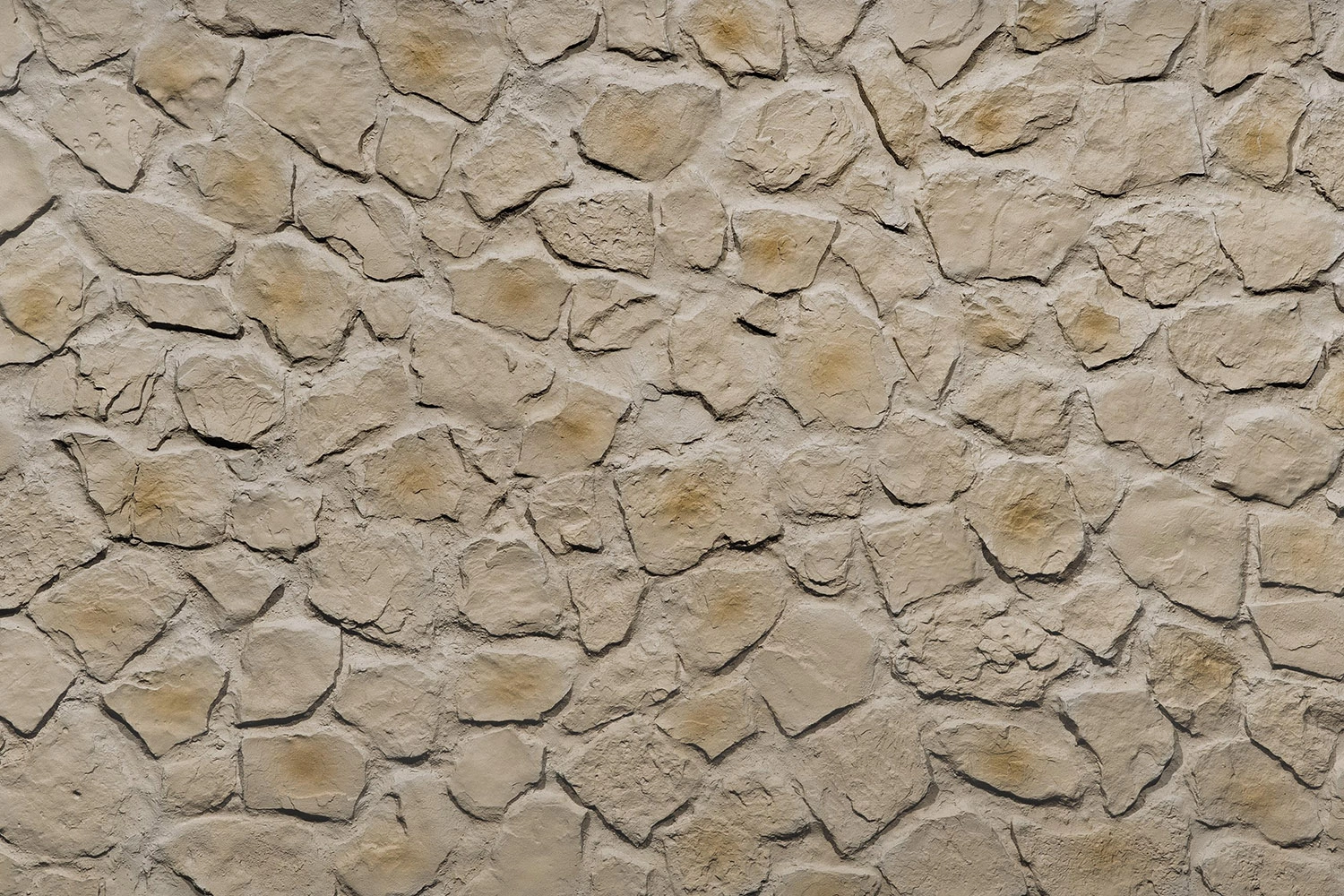
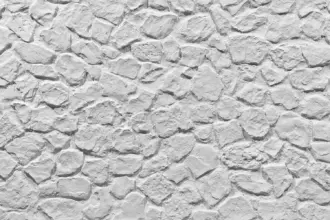
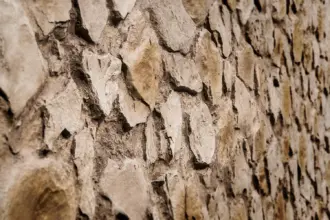
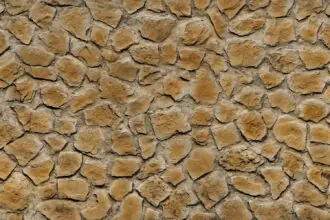
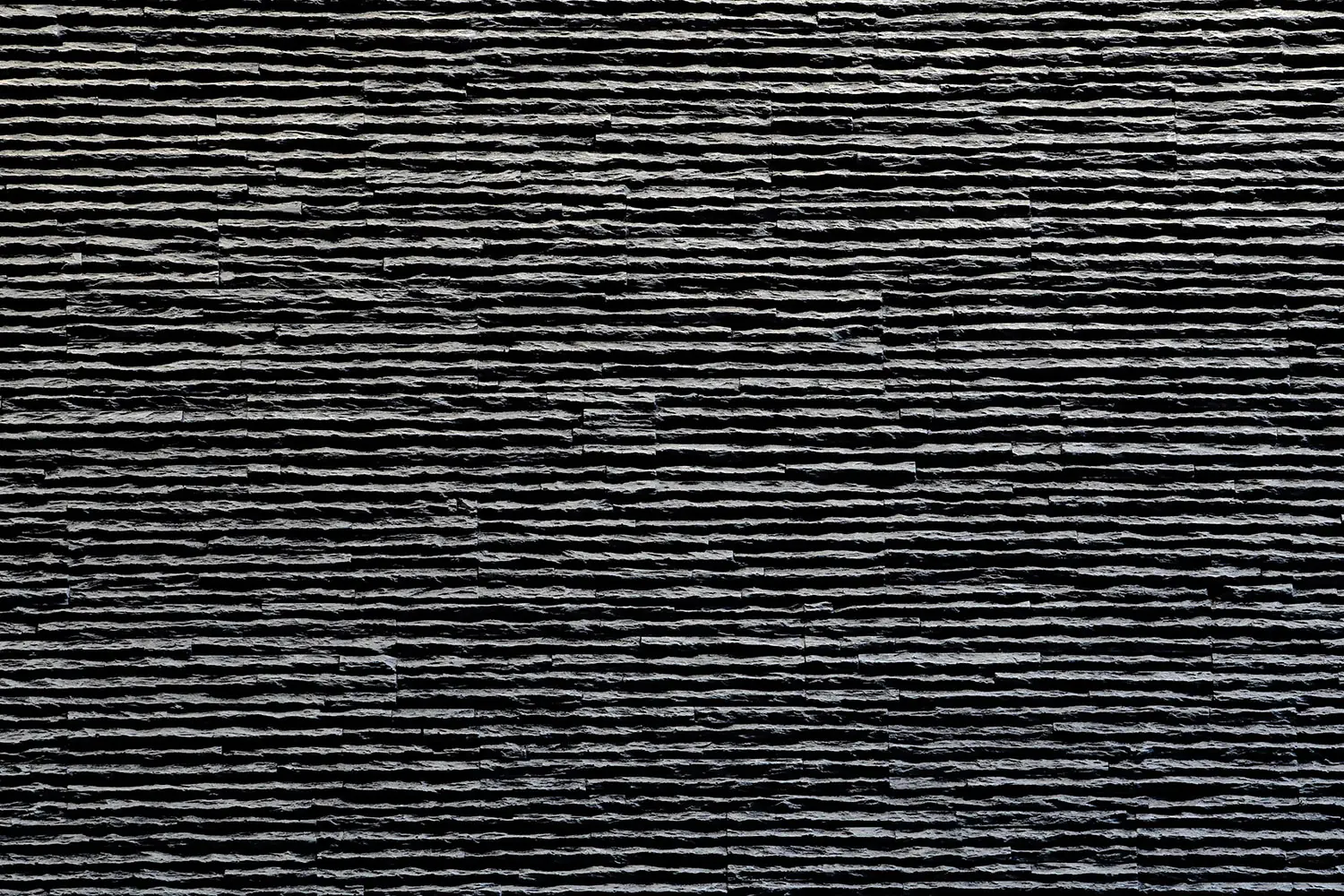
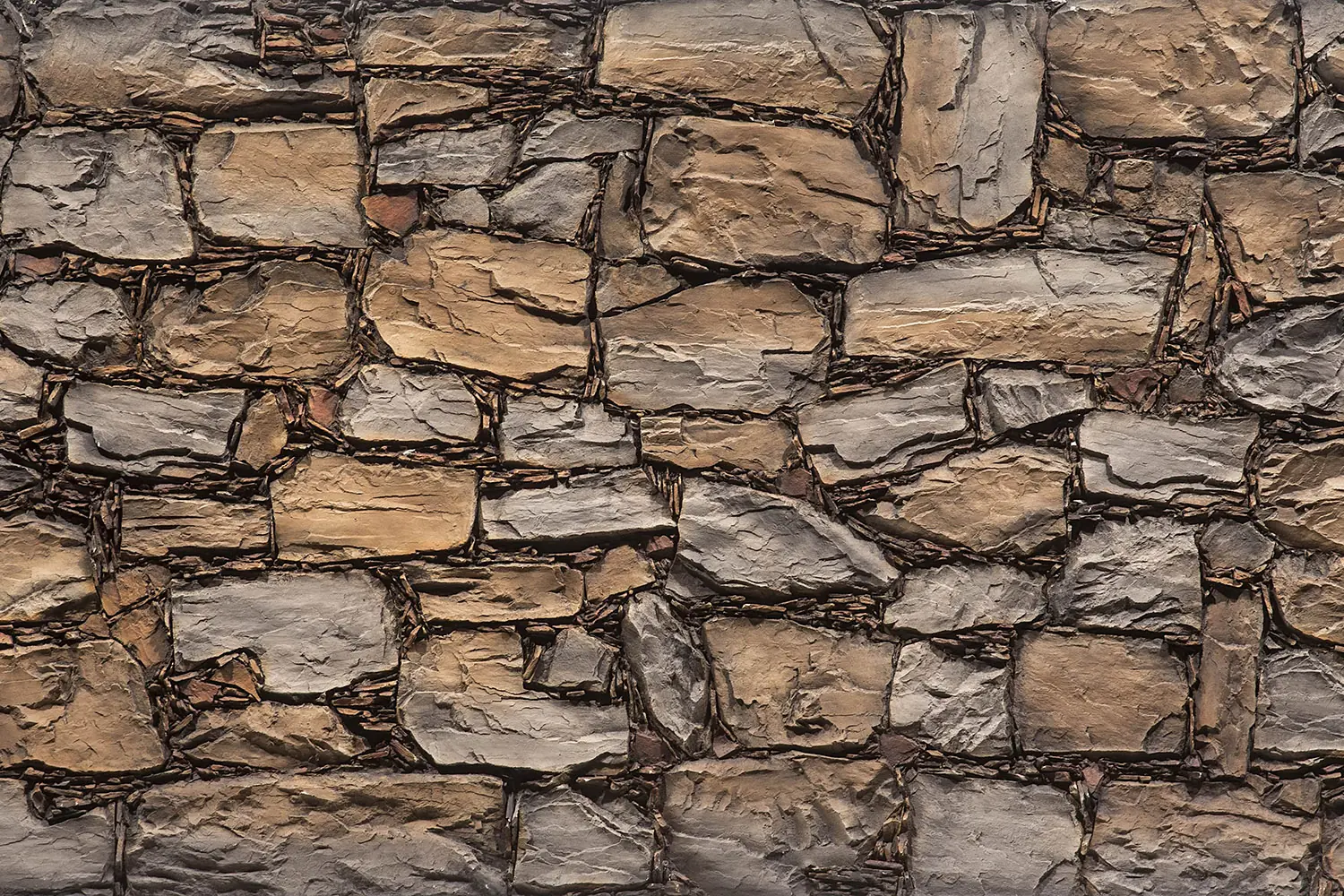
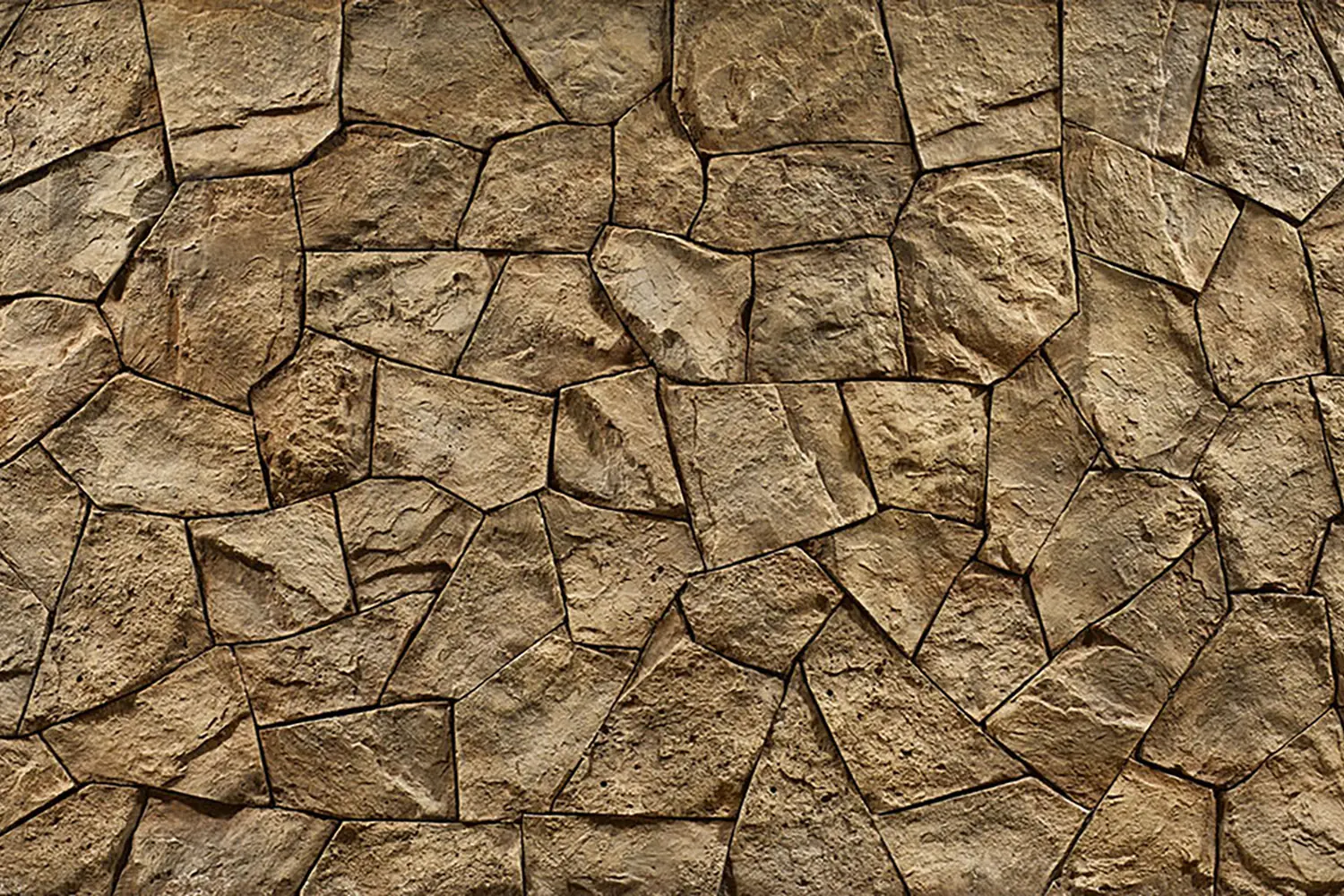
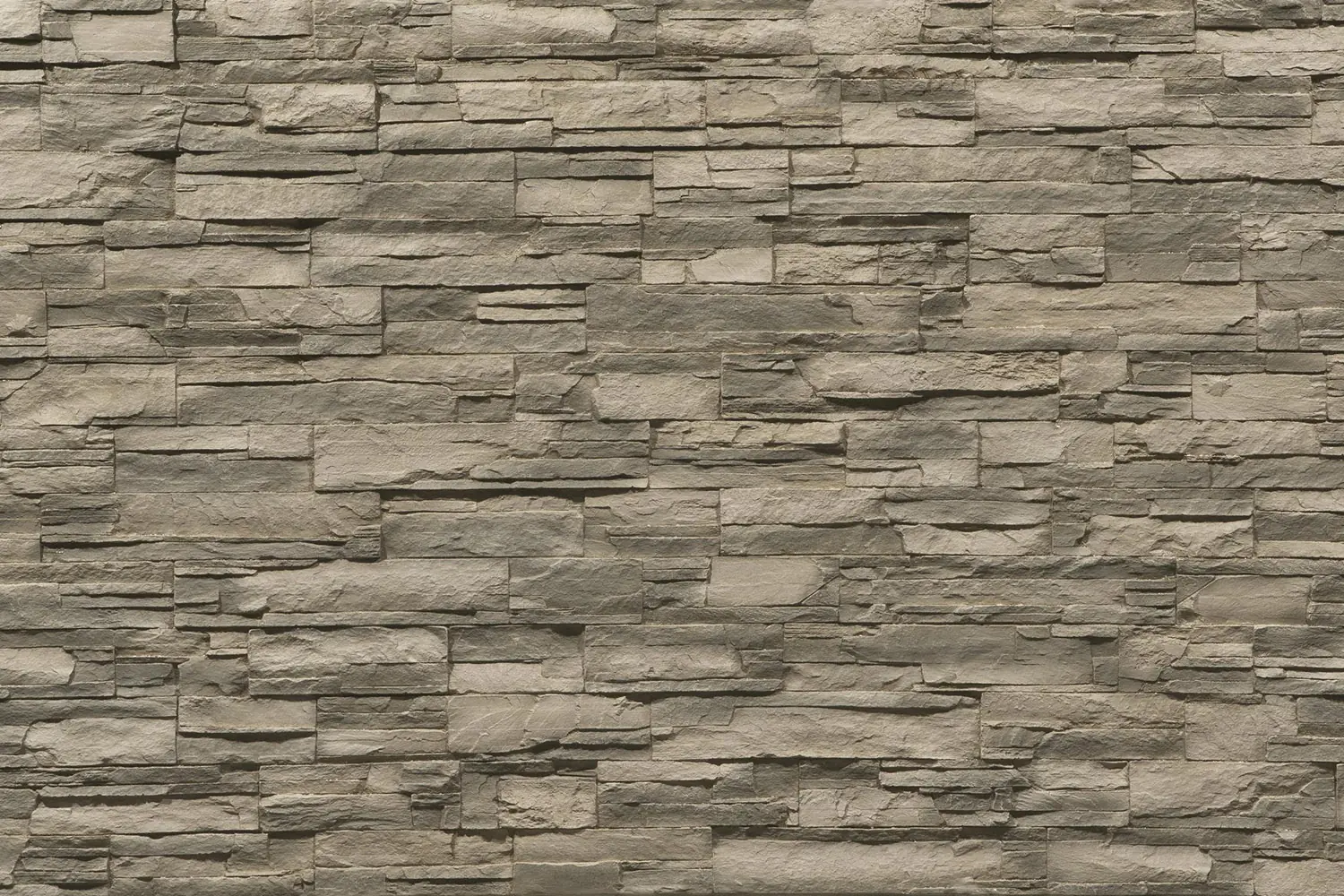
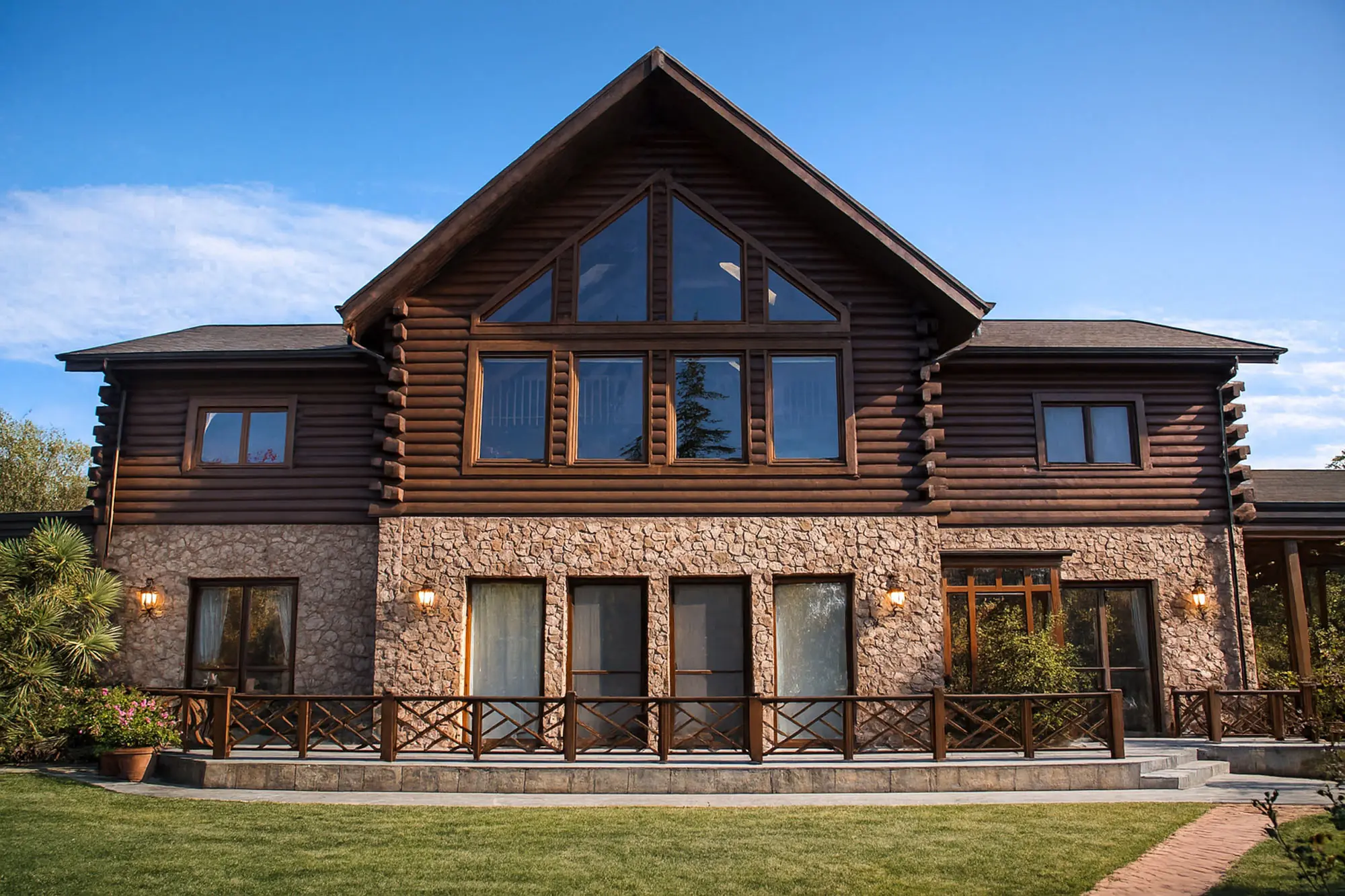
Lastra stone wall panel brings the character of historic stone masonry into contemporary architecture through irregular stone forms, varied dimensions, tactile roughness, and pronounced three-dimensional depth. Its design draws on the visual language associated with Roman and Byzantine stone construction while translating that historical reference into a surface suitable for modern architectural environments.
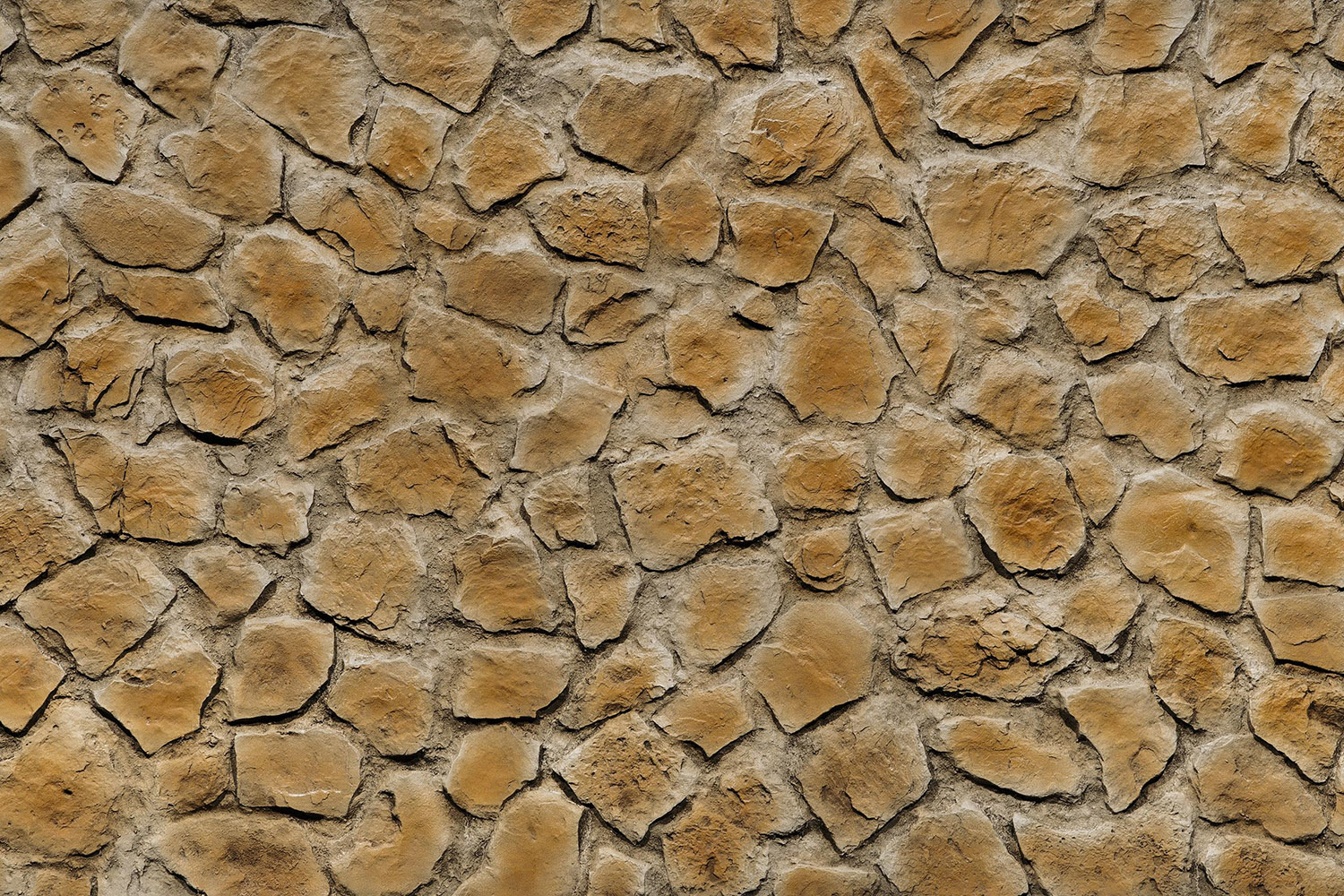
The irregular arrangement of the stones is central to the design. Different shapes and surface transitions prevent the wall from appearing mechanically uniform, giving the overall composition a more natural and established architectural character.
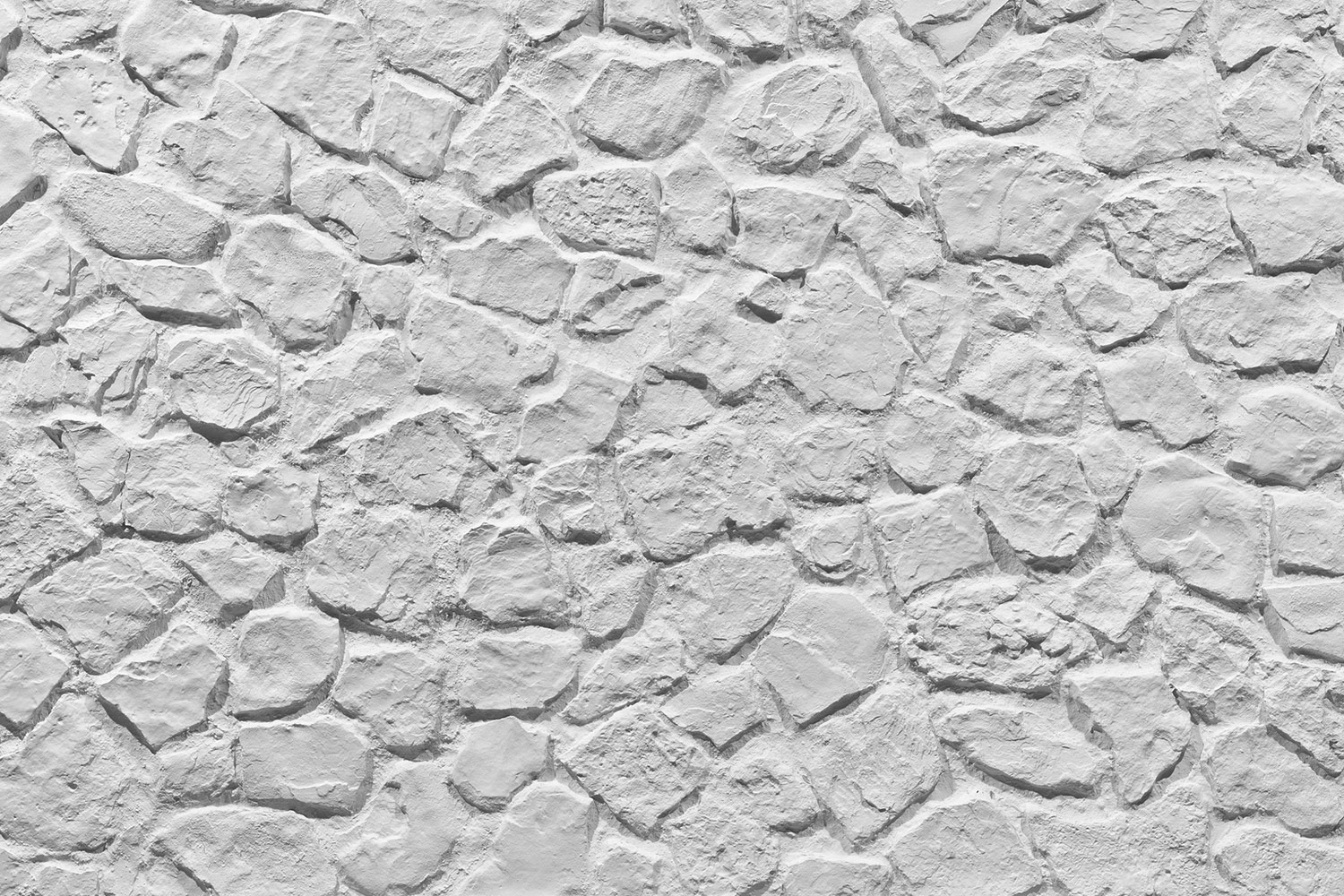
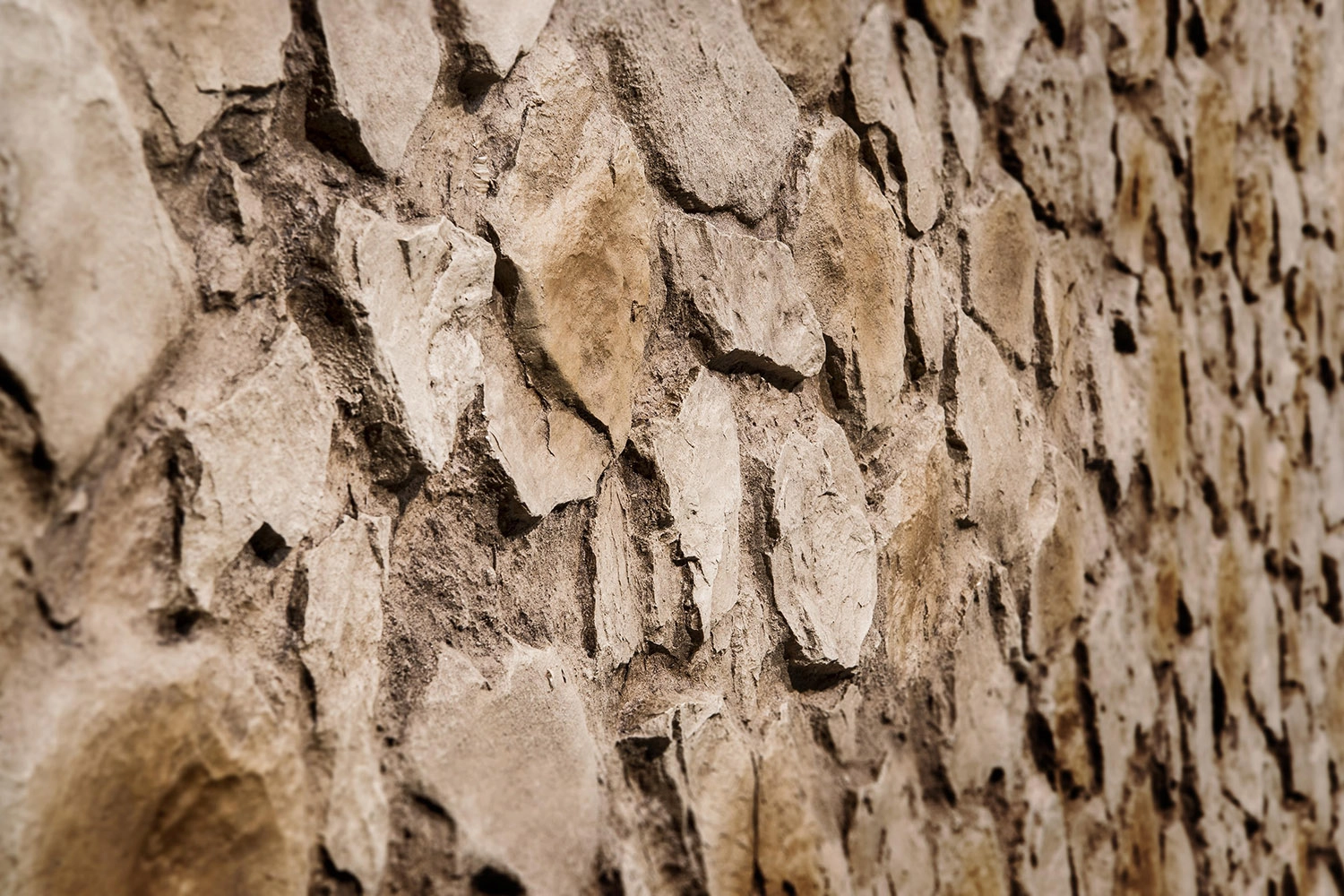
Its natural stone texture becomes more expressive as light changes across the surface. Projecting areas receive stronger highlights, while recessed spaces between the stones create deeper shadows and emphasize the dimensional structure.
Under softer ambient lighting, these contrasts become more restrained. The individual forms remain visible, but the wall gains a calmer appearance that works well with contemporary interiors as well as more rustic architectural concepts.
As an irregular stone wall panel, Lastra creates visual richness through variation rather than repetitive geometry. The stone forms differ in scale and relief, allowing the surface to feel naturally constructed without depending on ornamental decoration.
This makes the design particularly effective where architecture requires warmth and material character. Timber can reinforce the more traditional side of the surface, while metal, glass, concrete, and smooth plaster establish a more contemporary contrast.
Lastra stone wall panel belongs to Artstone’s Stone Series and is classified as Stone. Current style classifications include Mediterranean, organic natural, rustic, and Scandinavian approaches.
The panel measures approximately 298 × 131 cm, with a listed thickness of around 12–20 mm and a current listed weight of approximately 6–7 kg/m².
Its large-format dimensions allow the irregular masonry composition to continue across broad architectural surfaces with fewer visible interruptions. This helps the stone arrangement read as a unified material surface rather than a sequence of small decorative elements.
In residential interiors, Lastra can bring architectural depth to living spaces, entrance areas, staircases, and feature walls. The irregular stone forms create warmth while modern furniture and restrained detailing keep the overall atmosphere contemporary.
Hospitality environments can use Lastra stone wall panel in restaurants, hotels, lounges, reception areas, and circulation spaces. Directional lighting can make the deeper sections more pronounced, while softer illumination creates a more subdued stone backdrop.
Office, showroom, and retail environments can also benefit from its natural material language. Used beside cleaner architectural finishes, the surface introduces a tactile contrast without overwhelming furniture, products, graphics, or lighting.
Among decorative wall panels, Lastra is distinguished by its irregular stone composition and strong masonry reference. Its visual identity comes from variations in shape, depth, and surface character rather than from repeated geometric forms.
Current product data confirms that Lastra is suitable for both interior and exterior architectural applications. Ceilings, exterior surfaces, residences, cafés and restaurants, hotels and spas, offices, showrooms, stores, and sports and wellness environments are included among its listed usage areas.
Lastra stone wall panel uses a fiberglass-reinforced composite body formed with stone powder, special resins, and fiberglass according to the current technical description. This construction is designed to provide a workable and durable alternative to heavier conventional stone cladding systems.
The same technical information lists a surface relief depth of approximately 14–20 mm. This dimensional range supports the strong light-and-shadow behavior that gives the wall its distinctly three-dimensional appearance.
Its material composition and protective surface system are developed for resistance to water, moisture, frost, and UV radiation. Current technical information supports use on exterior architectural surfaces such as balconies, garden walls, and other suitable outdoor applications.
The panel is also described as resistant to impact and mechanical stress, helping preserve the stability of the surface during long-term architectural use.
Installation is carried out with a screw-and-anchor mechanical fastening method. This system supports applications ranging from interior walls and ceilings to columns, niches, and exterior architectural surfaces.
The comparatively low panel weight also reduces structural load compared with traditional solid stone applications. This is particularly useful across large areas where the appearance of substantial masonry is desired without reproducing the full mass of conventional stone construction.
The irregular stone wall panel character becomes especially noticeable under grazing light. Shadows gather around deeper stone transitions, increasing the perceived depth and making individual forms more sculptural.
With broader ambient illumination, the same natural stone texture appears softer and more continuous. This allows designers to control how dramatic or understated the wall feels through lighting rather than changing the material itself.
Viewing distance adds another layer to the experience. From farther away, the wall reads as a broad historic masonry composition; at close range, smaller surface irregularities, edge transitions, and depth variations become more visible.
This makes Lastra effective both on large architectural surfaces and on more focused feature areas. Expansive installations emphasize the masonry character, while smaller walls highlight the detail within individual stone forms.
Among decorative wall panels, this relationship between historic reference and contemporary scale gives Lastra a distinctive position. The surface feels connected to traditional stone construction while remaining compatible with modern furniture, lighting, and architectural detailing.
Lastra stone wall panel ultimately combines irregular masonry forms, natural stone texture, dimensional relief, and large-format continuity within one architectural surface.
For projects seeking an irregular stone wall panel with historical depth and a warm, natural identity, Lastra offers a distinctive Stone Series solution. Its three-dimensional structure, changing interaction with light, broad application range, and strong masonry character allow the atmosphere of historic stone walls to become part of contemporary architecture.