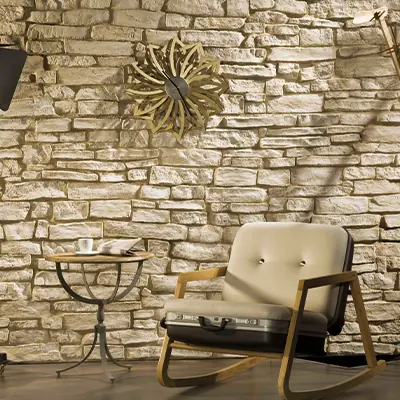
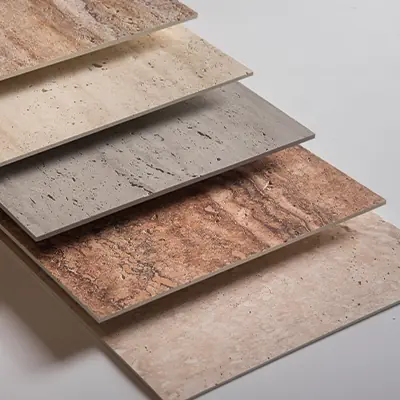
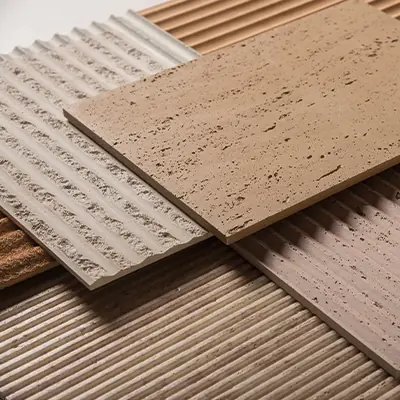
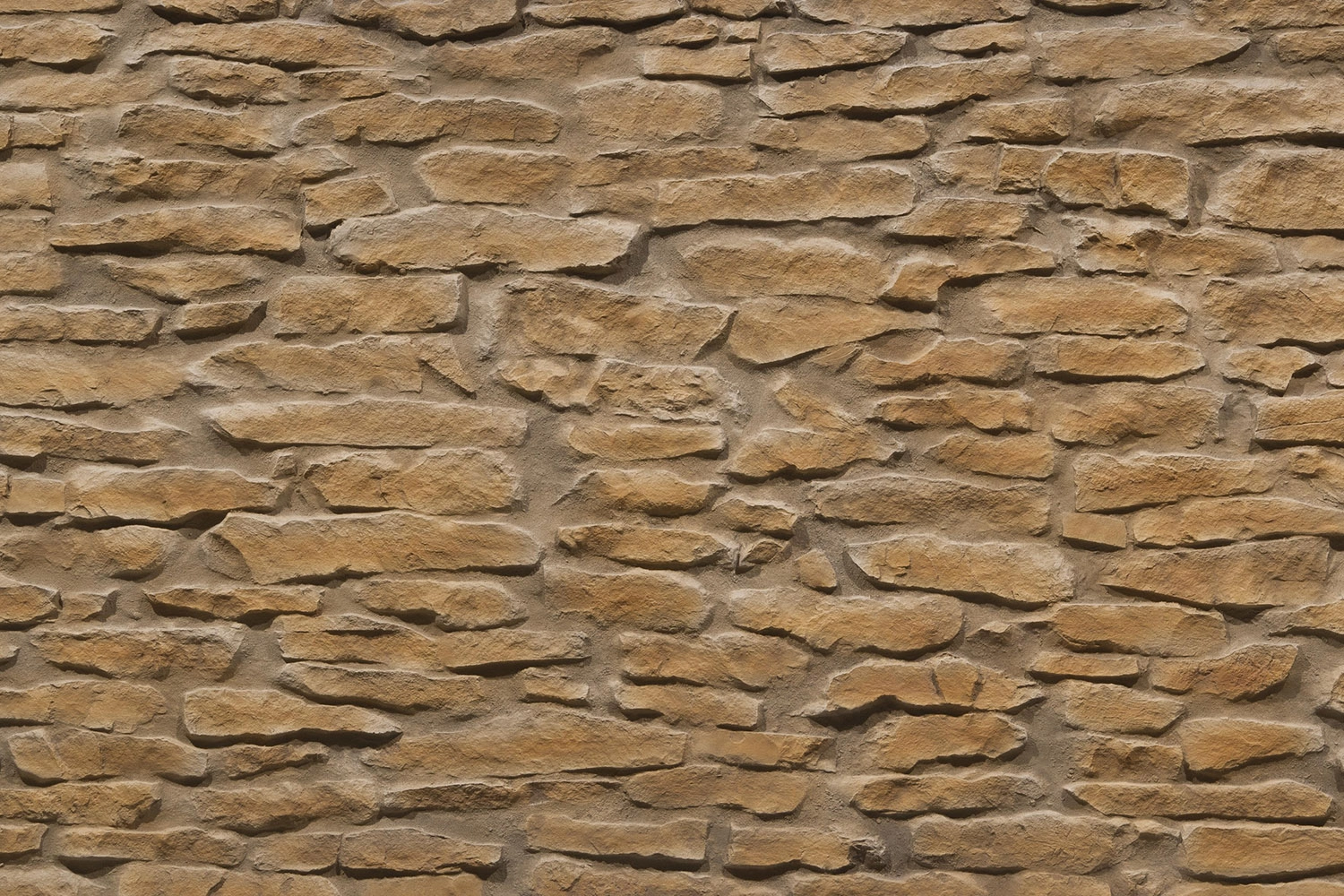
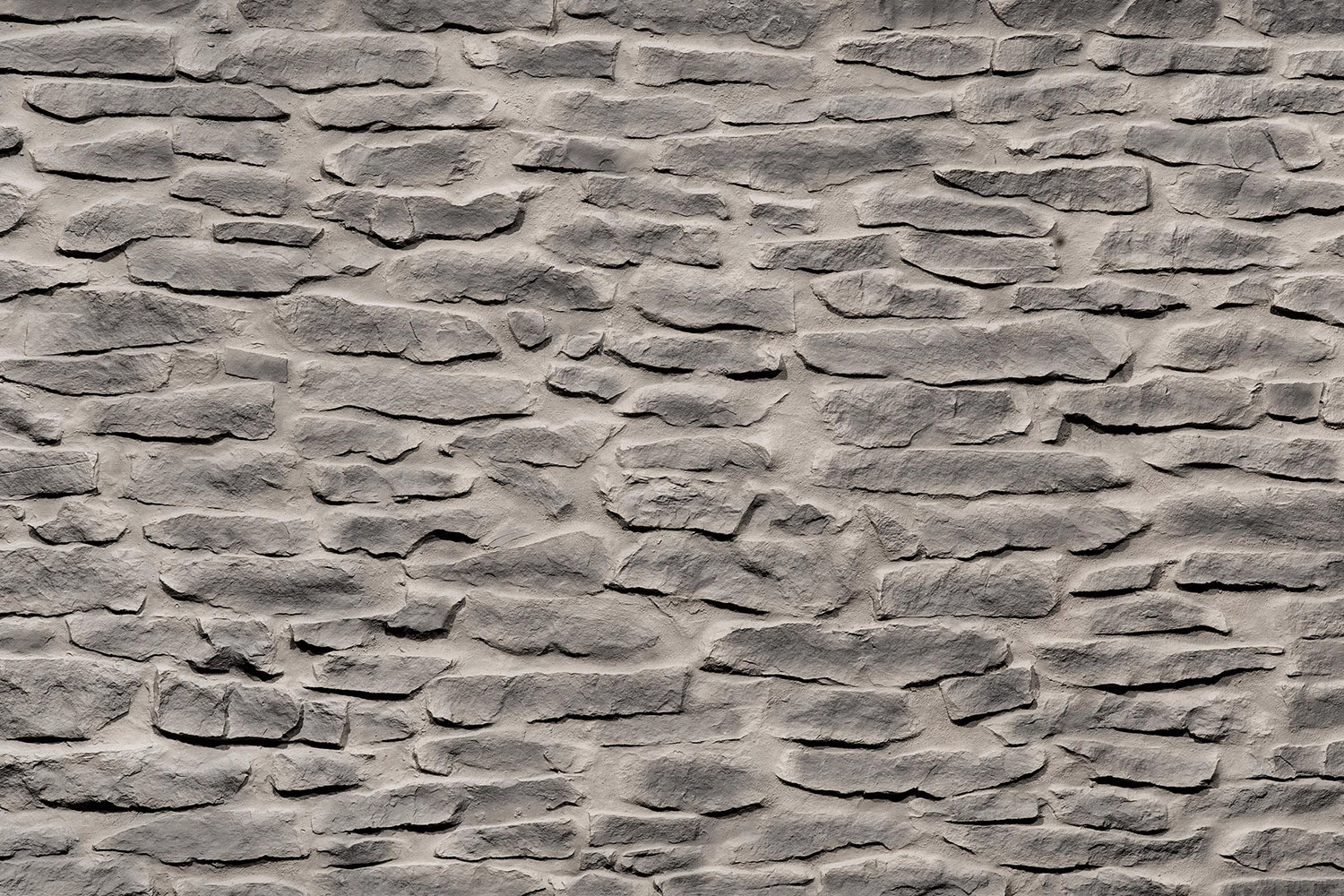
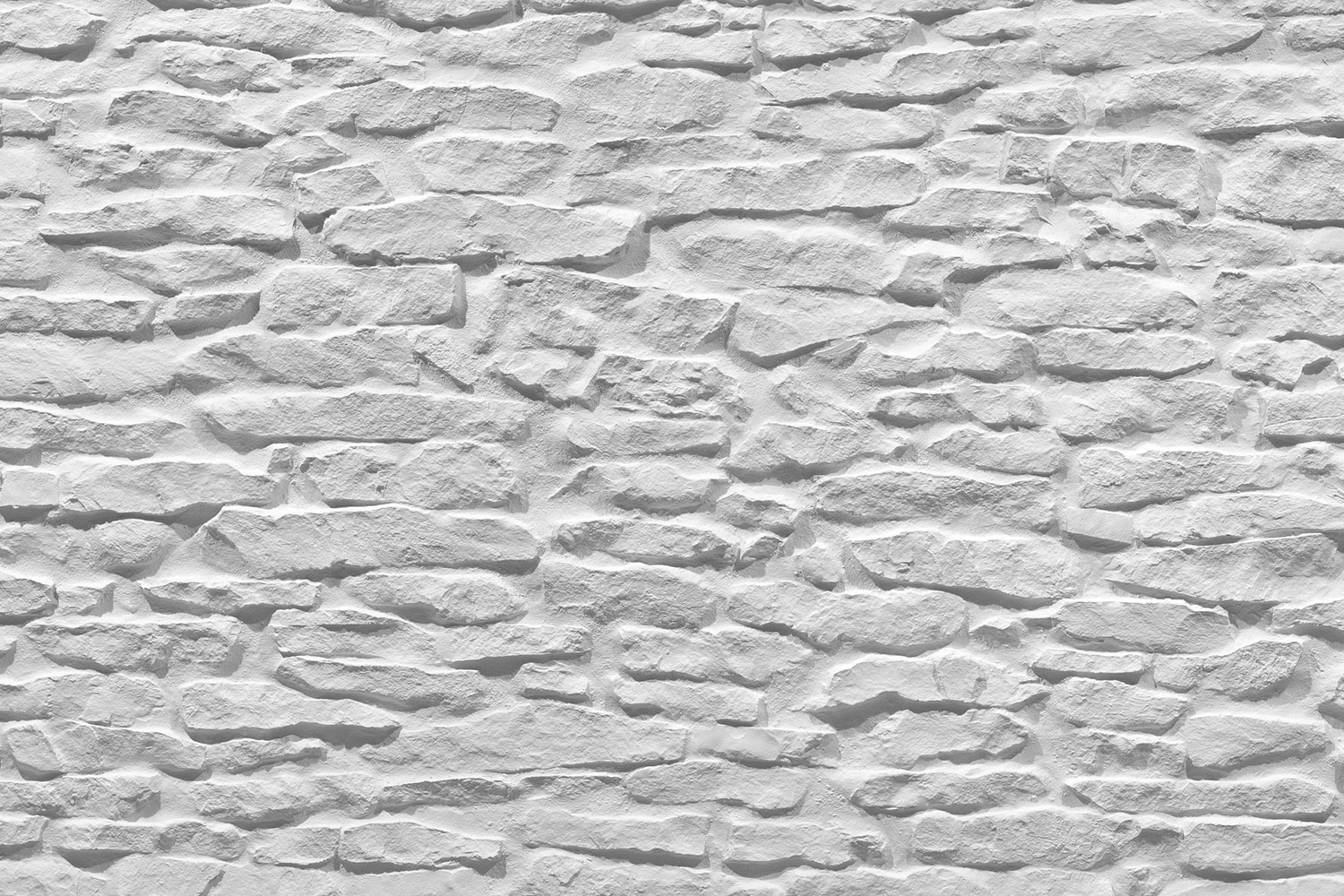
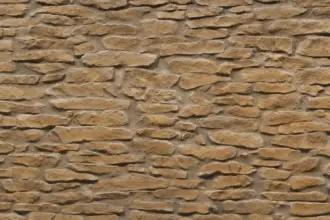
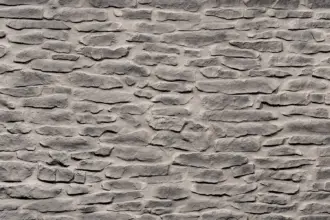
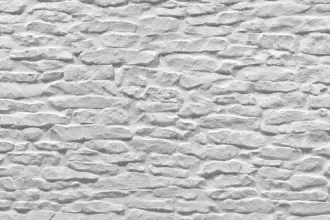
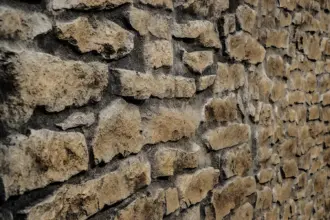
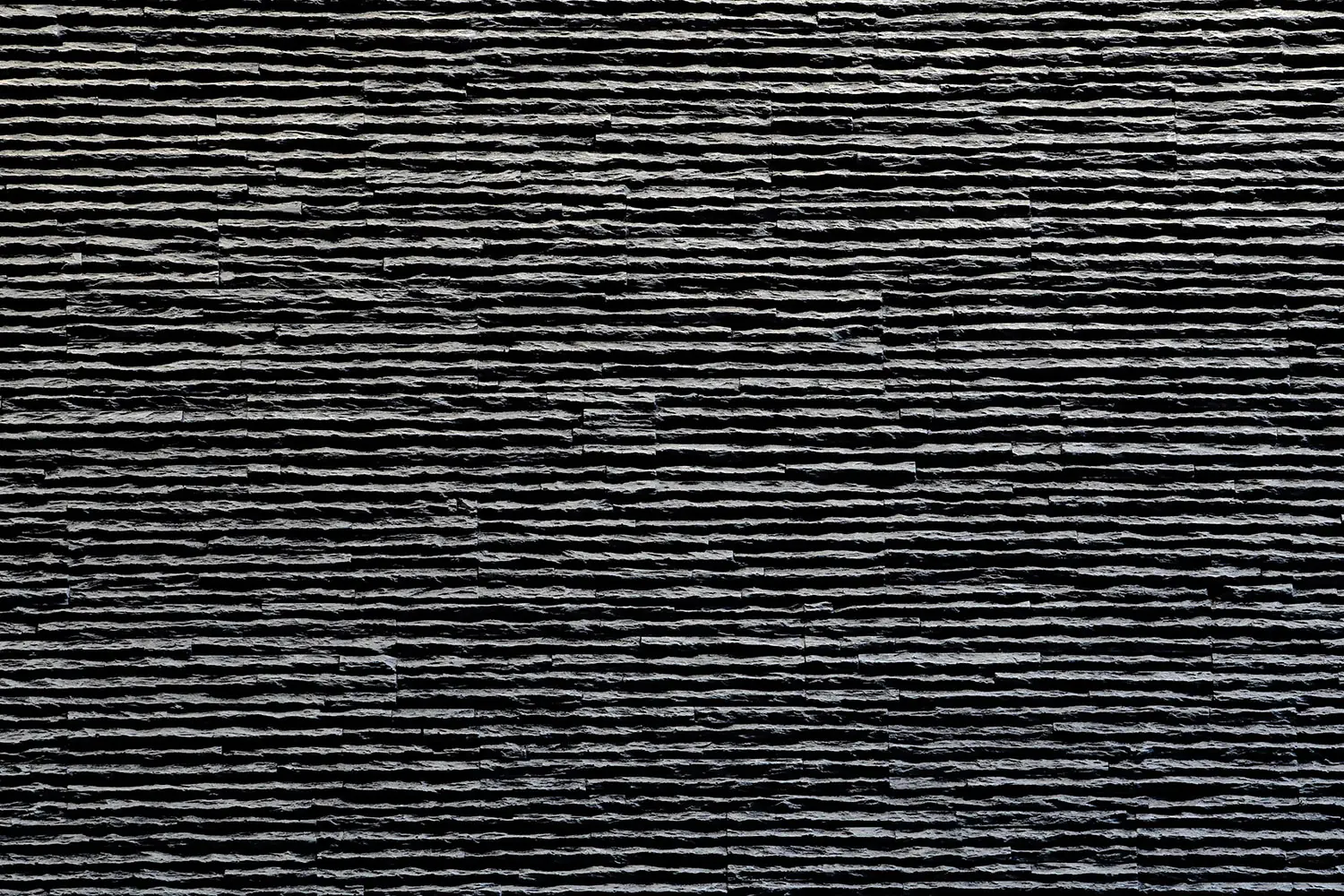
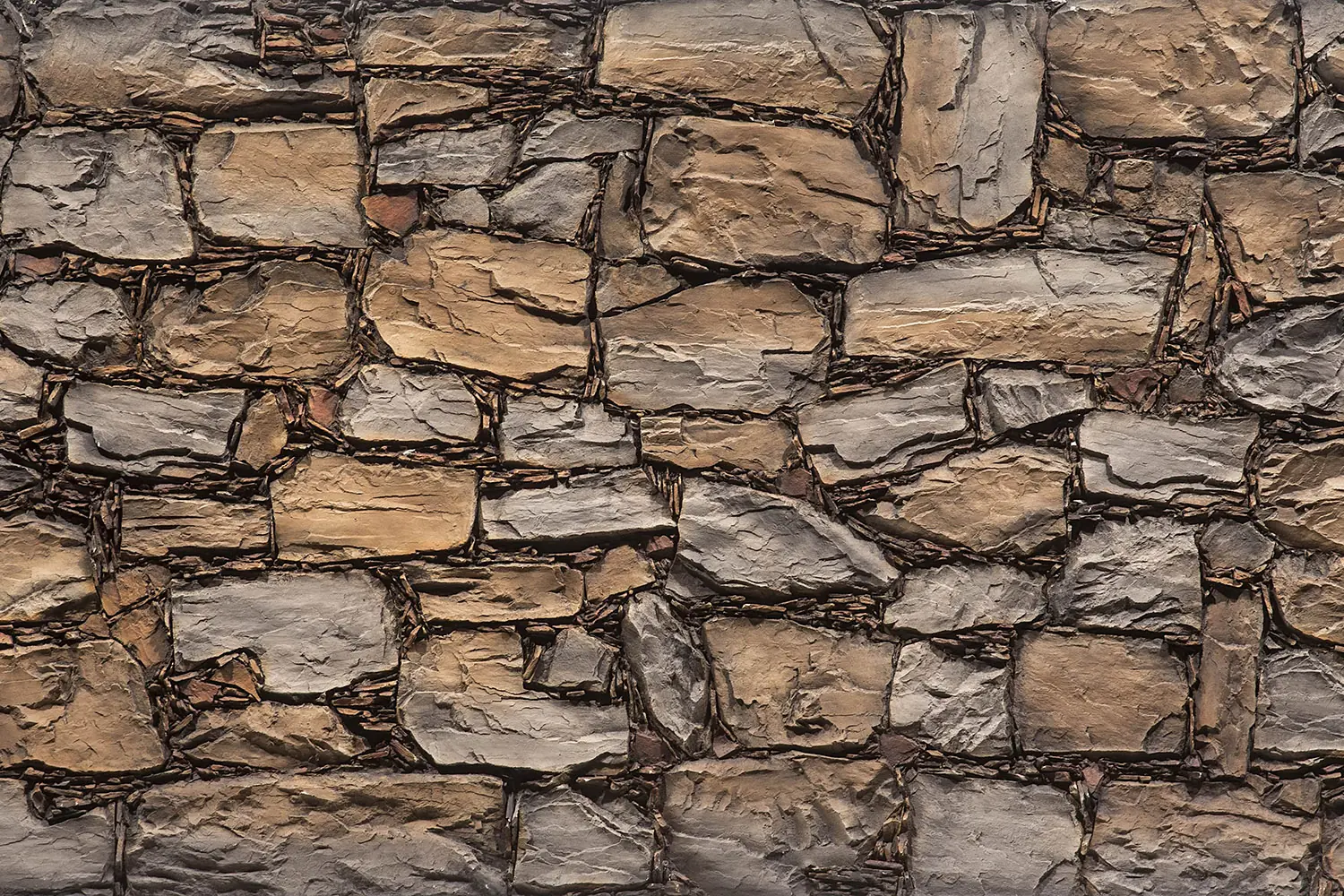
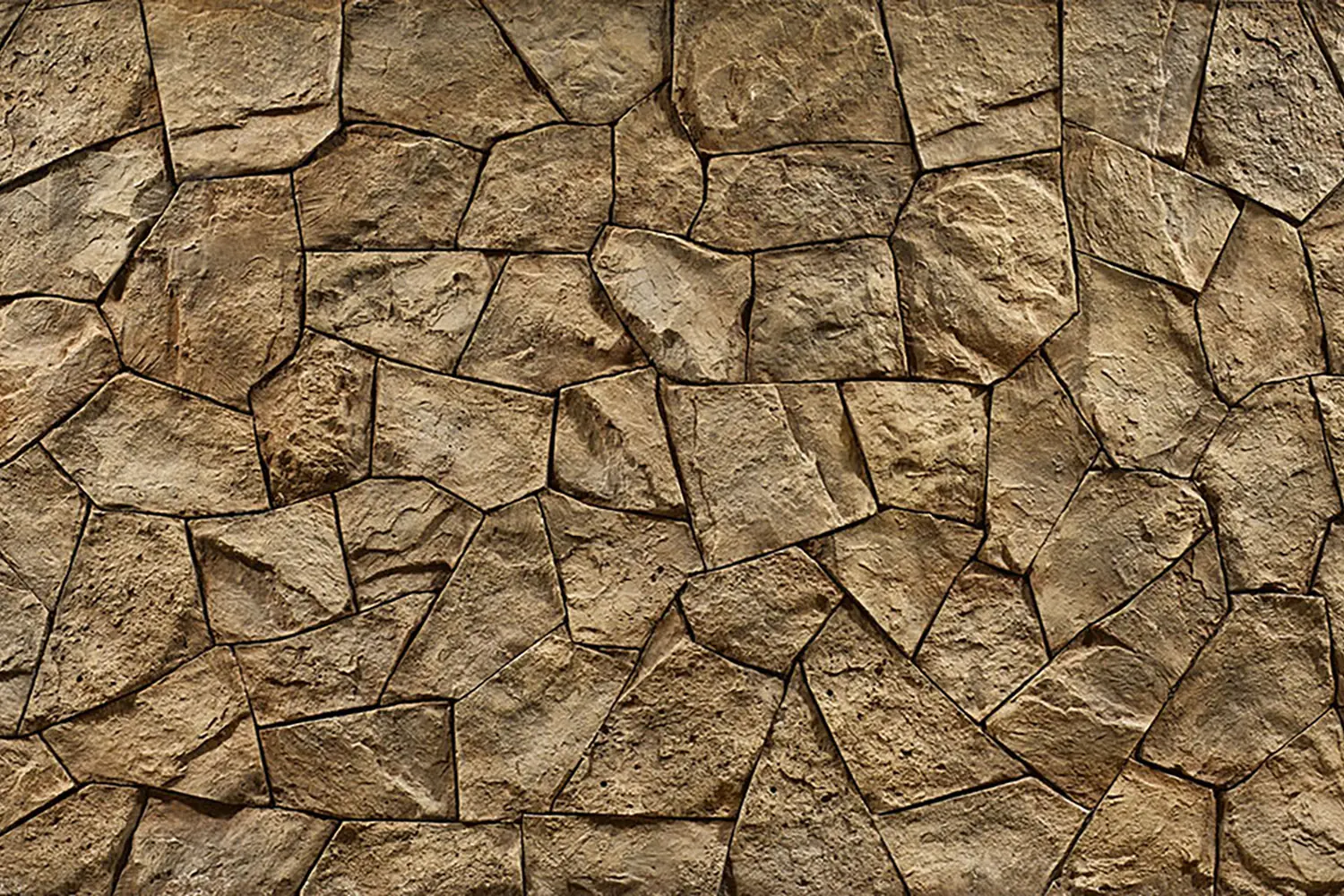
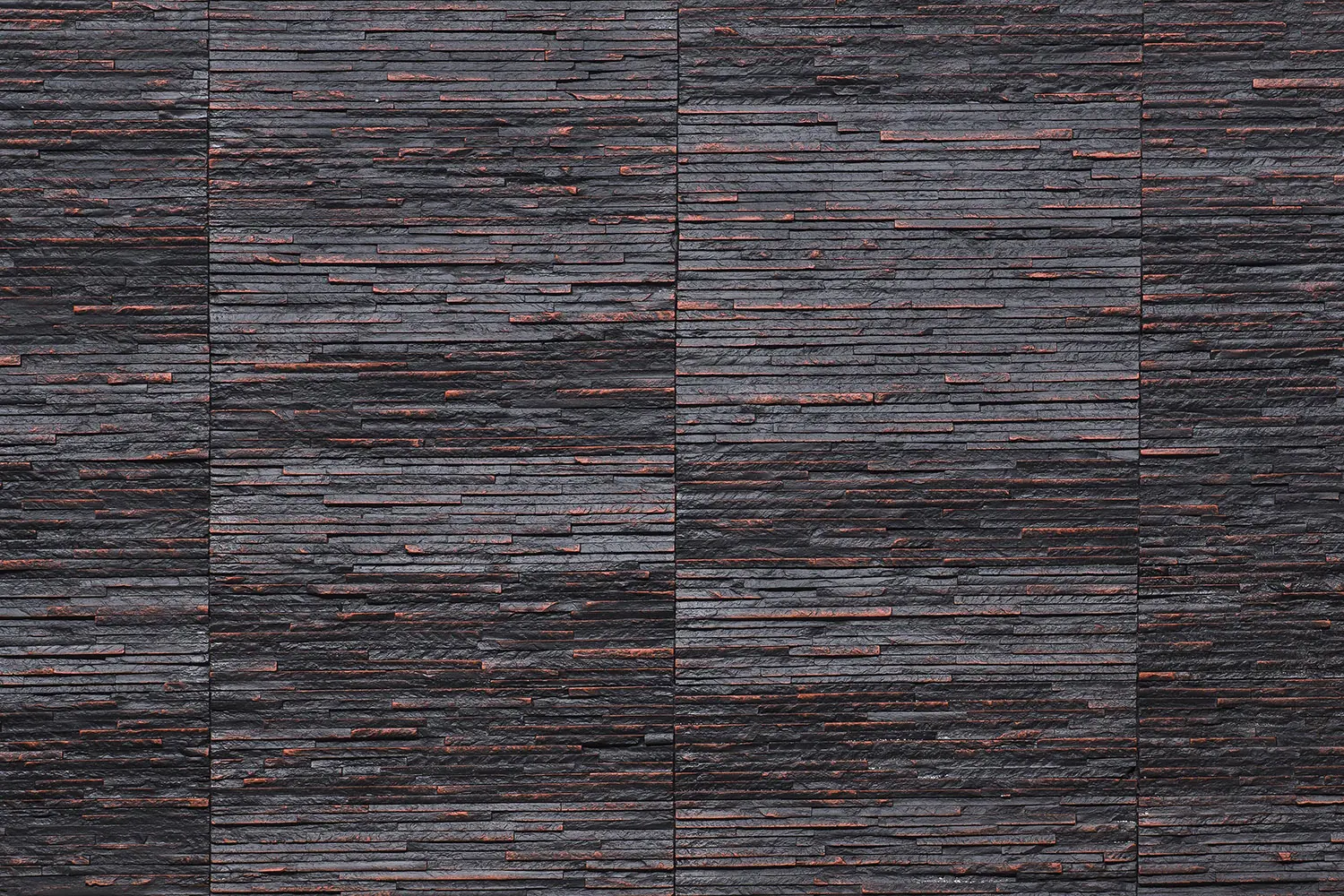
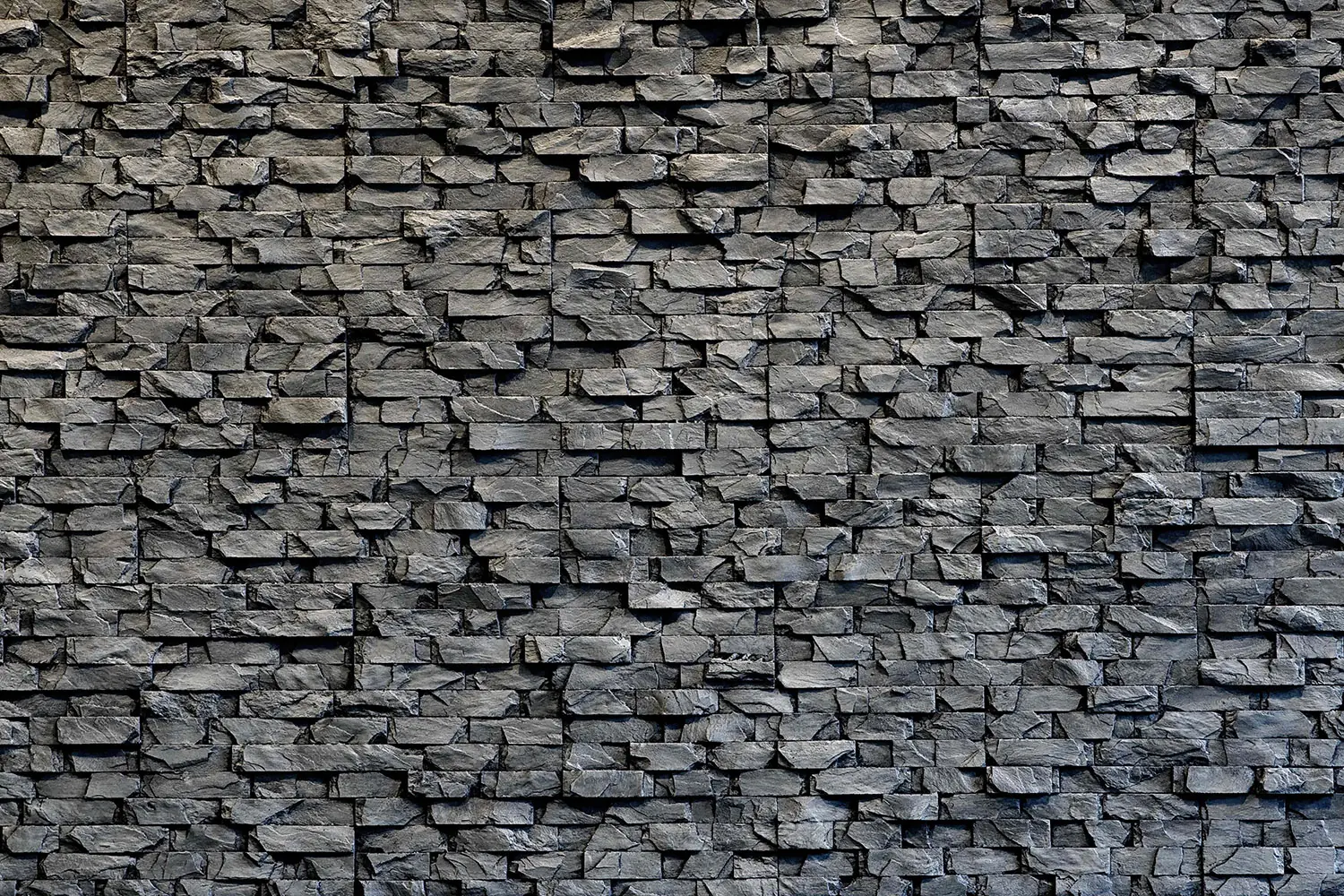
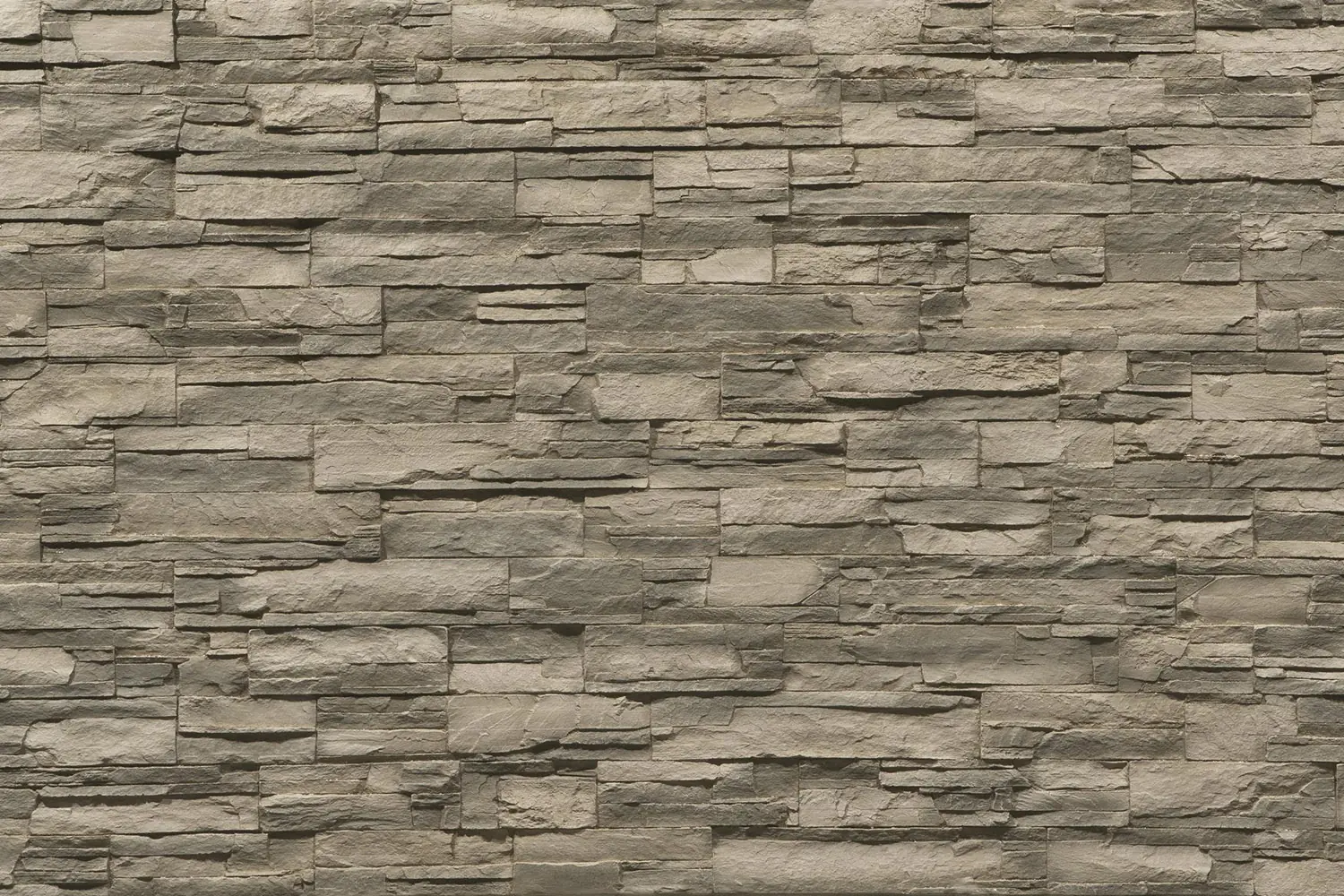
Lajas stone wall panel translates the character of historic masonry into a contemporary architectural surface shaped by irregular stone slabs, broad joints, and naturally changing depth. Inspired by stone wall construction associated with the 7th century, the design connects an ancient architectural language with a cleaner and more refined modern interpretation.
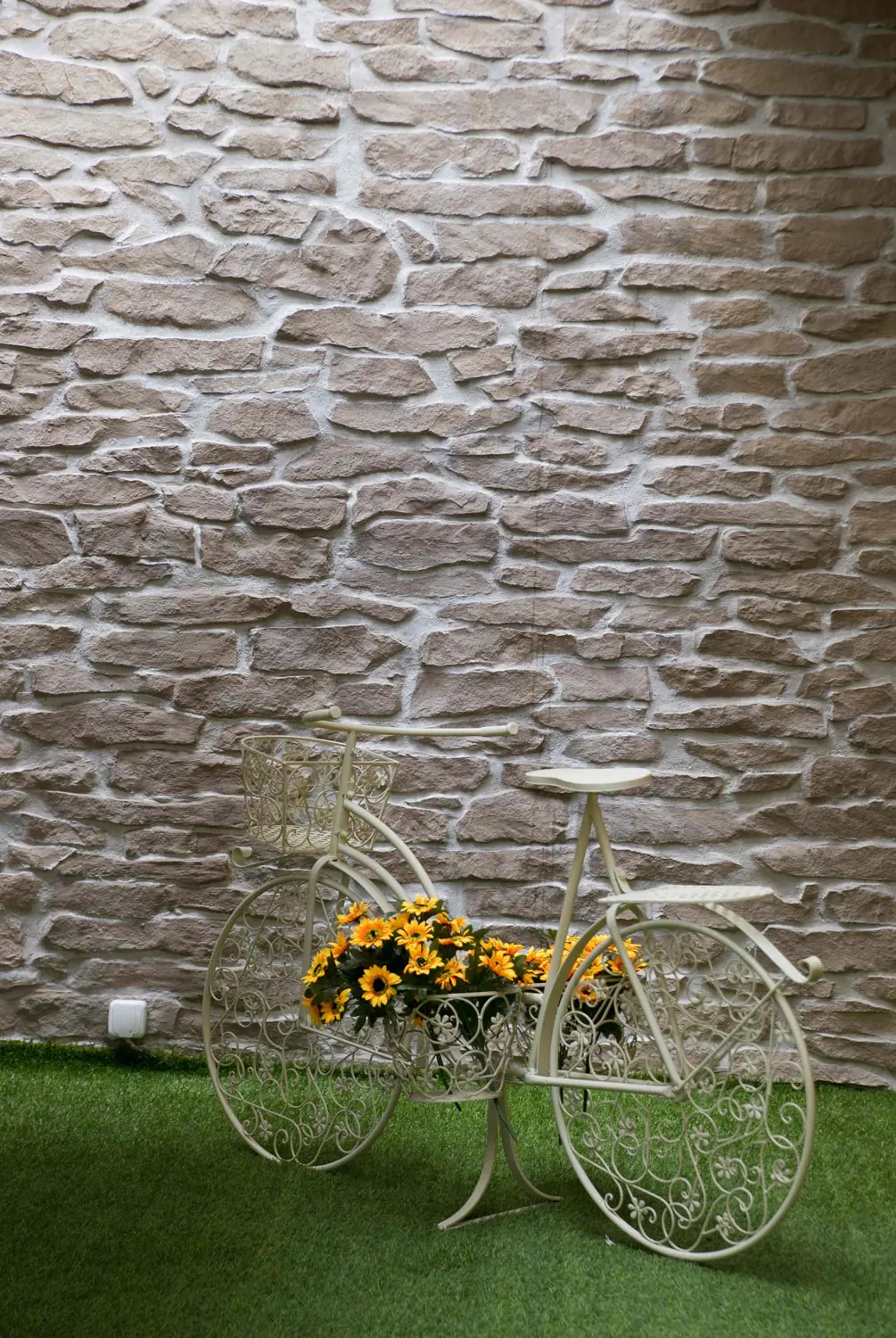
The broad joint structure is one of the defining elements of the design. Clear spaces between the individual stone forms emphasize their shape and depth while allowing the complete surface to maintain a balanced masonry appearance.
Its natural stone 3D texture does not rely on repetitive geometric patterns. Variations in stone form, relief, roughness, and layer transitions create a more authentic material character that feels connected to traditional masonry without appearing overly decorative.
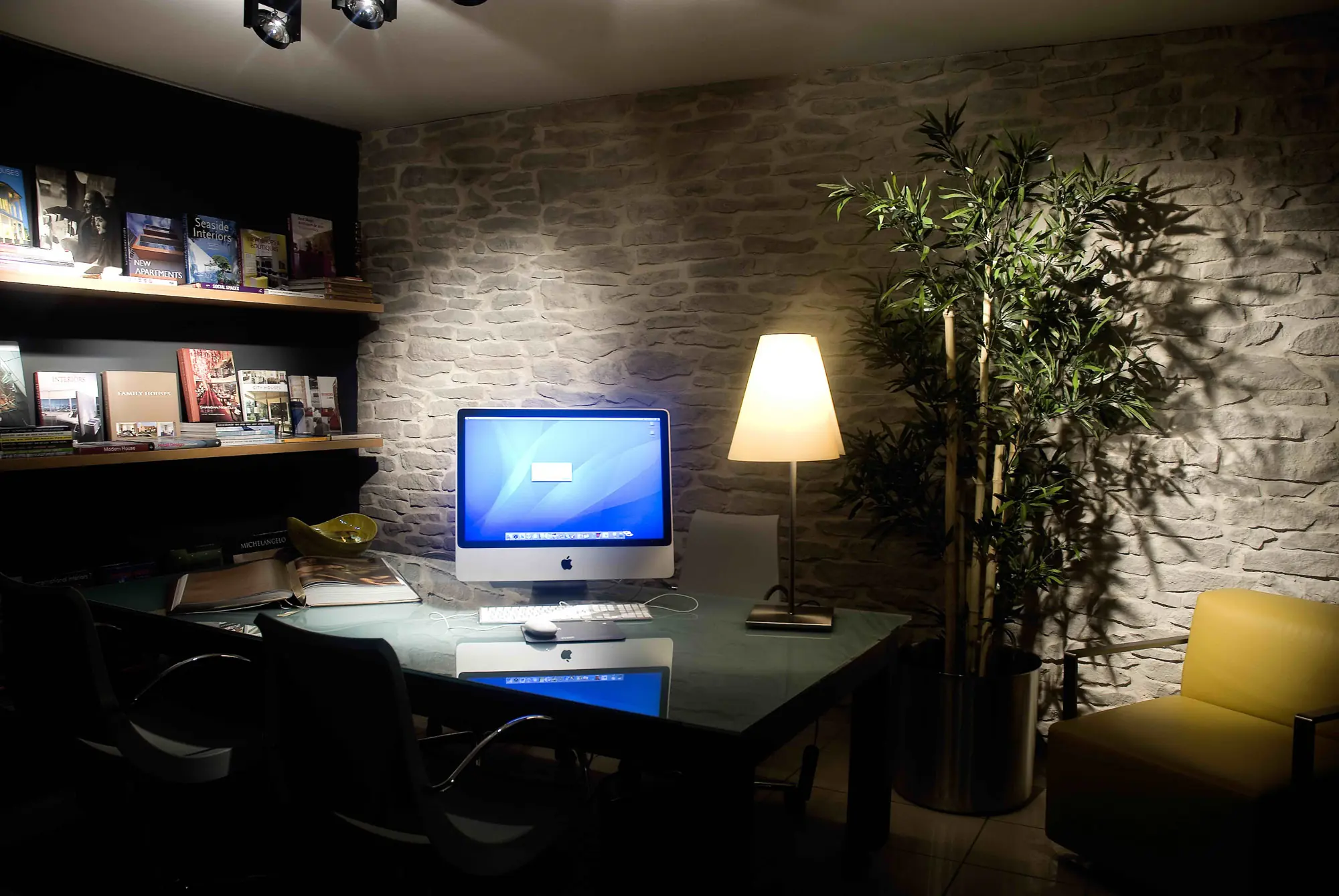
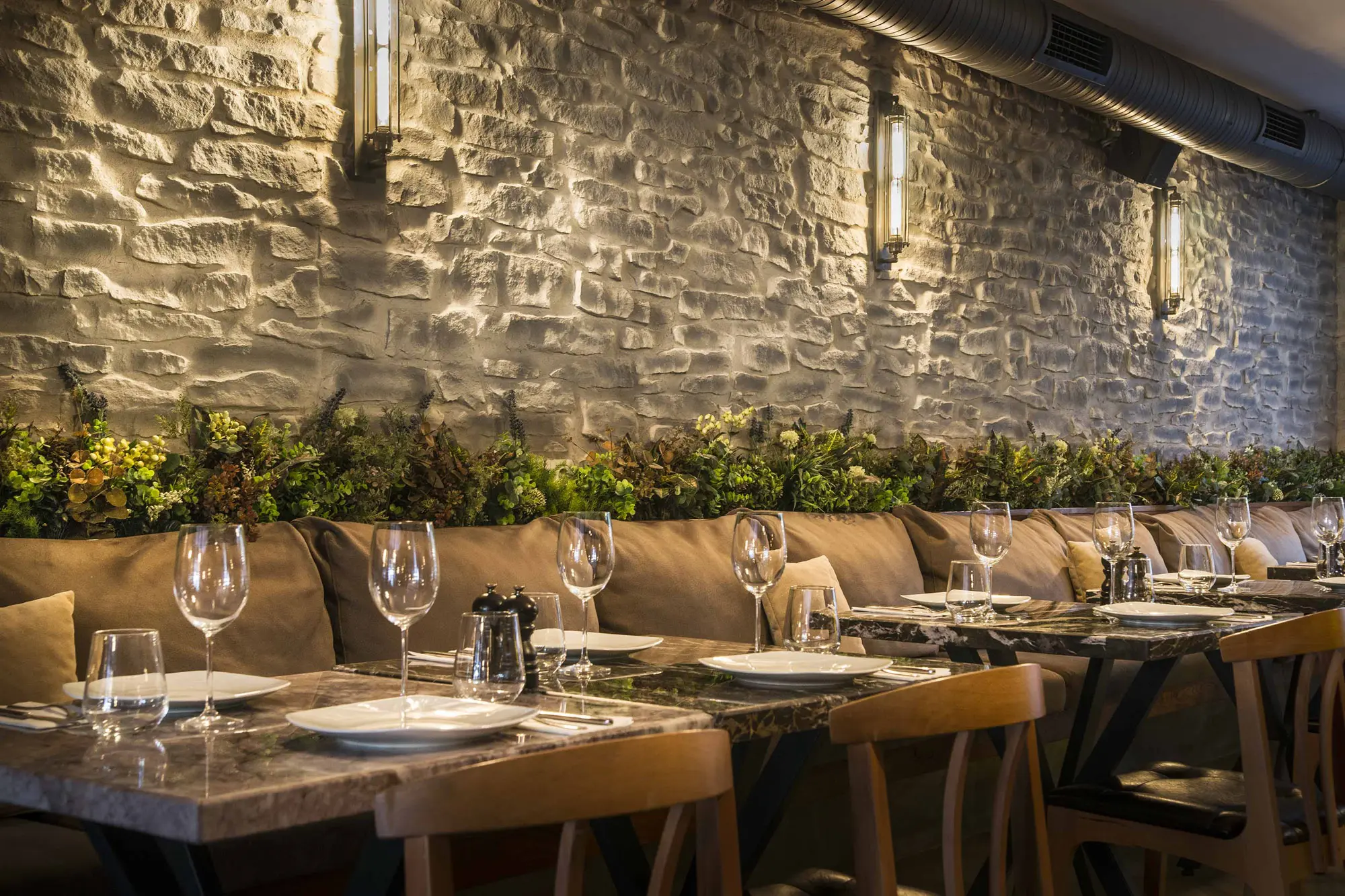
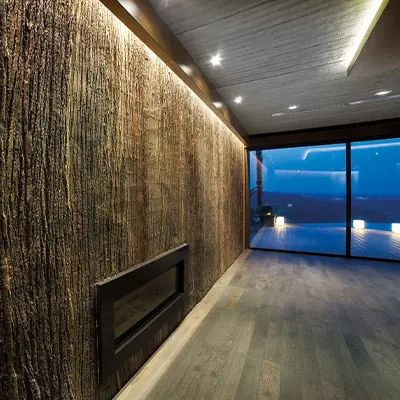
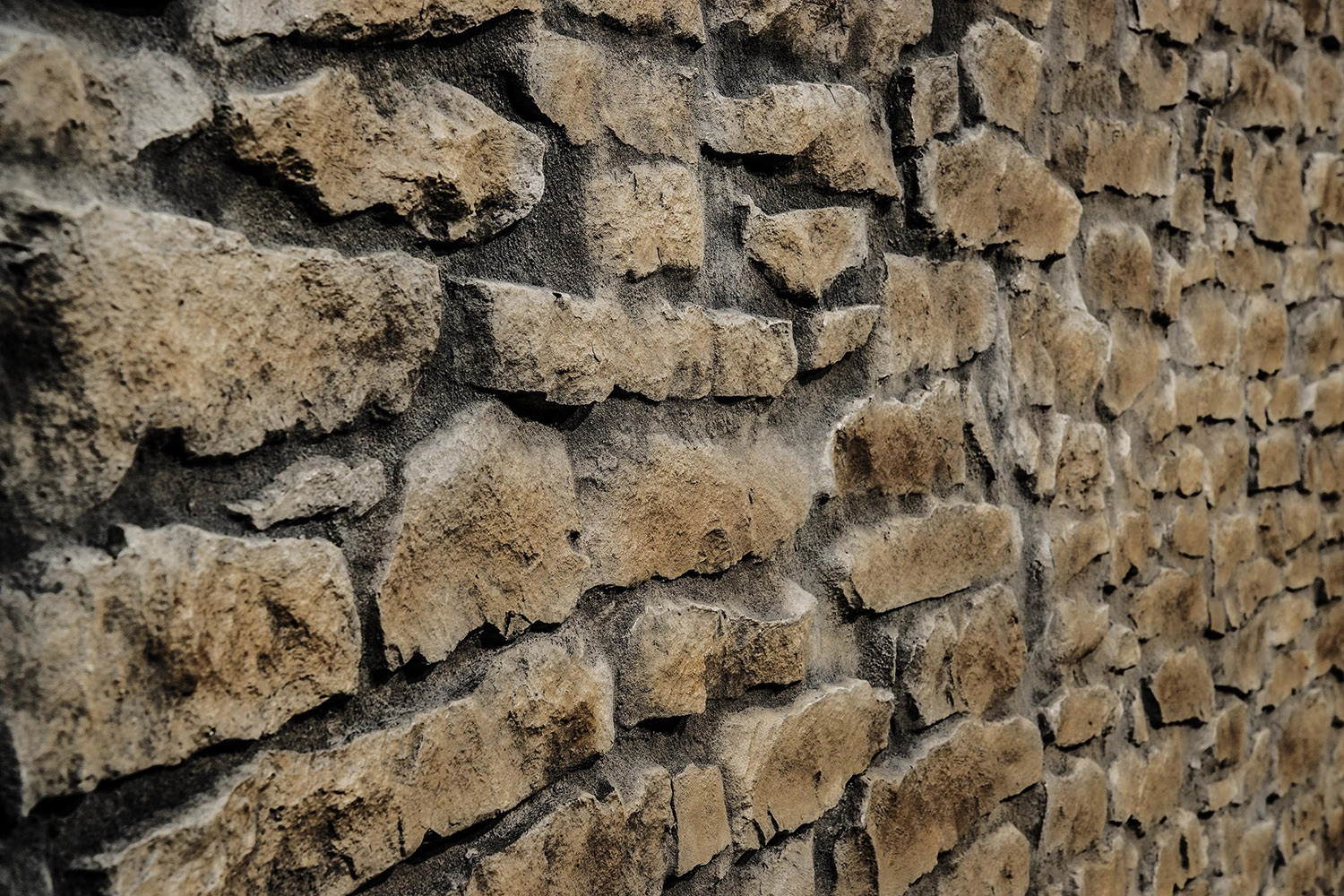
Light plays an important role in revealing these details. Raised sections receive stronger highlights, while recessed joints develop softer shadows. As illumination changes, the surface reveals different levels of depth and gives the wall a more dimensional architectural presence.
Lajas stone wall panel belongs to Artstone’s Stone Series and is currently classified as Stone. Its listed design approaches include Mediterranean, organic natural, rustic, and Scandinavian styles, allowing the surface to adapt to both contemporary and naturally inspired architectural concepts.
The panel measures approximately 302 × 131 cm, with a thickness of around 12–16 mm and a listed weight of approximately 6–6.5 kg/m². Its large dimensions help the stone composition continue across broad surfaces with fewer visual interruptions.
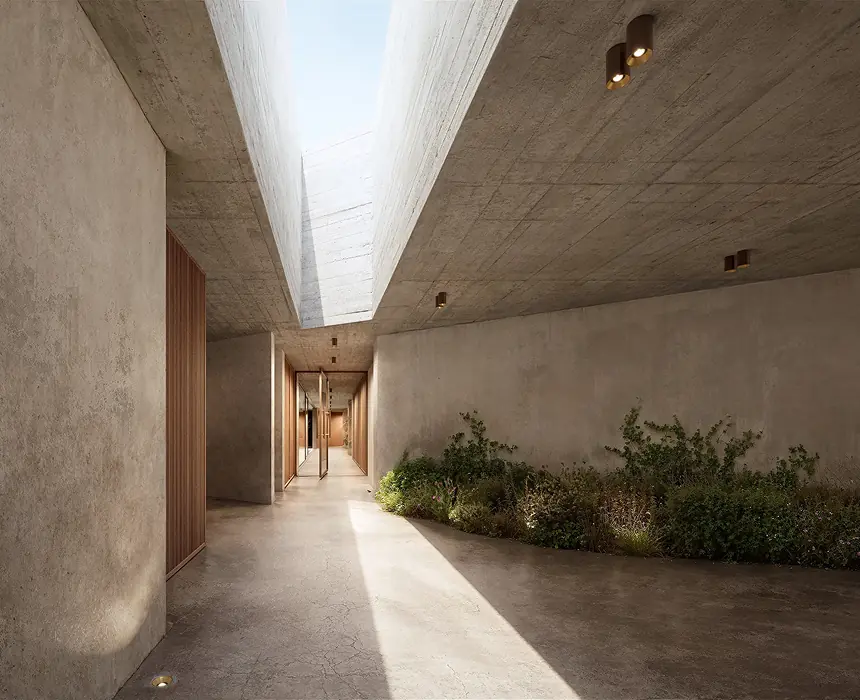
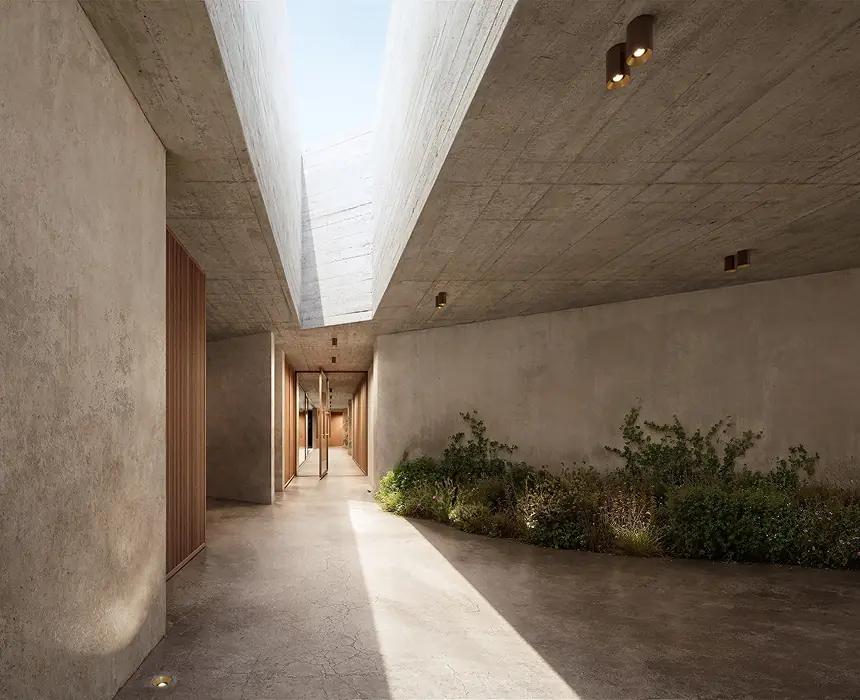
As a stone masonry wall panel, Lajas works especially well in spaces where natural stone character needs to remain calm and architectural. Timber can emphasize its warmer side, while glass, concrete, metal, and smooth plaster can create a more contemporary contrast around the textured surface.
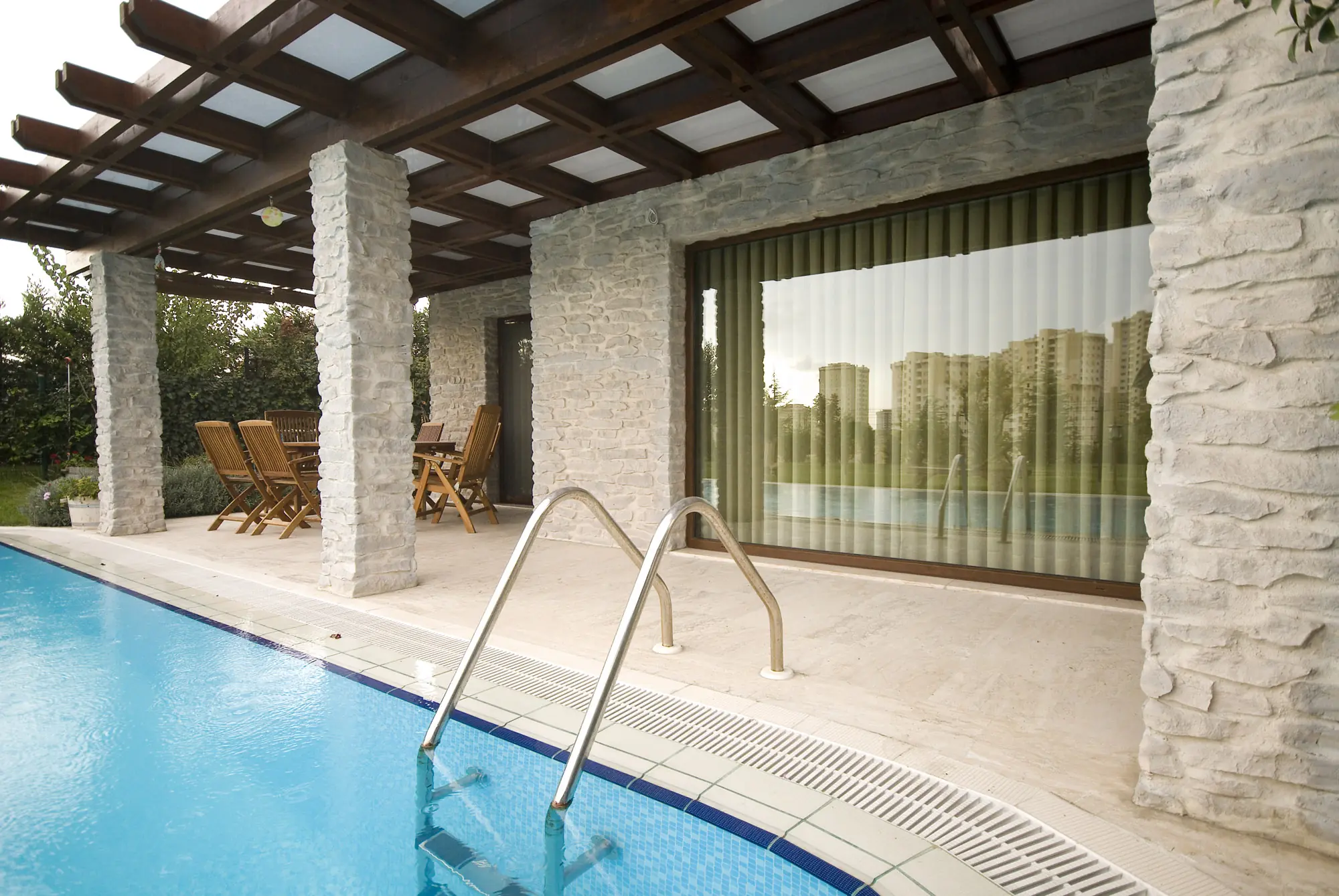
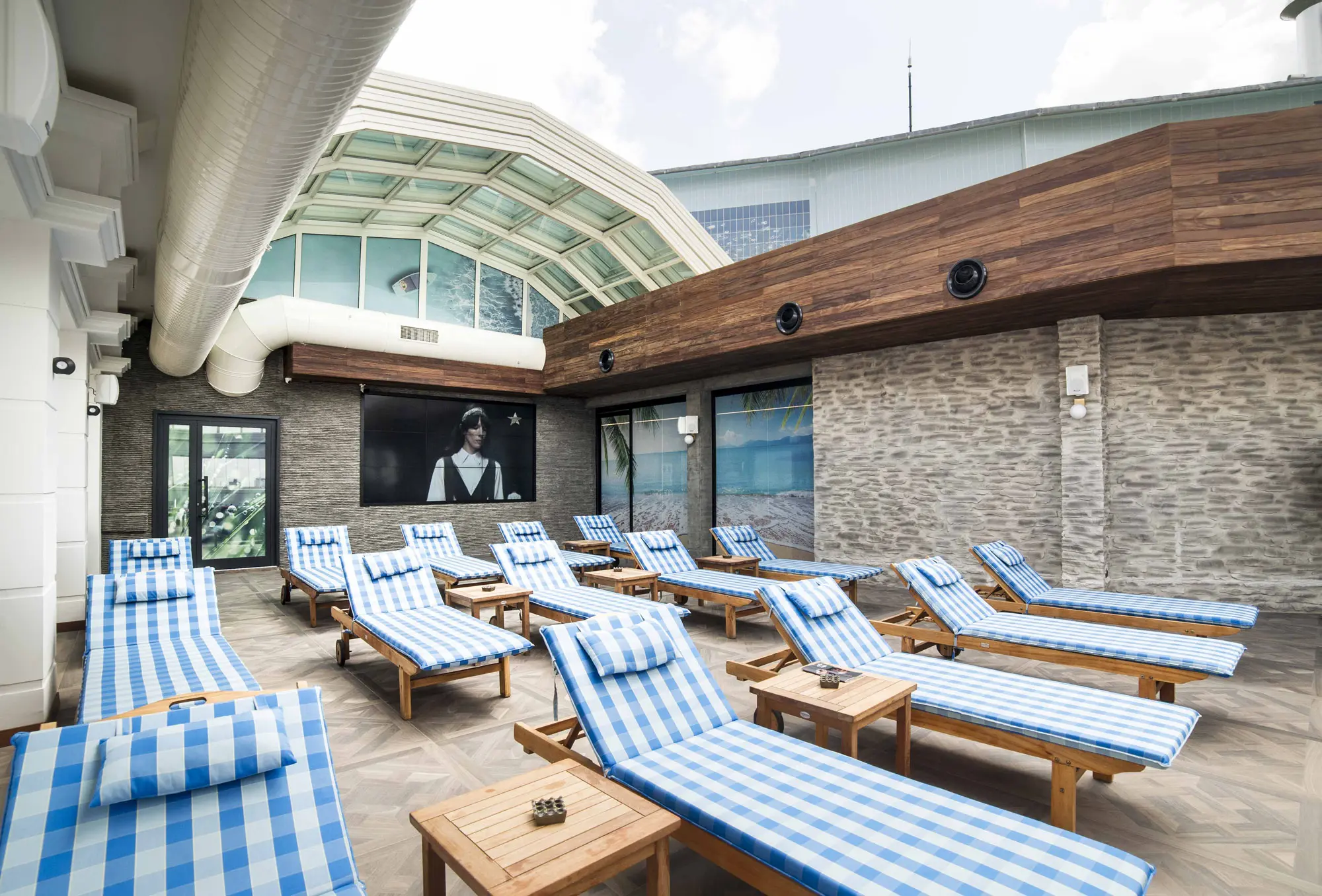
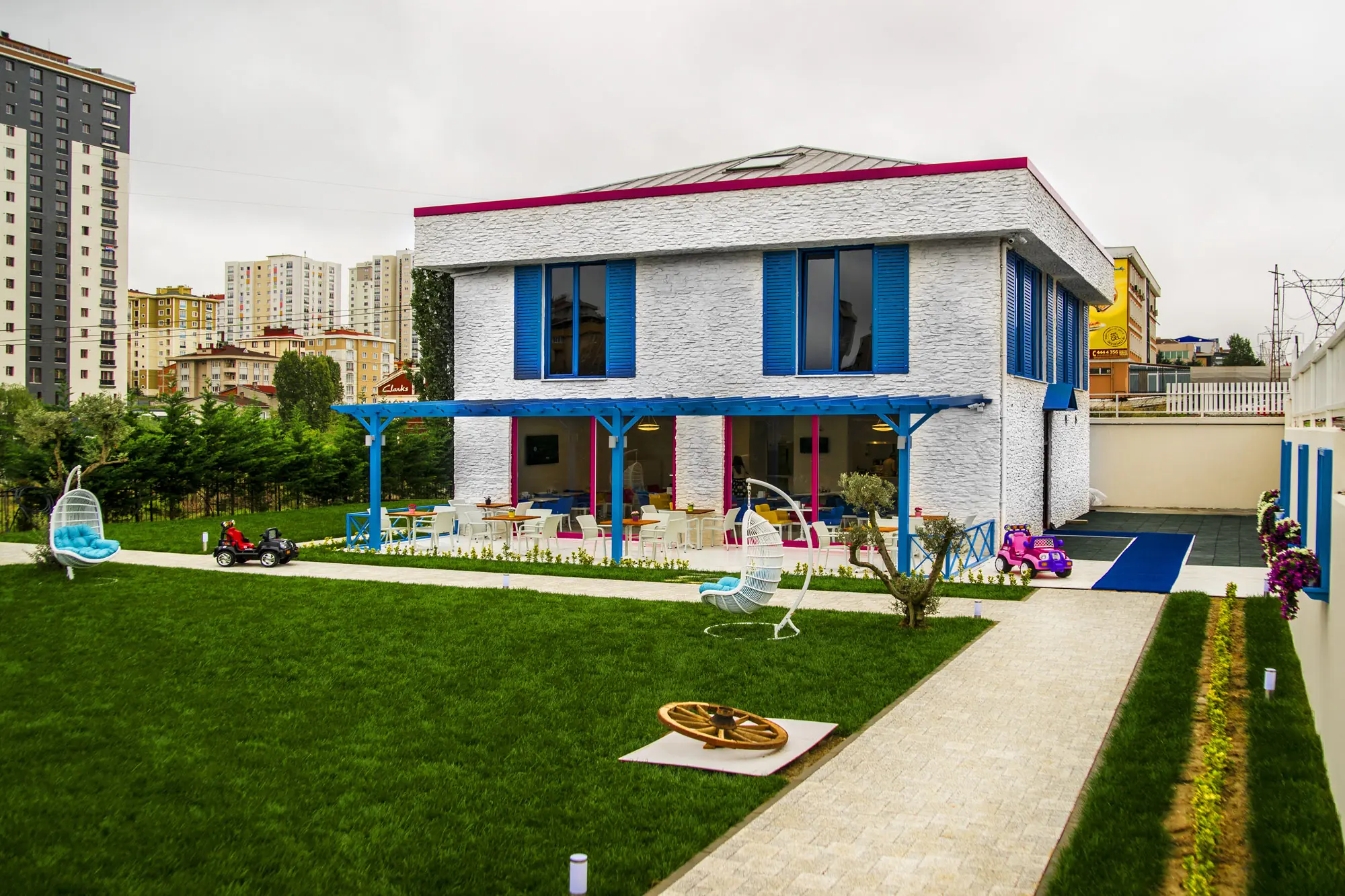
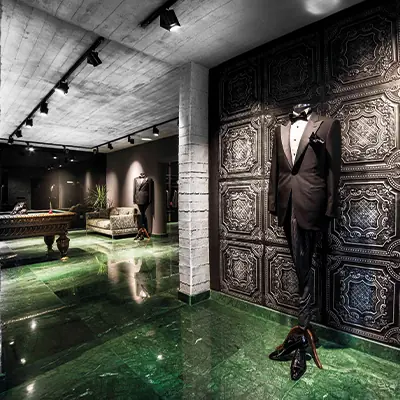
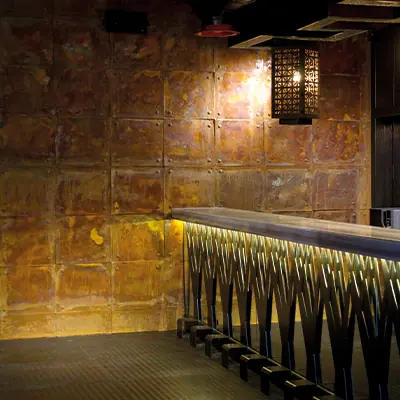
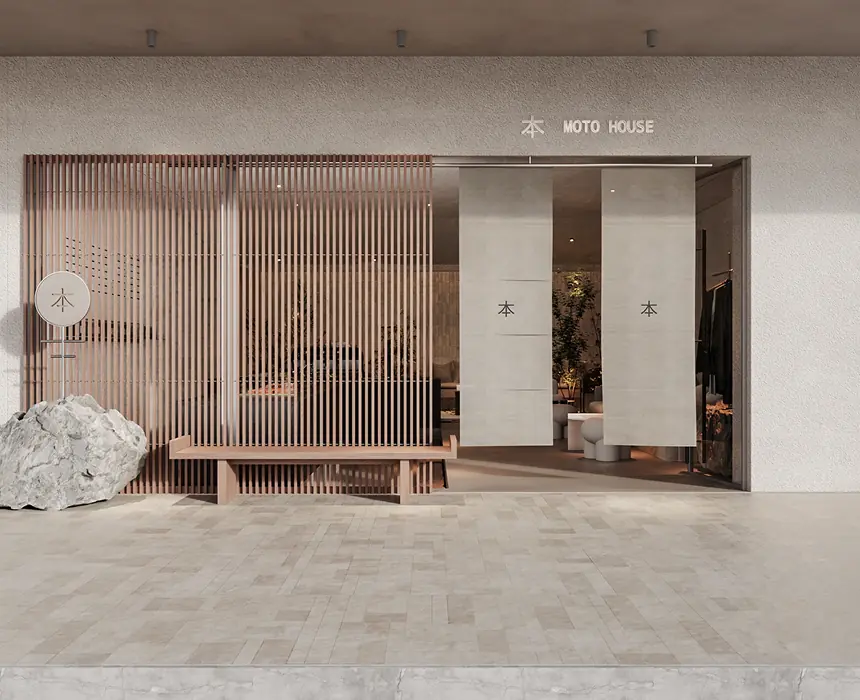
Lajas stone wall panel is suitable for a wide range of architectural applications. Current product information includes cafés and restaurants, hotels and spas, residences, offices, showrooms, retail spaces, ceilings, and exterior surfaces among its usage areas.
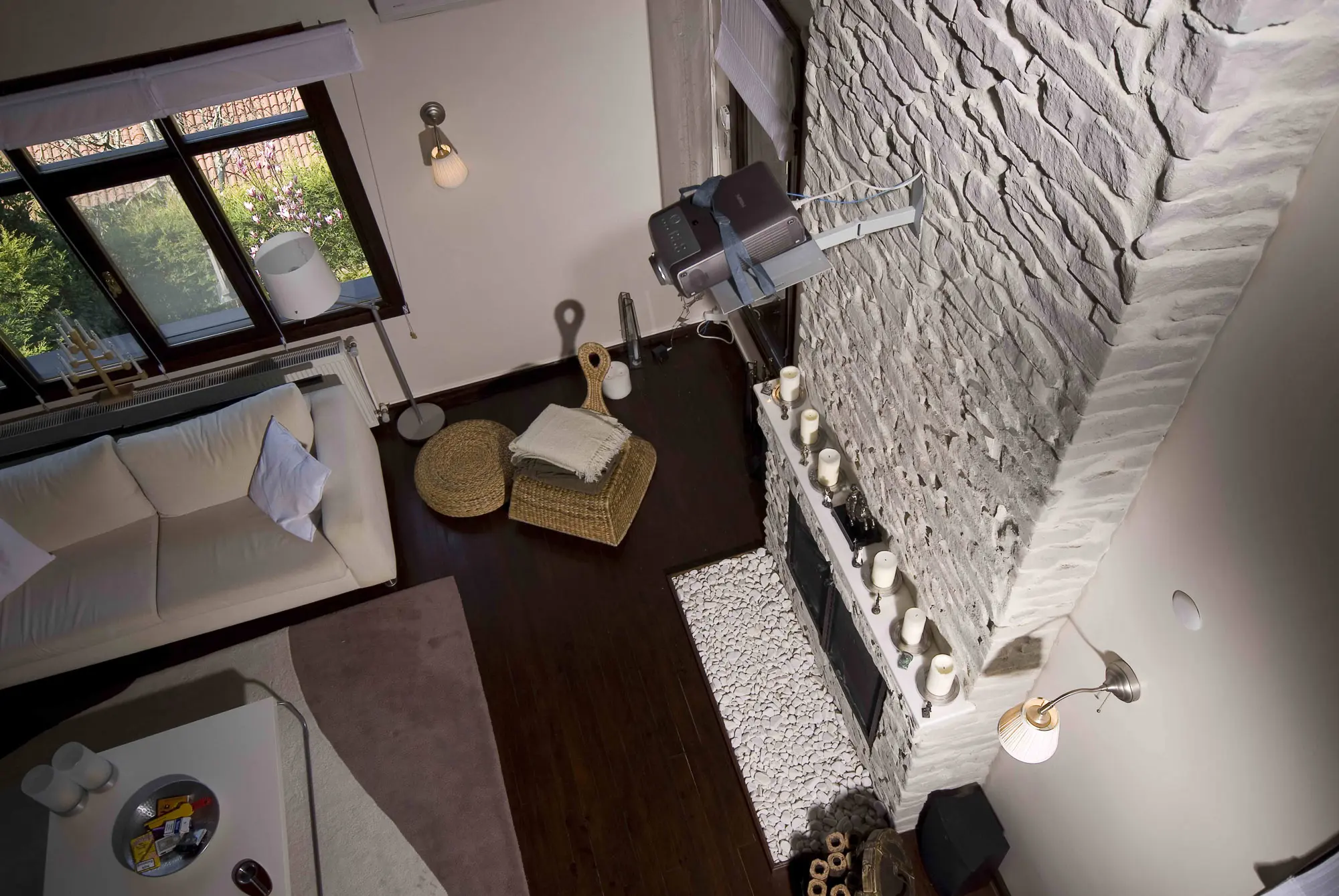
In residential projects, the broad stone arrangement can bring depth to living spaces, entrances, staircase walls, and selected feature surfaces. Its masonry-inspired character adds visual interest without requiring additional patterns or ornamental details.
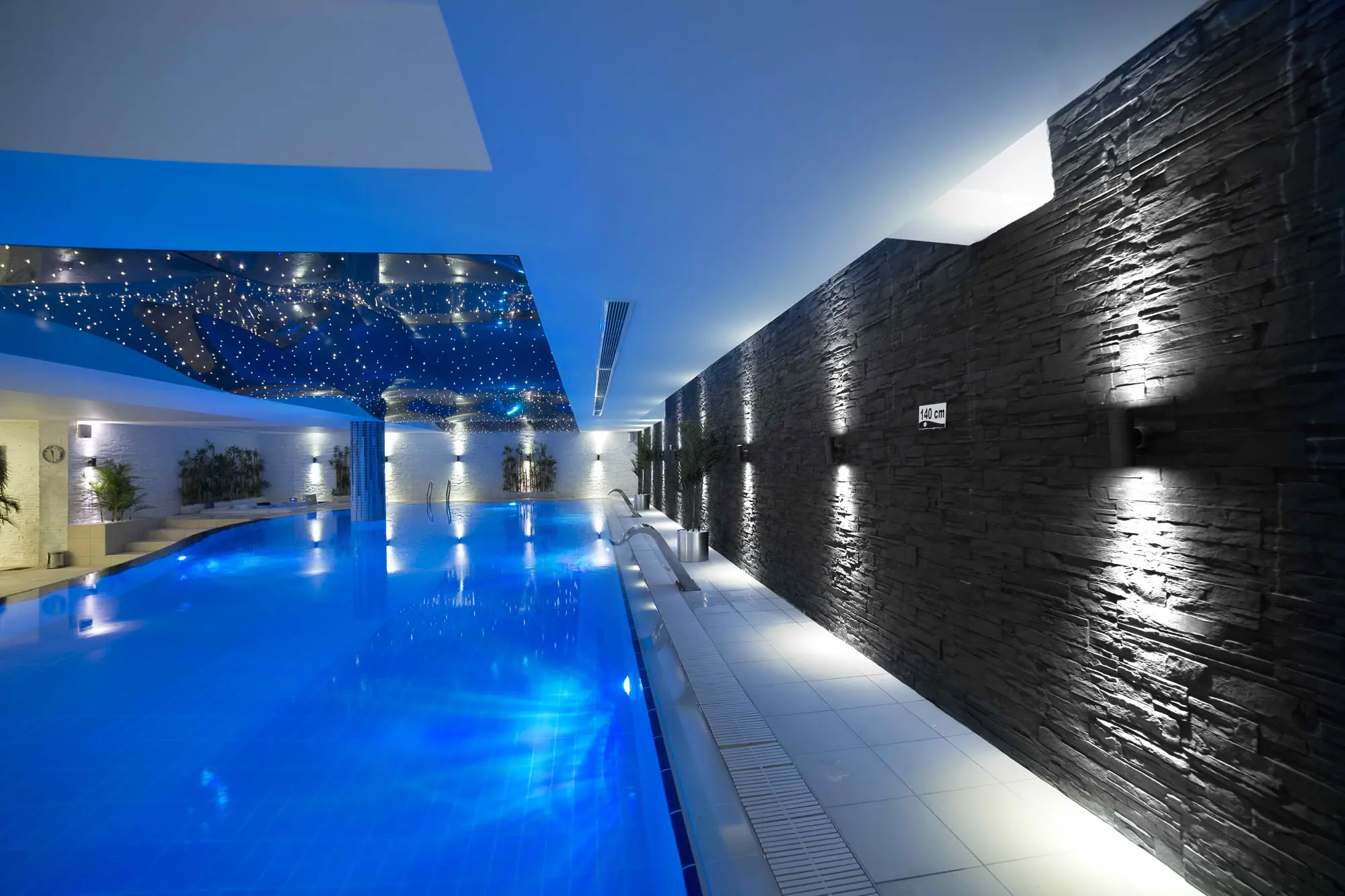
In hospitality environments, the surface can establish a warm material identity across restaurants, hotel interiors, reception areas, lounges, and circulation spaces. Carefully positioned lighting can make the stone joints more pronounced or soften the overall appearance according to the atmosphere of the project.
The large-format construction of Lajas stone wall panel supports a more continuous architectural appearance across wider surfaces. Reduced visual interruption helps the individual stone forms and broad joints become part of one complete composition rather than appearing as separate decorative units.
Current technical documentation describes the surface as reproducing the irregular arrangement of natural stone slabs, surface roughness, layer marks, and dimensional depth through high-precision molding. These physical variations create the light-shadow behavior associated with a natural stone 3D texture.
The structural body combines a fiber-reinforced upper layer with a dense mineral-filled lower layer. This hybrid construction is designed to provide rigidity, impact resistance, and surface stability while maintaining a relatively lightweight panel structure.
Fiber reinforcement also helps the panel maintain its form under bending, sagging, and torsional stresses. According to the current technical description, the construction is designed to reduce the risk of cracking, surface separation, and deformation across larger applications.
The protective surface formulation is developed for resistance to water, moisture, UV radiation, high temperatures, freeze-thaw cycles, and atmospheric conditions. These characteristics support the documented use of the panel across suitable interior and exterior architectural environments.
The surface also has controlled porosity designed to reduce dirt retention and maintenance requirements. This technical performance allows the detailed stone character to remain practical across larger architectural applications.
Lajas can also be adapted to project-specific details. Its workable structure allows cutting and drilling for electrical outlets, lighting lines, corners, niches, and other architectural requirements. Mechanical fastening with screws and dowels is recommended for secure and stable installation.
Under grazing light, Lajas stone wall panel develops stronger contrasts between the stone forms and recessed joints. This makes the three-dimensional structure more pronounced and allows individual surface transitions to become clearly visible.
With softer ambient lighting, the same wall appears calmer. The stone arrangement remains visible, but the shadows become more restrained, creating a more continuous and understated masonry effect.
This flexibility makes the stone masonry wall panel suitable for both stronger focal applications and broader architectural surfaces. On a feature wall, the wide joints and dimensional relief become prominent; across a larger area, the complete stone arrangement creates a more immersive material atmosphere.
Among decorative wall panels, Lajas distinguishes itself through its connection with historic masonry and its broad-jointed stone composition. The surface achieves architectural character through material depth and irregular stone forms rather than excessive ornament.
Its appearance also changes according to viewing distance. From farther away, the complete stone arrangement becomes the dominant feature, while closer observation reveals individual edges, roughness, layer marks, and smaller surface irregularities.
This layered visual experience allows the natural stone 3D texture to remain interesting from multiple positions within a space. It gives the wall a tactile presence while preserving the clarity required by contemporary architecture.
Lajas stone wall panel ultimately combines historic masonry references, wide joints, irregular stone forms, large-format continuity, and three-dimensional surface depth within one architectural solution. Its balance between natural material character and modern simplicity makes it suitable for projects seeking a timeless stone expression across interior, ceiling, and exterior applications.