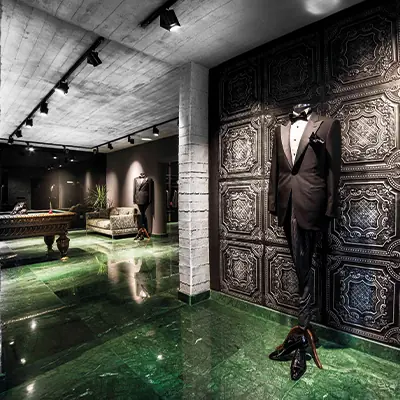
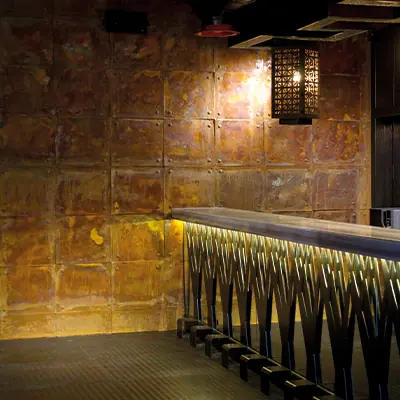
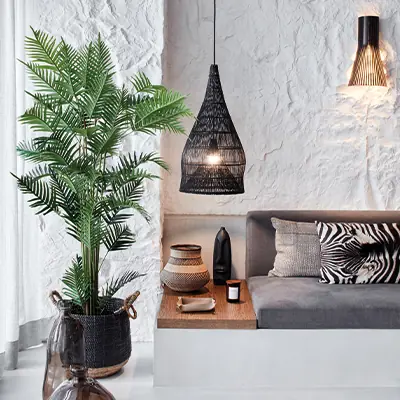
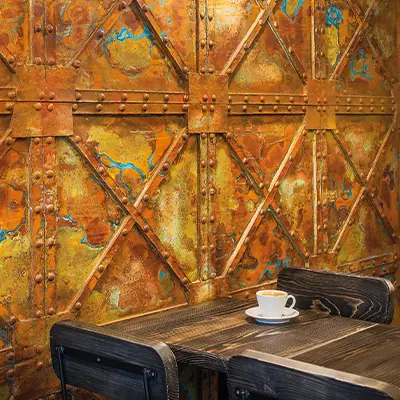
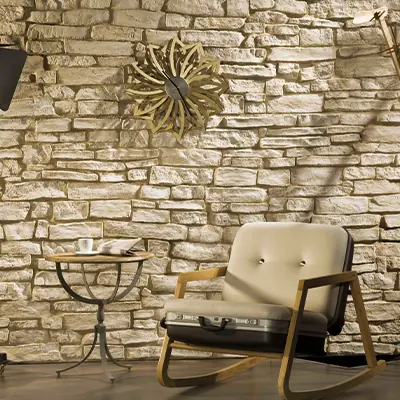
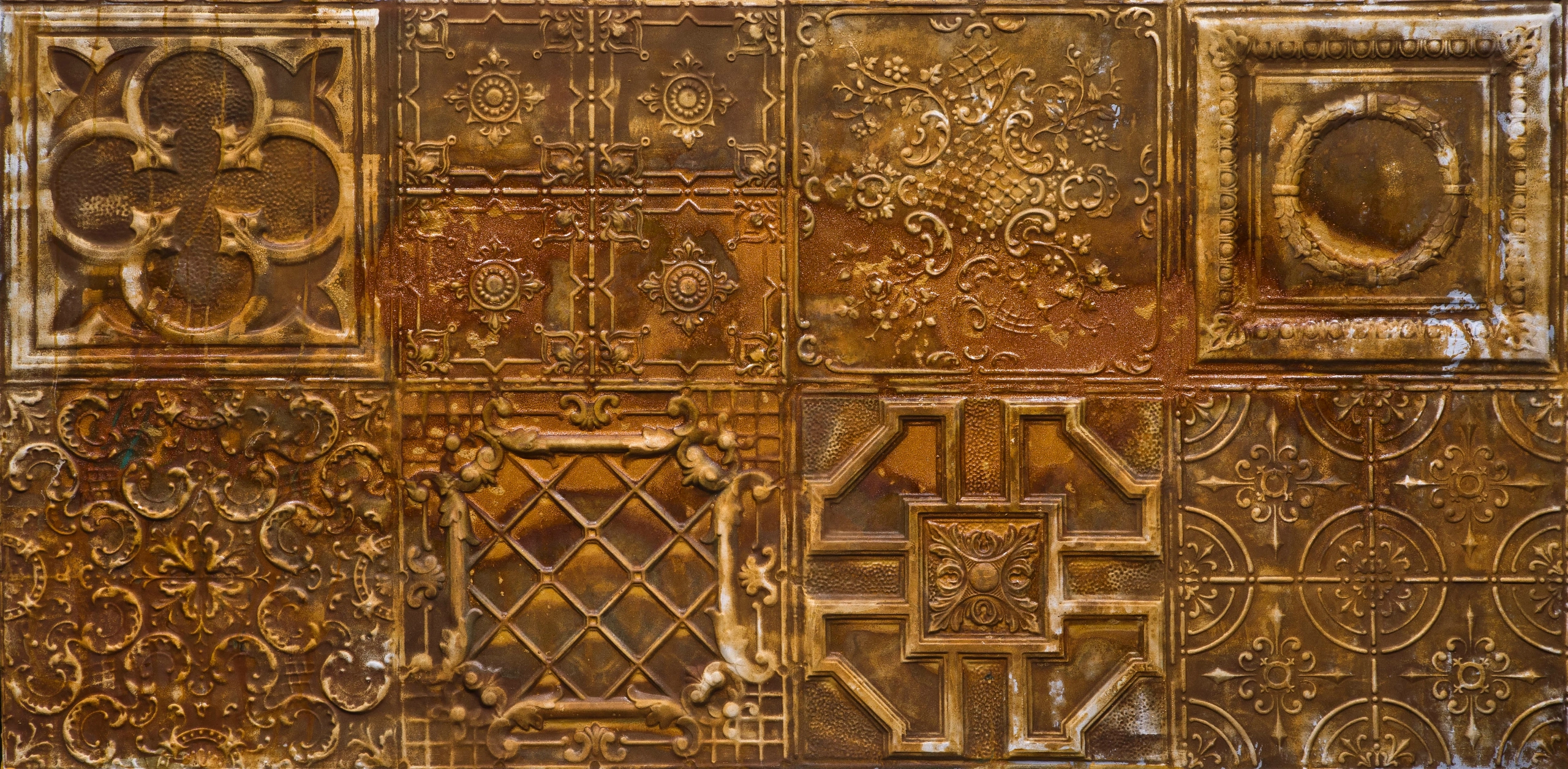
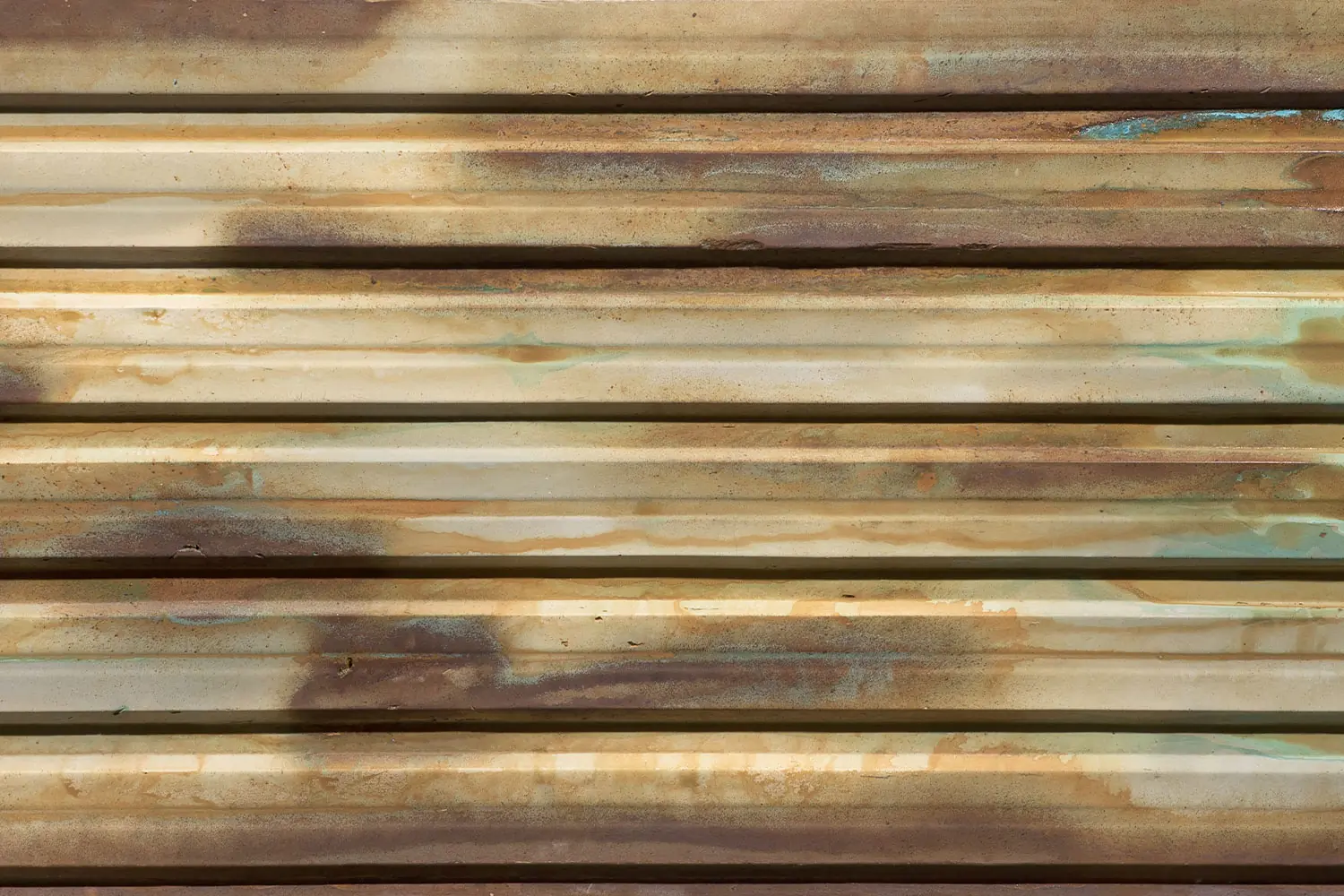
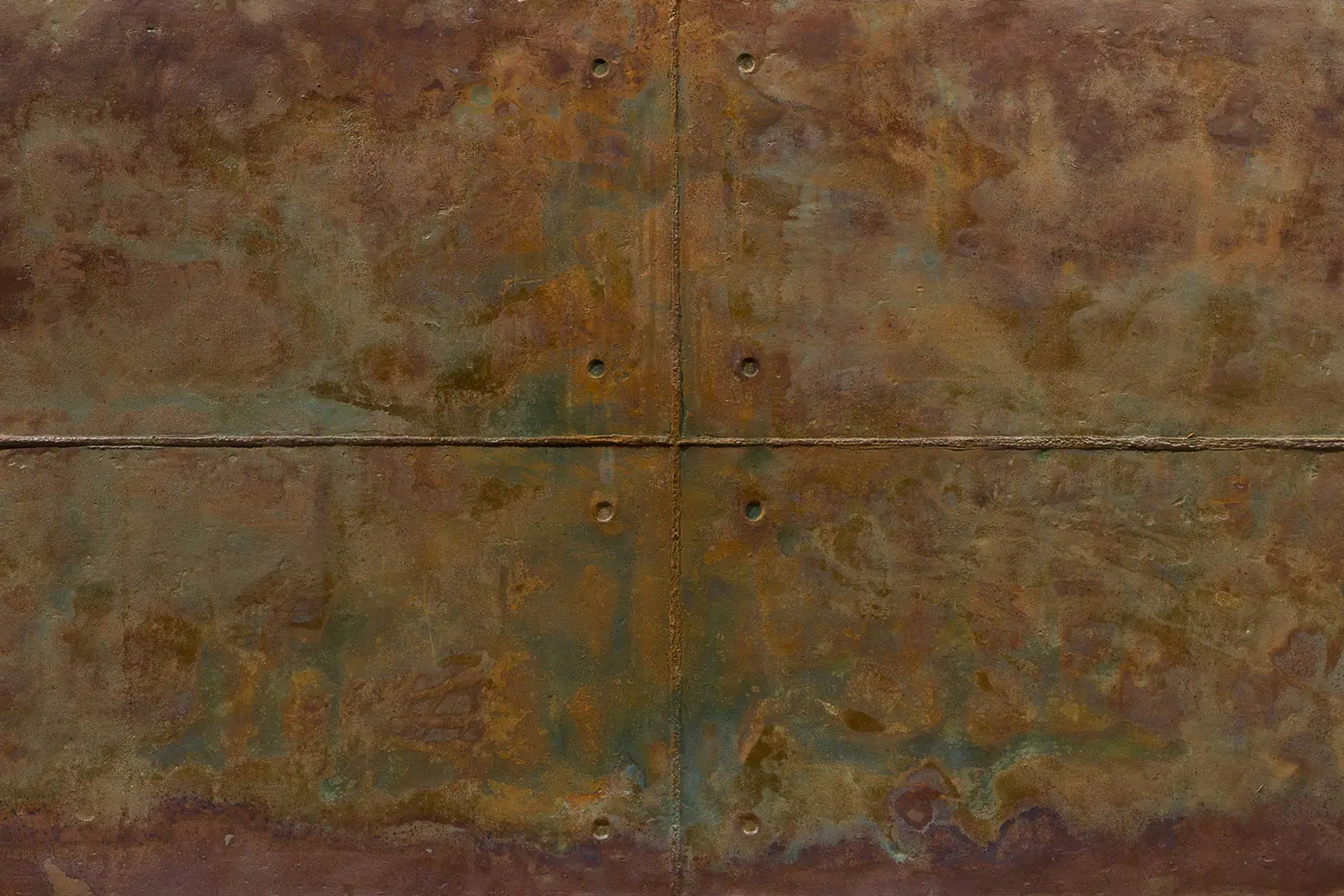
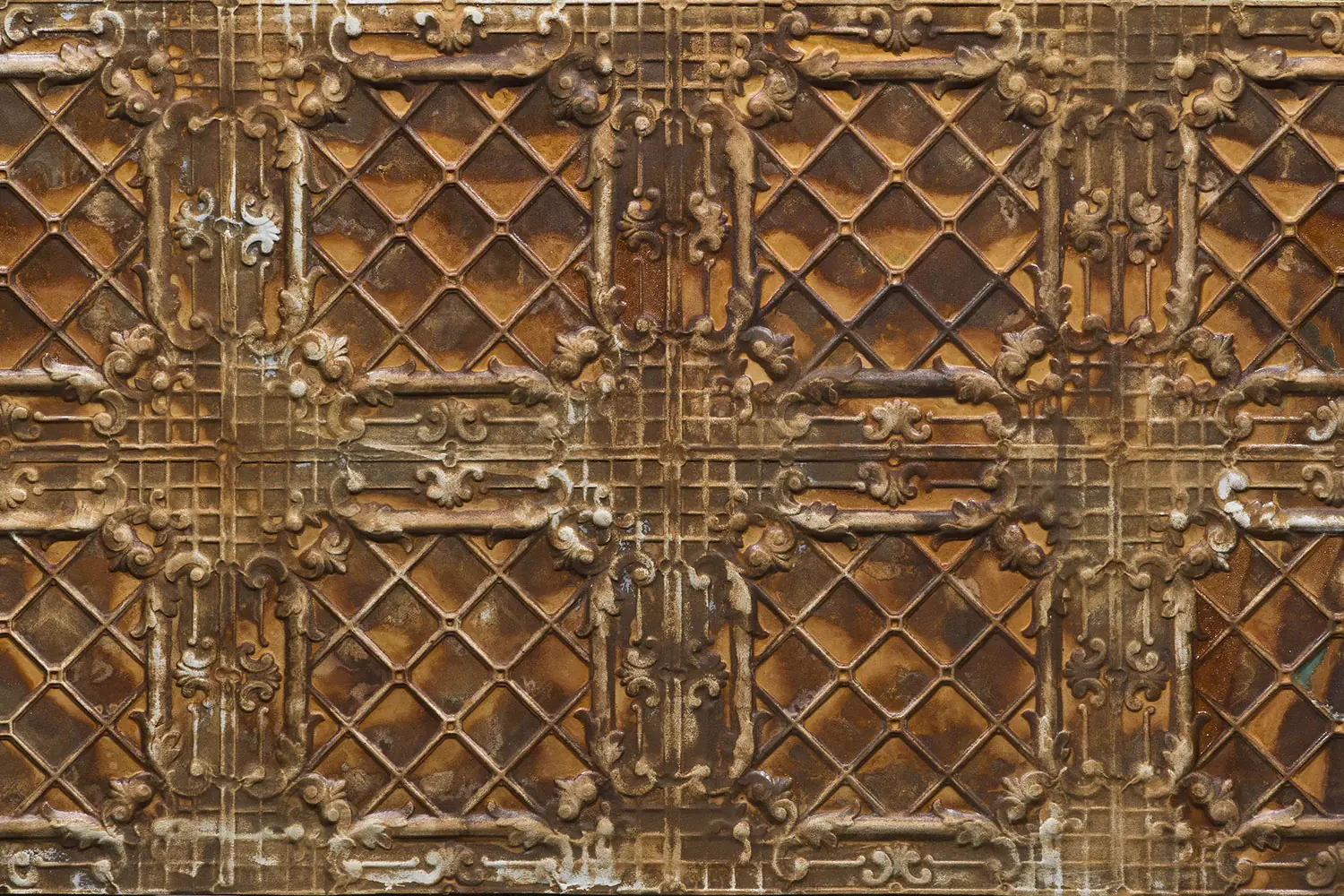
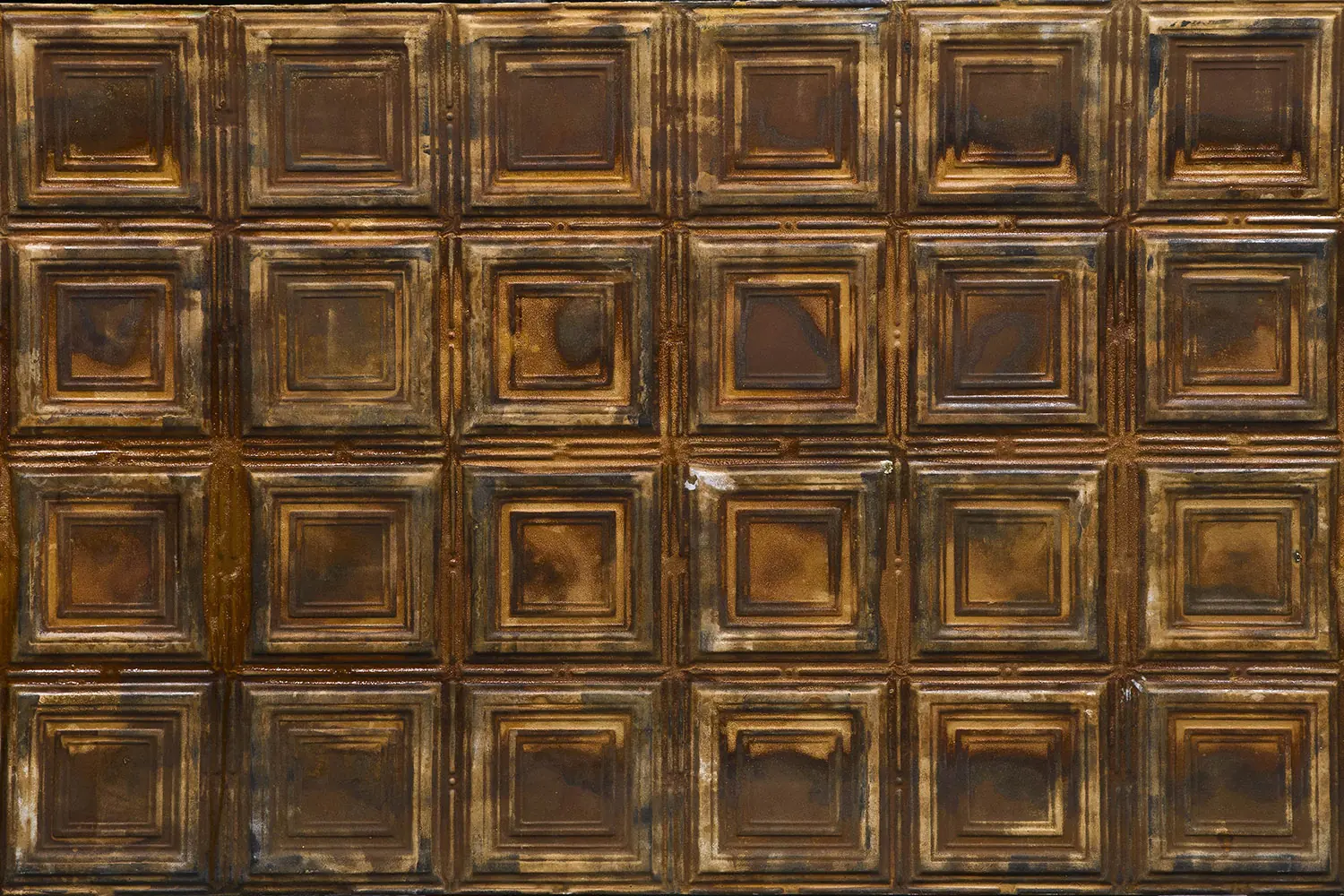
Victorian Oxyd wall panel brings classical decorative language into contemporary architecture through a richly embossed surface and aged metallic character. Historical motifs are reinterpreted through pronounced relief, giving the wall a layered presence that feels both ornamental and distinctly modern.
The defining quality of the surface is its oxidized texture. Patina transitions move across raised and recessed details, allowing light to reveal different parts of the pattern as viewing conditions change.
Rather than relying on a flat decorative print, the surface creates depth through physical ornament. This makes it an ornamental wall panel in which the motif itself becomes part of the architectural surface.
Victorian Oxyd wall panel belongs to Artstone’s Oxyd Series and is classified as a metal surface. Its combination of industrial material character and classical detailing separates it clearly from the more geometric or minimal products within the wider collection.
The panel measures approximately 247 × 124 cm, with a listed thickness of around 10–16 mm. Its current product data gives a weight of approximately 5–5.5 kg/m².
These large dimensions allow the decorative motifs to develop across broad wall areas with fewer visual interruptions. The pattern can therefore read as a continuous architectural treatment rather than as a series of small decorative elements.
The oxidized texture becomes particularly expressive under directional lighting. Raised details catch brighter highlights while recessed areas create deeper shadows, helping the classical ornament appear more dimensional without additional surface decoration.
Softer illumination creates a different effect. The transitions across the patinated surface become calmer, allowing the aged metallic character to remain visible while creating a more restrained atmosphere.
Among decorative wall panels, Victorian Oxyd stands out through the contrast between historical ornament and industrial materiality. The surface does not simply imitate an aged metal finish; its three-dimensional motif gives that material character a distinctive architectural structure.
Victorian Oxyd wall panel can be used in residences, hotels, restaurants, offices, showrooms, retail environments, and other interior architectural projects. The current Artstone page also identifies covered exterior accent areas as a possible application where appropriate project conditions are provided.
As an ornamental wall panel, Victorian Oxyd works naturally in spaces that need a stronger focal surface. Entrance areas, lounges, boutique interiors, hotel reception spaces, feature walls, and decorative ceiling applications can all benefit from the combination of pattern and material depth.
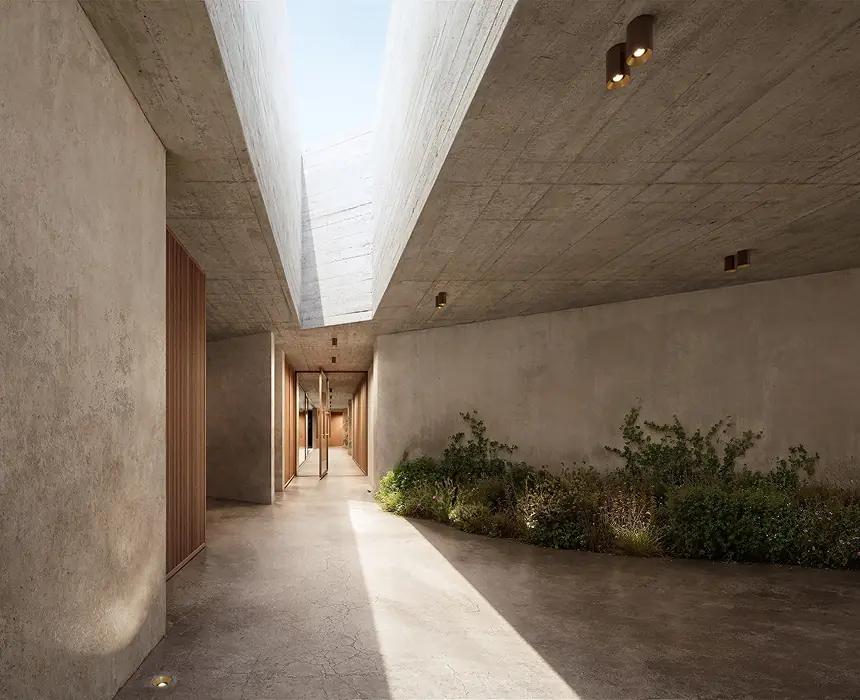
The oxidized texture also creates an effective contrast with simpler architectural materials. Smooth concrete, timber, glass, and restrained contemporary furniture can allow the detailed relief to become more visible without making the overall interior unnecessarily ornate.
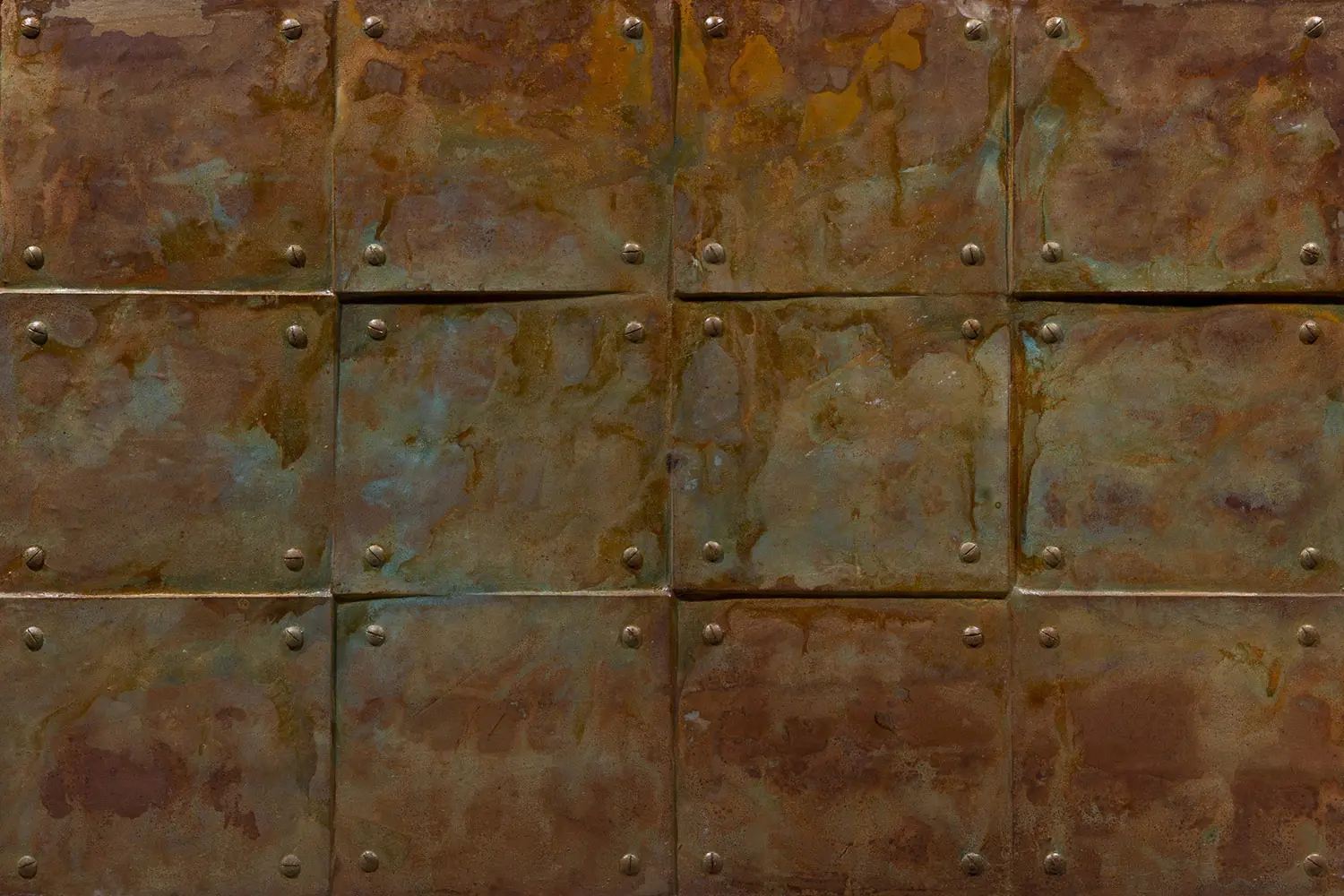
Metallic character is central to the identity of Victorian Oxyd, but the design avoids the purely industrial appearance of a plain metal surface. Patina, ornament, and three-dimensional detailing give it a more layered relationship with both classical and contemporary design.
Victorian Oxyd wall panel also responds differently according to viewing angle. From the front, the decorative pattern appears more unified, while angled views reveal stronger differences between raised motifs and recessed portions of the surface.
This changing perception gives the wall visual depth without depending on repetitive geometric forms. Light becomes part of the design, revealing individual details of the relief at different moments throughout the day.
The current Artstone product page describes Victorian Oxyd as combining classical ornamentation with oxidized material character and layered patina. This relationship between decorative heritage and aged metal appearance forms the central design identity of the product.
Victorian Oxyd wall panel therefore offers a different interpretation of metal-inspired architectural surfaces. Instead of focusing only on industrial simplicity, it introduces detailed relief and historical reference while retaining the contemporary character of an Oxyd surface.
Within decorative wall panels, Victorian Oxyd is particularly distinctive because neither the classical motif nor the oxidized finish dominates completely. The strength of the design comes from the relationship between these two visual languages.
The result is a surface that can add depth and character without requiring additional ornament around it. Its pronounced motif, changing shadows, and aged metallic appearance allow the wall itself to become the principal decorative feature.
Victorian Oxyd wall panel ultimately brings together classical pattern, contemporary material expression, and three-dimensional relief. Its carefully aged appearance gives historical ornament a new architectural identity while preserving the expressive patina associated with the Oxyd Series.