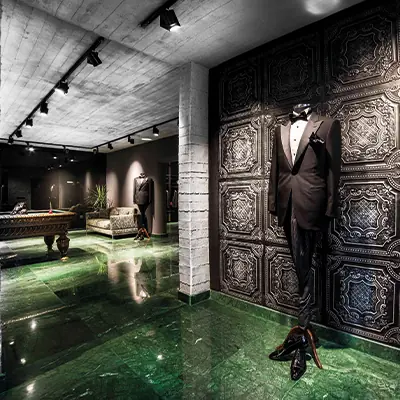
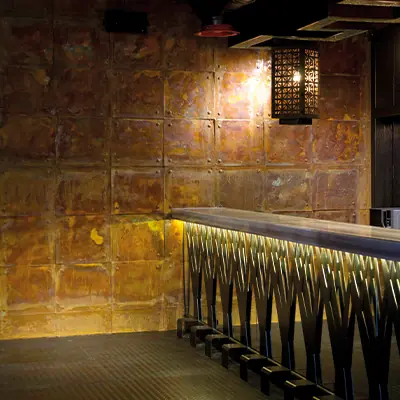
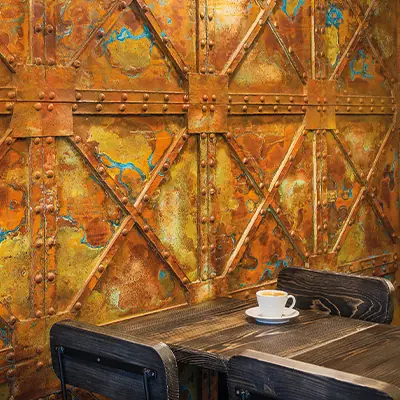
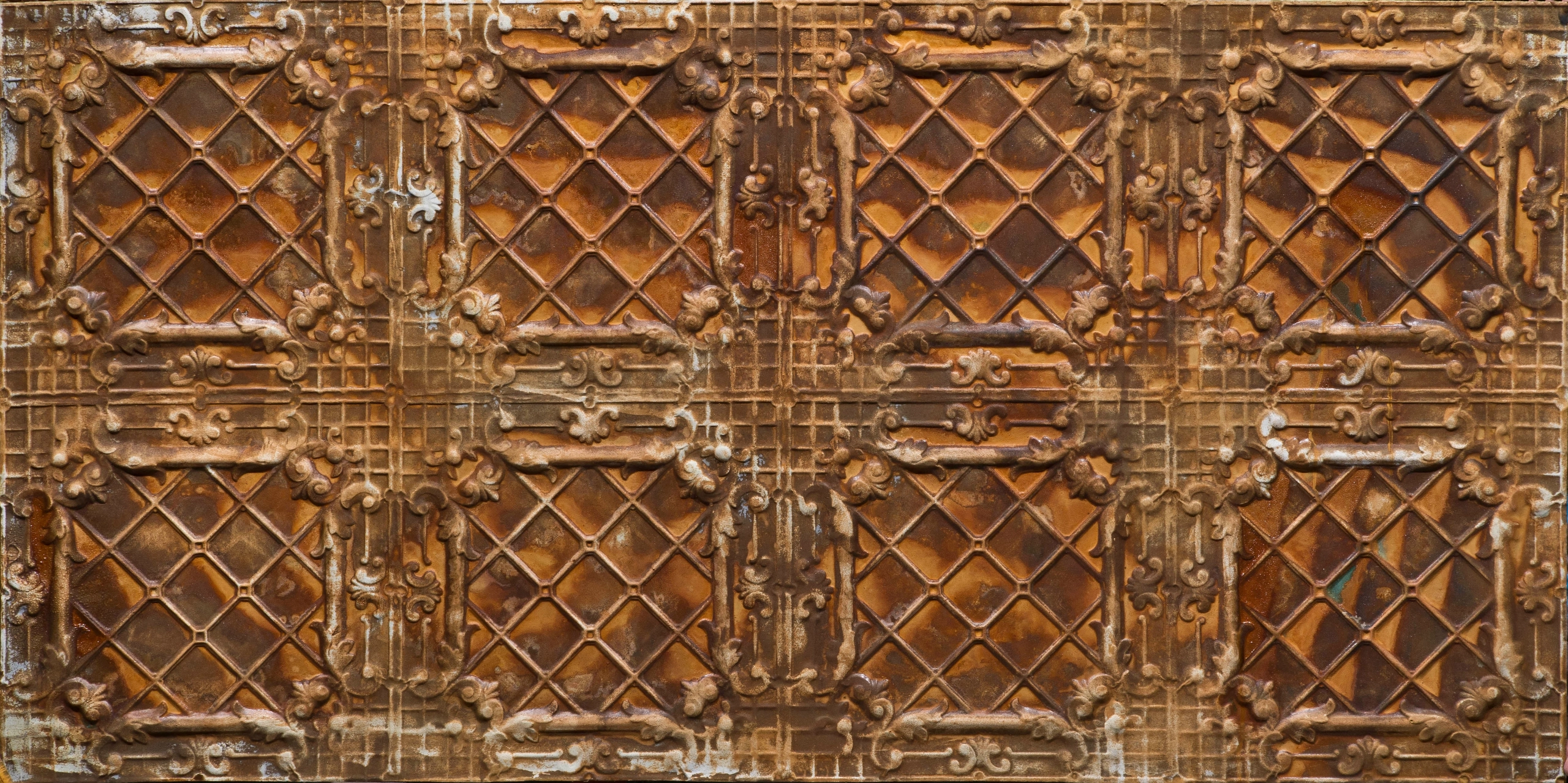
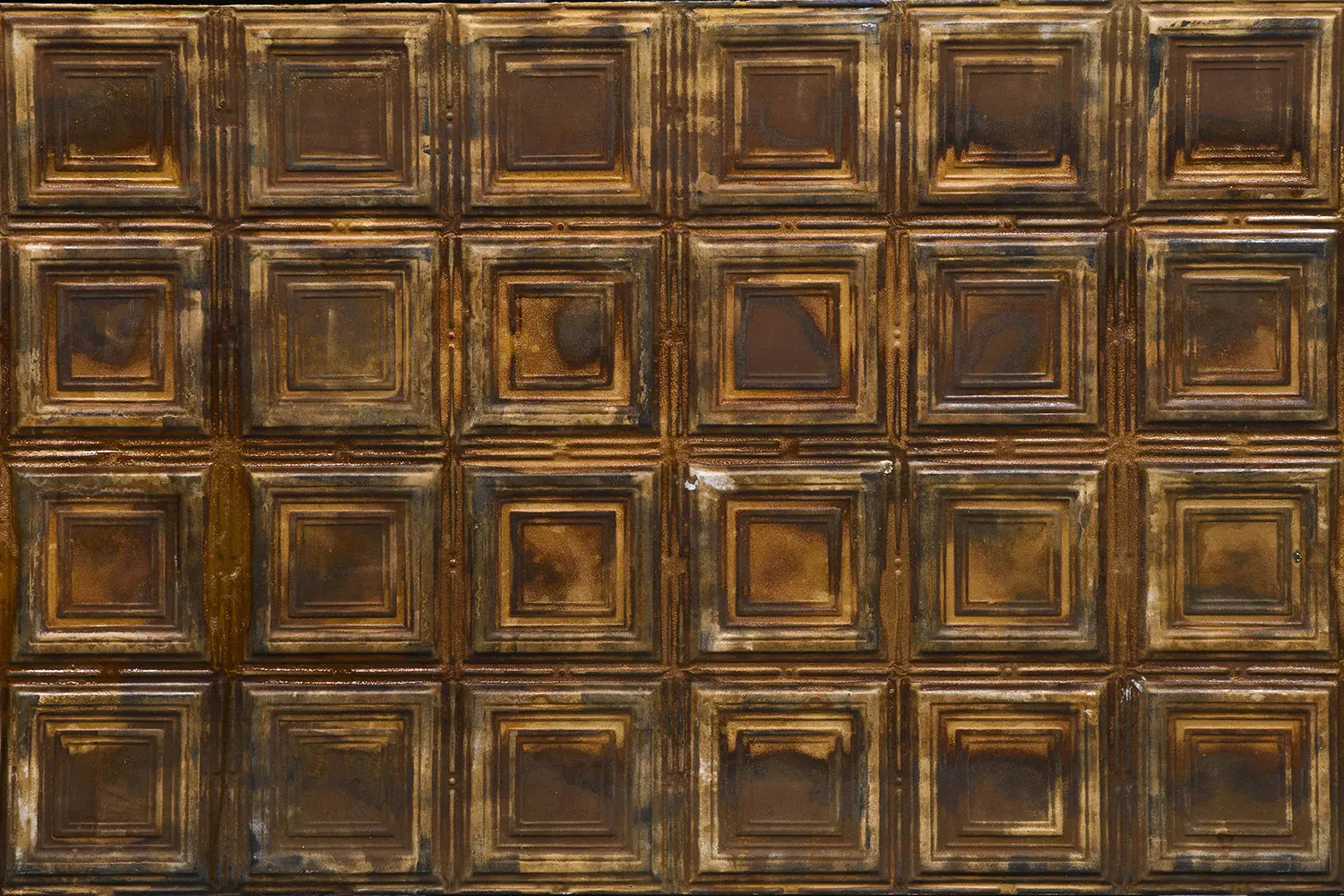
Margaux Oxyd wall panel reinterprets decorative relief through the aged character of an oxidized surface. Its three-dimensional geometry combines classical influence with patinated material detail, giving interior walls a distinctive visual identity.
The surface is shaped by raised motifs and recessed transitions. As light reaches these areas from different directions, highlights and shadows reveal new details across the pattern.
This interaction gives the panel a changing appearance throughout the day. The result feels expressive without depending on excessive ornament or highly complex geometry.
As an oxidized relief wall panel, Margaux Oxyd creates depth through physical form rather than a flat printed effect. Patinated tones move across the relief, emphasizing the dimensional character of the surface.
The design is derived from the decorative language of Margaux but interpreted through the material identity of the Oxyd Series. This gives the surface a more aged and industrial character while preserving its refined geometry.
Margaux Oxyd belongs to Artstone’s Oxyd Series and is classified under Metal in the current product data. Its associated styles include industrial and Mediterranean design approaches.
The panel measures approximately 246 × 123 cm. Its listed thickness is around 15–17 mm, while the current weight is approximately 5–5.5 kg/m².
These dimensions allow the patterned surface to extend across broader walls with fewer visual interruptions. The relief can therefore read as one continuous architectural treatment rather than a sequence of small decorative elements.
The patina wall panel character becomes especially visible under directional lighting. Raised sections receive brighter highlights while deeper parts of the motif create softer shadow transitions.
Under diffused lighting, the appearance becomes calmer. The oxidized surface remains visible, but the contrast across the decorative geometry becomes more restrained.
Margaux Oxyd wall panel is primarily intended for interior applications. Artstone also lists decorative ceiling use among the recommended applications for this model.
The surface can therefore be used to establish continuity between walls and ceilings. This is especially effective in spaces where a stronger decorative identity is desired without introducing several unrelated materials.
The oxidized relief wall panel works naturally in hotel lobbies, lounges, restaurants, retail interiors, showrooms, entrance areas, and residential feature walls. Its combination of relief and patina gives these spaces a distinctive focal surface.
Among decorative wall panels, Margaux Oxyd stands out because its character is neither purely ornamental nor purely industrial. The design brings both qualities together within the same three-dimensional surface.
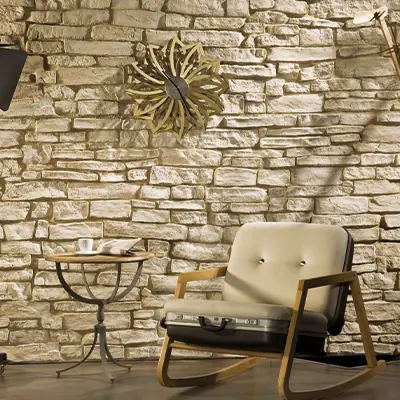
Its aged metallic appearance provides contrast against smoother materials such as glass, timber, concrete, or stone. These combinations allow the decorative geometry to remain prominent without making the entire interior visually heavy.
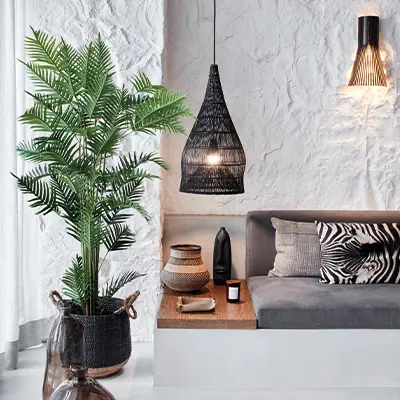
The patina wall panel surface can also support more restrained furniture and lighting schemes. A simpler surrounding environment gives the relief enough visual space to become the central architectural feature.
Margaux Oxyd wall panel changes noticeably according to viewing angle. From the front, the repeated geometry appears more unified, while oblique views reveal stronger differences between projecting motifs and recessed sections.
This effect allows the surface to create visual variation without relying on a constantly changing pattern. Light, viewpoint, and relief provide the movement instead.
Artstone’s current product information describes the model through aged patina layers, oxidized surface expression, and sculpted decorative geometry. The same source identifies a baroque influence within the relief structure.
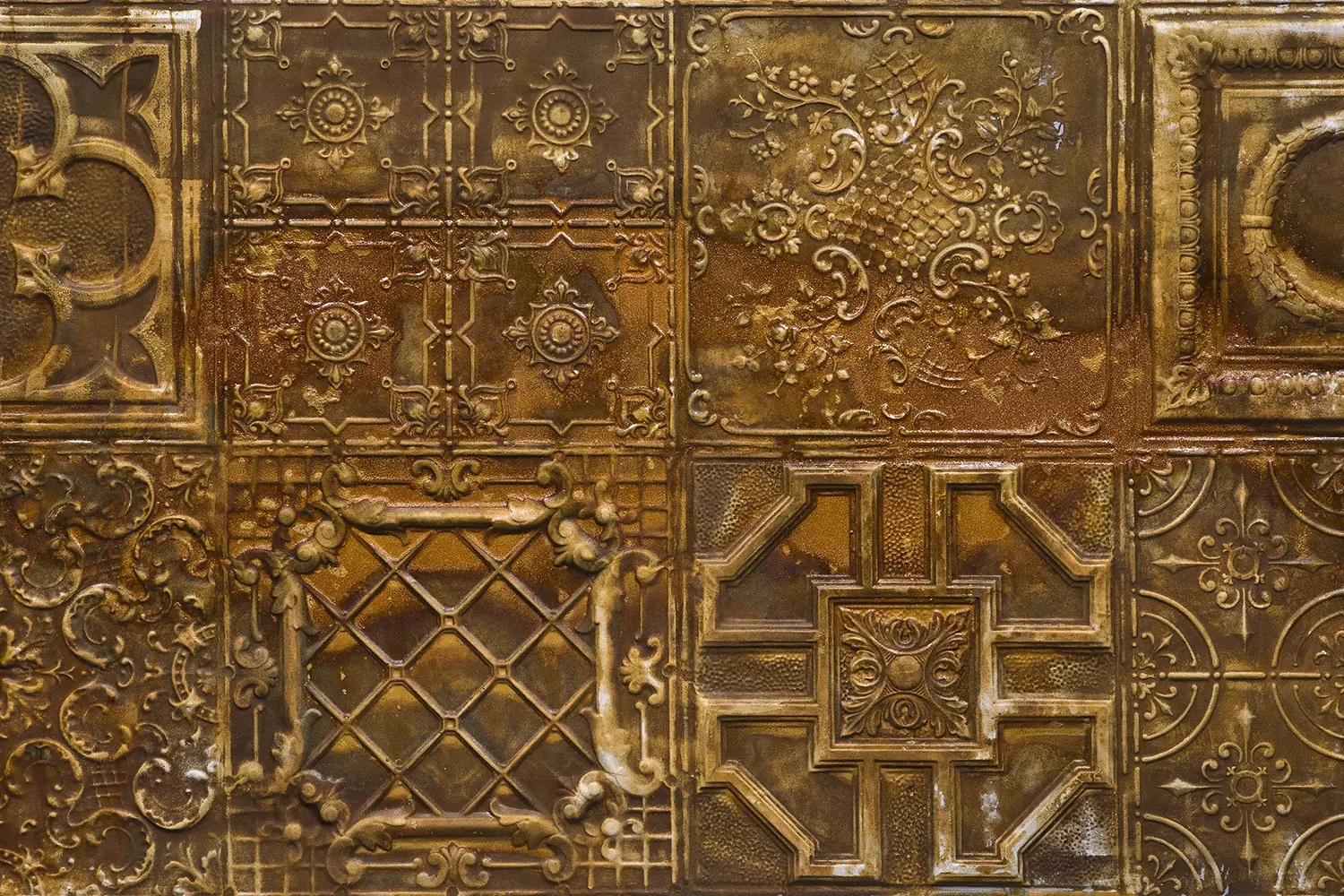
The combination gives Margaux Oxyd a different identity from smoother Oxyd surfaces. Its decorative pattern adds another layer of visual information to the patinated material character.
As an oxidized relief wall panel, it works particularly well where designers want an aged metallic expression without losing decorative refinement. The surface feels deliberately designed rather than simply weathered.
The installation uses a screw-mount system according to the current Artstone product information. The application surface should be flat, dry, and clean before installation.
For larger applications, the repeated relief can create a continuous decorative field. Proper alignment helps the motif and patina transitions read consistently across the installation.
Margaux Oxyd wall panel ultimately combines three-dimensional decorative form with layered oxidation and aged metallic character. The relief gives the surface structure, while the patina softens that geometry with more organic tonal variation.
Among decorative wall panels, this balance gives Margaux Oxyd a distinctive position. It connects classical ornamental influence with contemporary industrial materiality without relying on generic metal-panel styling.
For interiors seeking a patina wall panel with more decorative depth, Margaux Oxyd offers a refined alternative. Its oxidized surface, sculpted pattern, and changing response to light give walls and ceilings a strong yet controlled architectural presence.