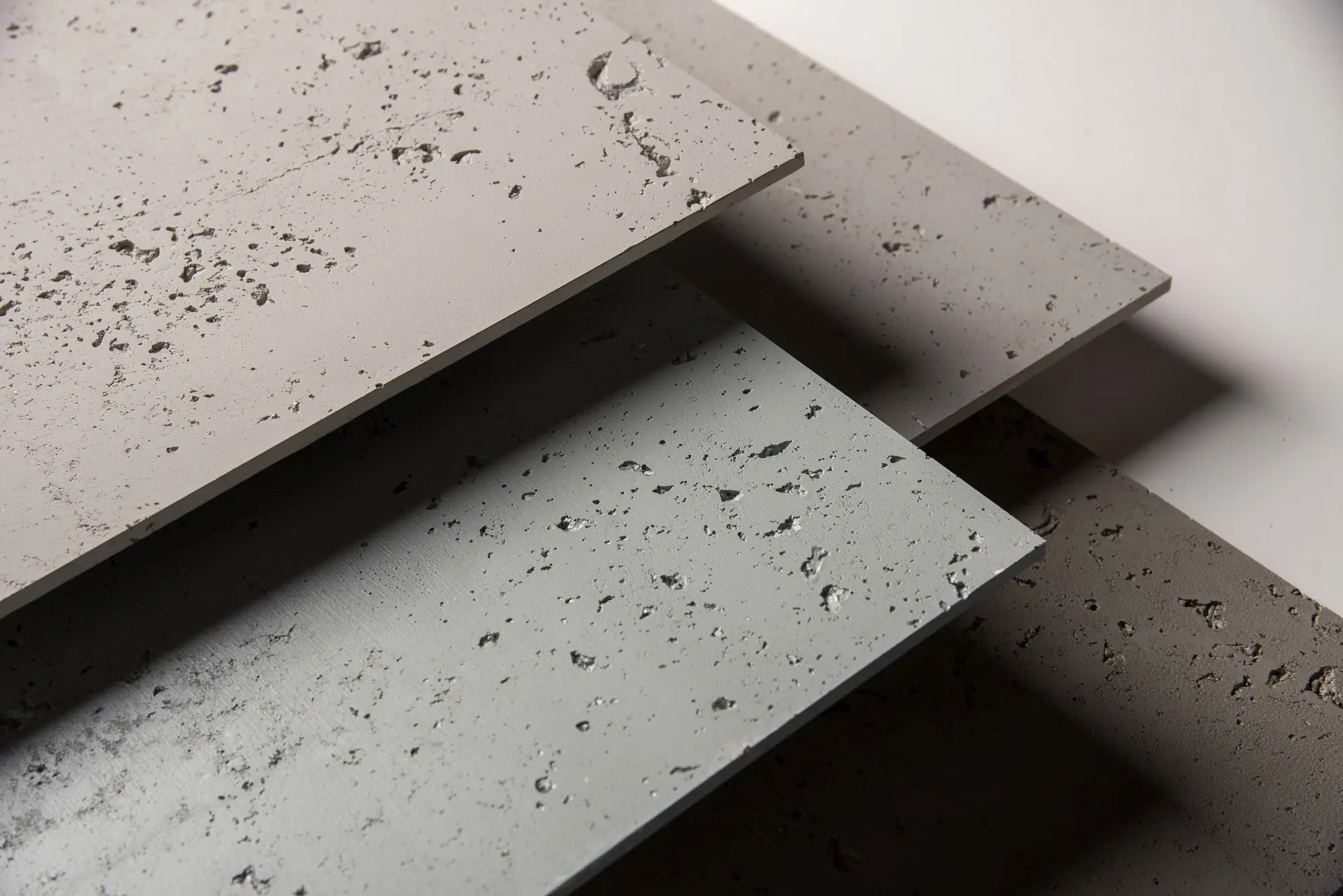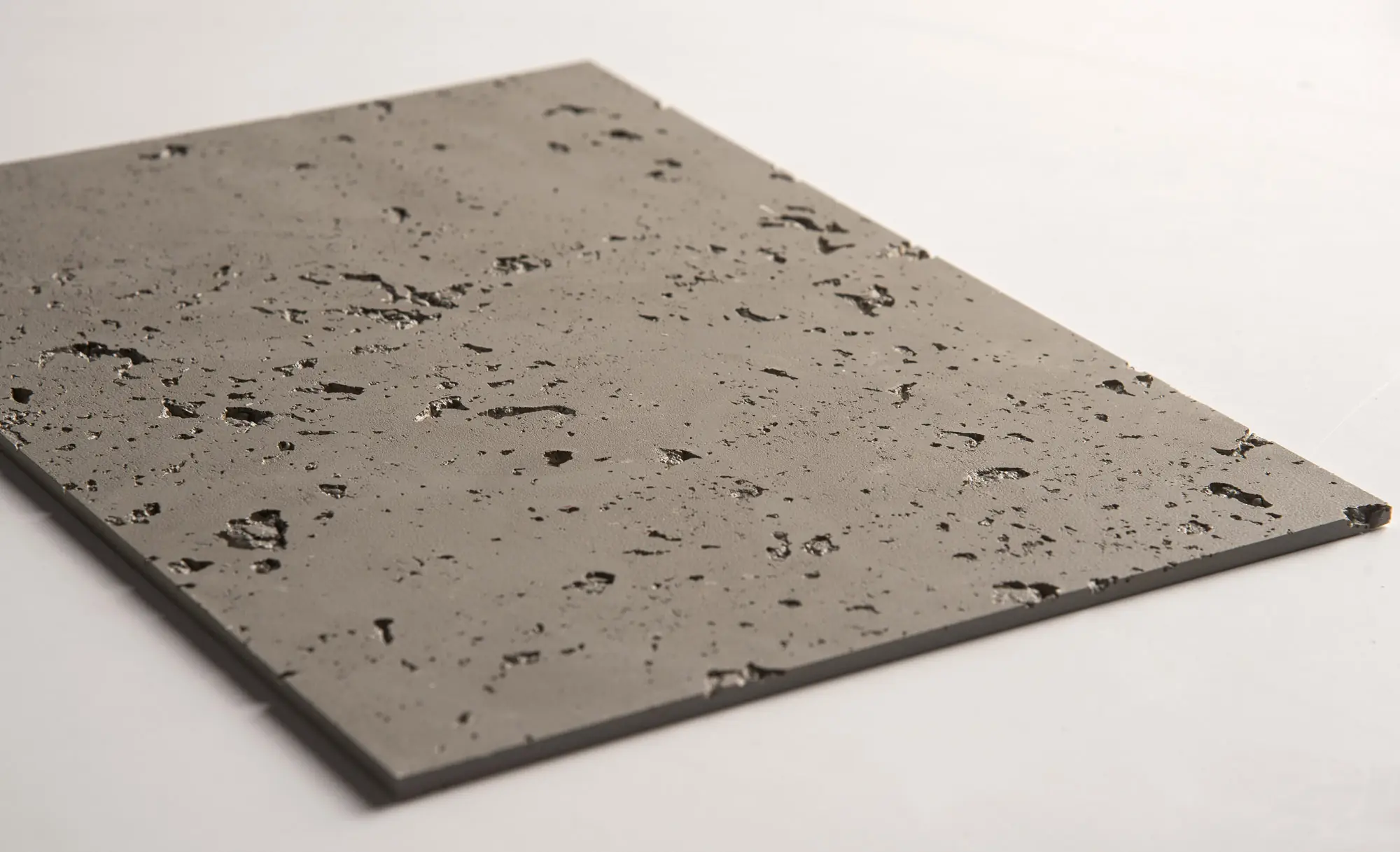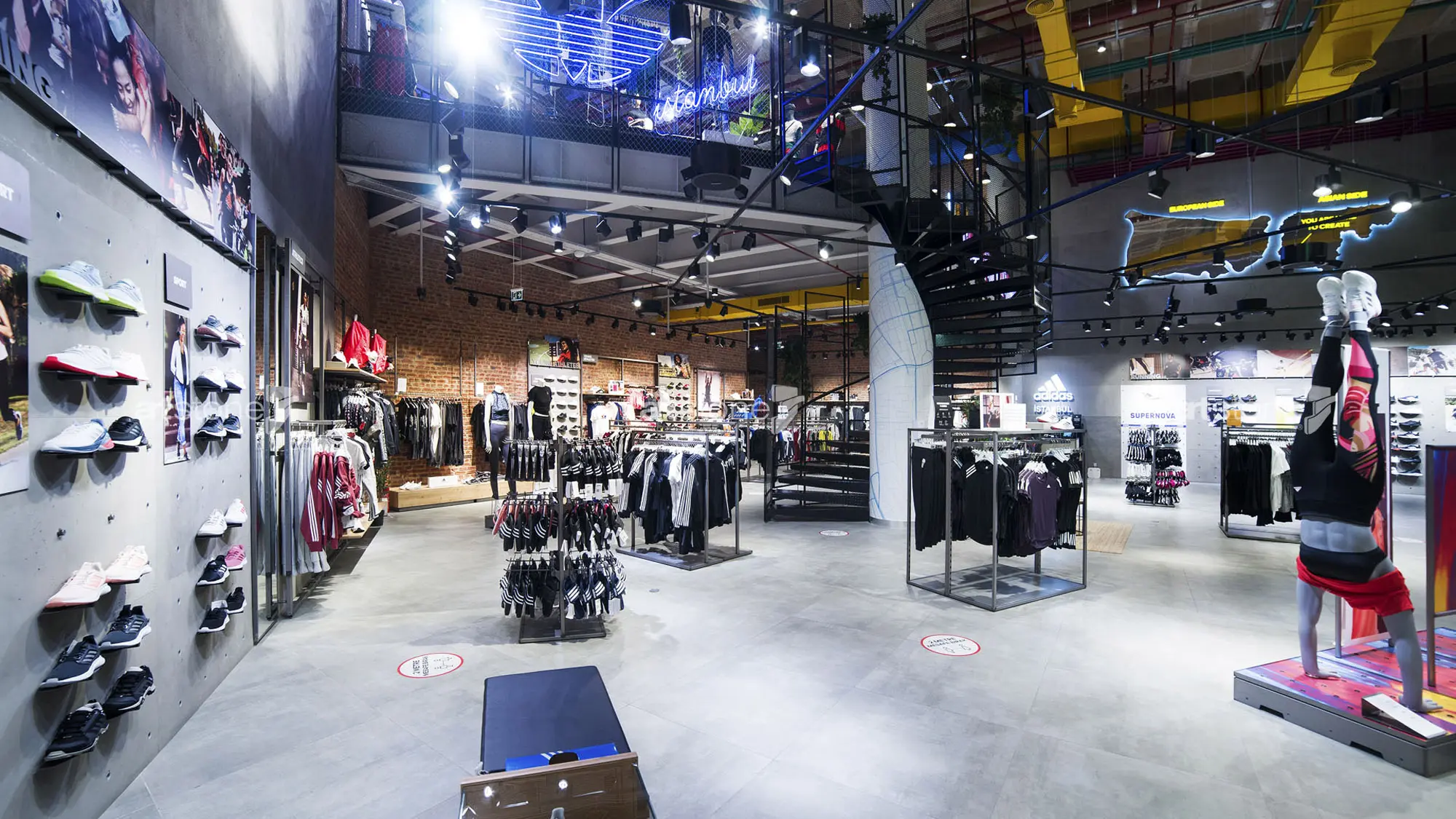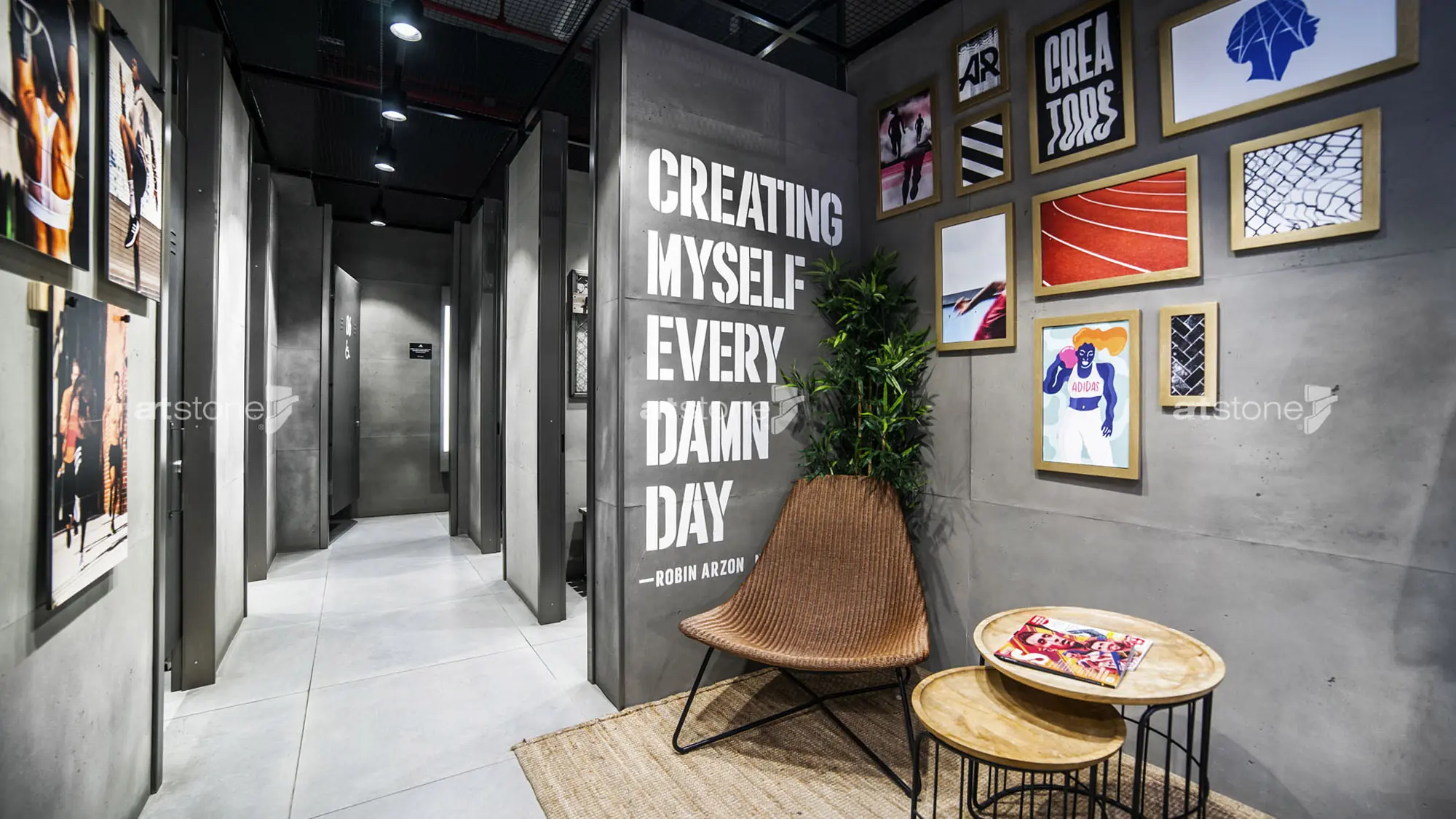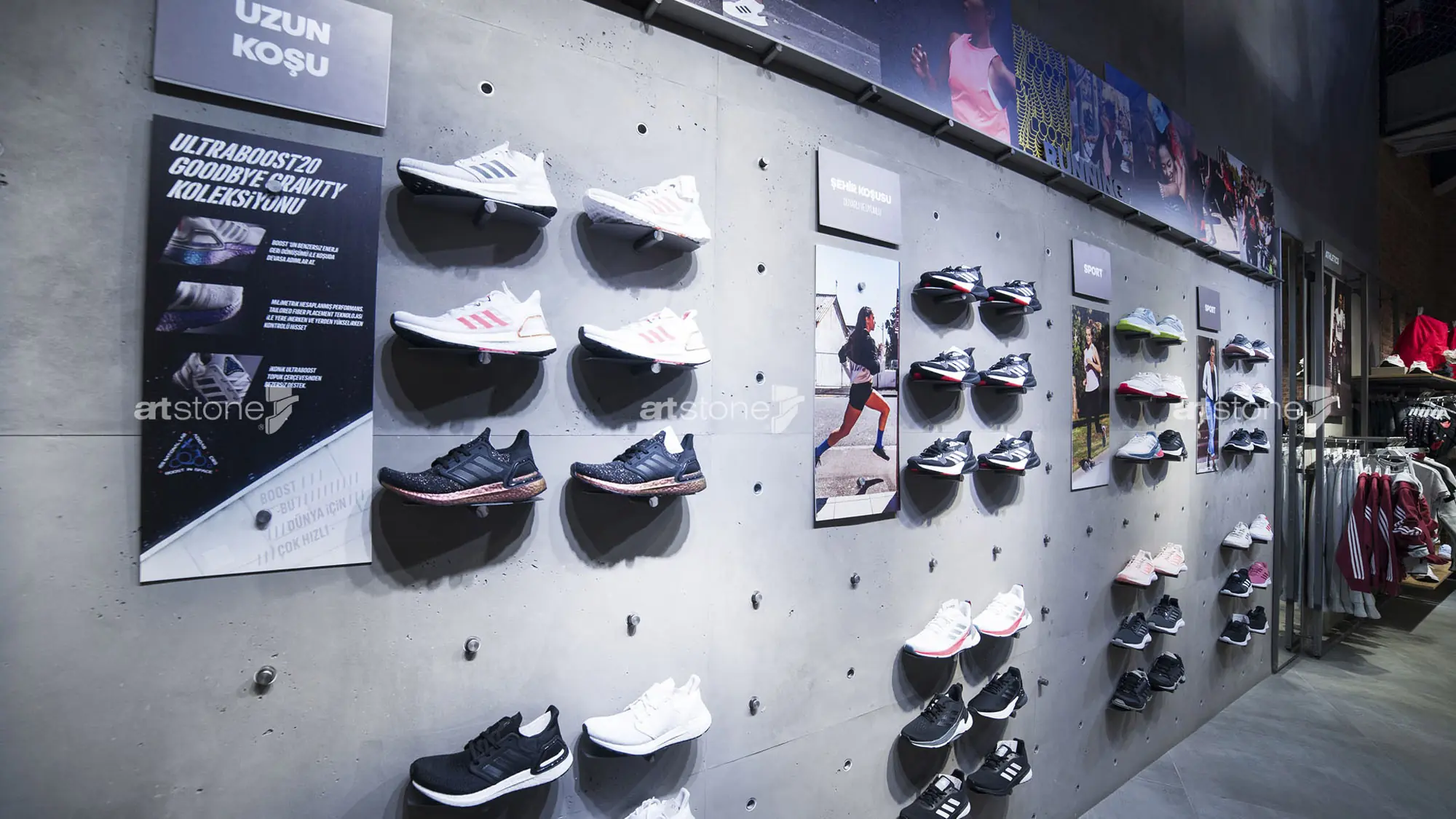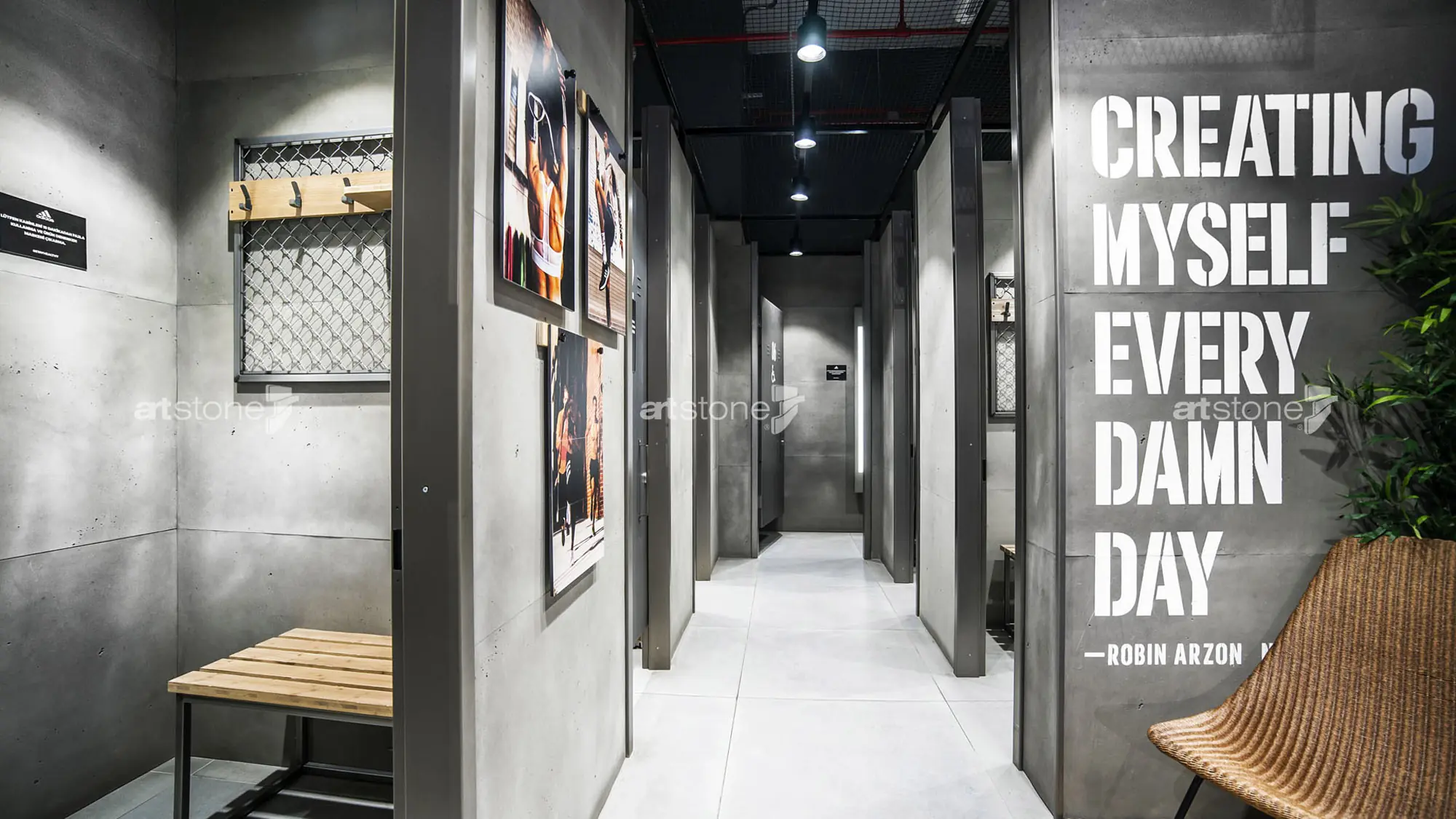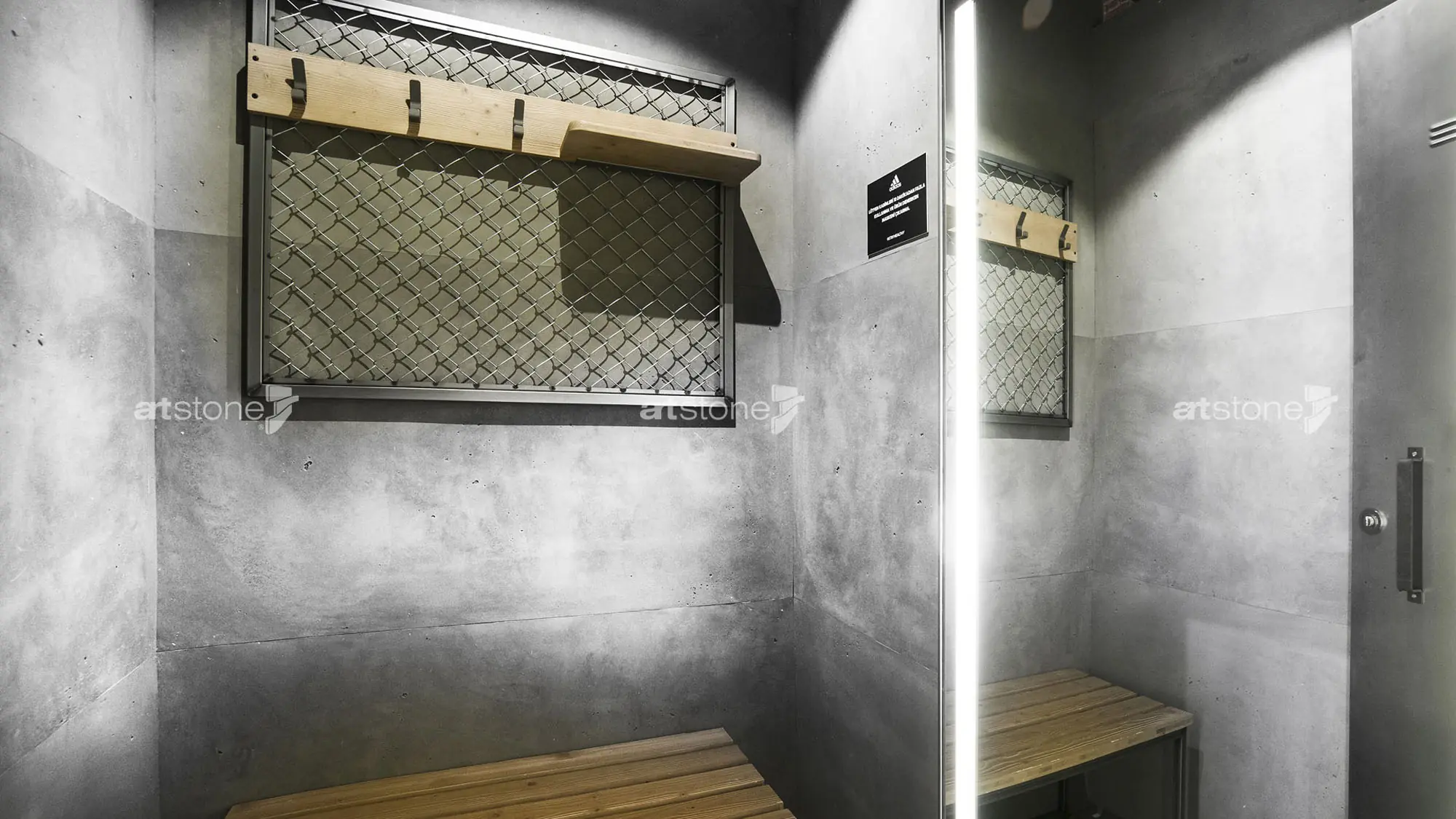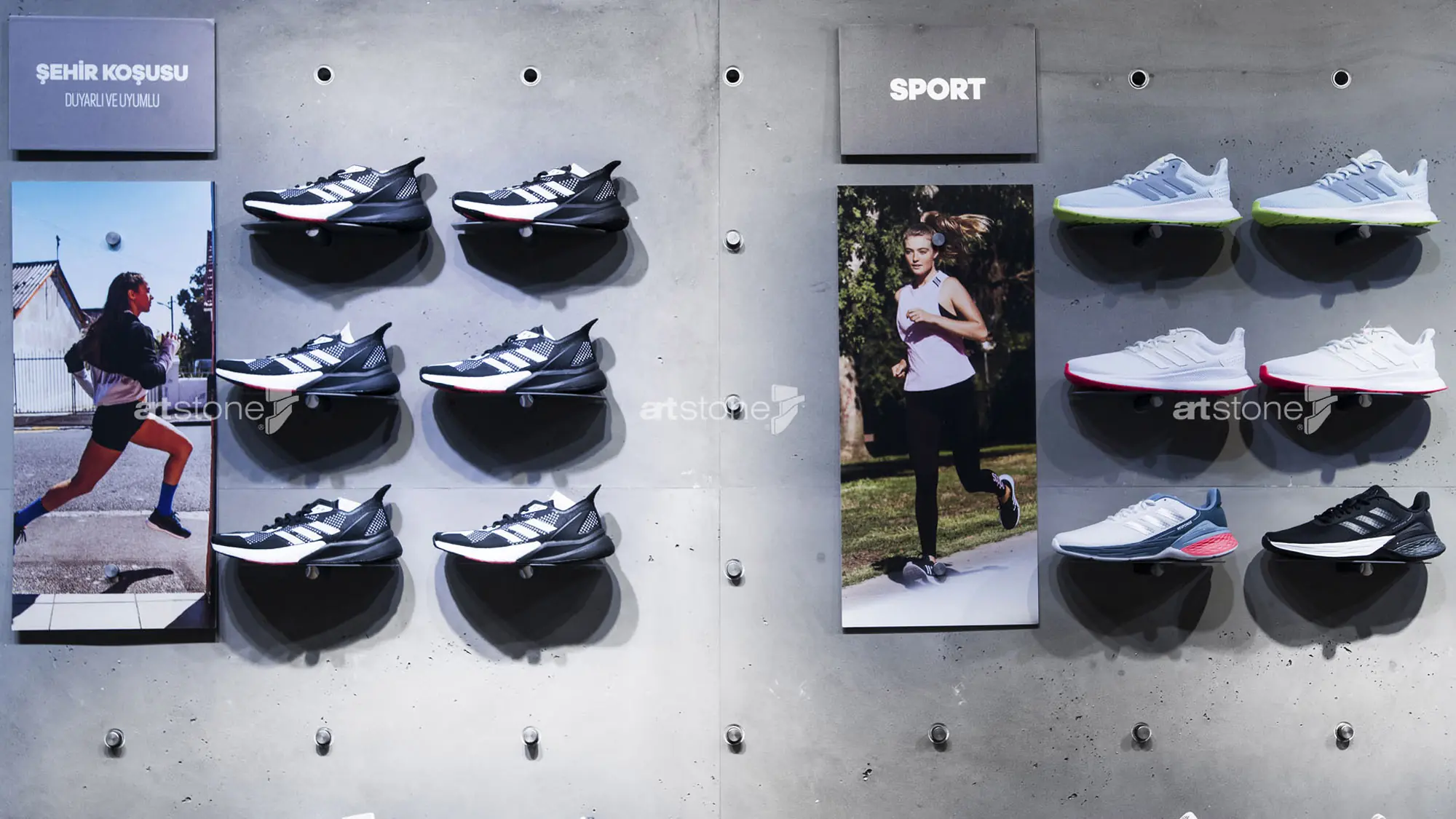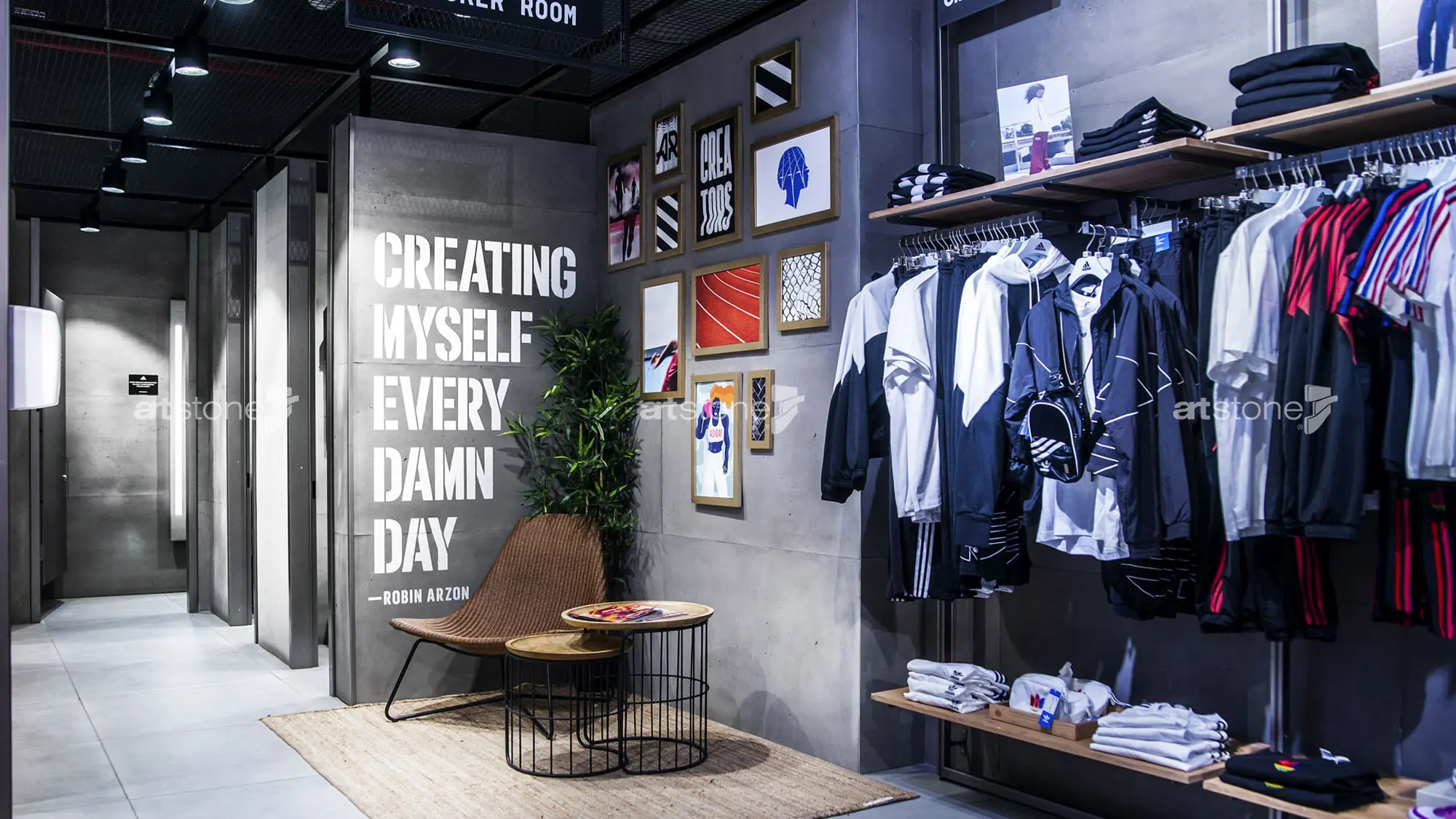
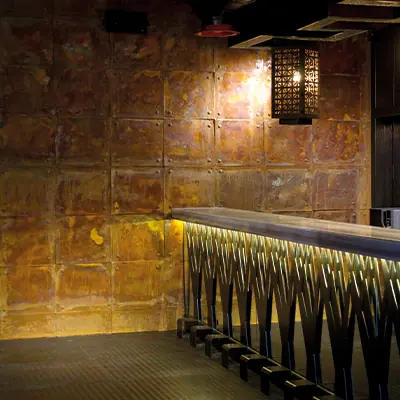
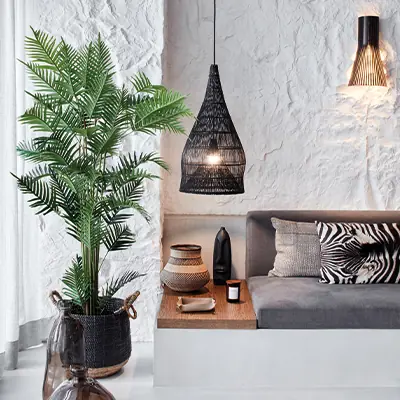
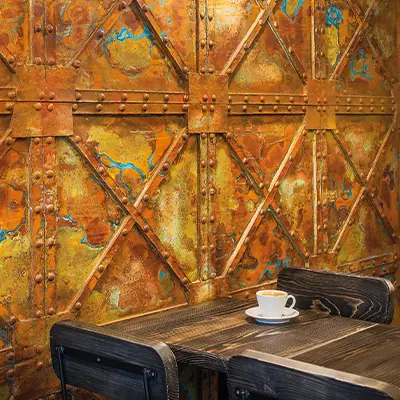
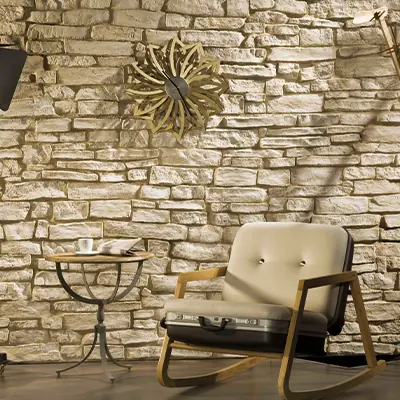










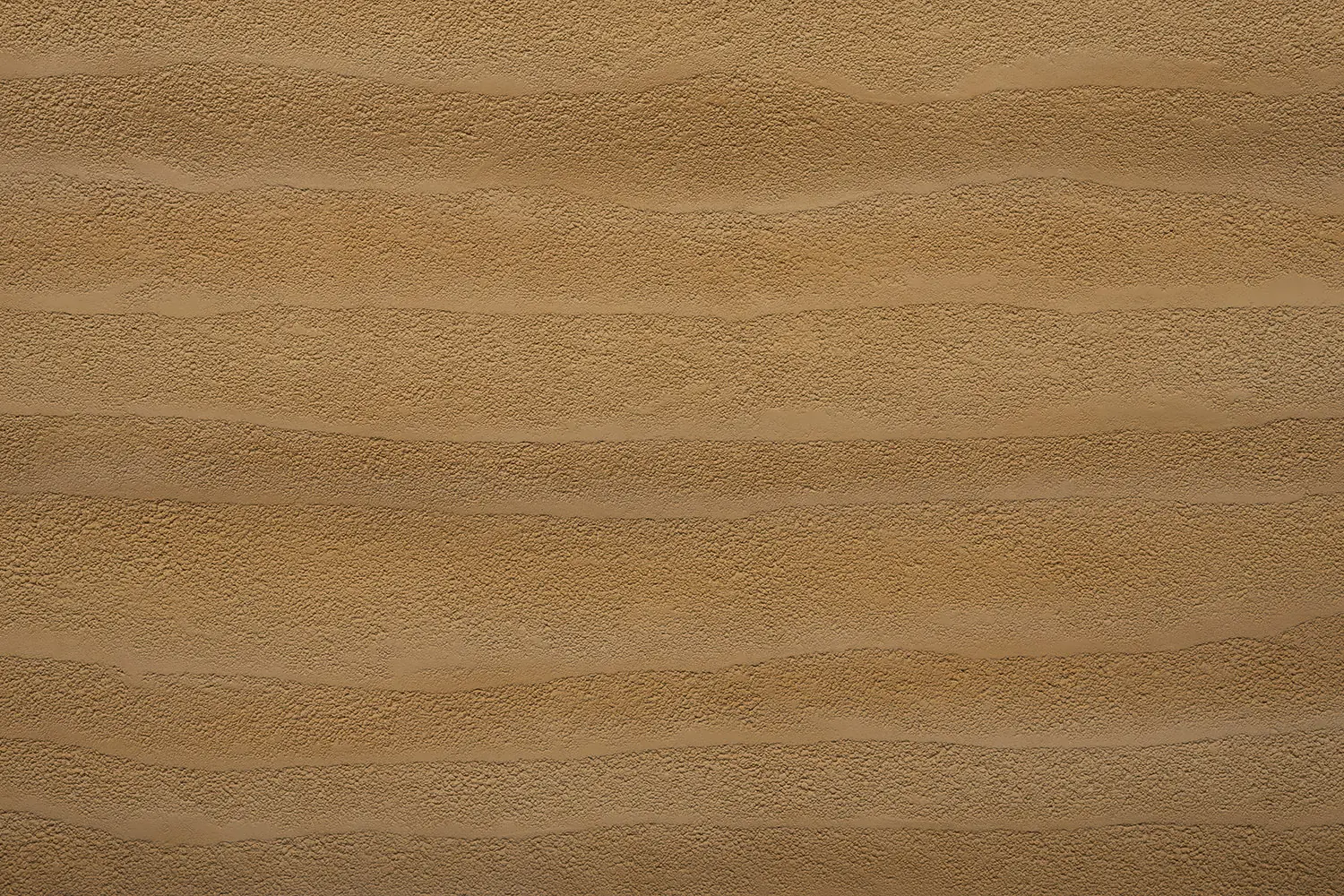
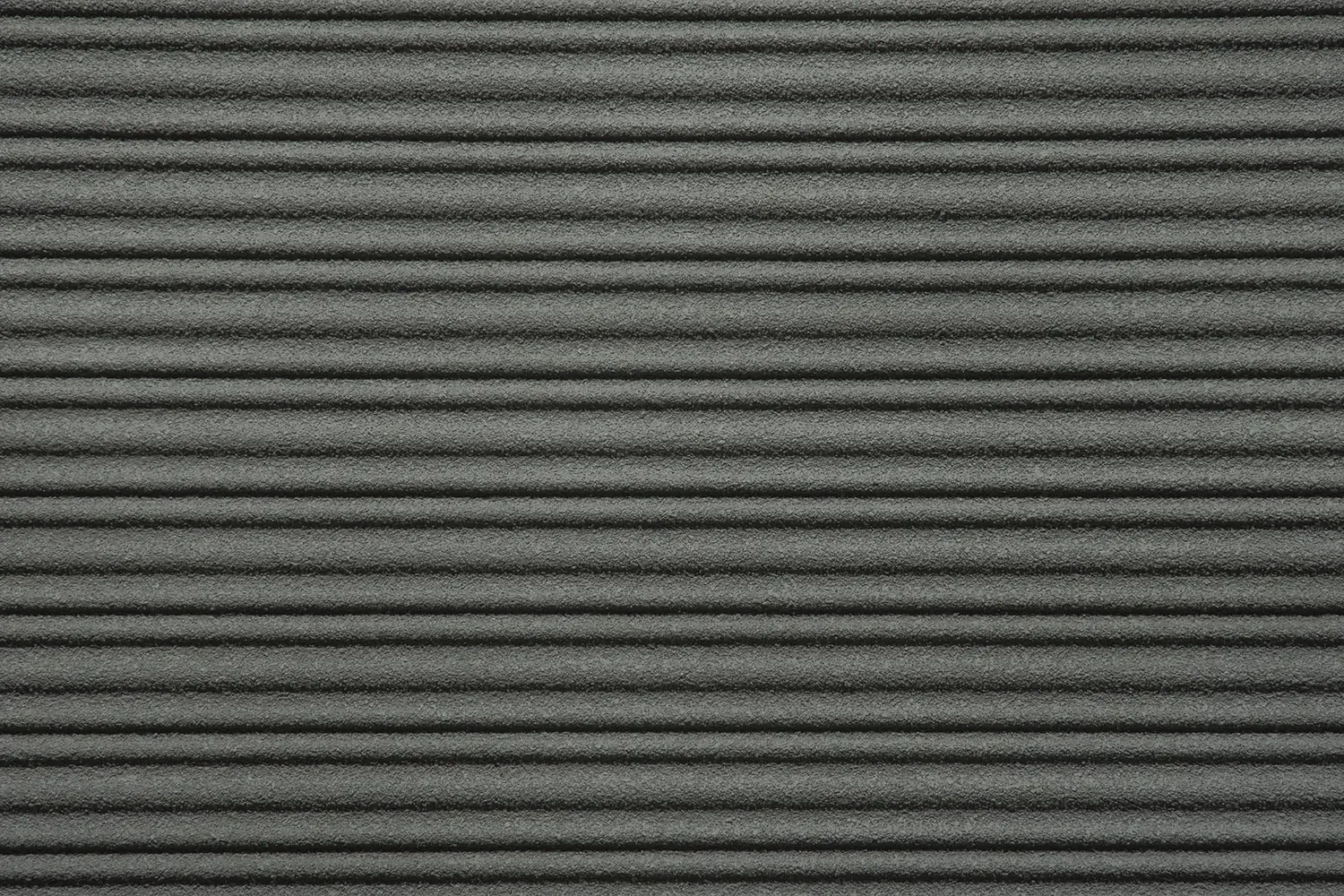
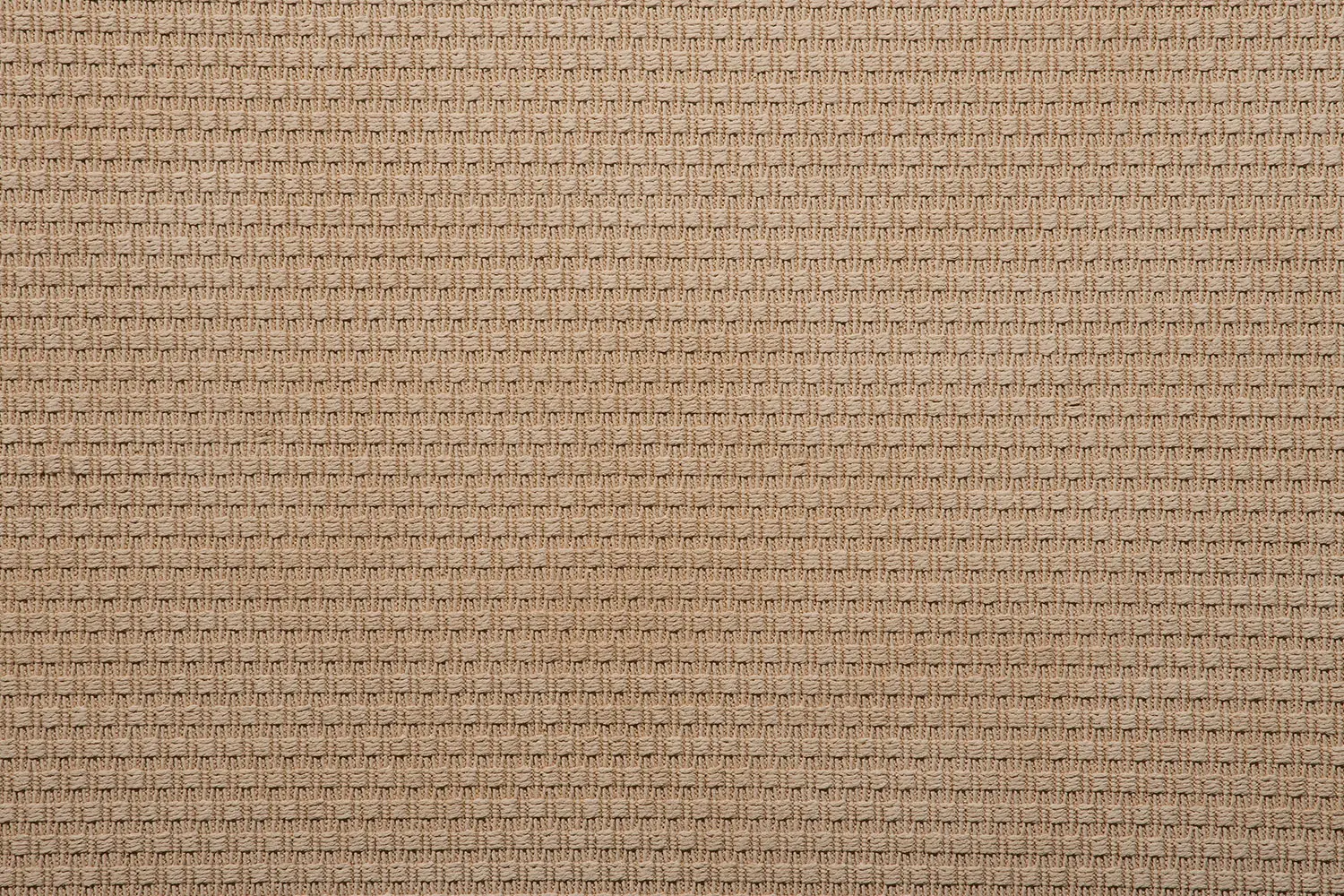
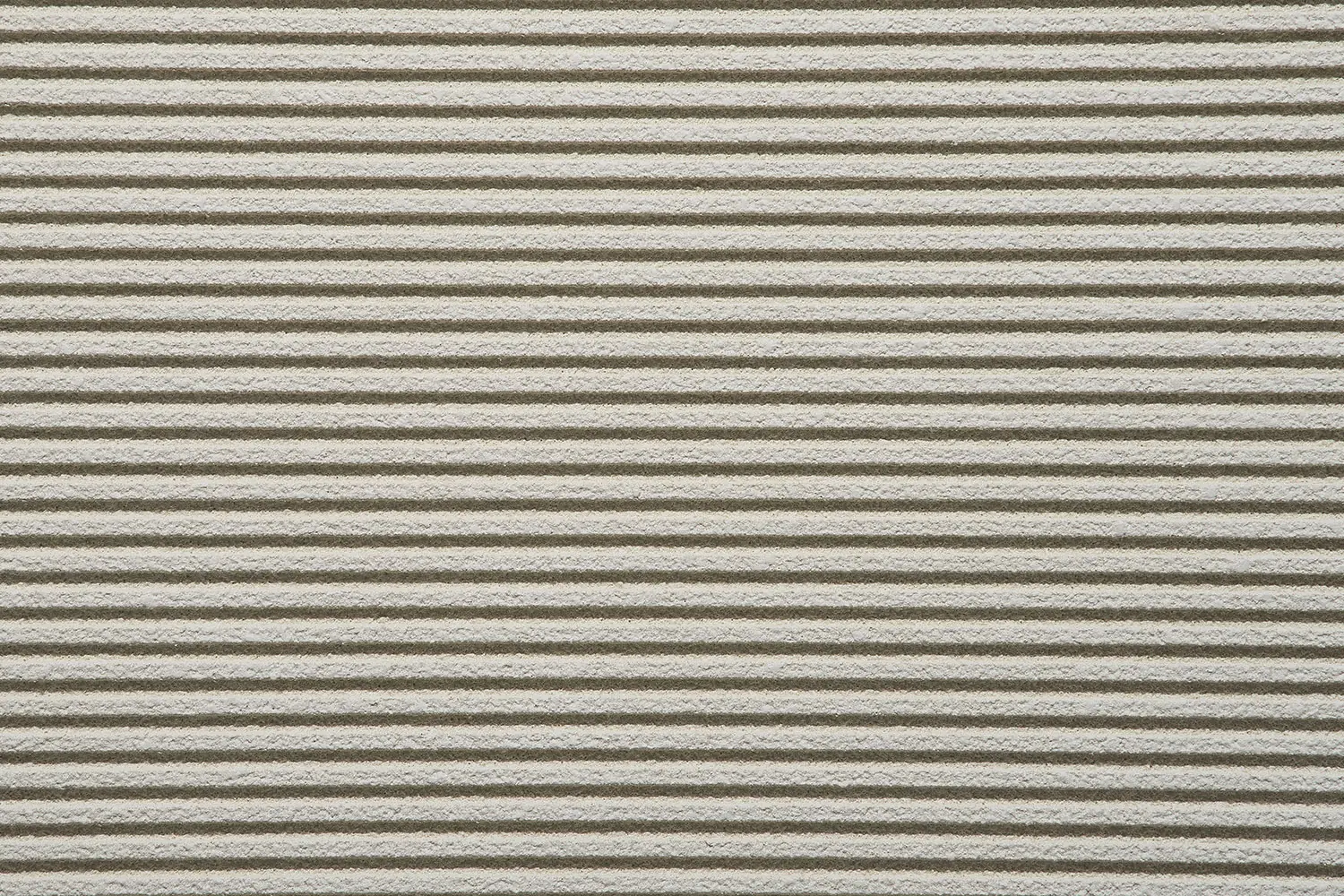

Phlox wall panel brings raw surface character into contemporary interiors through a porous, matte texture that feels natural without becoming visually heavy. Its understated relief creates depth through subtle changes in light rather than exaggerated three-dimensional forms.
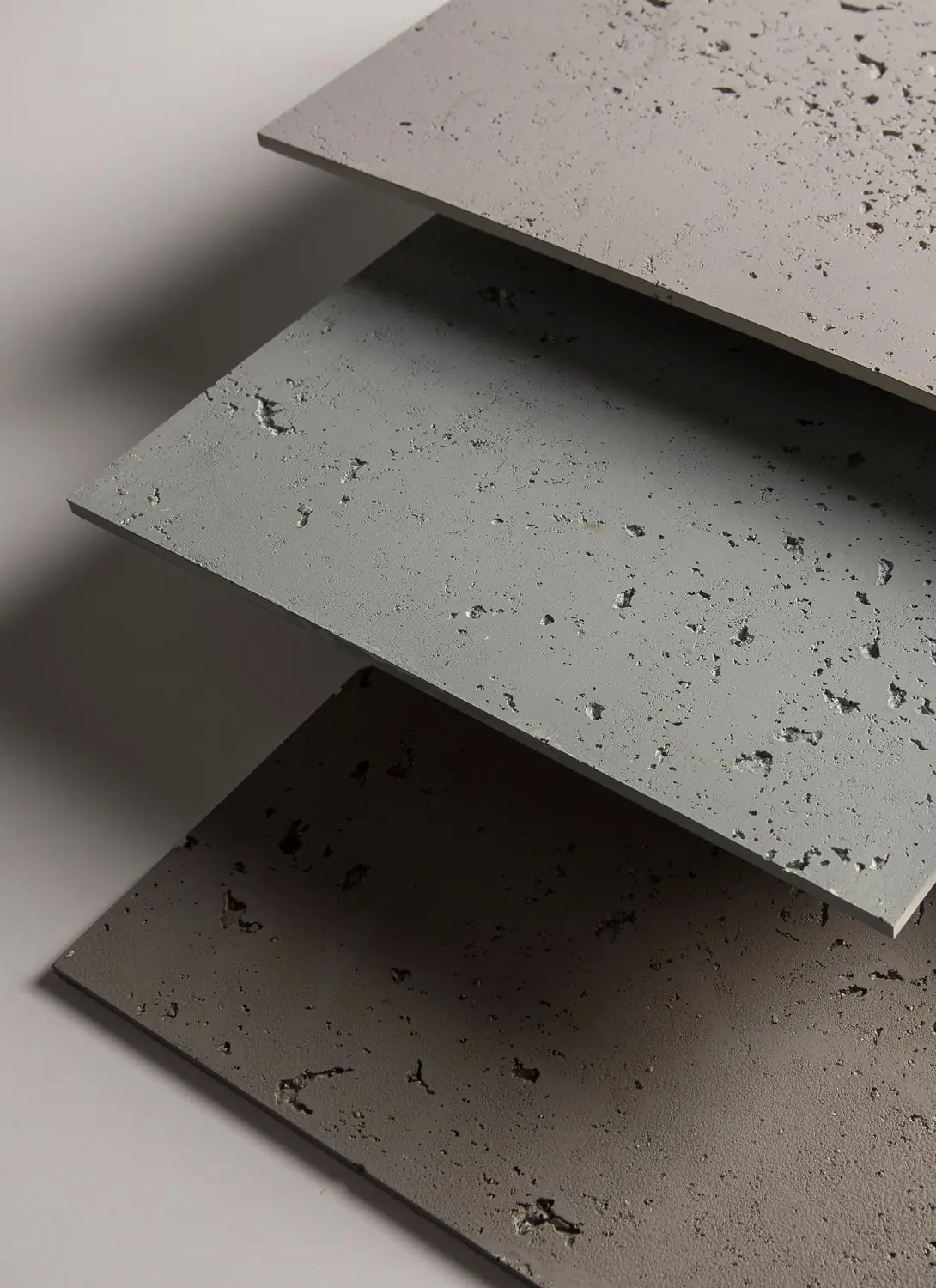
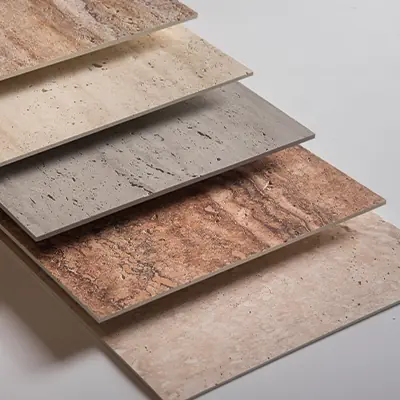
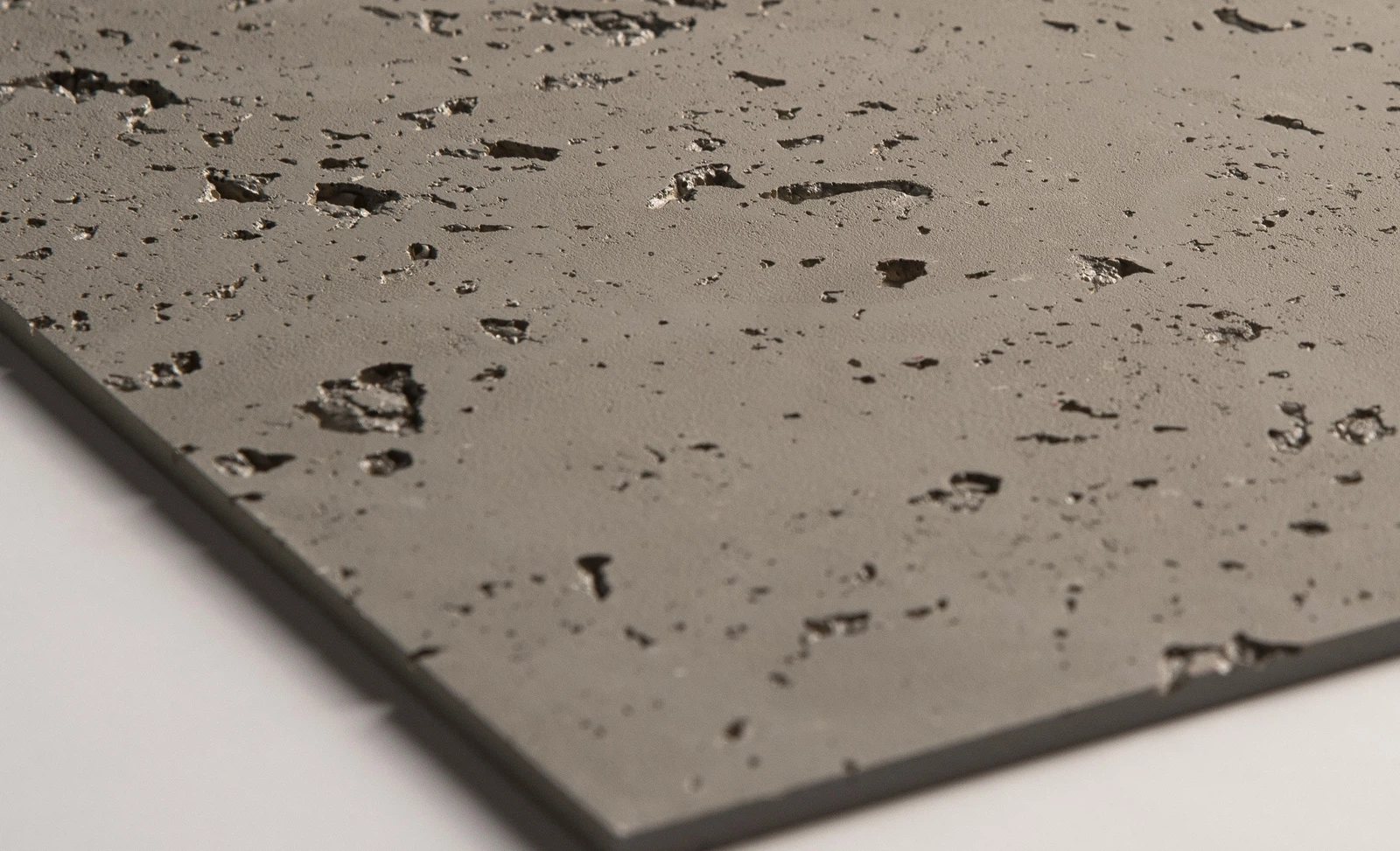
The surface of Phlox wall panel is defined by small pores, irregular mineral details, and a restrained matte finish. These characteristics allow light to settle softly across the wall, creating gentle shadow transitions throughout the day.
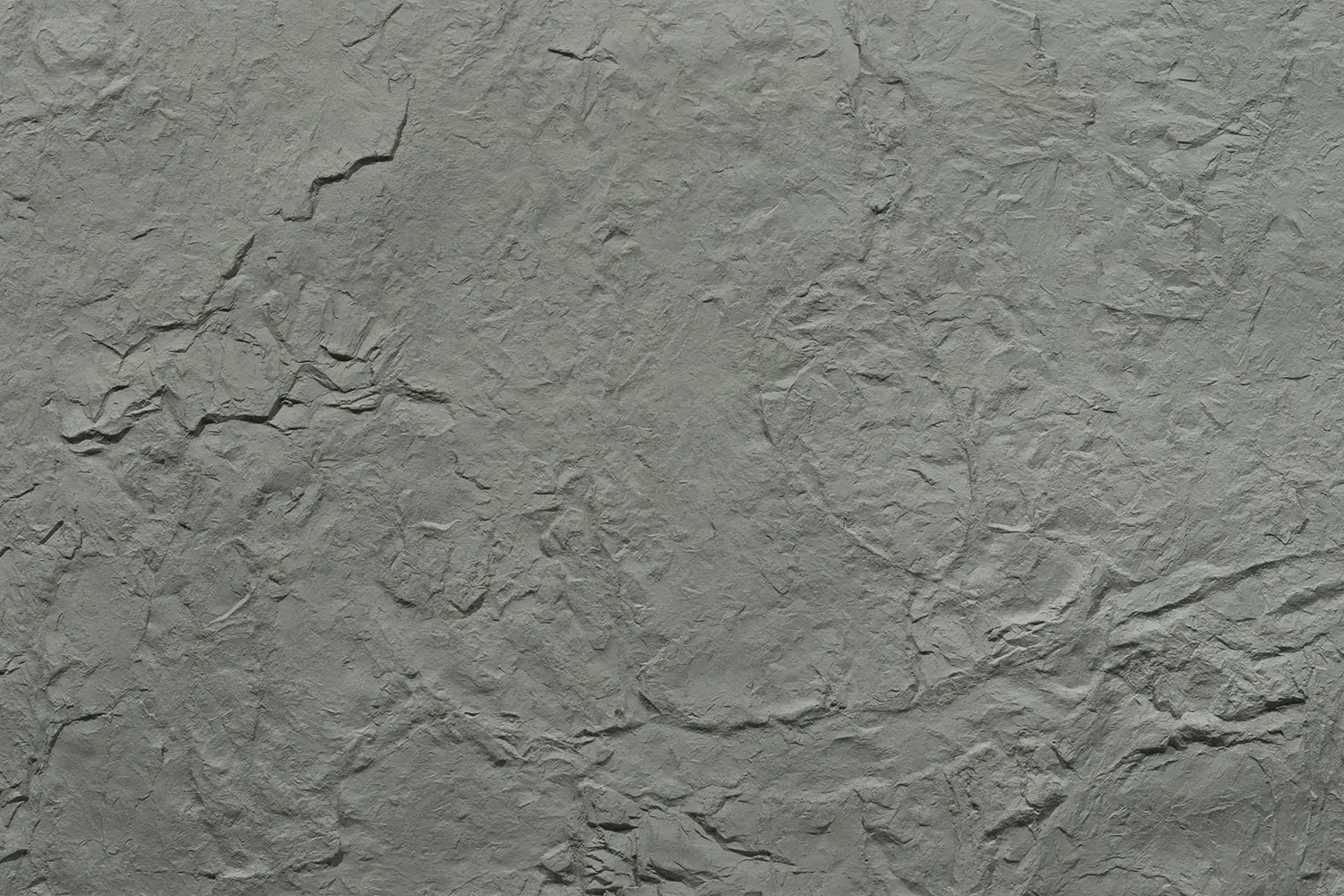
As a mineral based wall panel, Phlox offers a quieter interpretation of textured architectural surfaces. Instead of relying on sharp relief or highly pronounced geometry, it creates visual interest through material character and subtle tactile depth.
The porous wall panel structure gives Phlox a naturally varied appearance. Each area of the surface responds differently to illumination, helping the wall feel more dimensional while preserving the calm quality associated with minimal interiors.
Phlox wall panel belongs to Artstone’s Mineral Based Series and is classified with a concrete material character. Current product data lists industrial, modern minimal, and eclectic design contexts among its associated styles.
The mineral based wall panel measures approximately 110 × 280 cm and has a thickness of 5 mm. Its listed weight is approximately 5.6–5.8 kg/m², supporting its use as a large-format interior surface solution.
Phlox wall panel is designed primarily for interior architectural applications. The professional technical information specifies interior wall and ceiling cladding, making the surface suitable for controlled indoor environments rather than exposed exterior use.
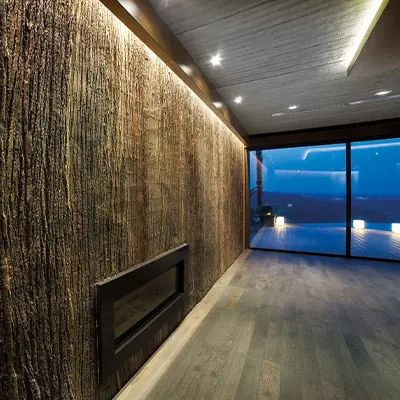
The porous wall panel character becomes especially visible under directional lighting. Soft shadows form around the surface cavities, giving the wall a subtle sense of depth without creating strong visual contrast.
Under diffuse lighting, Phlox wall panel appears calmer and more uniform. The matte surface reduces visual glare, allowing the material texture to remain present while supporting a more restrained architectural atmosphere.
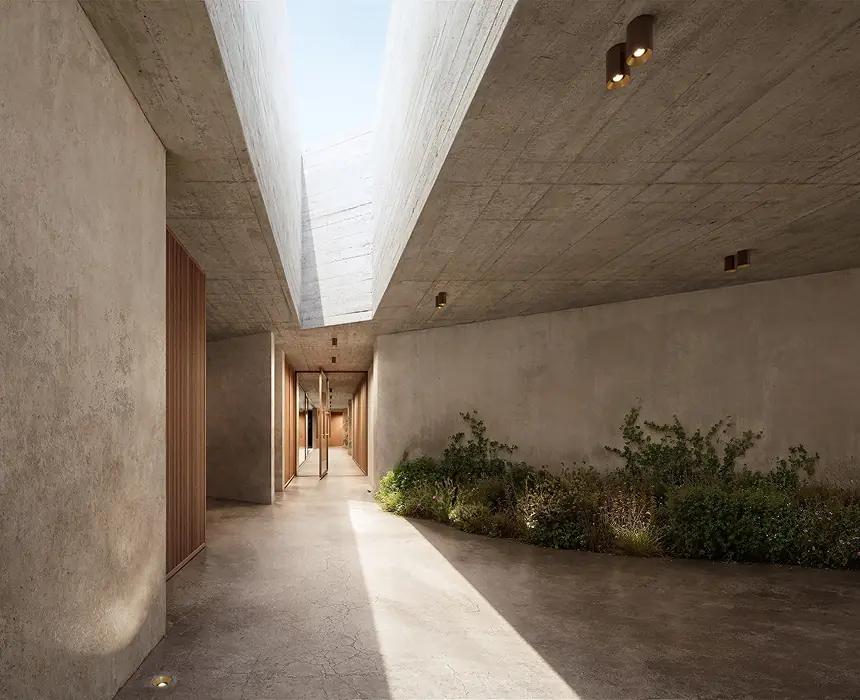
A mineral based wall panel such as Phlox works naturally with materials such as timber, glass, metal, and smooth concrete finishes. These combinations can strengthen either the warmer natural side of the surface or its more industrial architectural character.
Among decorative wall panels, Phlox is distinguished by its balance between tactile texture and simplicity. Its visual strength comes from the material surface itself rather than from ornamental pattern, sharp geometry, or deep sculptural relief.
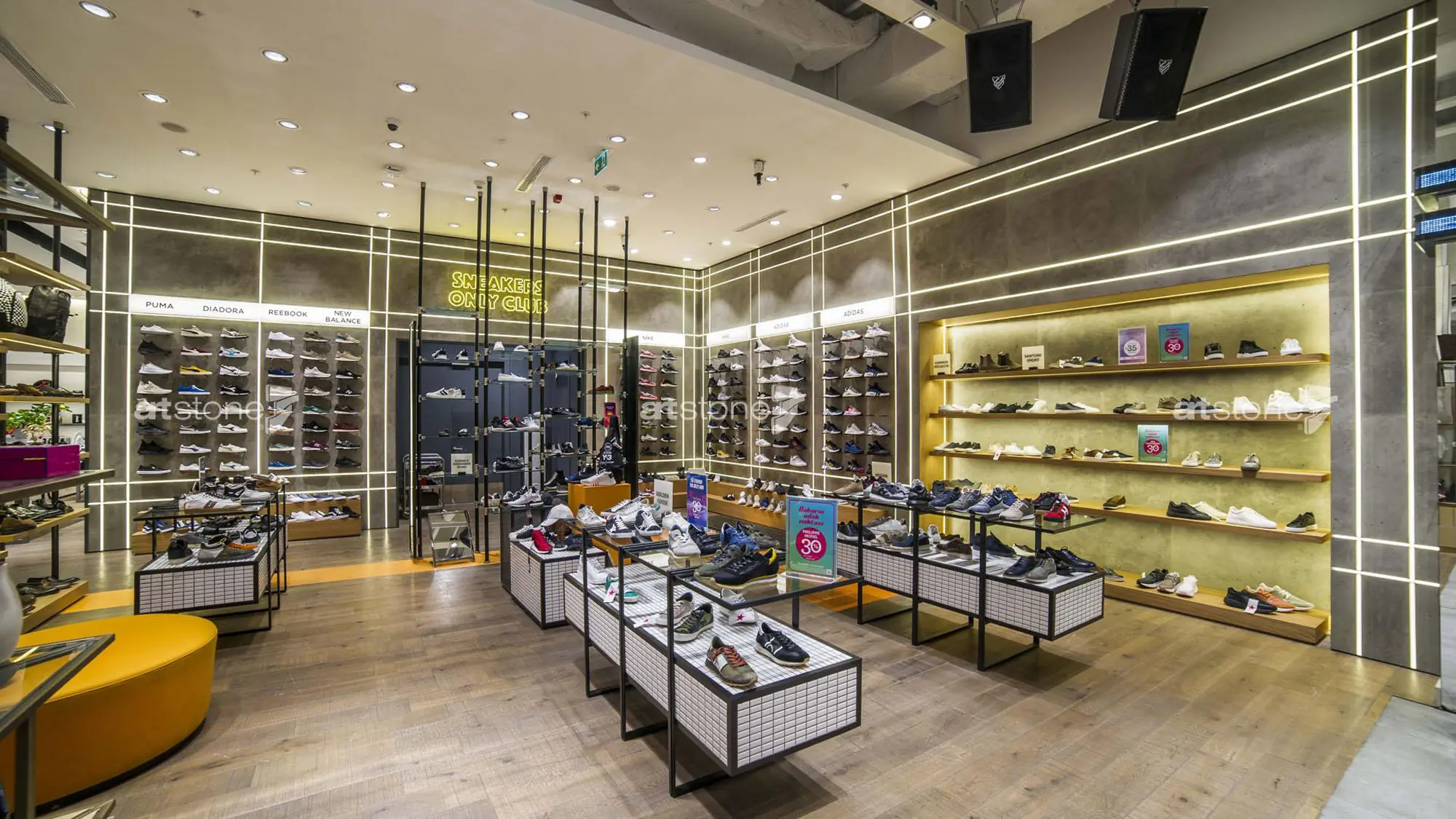
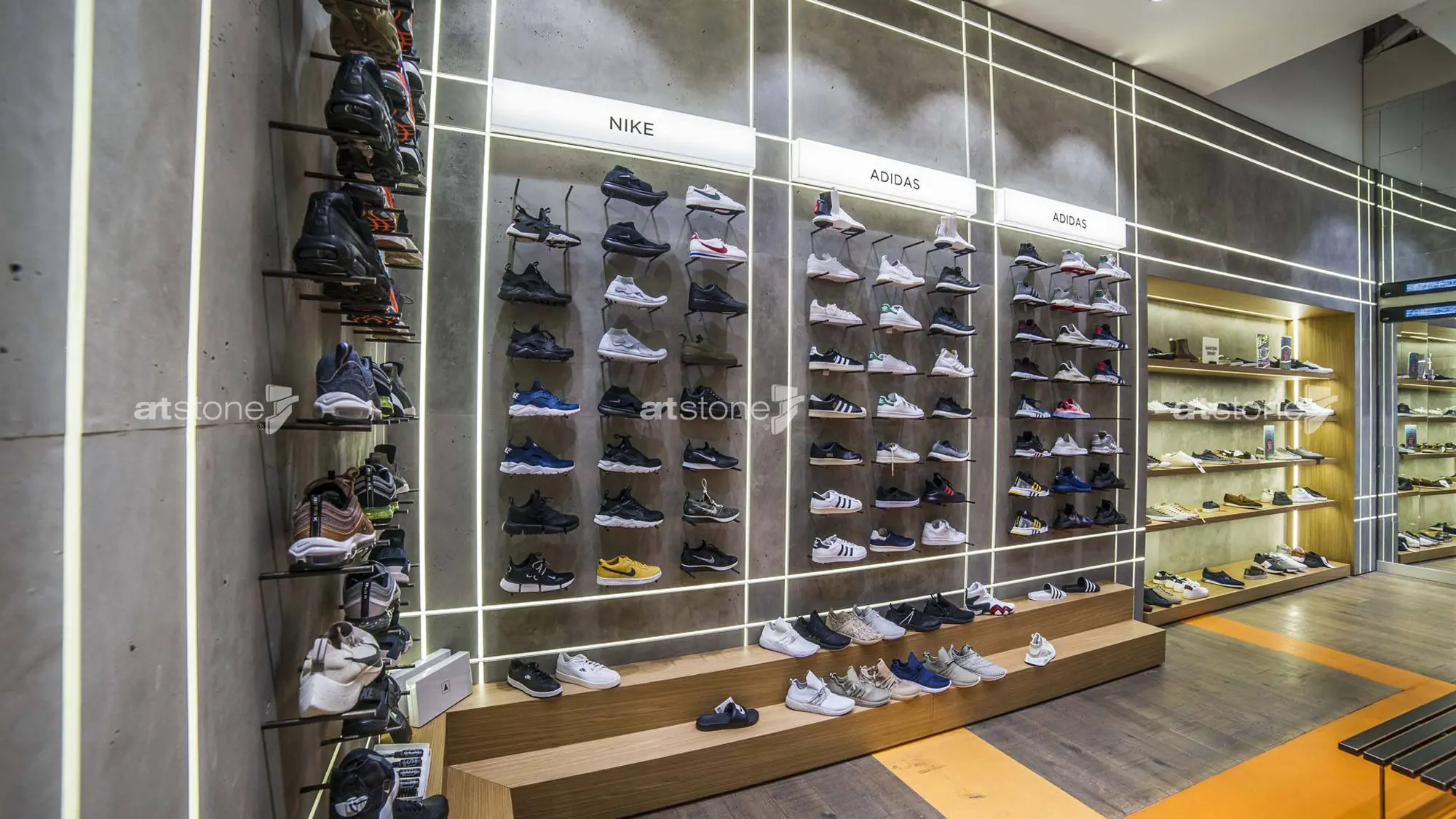
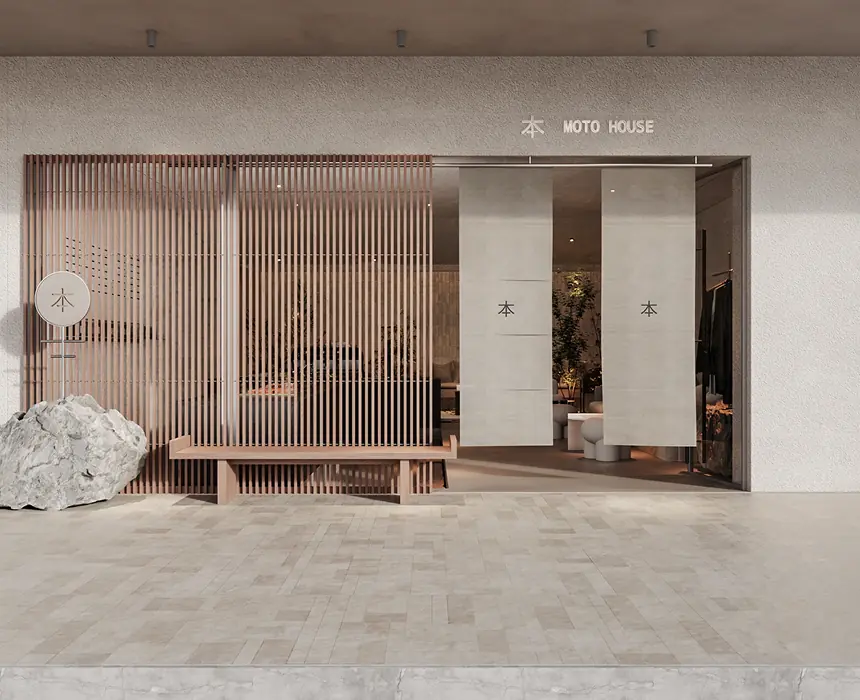
Phlox wall panel is particularly compatible with modern residential spaces, hotels, restaurants, offices, showrooms, and retail interiors. Its understated texture can work as a feature wall while remaining controlled enough to support furniture, lighting, and other architectural elements.
The mineral based wall panel can also create a strong background in commercial interiors where material character is important but excessive visual movement is not desired. Its matte appearance helps the wall remain sophisticated and calm.
Phlox wall panel has a 5 mm pattern depth according to current professional technical data. This limited relief is important to its identity because the effect remains tactile and dimensional without becoming aggressively sculptural.
The porous wall panel surface therefore creates a different type of 3D effect from panels built around deep projections or pronounced geometric forms. Phlox develops depth through texture, micro-shadow, and gradual tonal variation.
As a mineral based wall panel, Phlox also supports large-format architectural continuity. Its 110 × 280 cm format helps reduce visual interruptions across broader walls, allowing the porous texture to read as one cohesive surface.
Phlox wall panel is installed using adhesive bonding according to the professional product specification. The current technical information also identifies compatible substrates including reinforced concrete, plastered surfaces, gypsum board, fiber cement, MDF, and similar prepared surfaces.
Among decorative wall panels, Phlox also offers a material character that can move between minimal and industrial interiors. With simple furniture, its surface appears calm and understated; alongside metal details, the porous texture becomes more pronounced and architectural.
The mineral based wall panel is also documented with Zero VOC content, recyclable mineral composition, and an EPD certificate. These characteristics form part of the current professional technical information for Phlox and support its use in projects that consider environmental product documentation.
Phlox wall panel ultimately combines matte restraint, porous texture, and subtle dimensionality in one contemporary surface. Its character is defined by quiet material depth rather than dramatic form, making it especially suitable for interiors that seek natural texture without visual excess.
For projects exploring decorative wall panels with a softer and more refined surface language, Phlox offers a distinctive alternative. As a mineral based wall panel, it brings together porous detail, modern simplicity, and the calm architectural expression of a matte mineral surface.