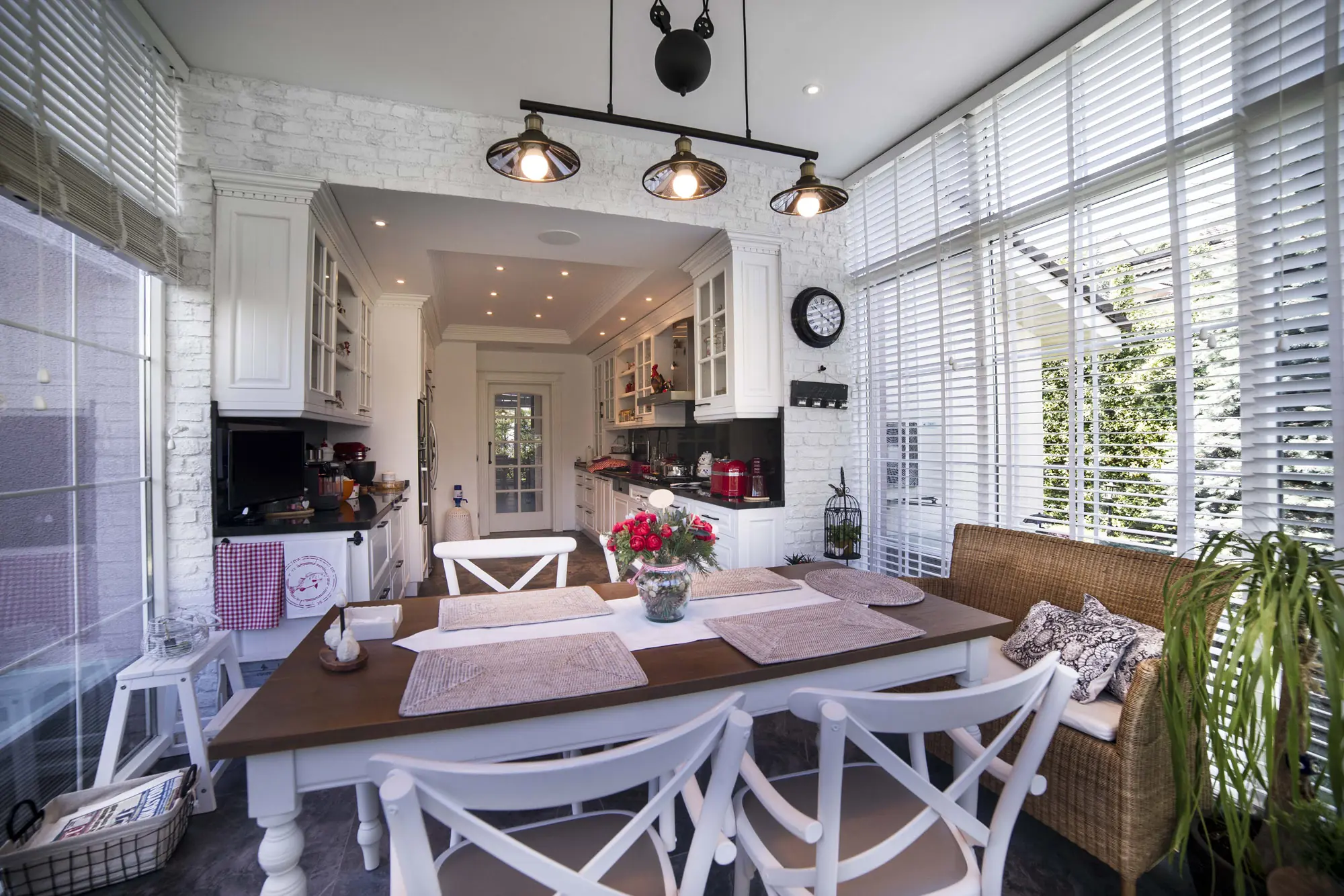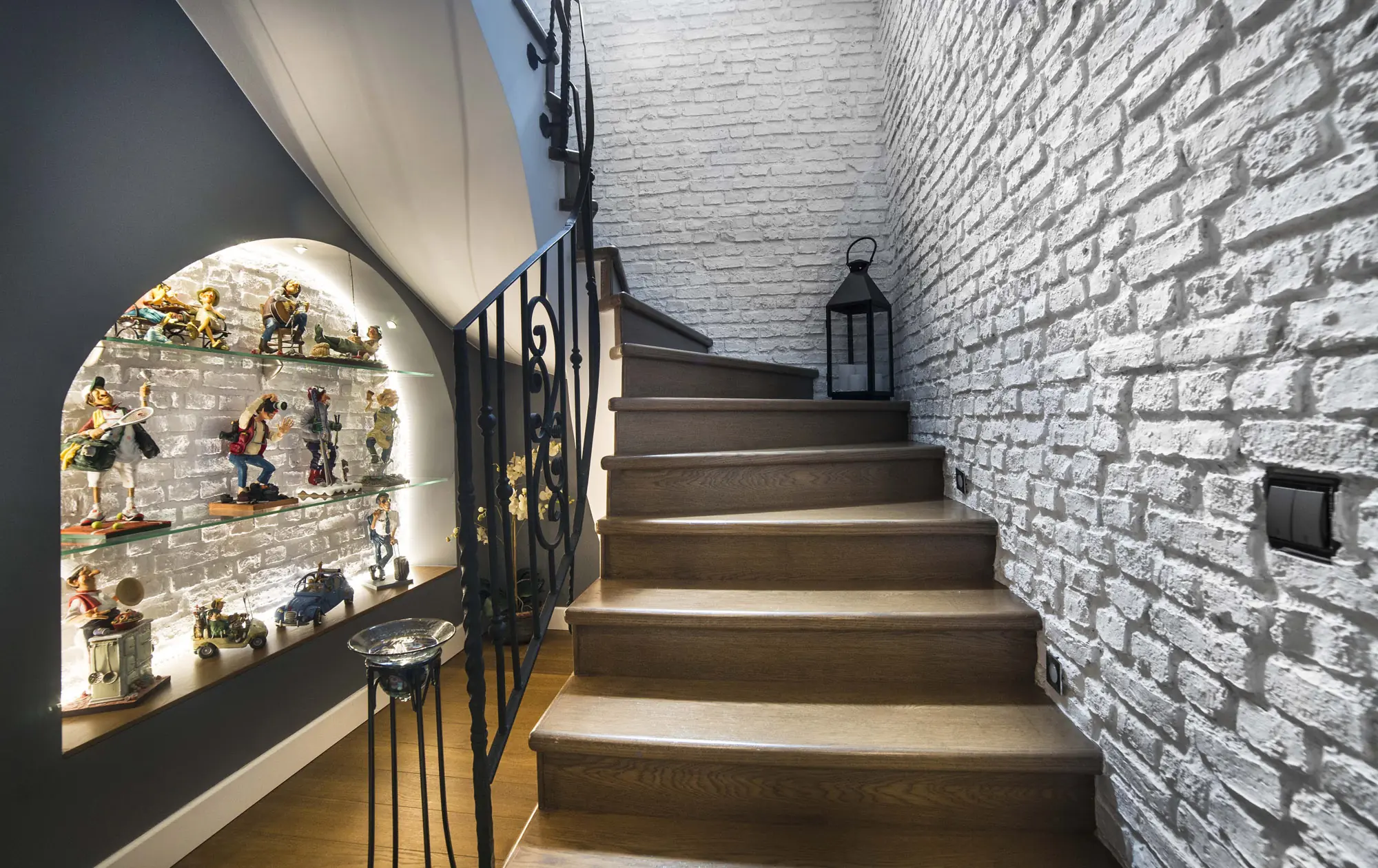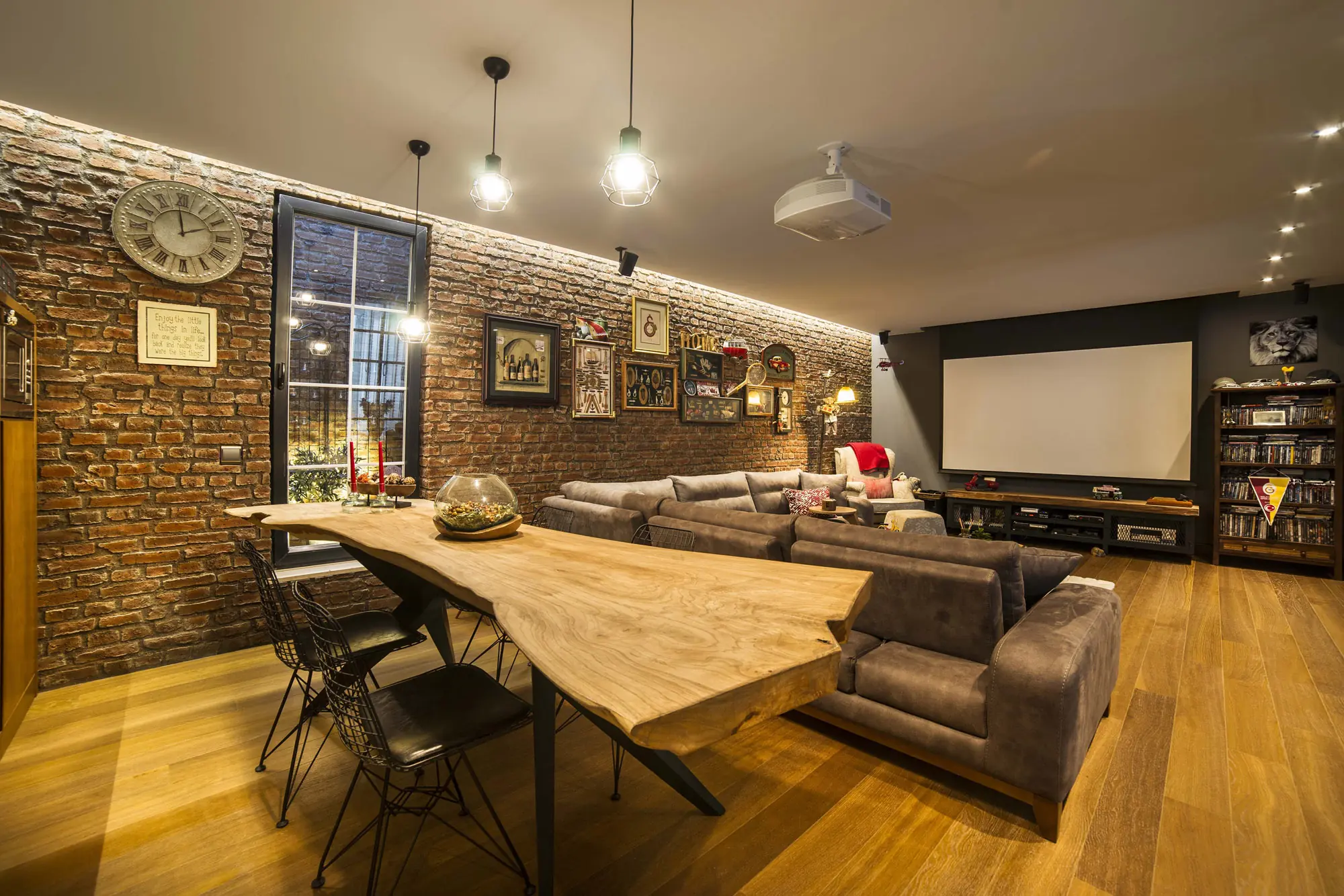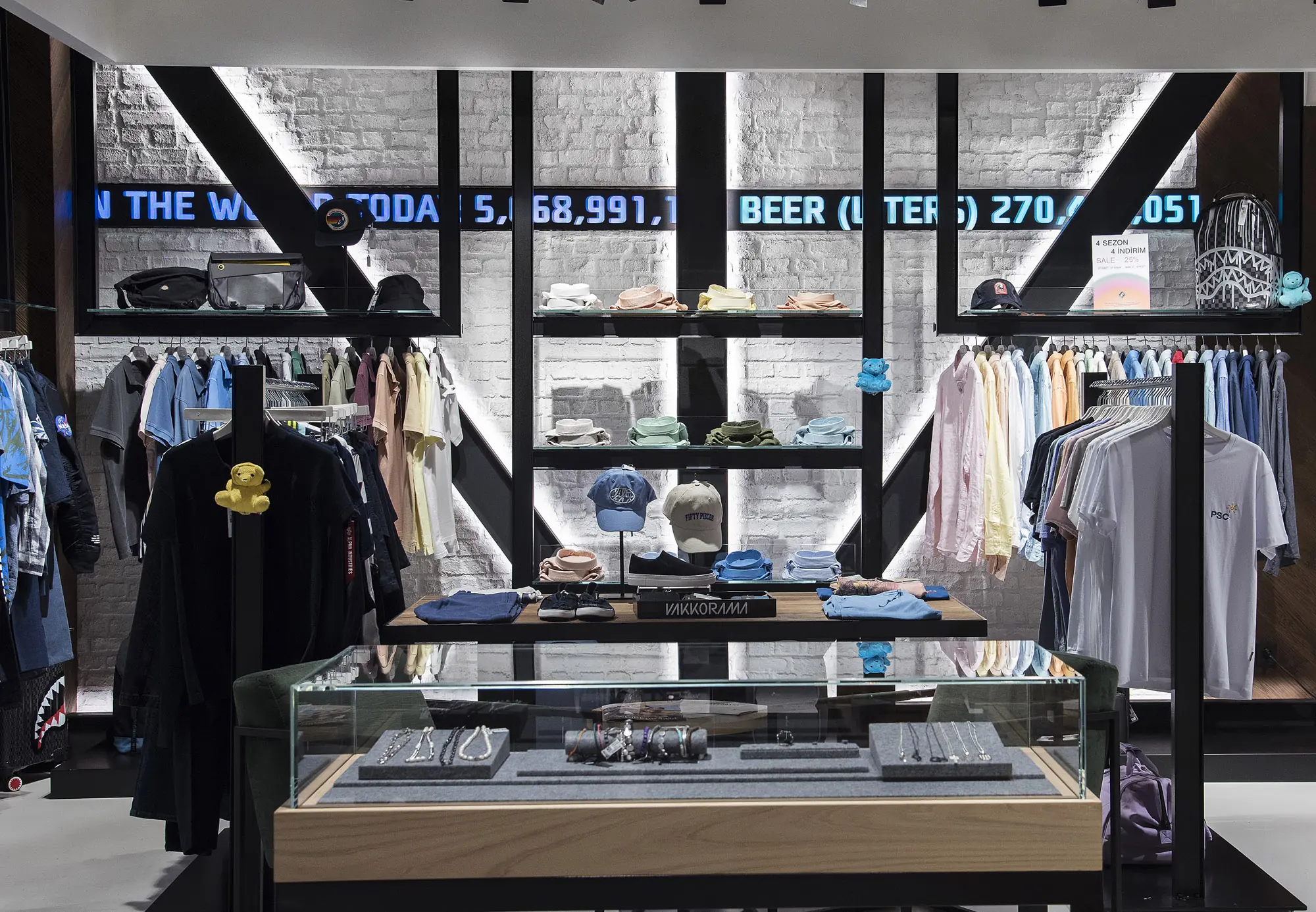
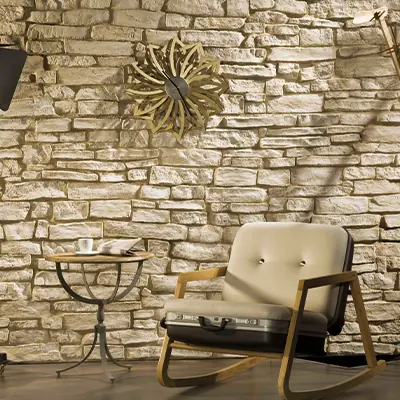
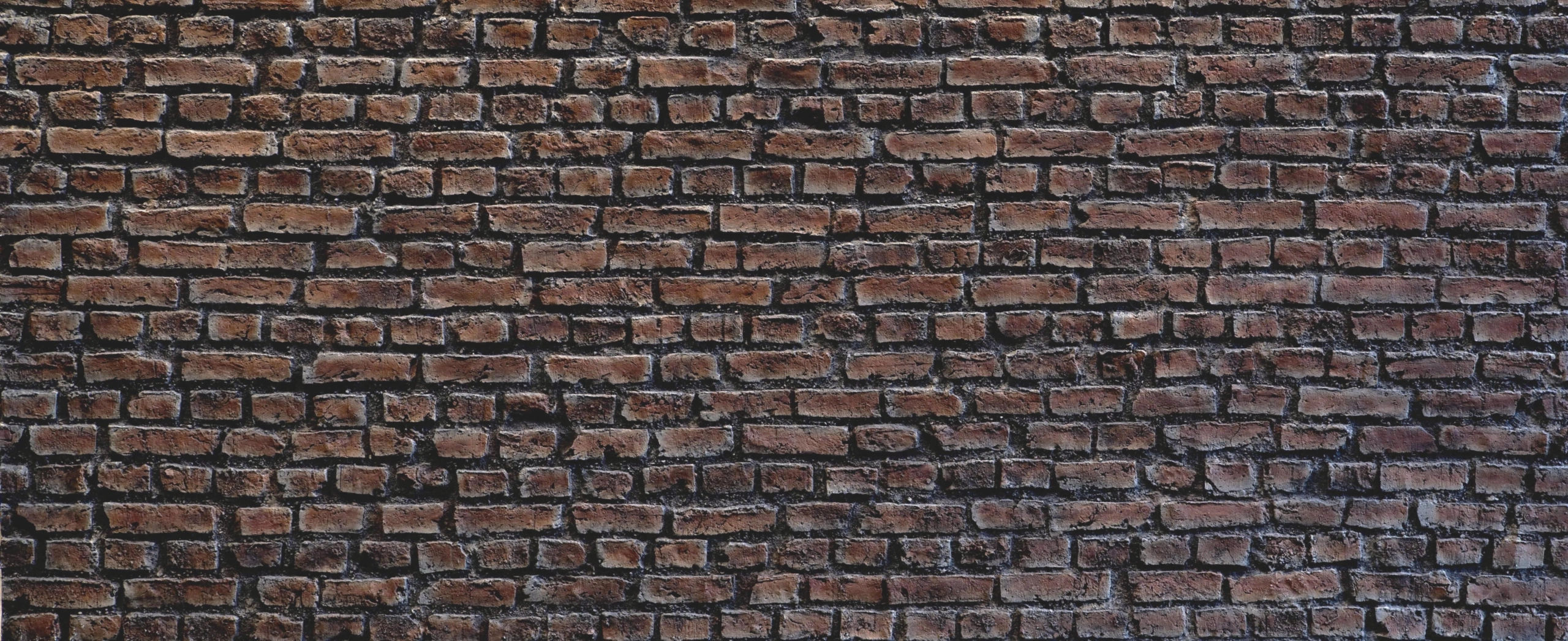
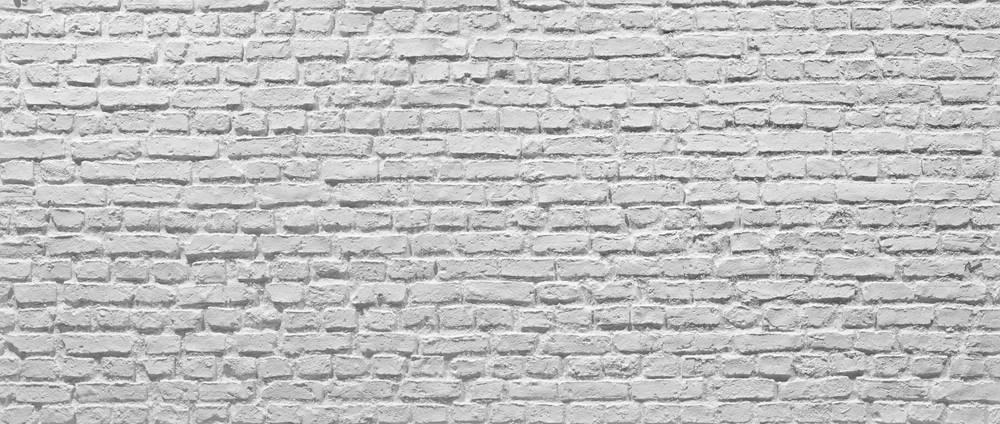
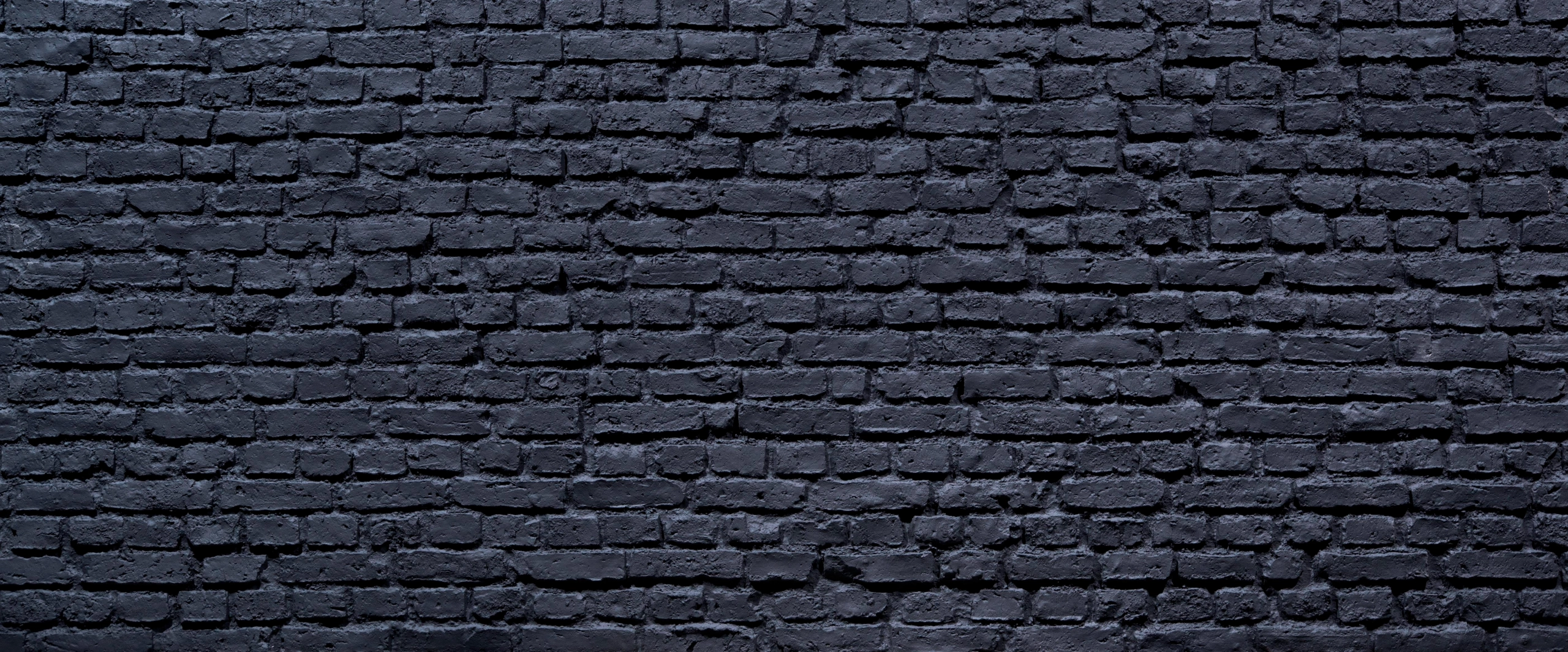
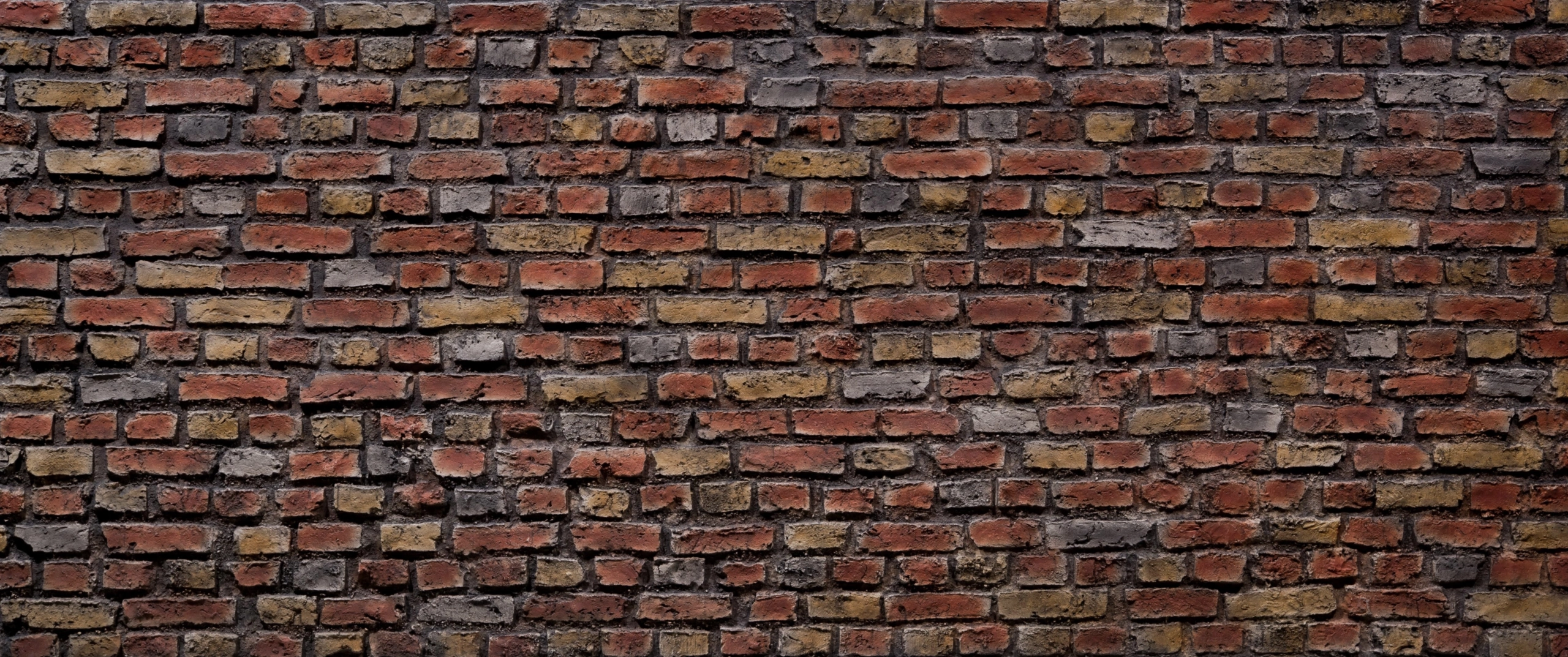
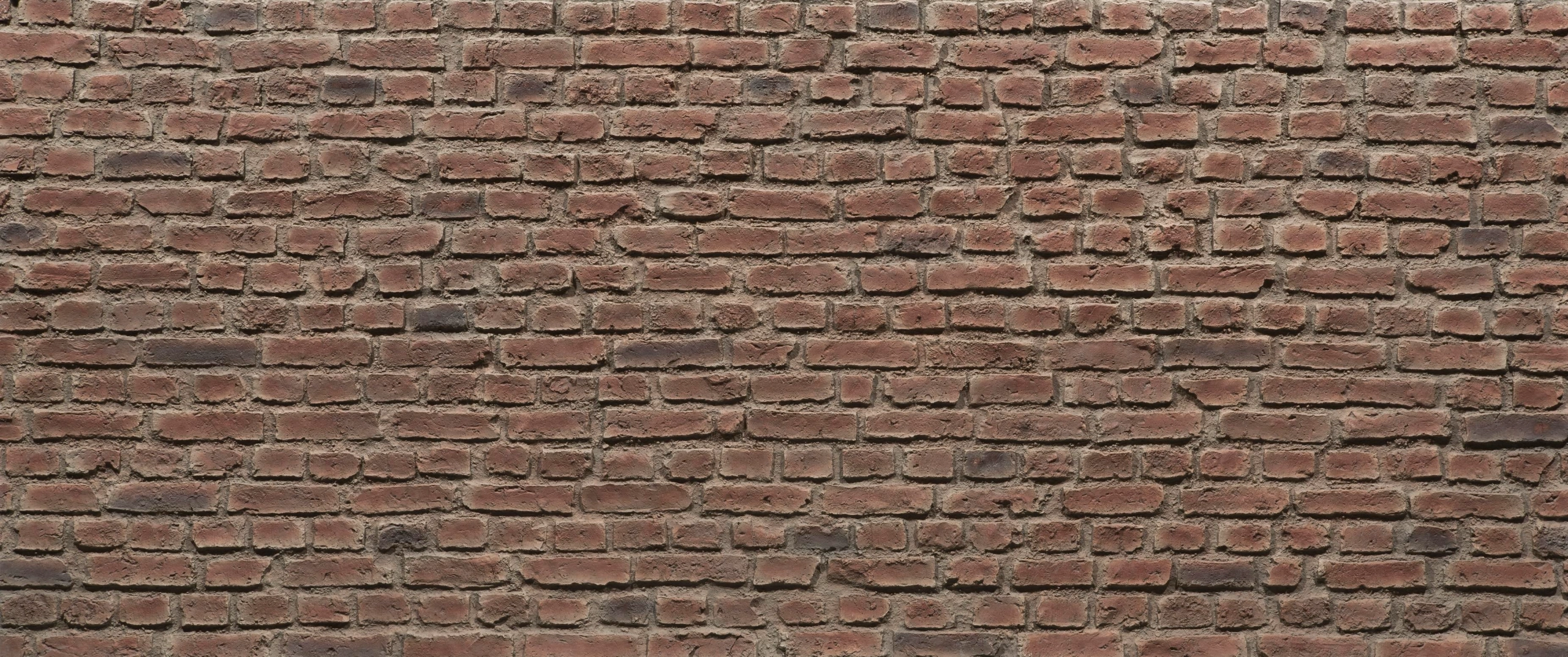
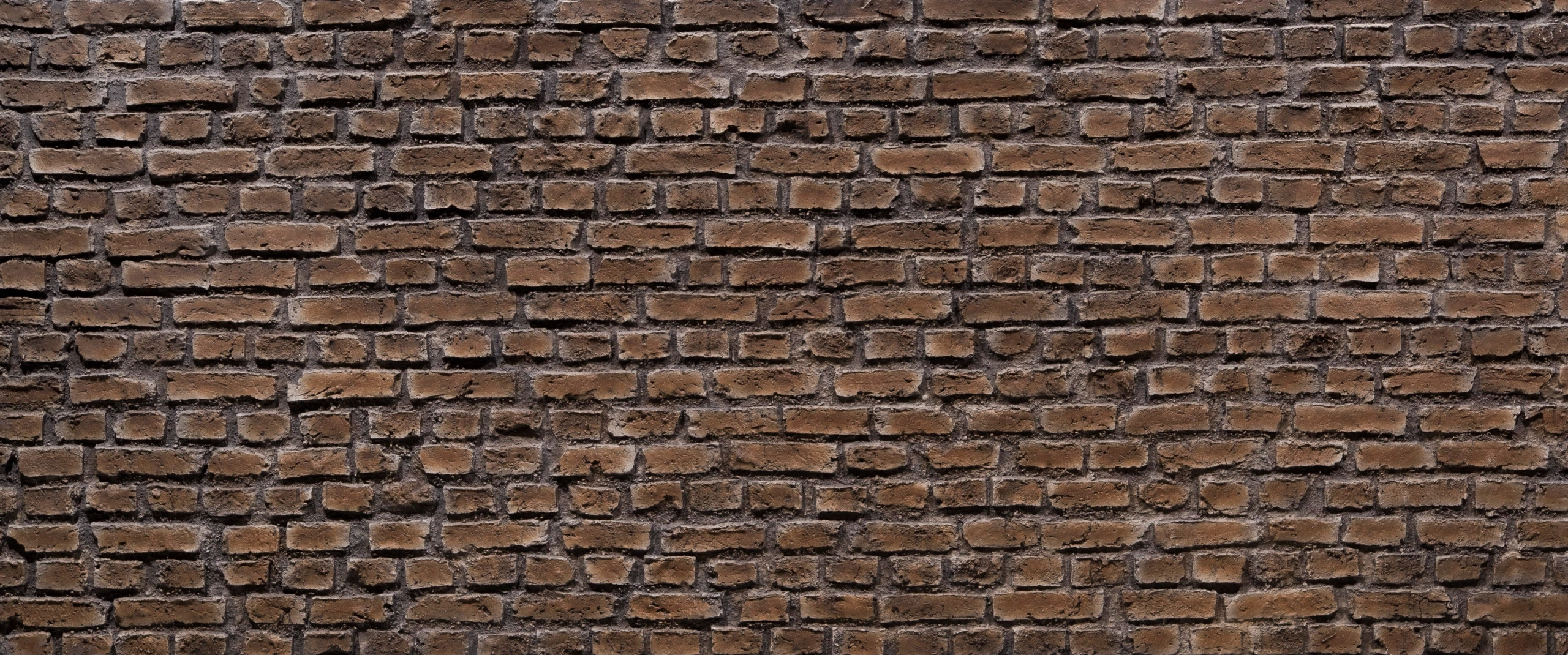
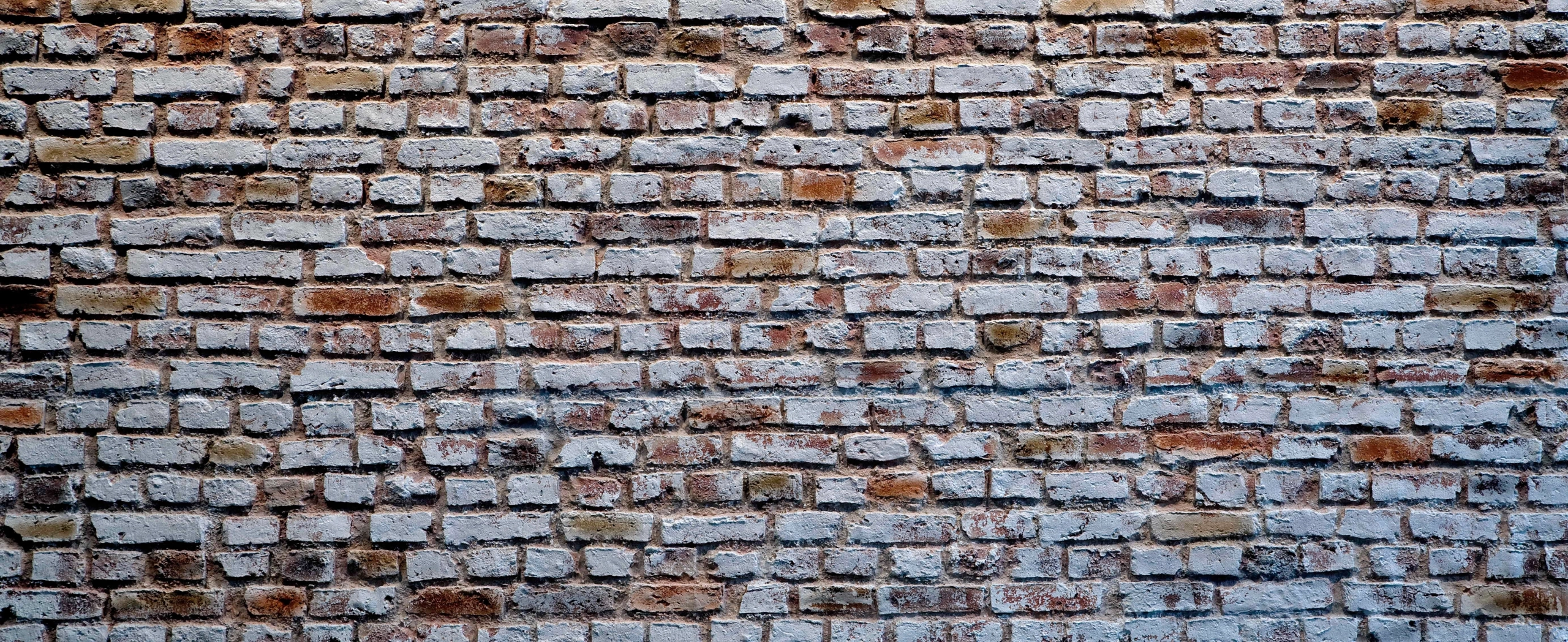
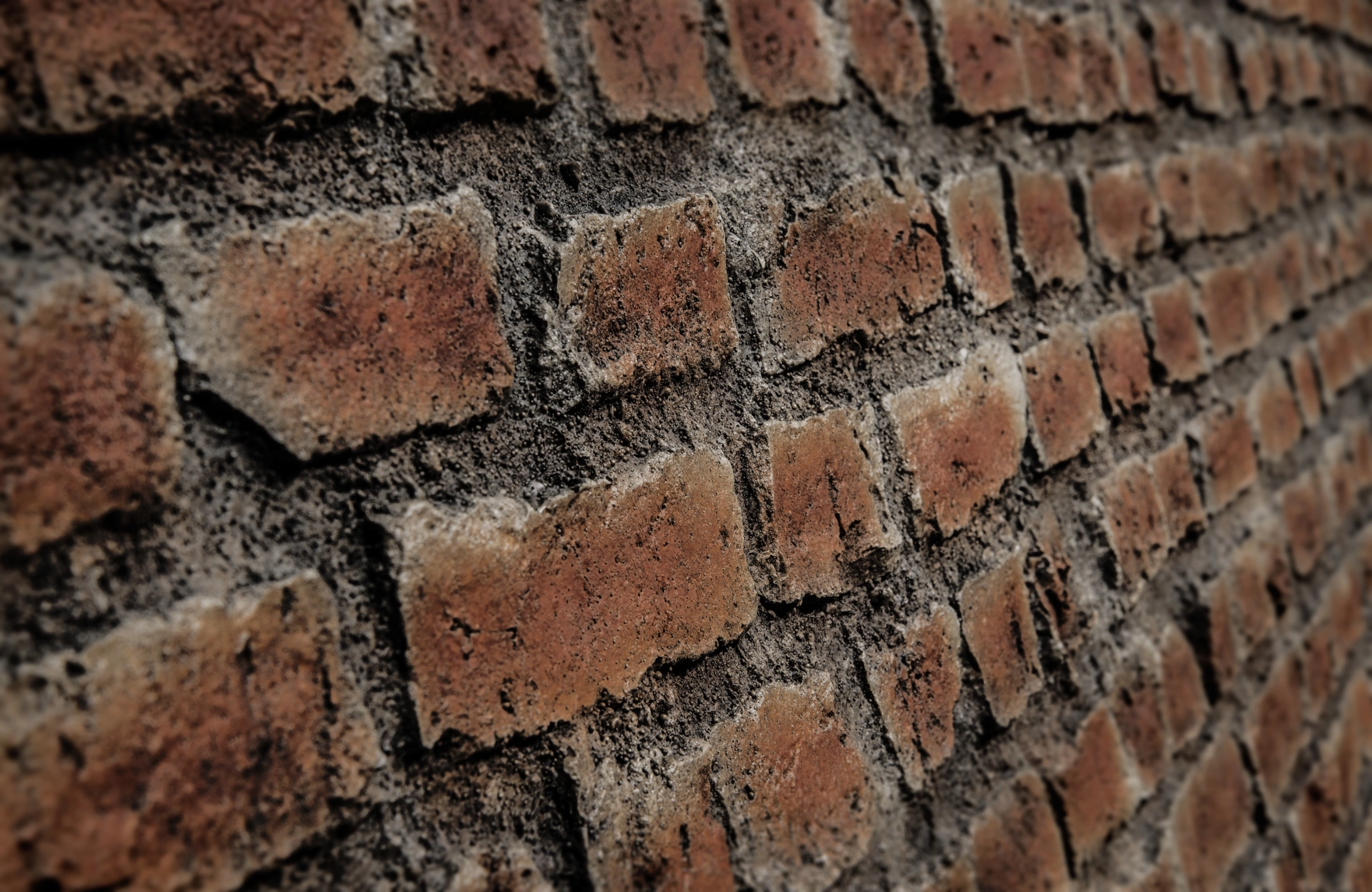
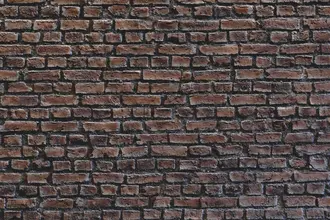
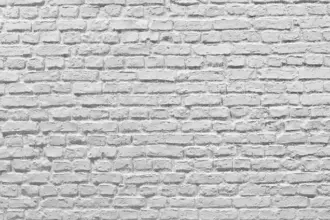
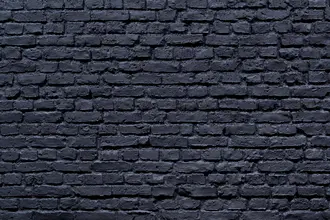
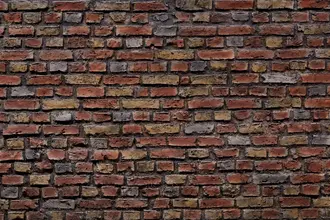
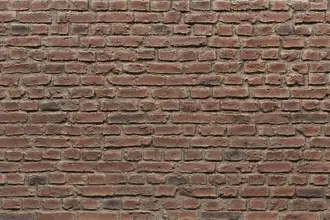
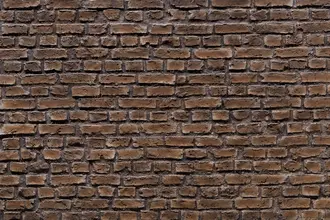
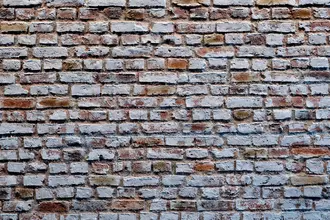
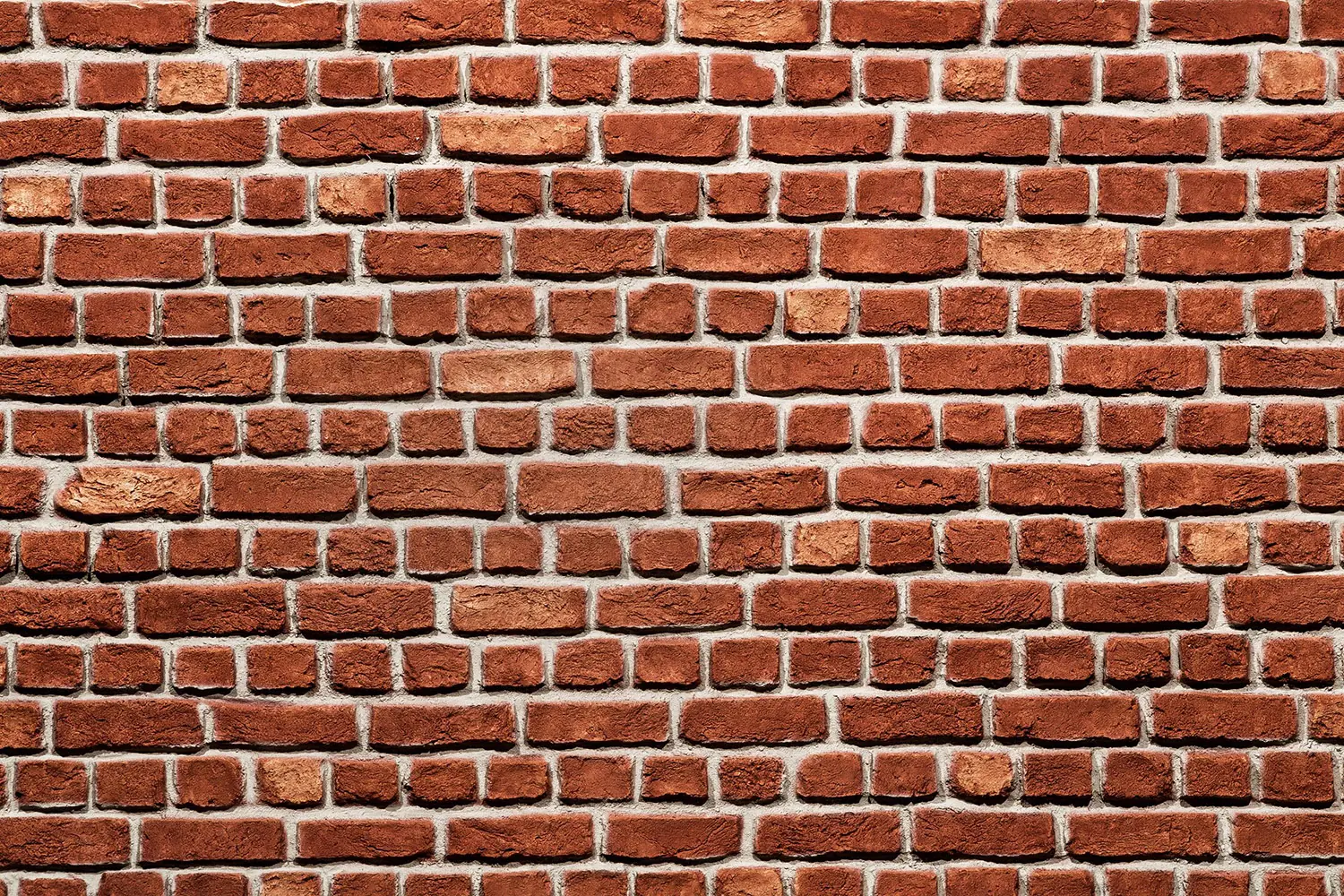
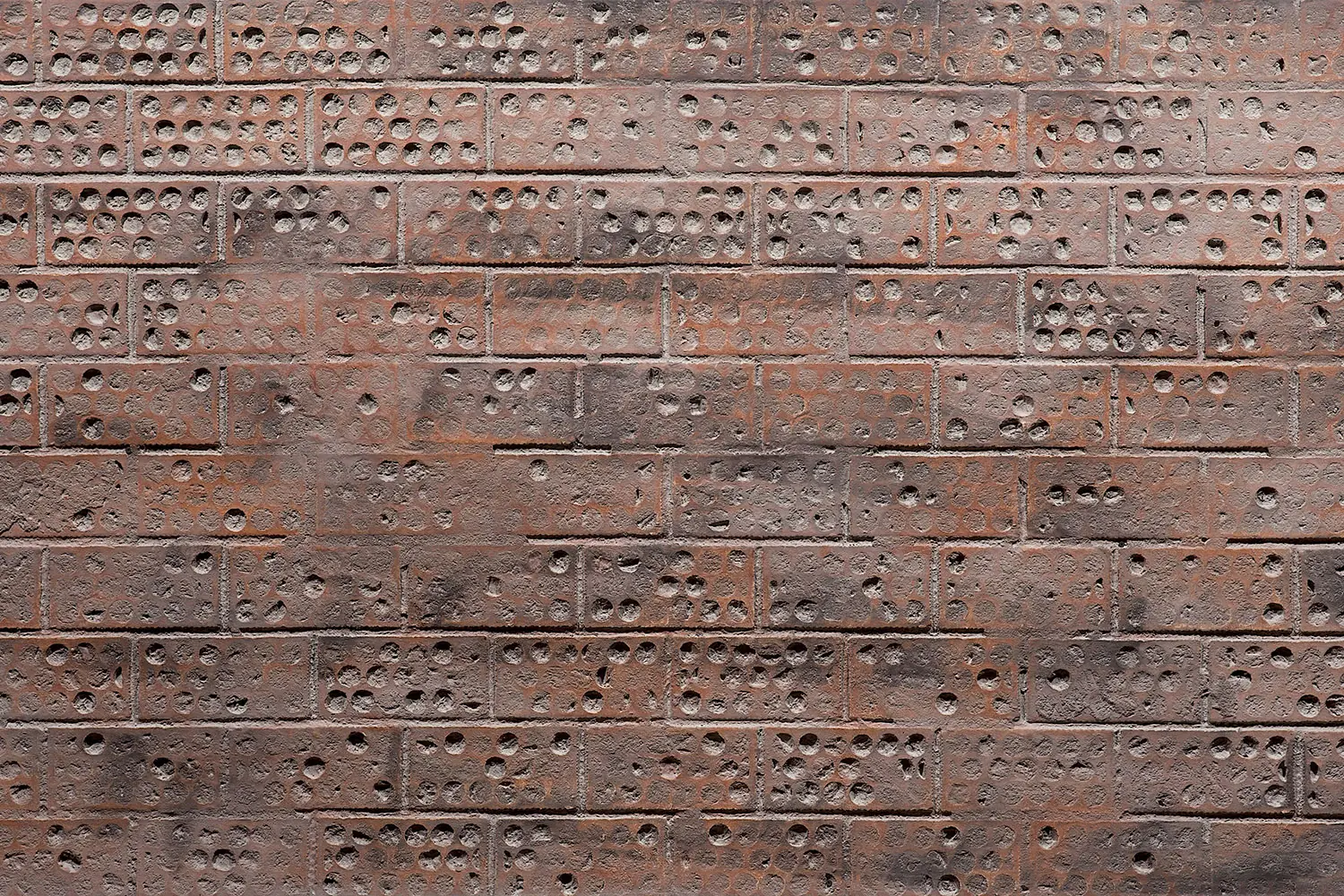
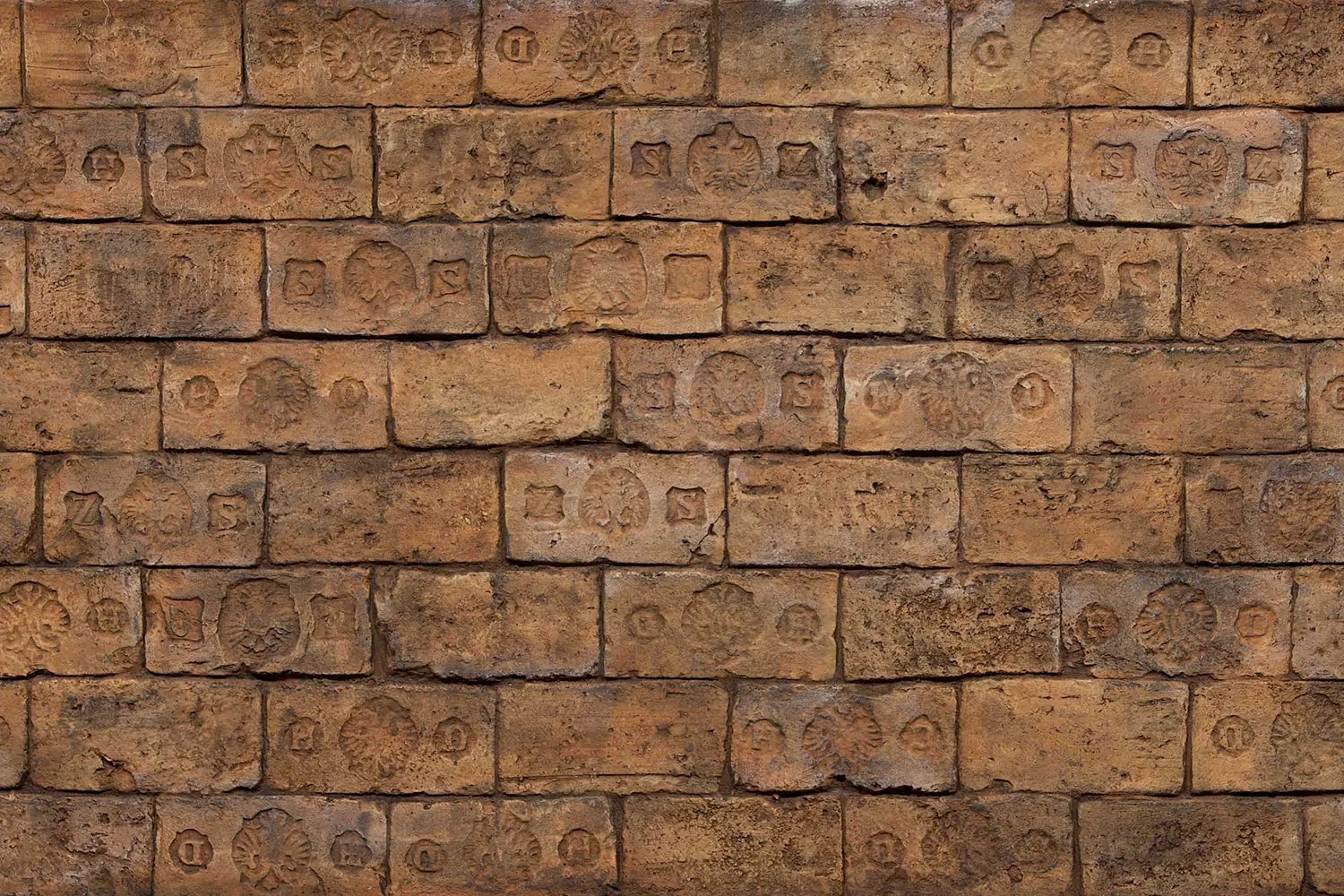
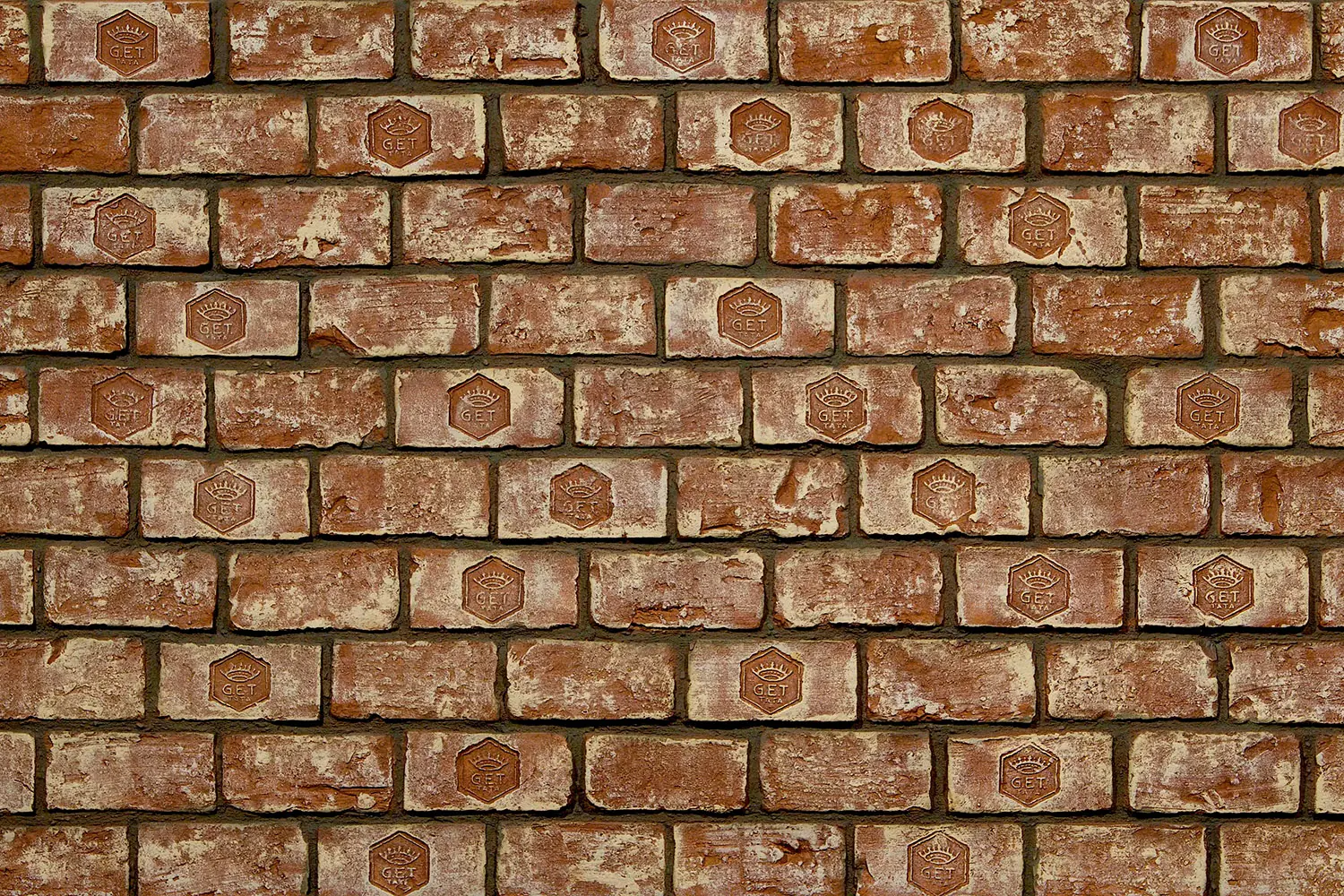
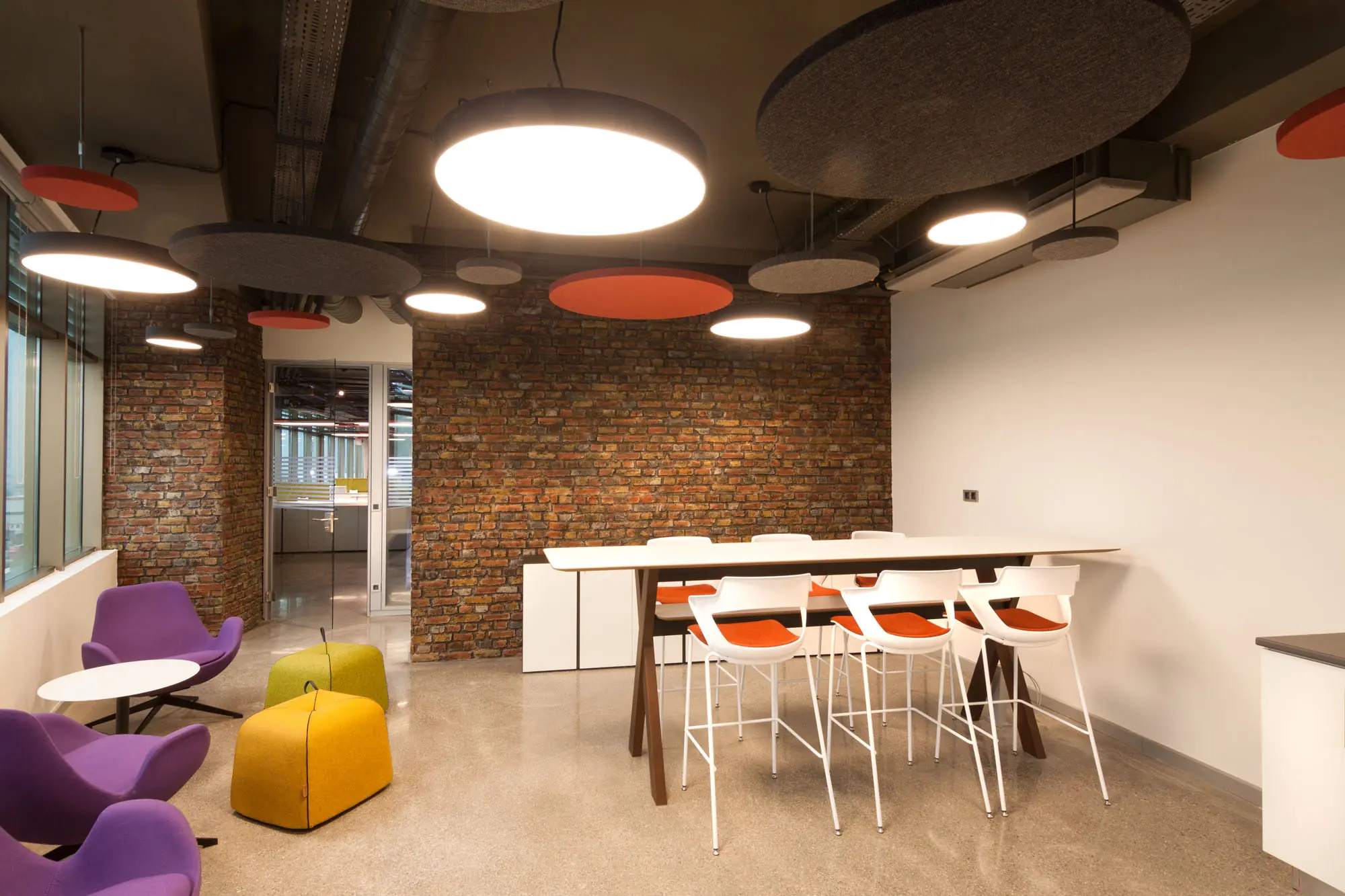

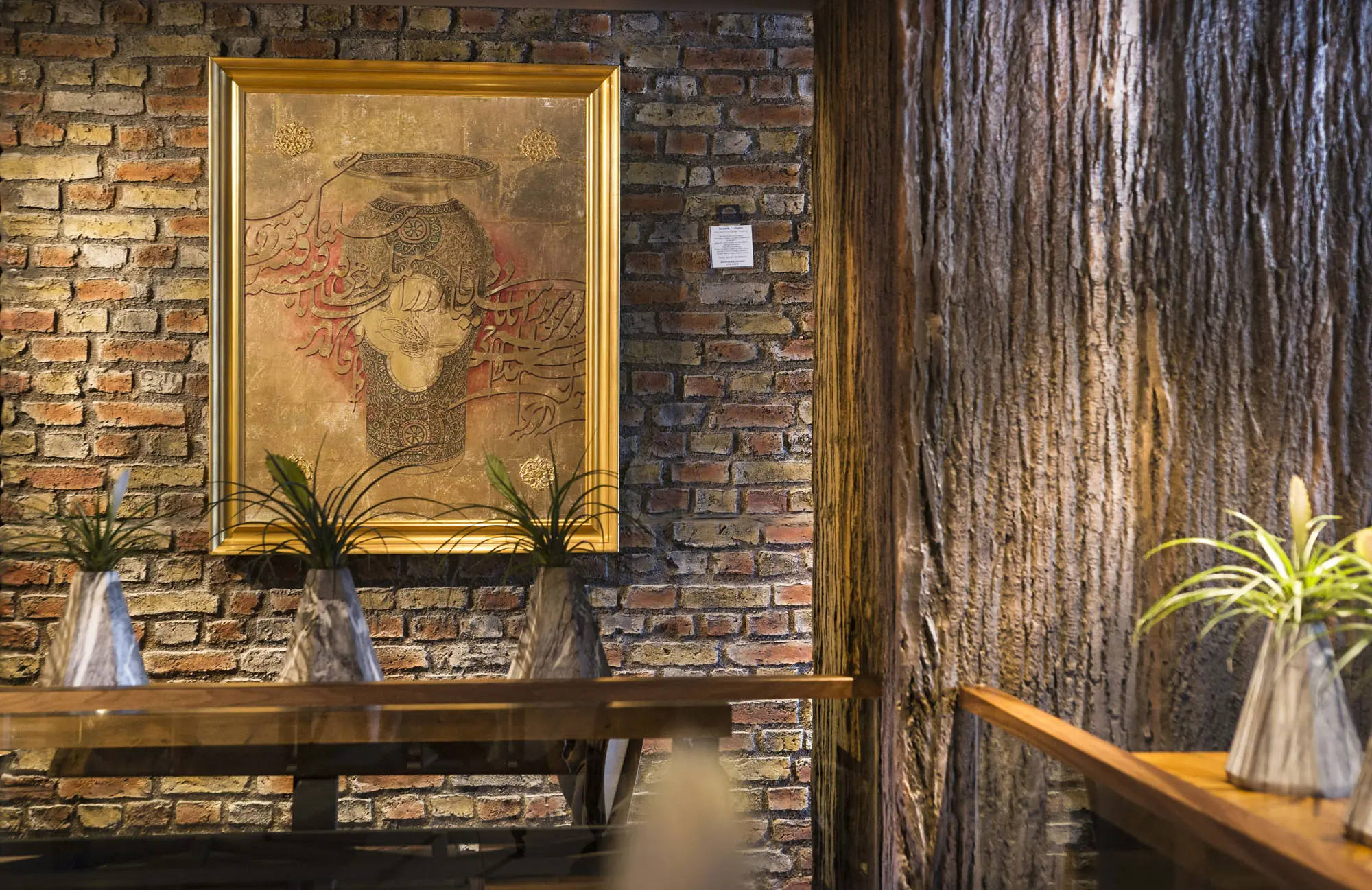
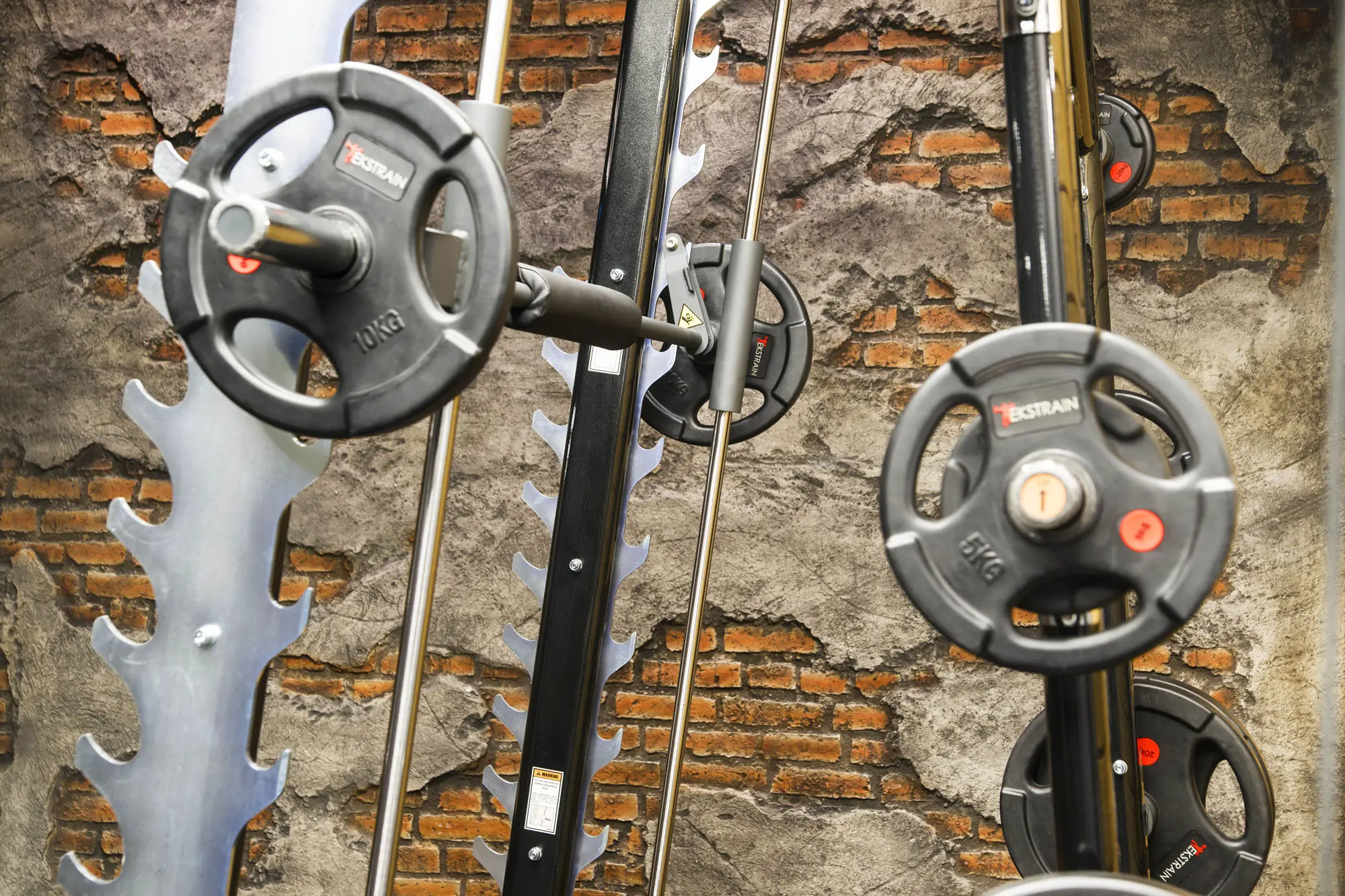
Ladrillo Vintage brick wall panel brings the visual memory of aged brickwork into contemporary architecture through weathered surface details, irregular mortar joints, tactile roughness, and natural three-dimensional depth. The design preserves the warmth associated with older masonry while presenting it within a large-format architectural surface suitable for modern projects.
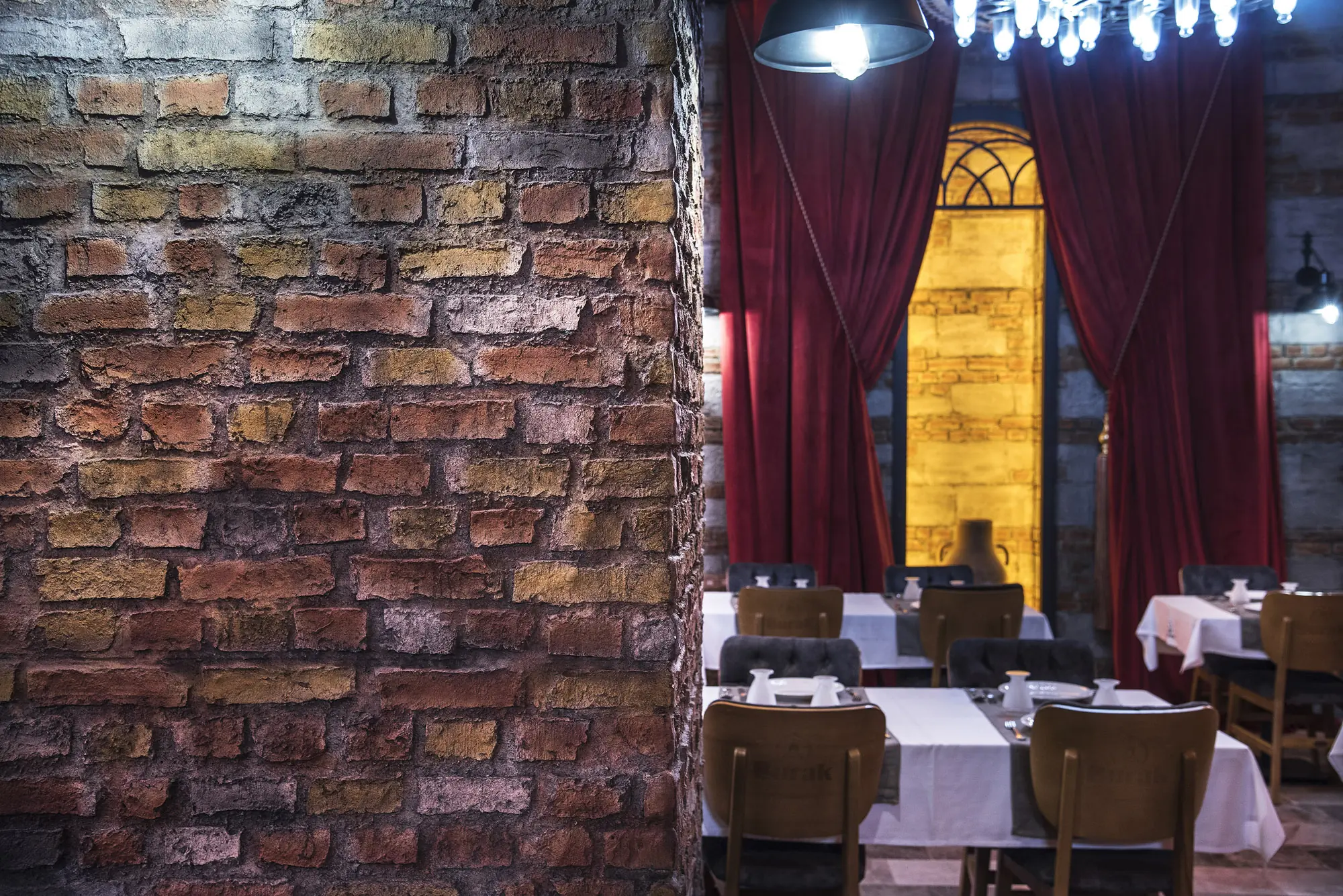
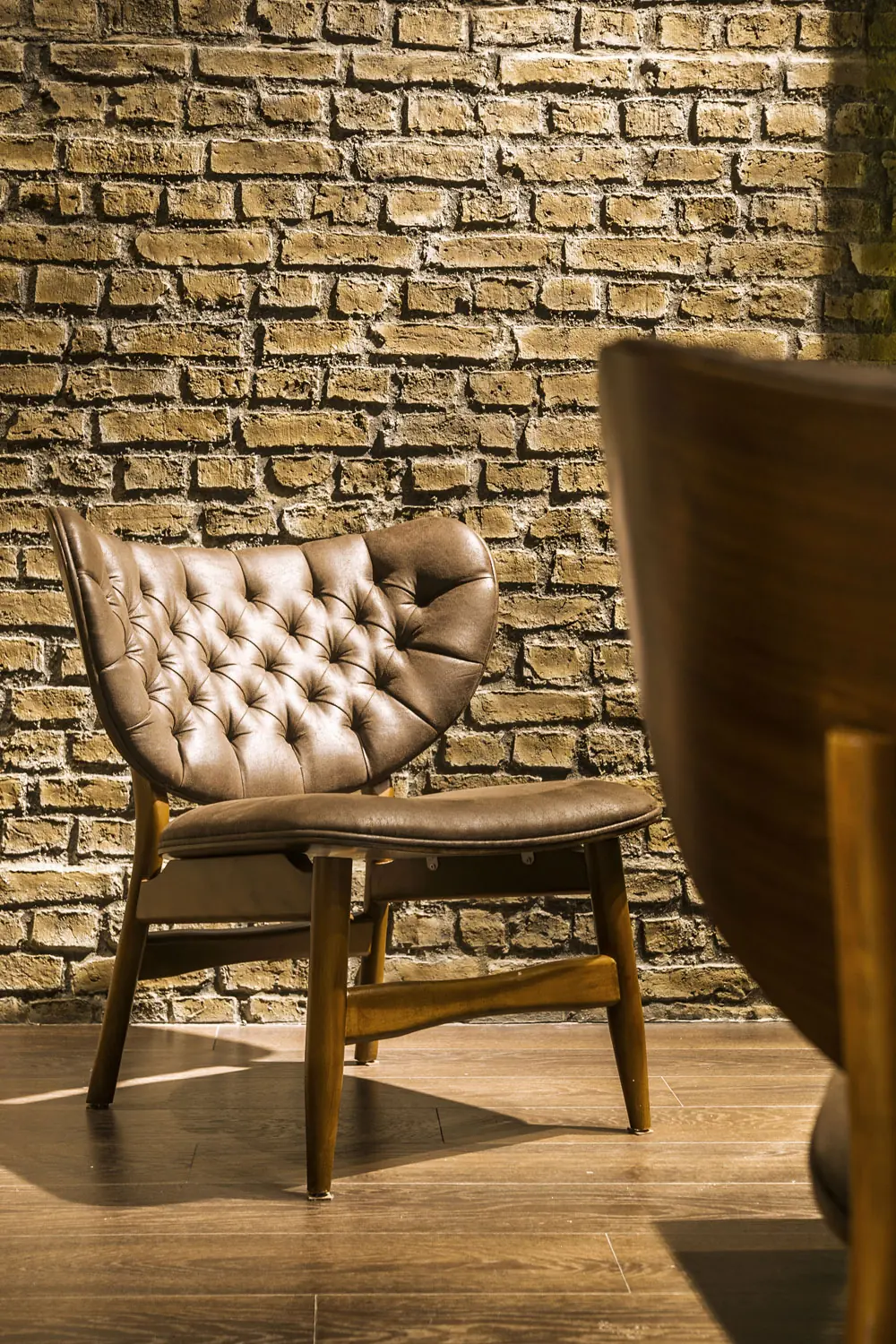
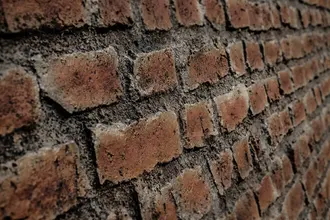
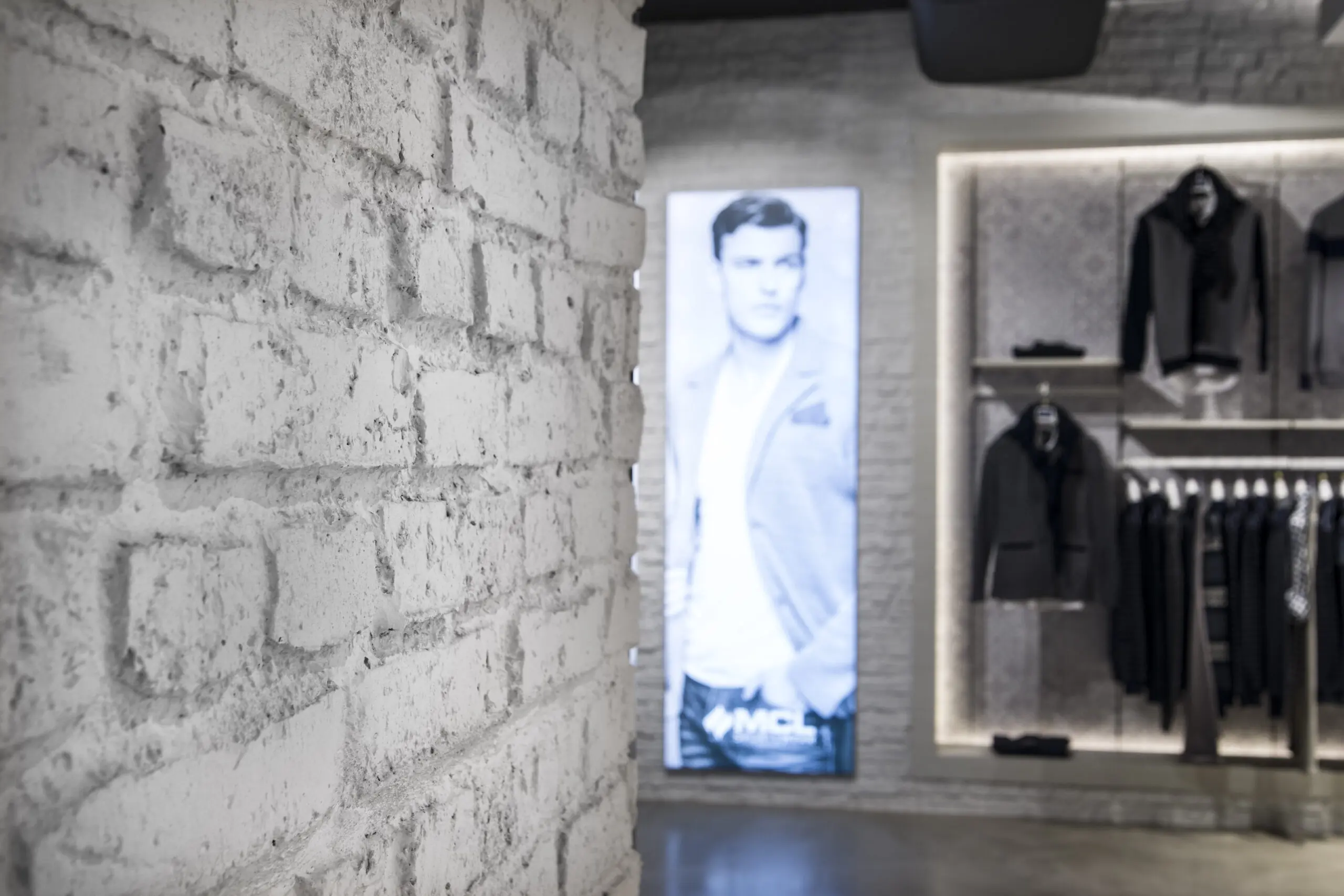
The aged brick texture is defined by variation rather than perfect uniformity. Subtle wear, irregular joints, mineral surface details, and small changes across individual brick faces give the wall a more established and authentic material character.
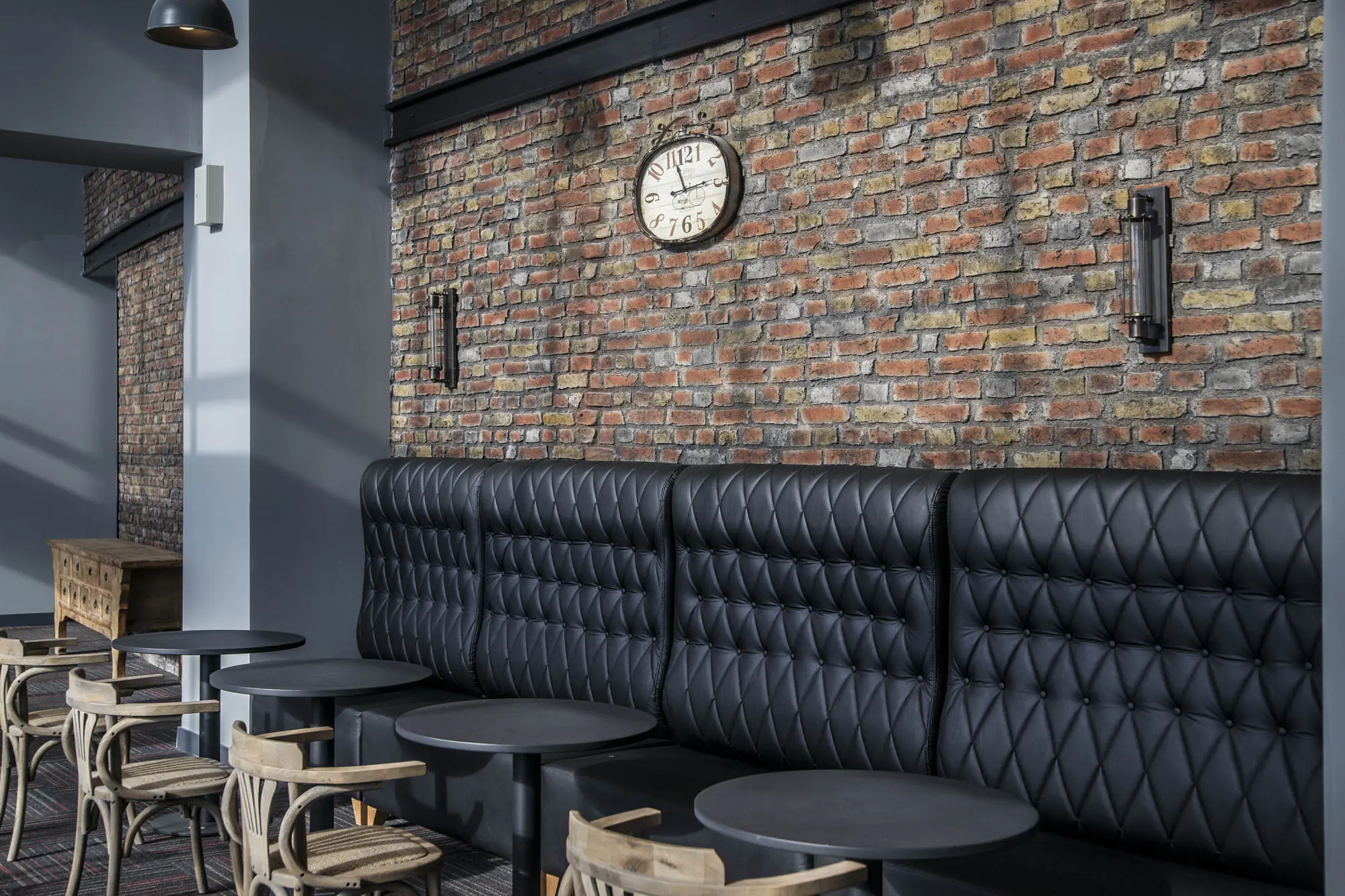
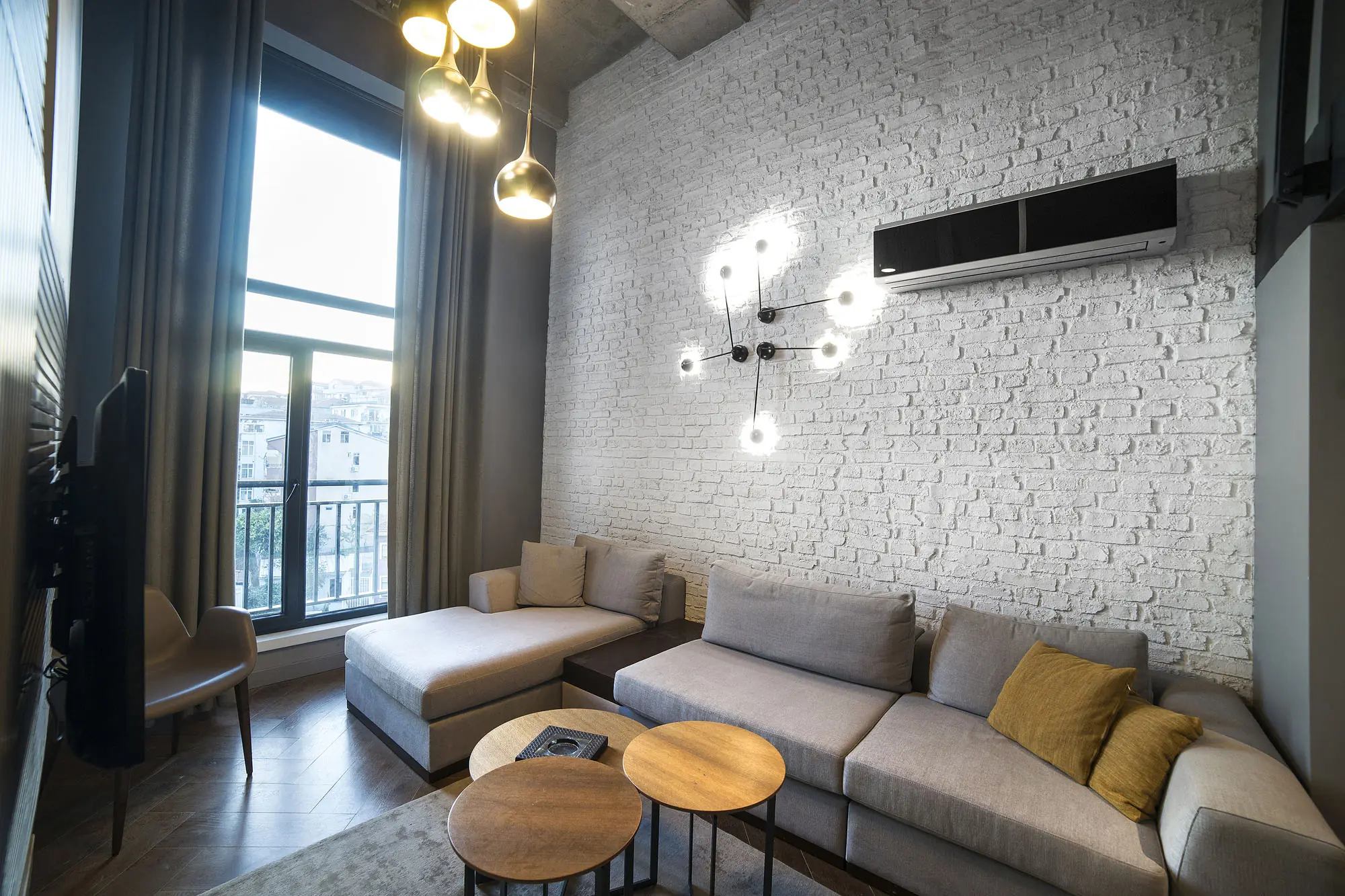
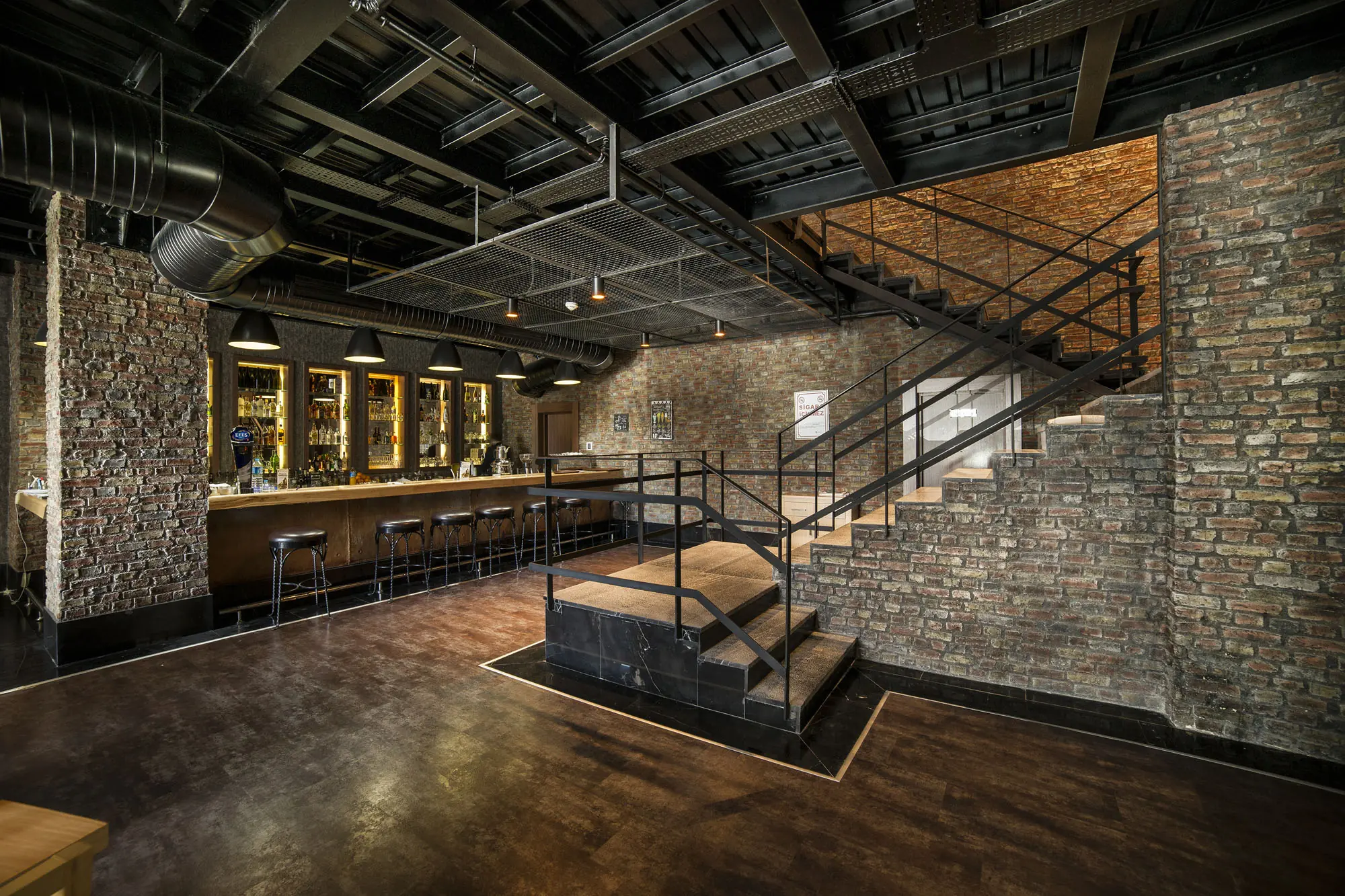
These details become especially expressive when light reaches the surface from different angles. Raised areas receive stronger illumination while deeper mortar joints and worn sections create shadows that make the masonry appear more dimensional.
Under softer ambient lighting, the wall takes on a calmer appearance. The brick modules remain clearly visible, but the smaller surface details merge into a more unified background that works naturally within both contemporary and traditional environments.
Current technical documentation describes Ladrillo Vintage through mineral brick textures, surface wear, irregularities in mortar joints, and natural surface variation. High-resolution molding is used to reproduce the light refraction, shadow depth, and tactile roughness associated with real brick surfaces.
This gives the vintage brick wall panel a surface identity based on material depth rather than decorative ornament. Its historical character comes directly from the way individual bricks appear naturally worn and textured.
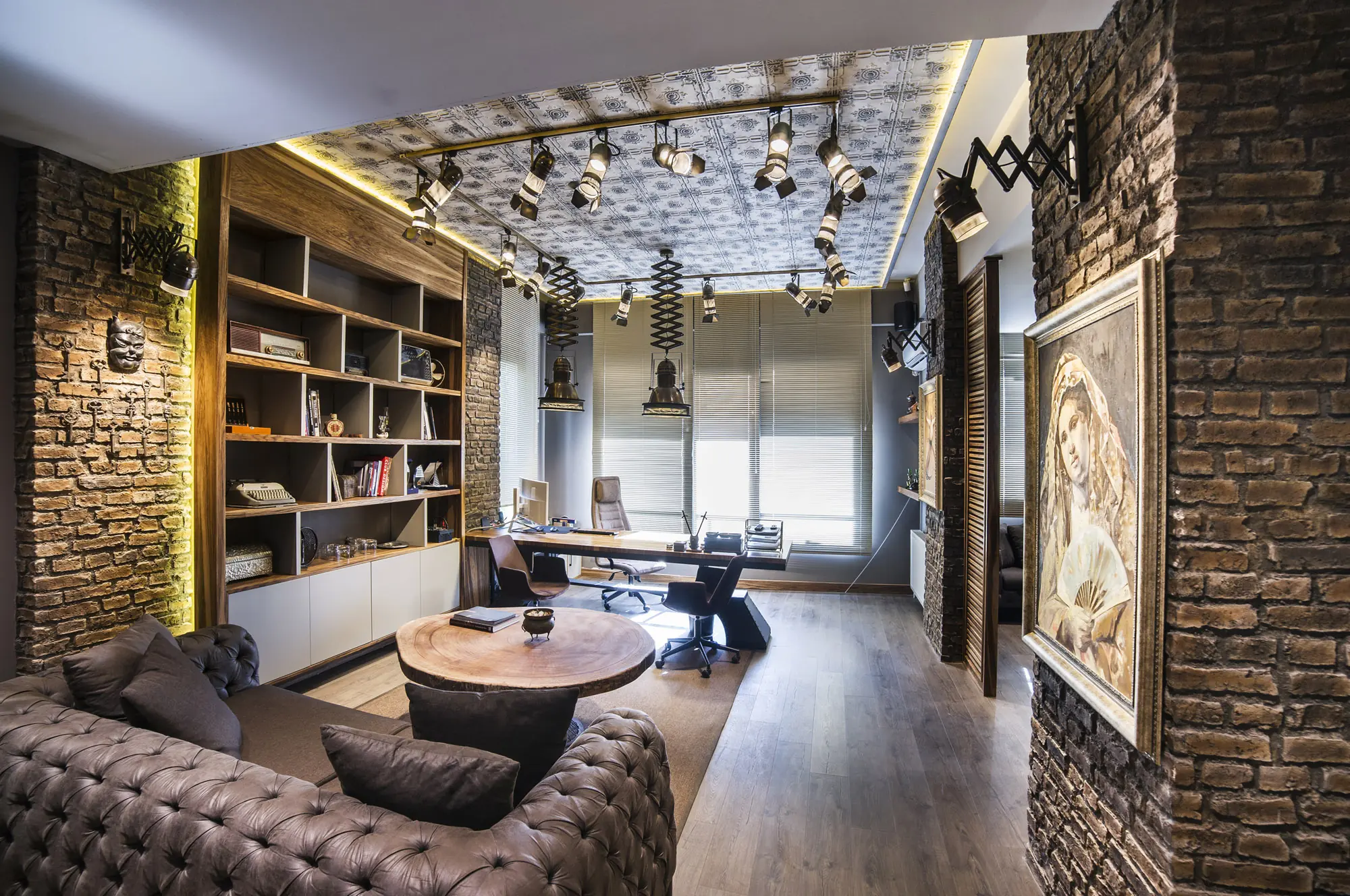
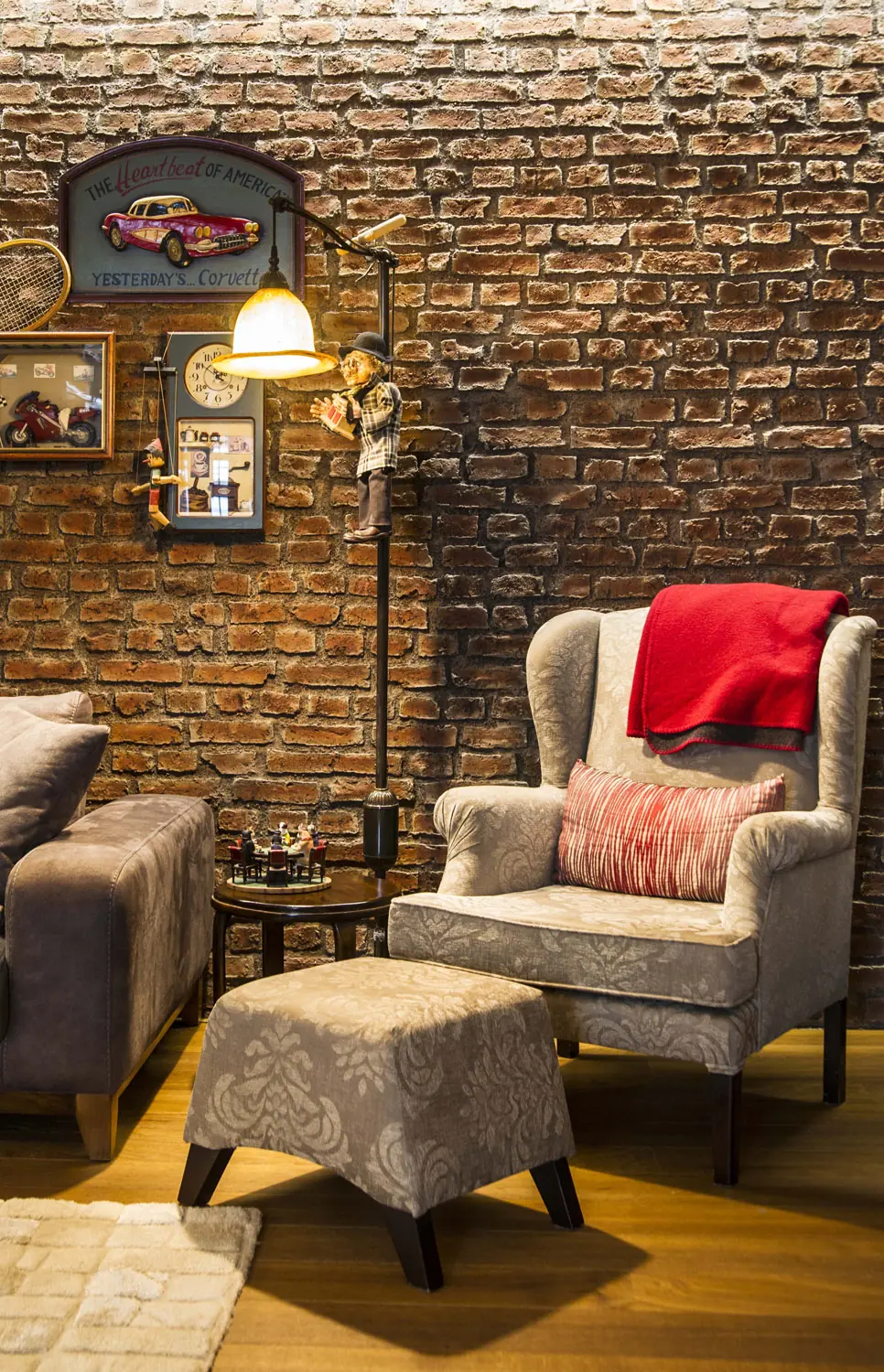
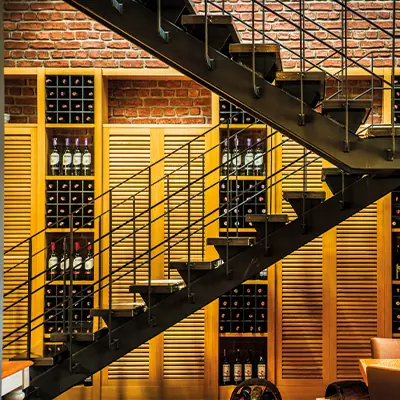
In residential projects, Ladrillo Vintage brick wall panel can introduce warmth to living areas, entrances, dining zones, staircases, and feature walls. Contemporary furniture can create a clean contrast, while timber and natural fabrics reinforce the more nostalgic side of the surface.
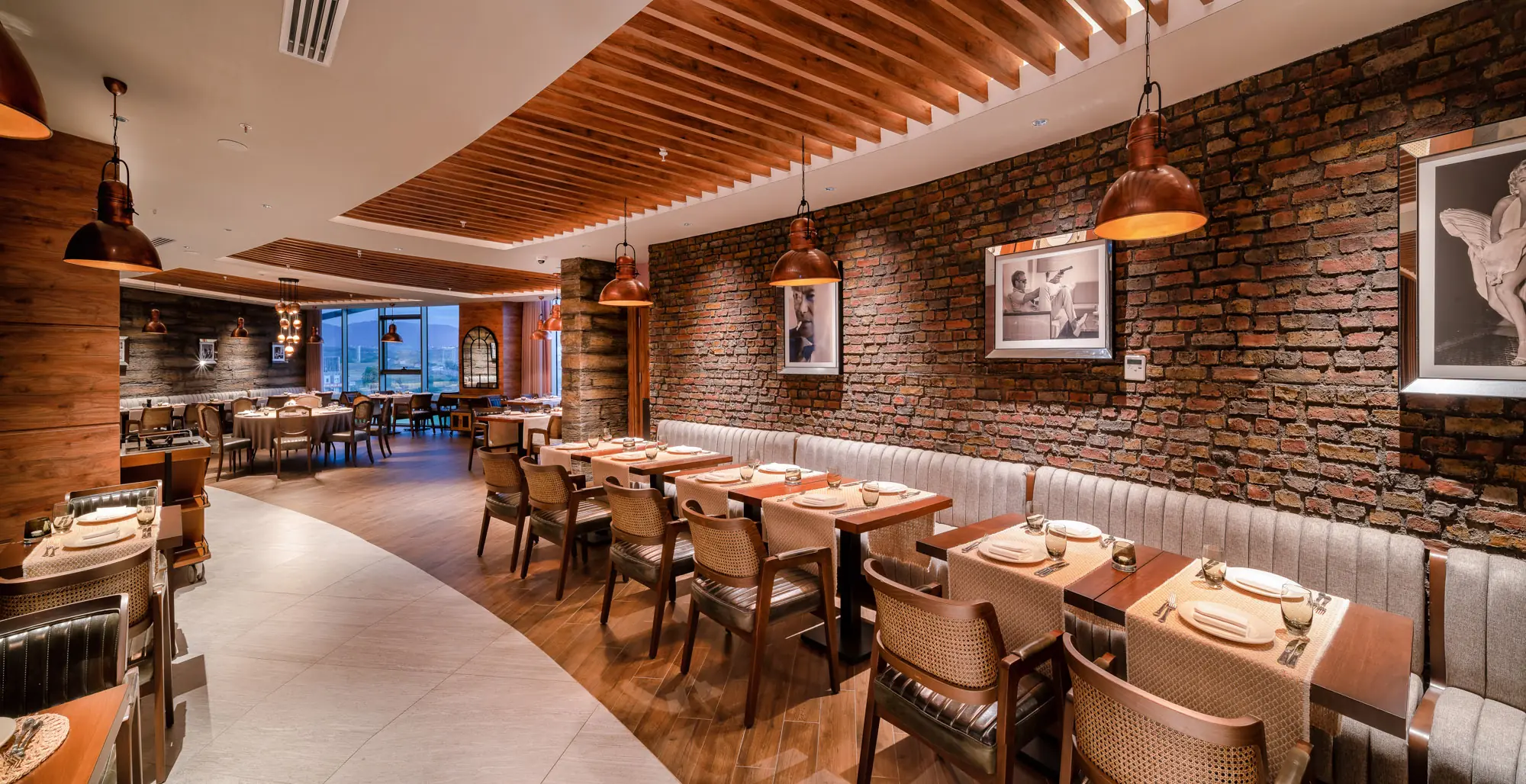
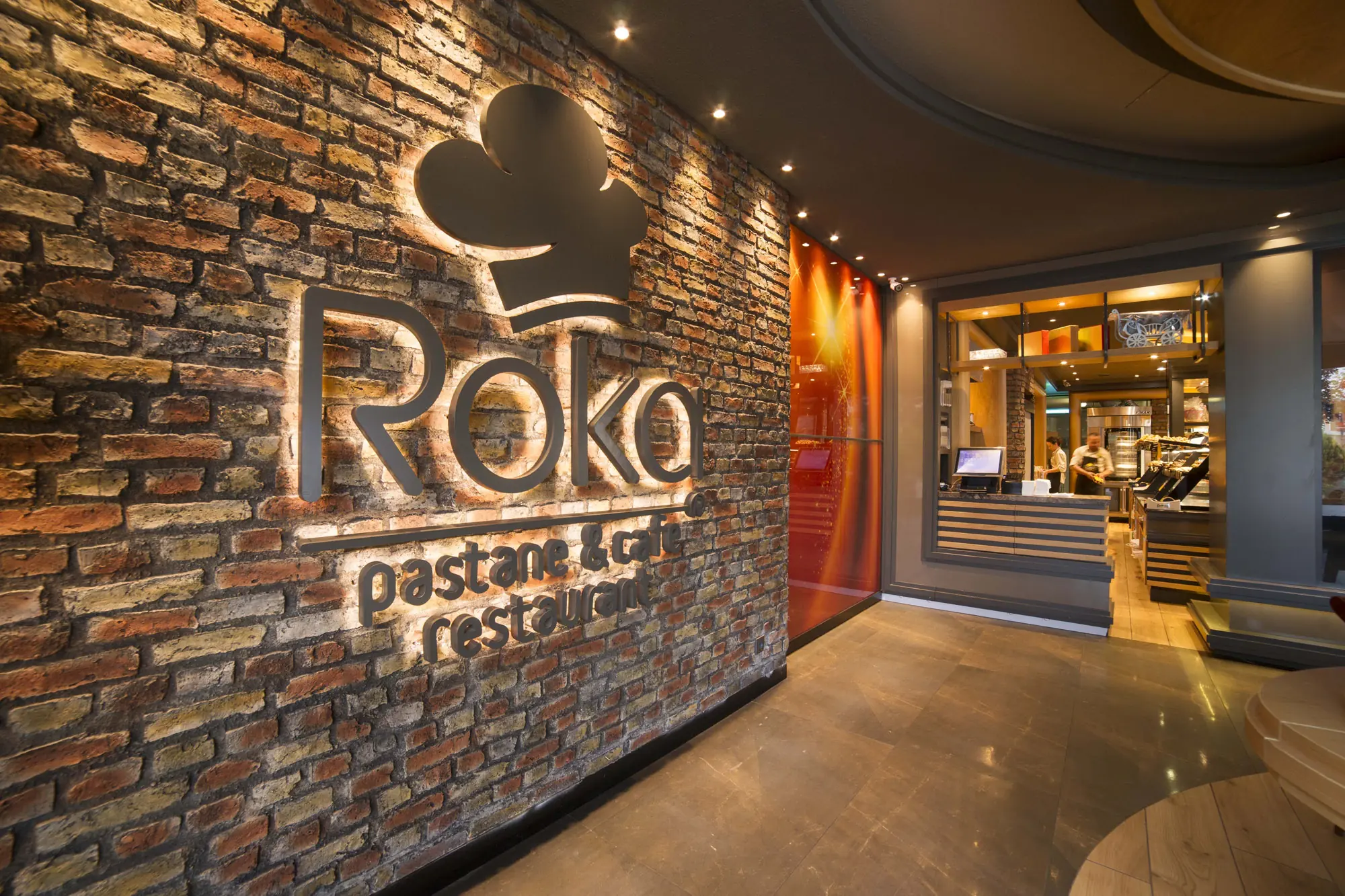
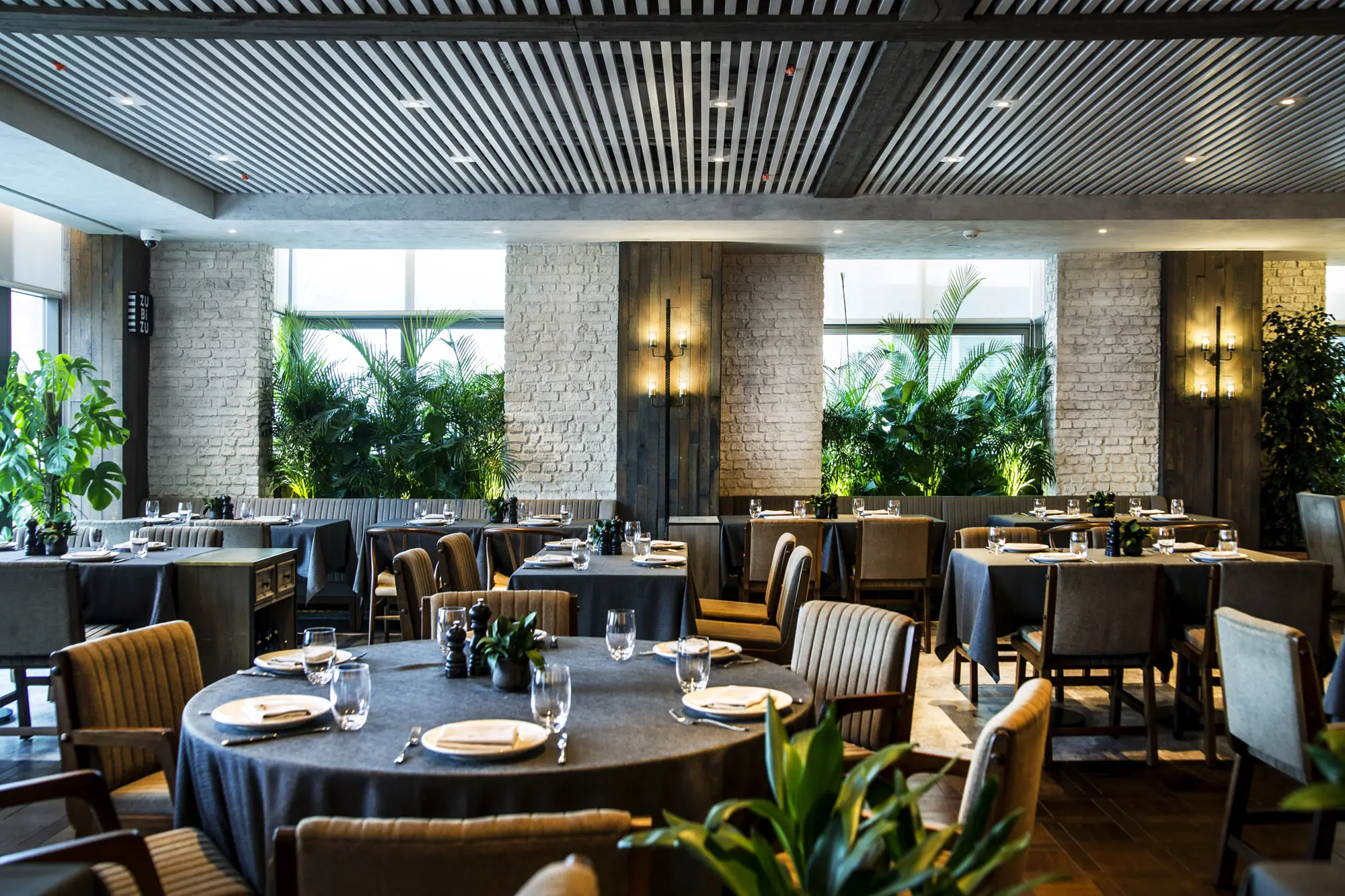
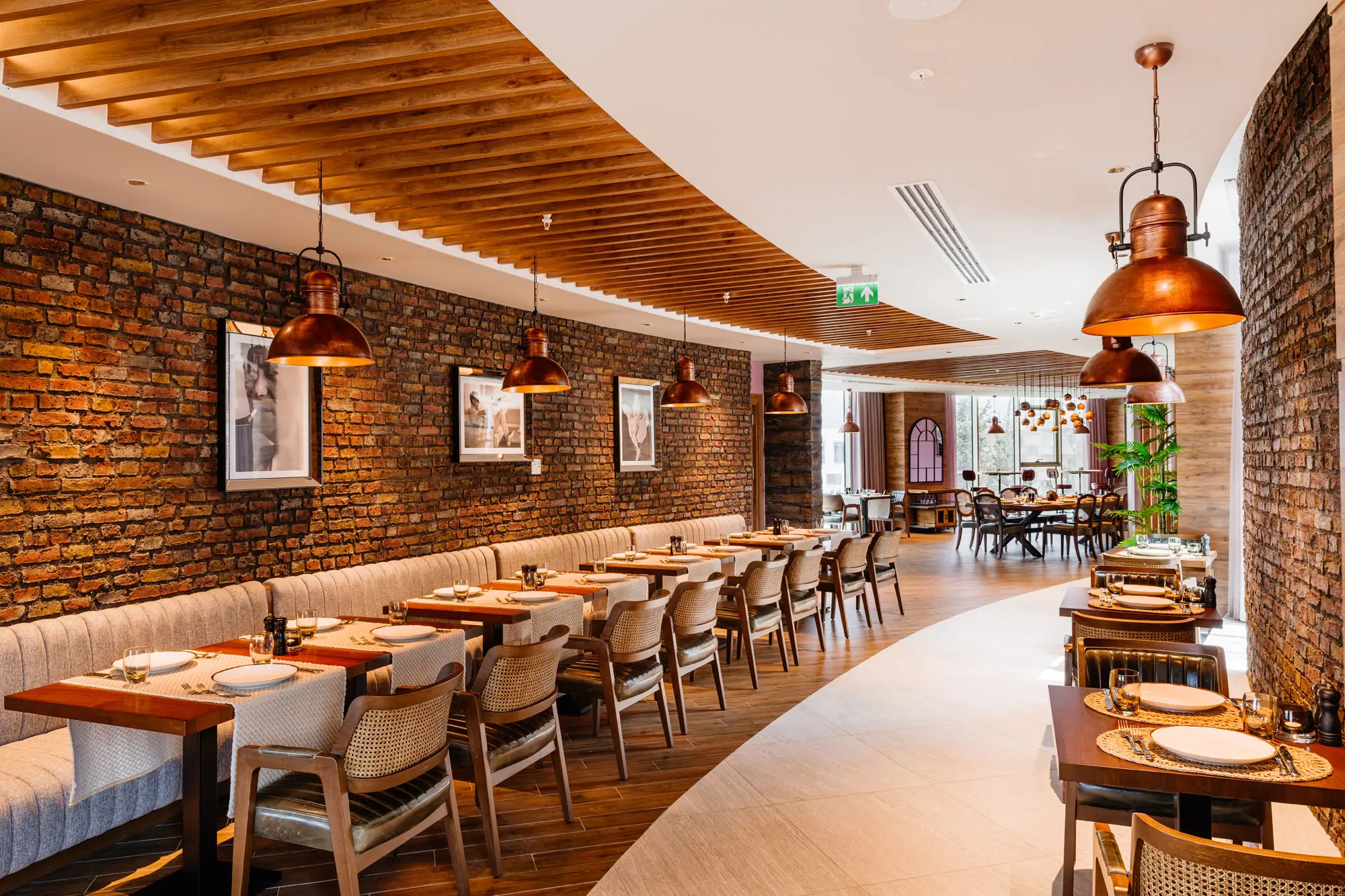
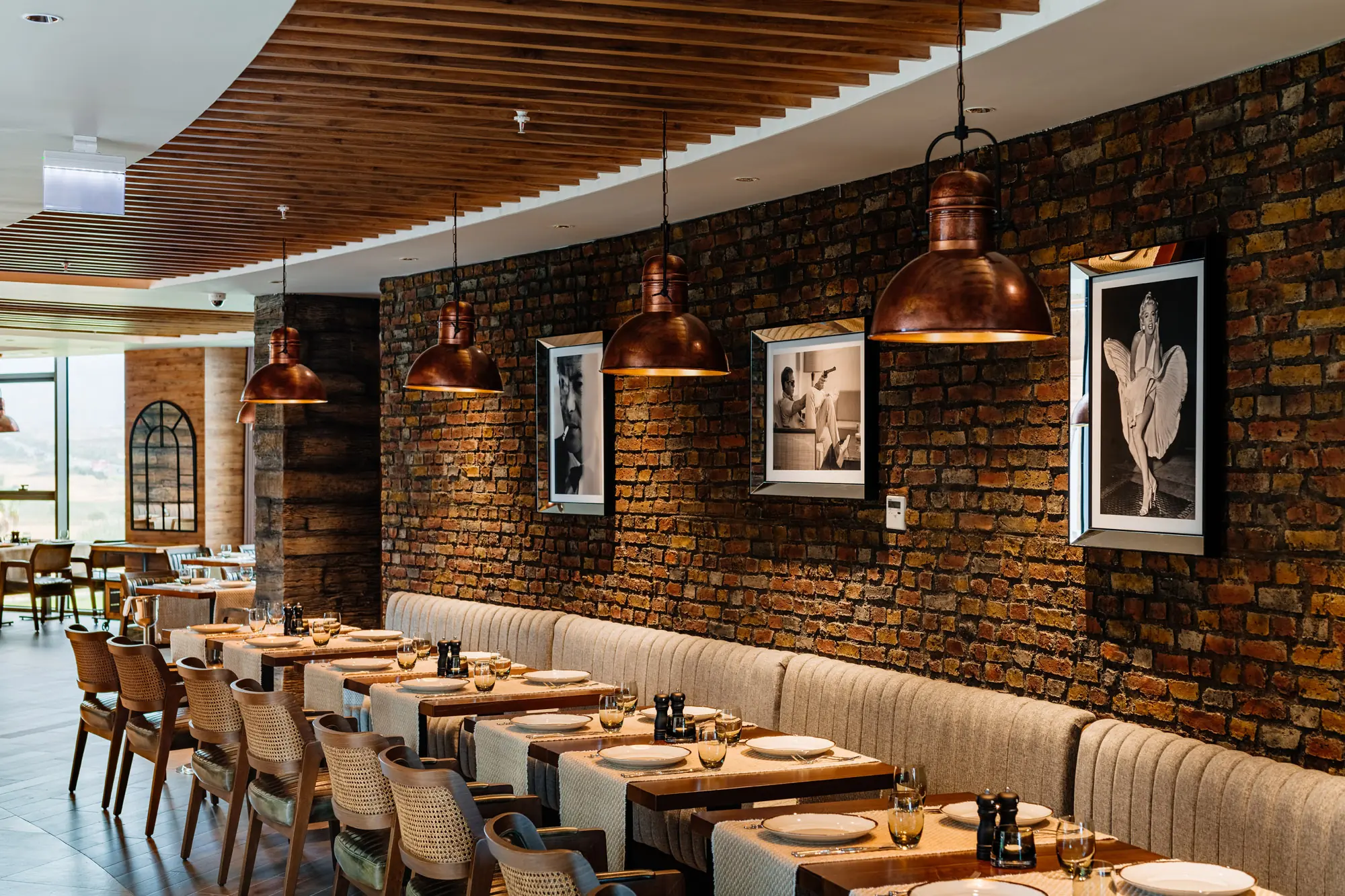
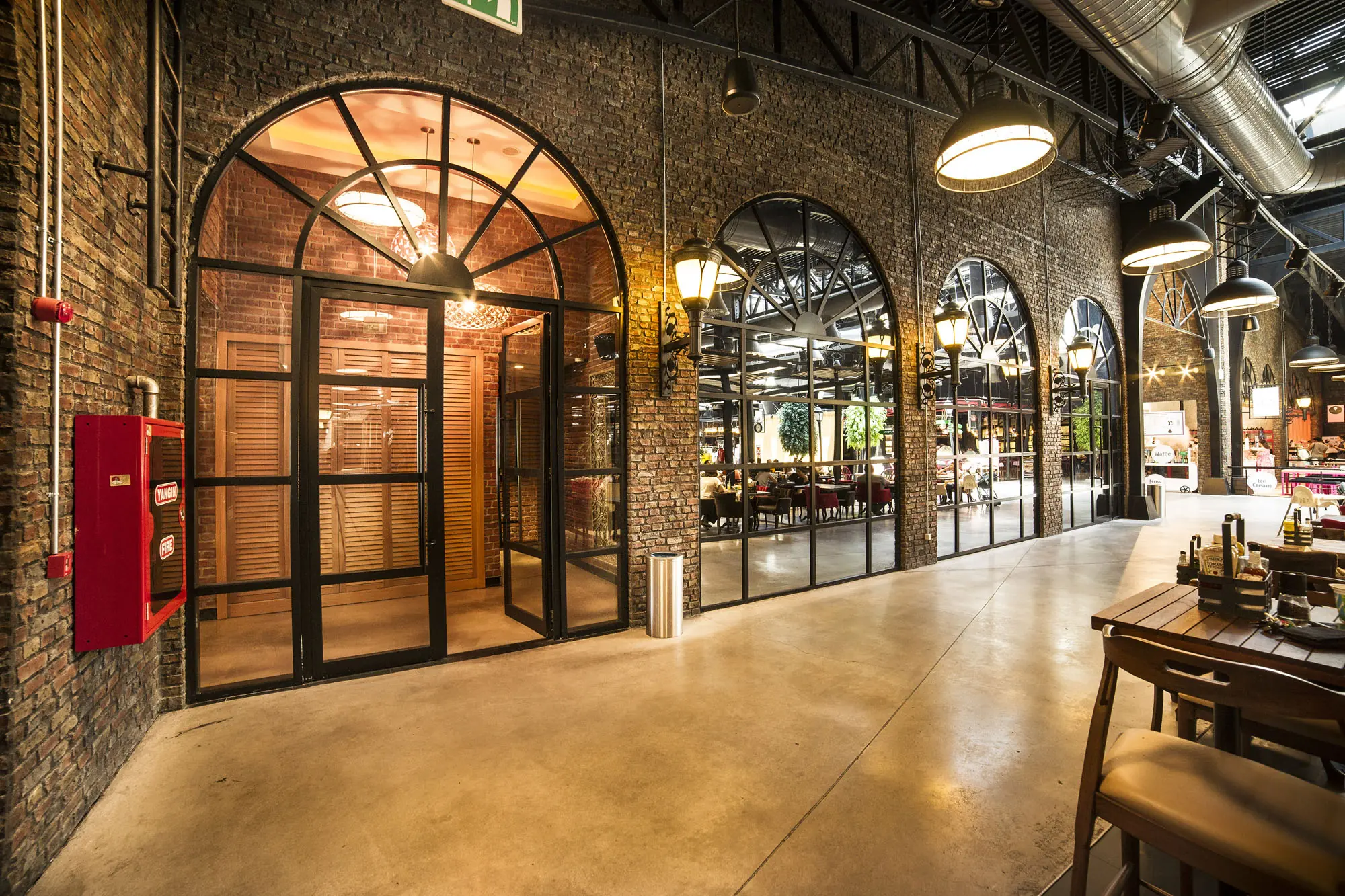
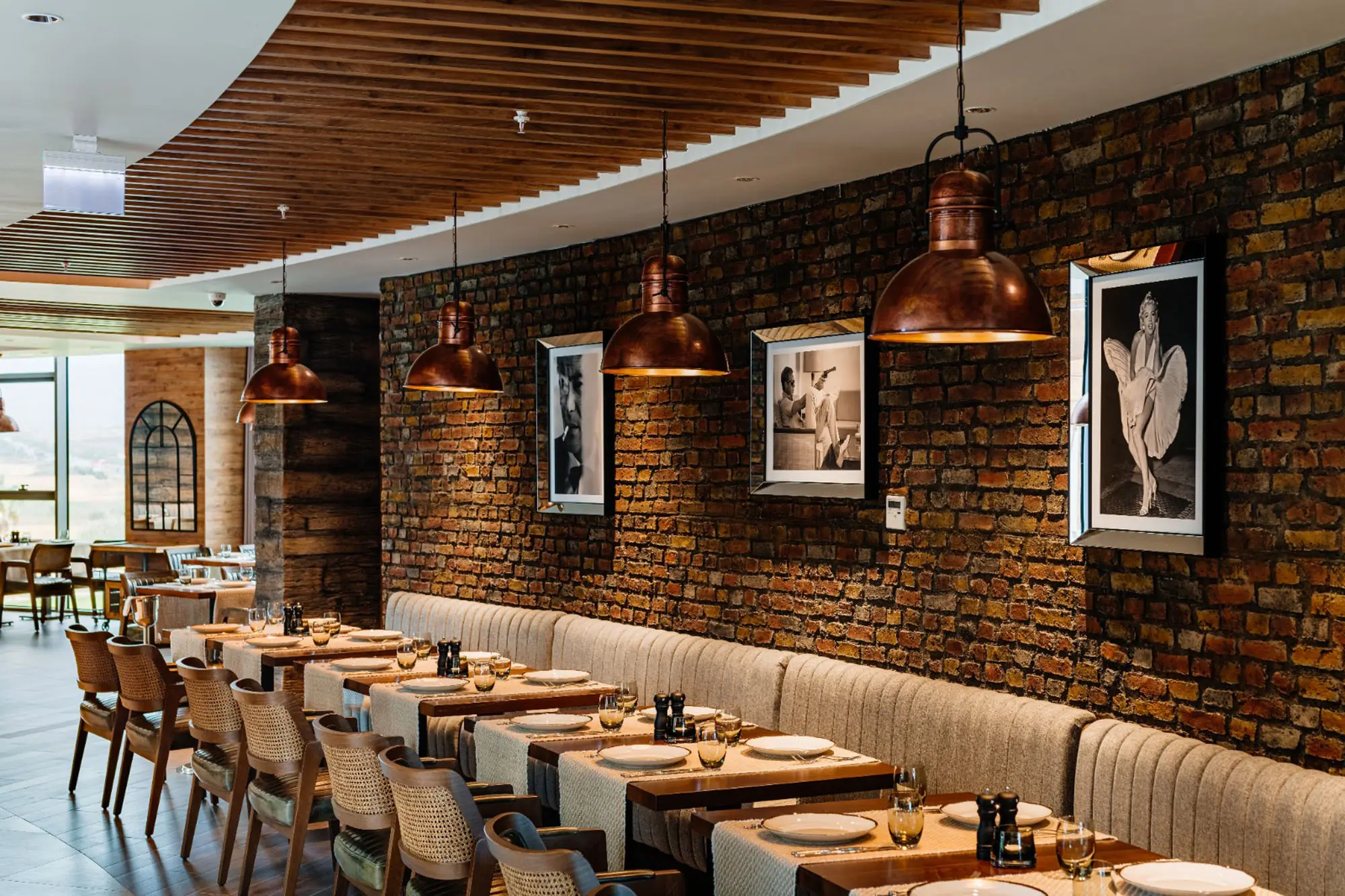
Cafés and restaurants can use the aged brick texture to establish a warmer and more atmospheric architectural identity. Directional lighting can emphasize the deeper joints and worn areas, while softer illumination creates a more restrained and intimate environment.
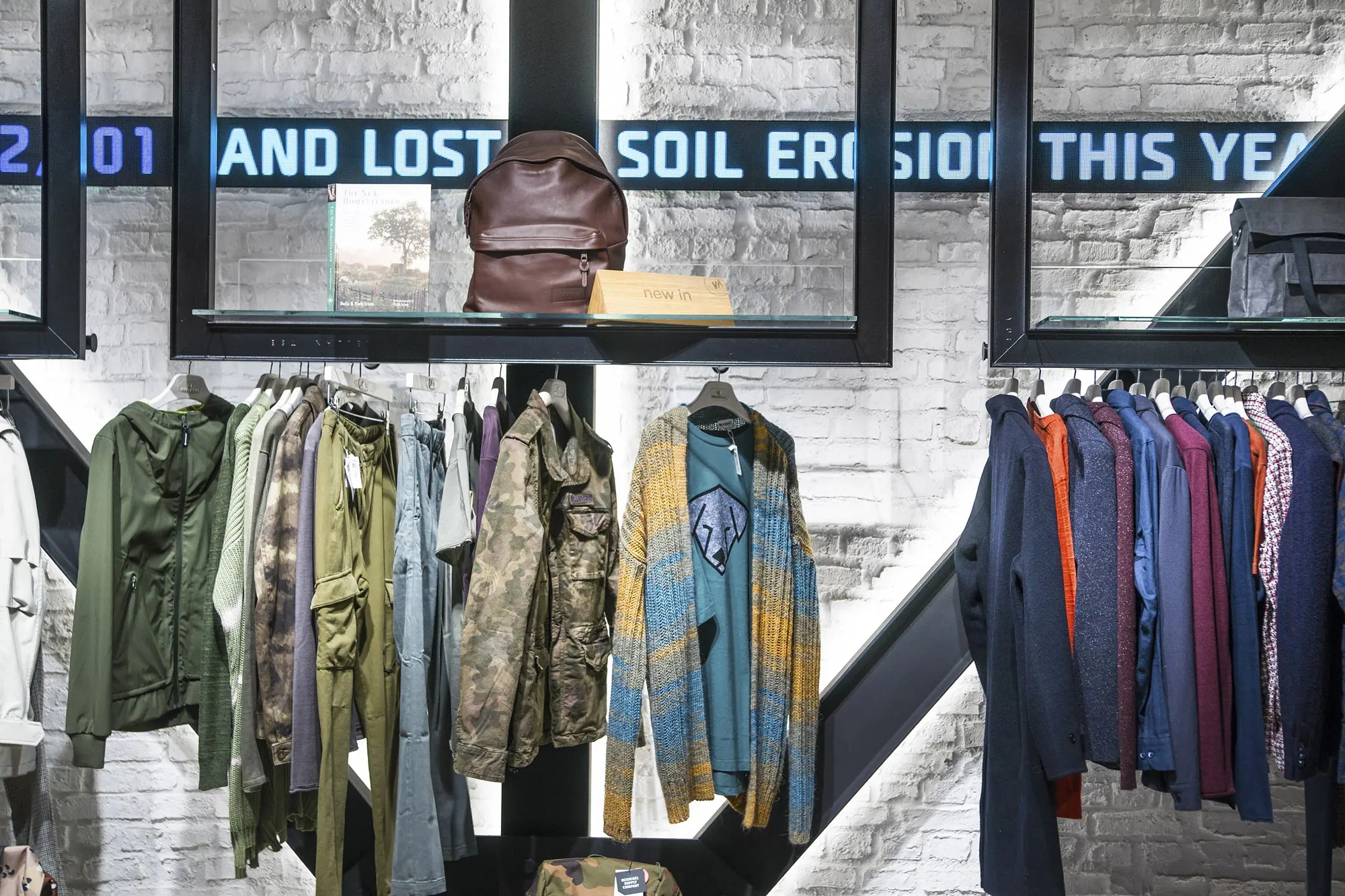
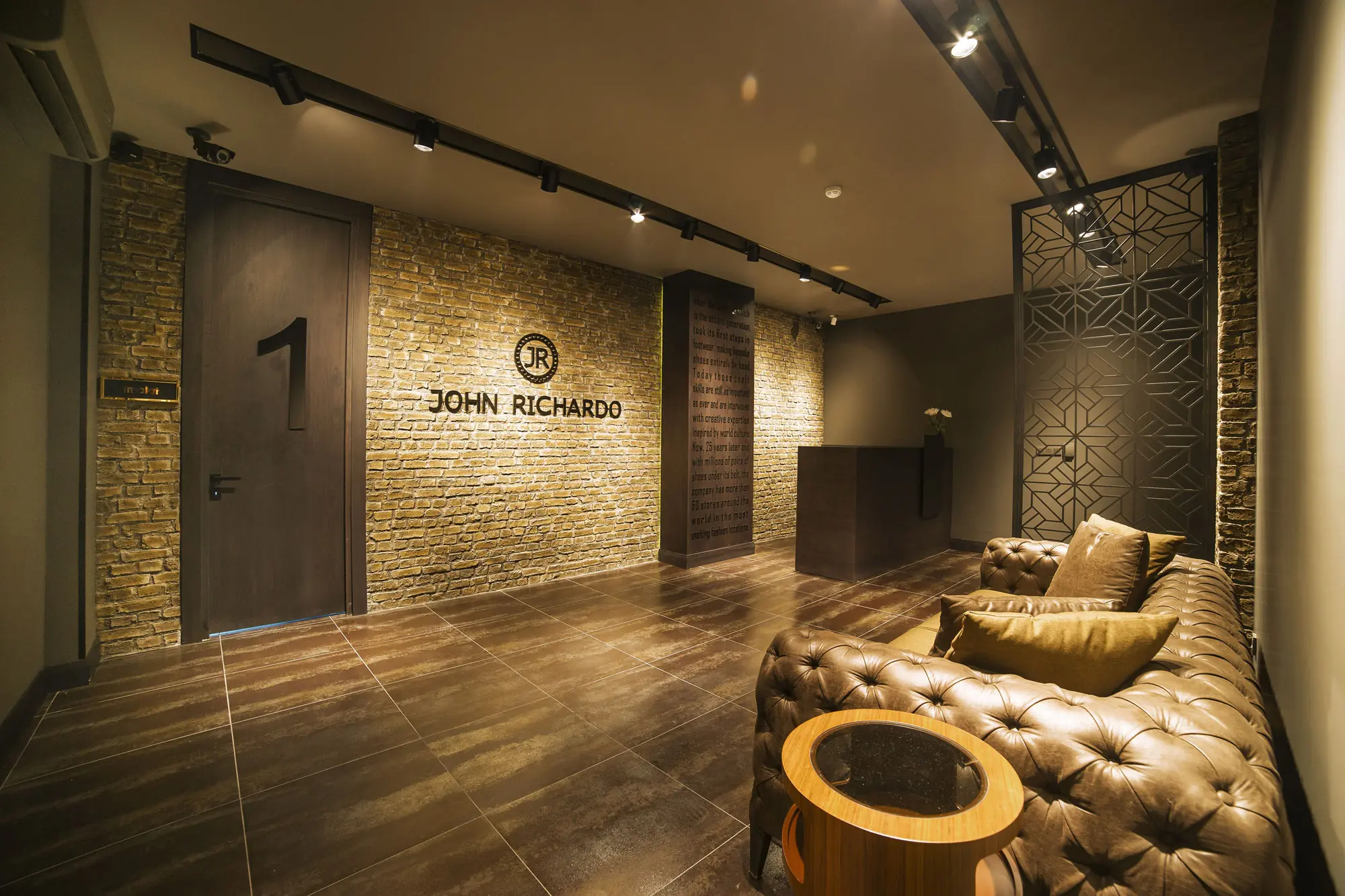
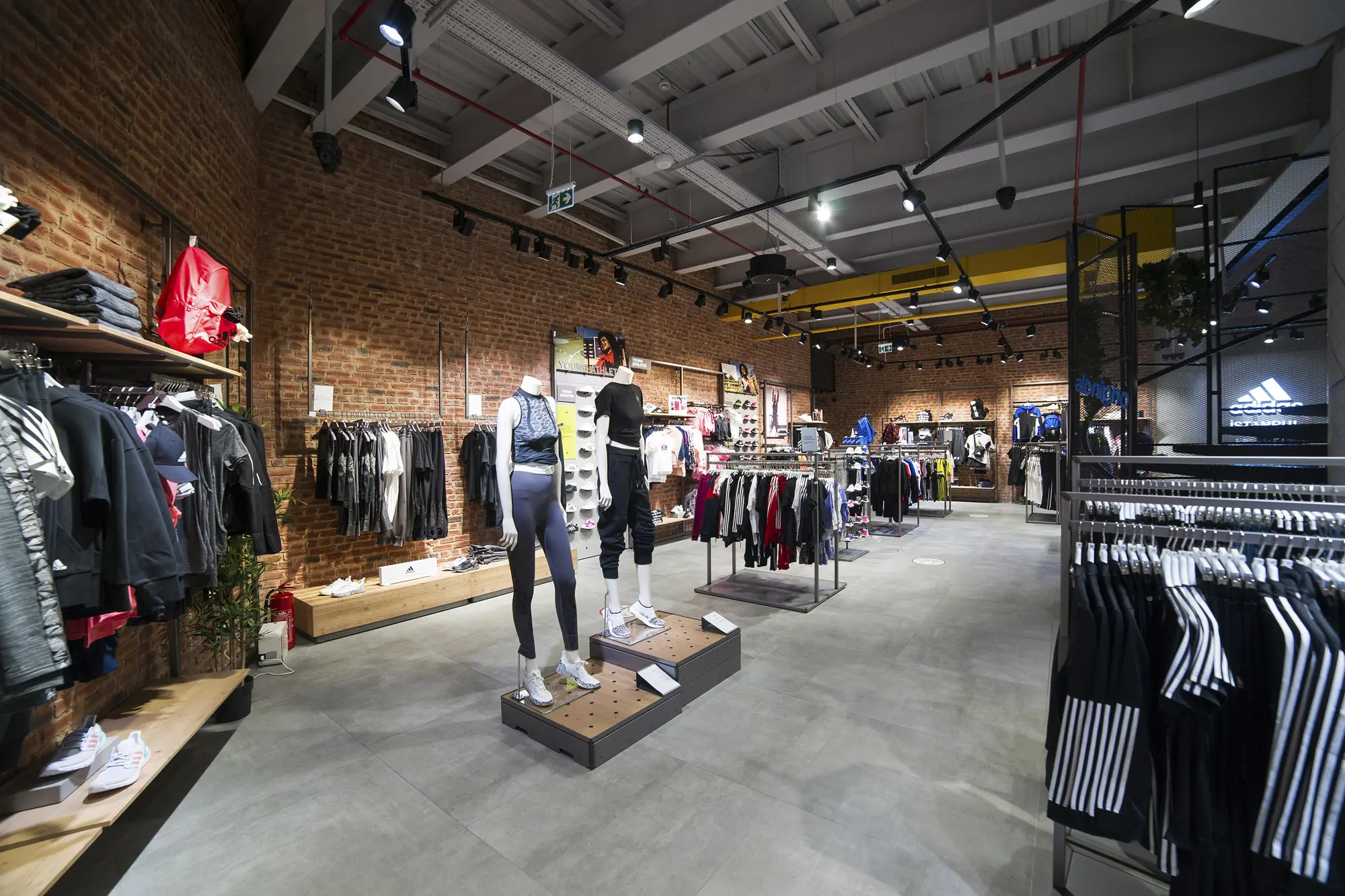
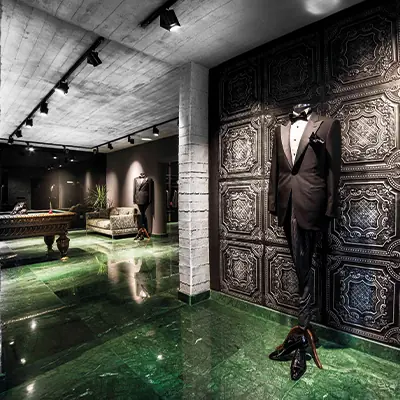
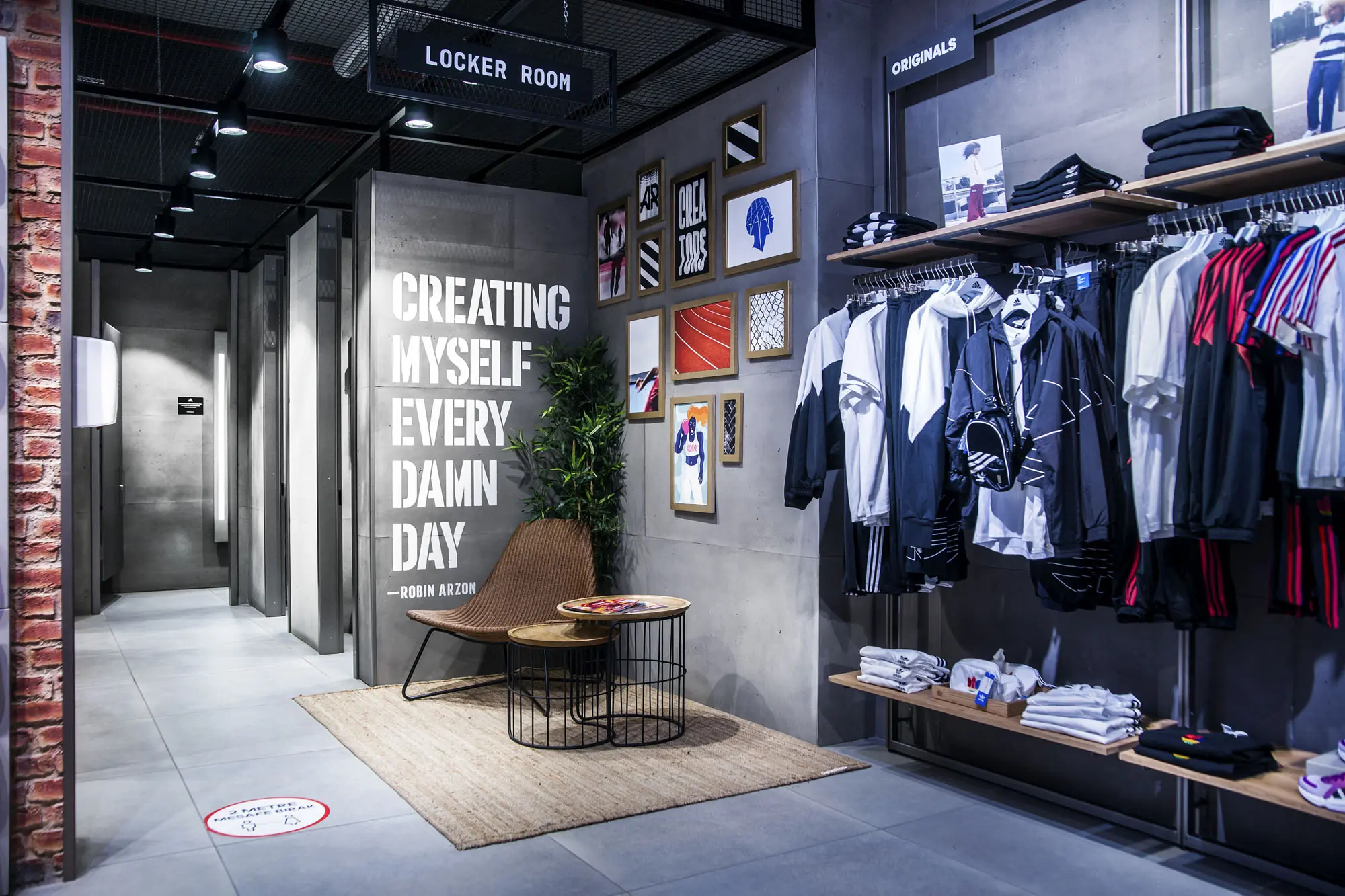
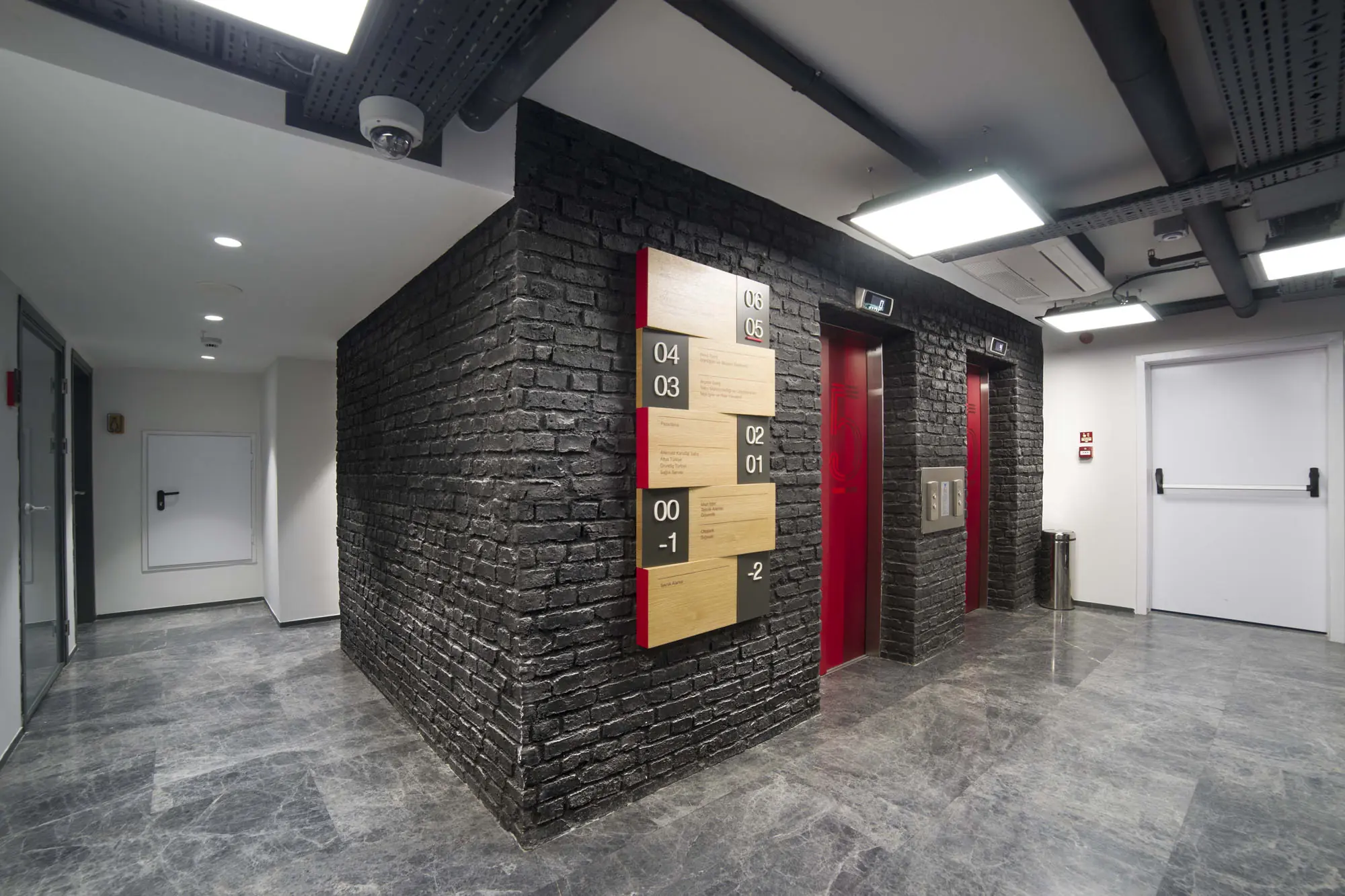
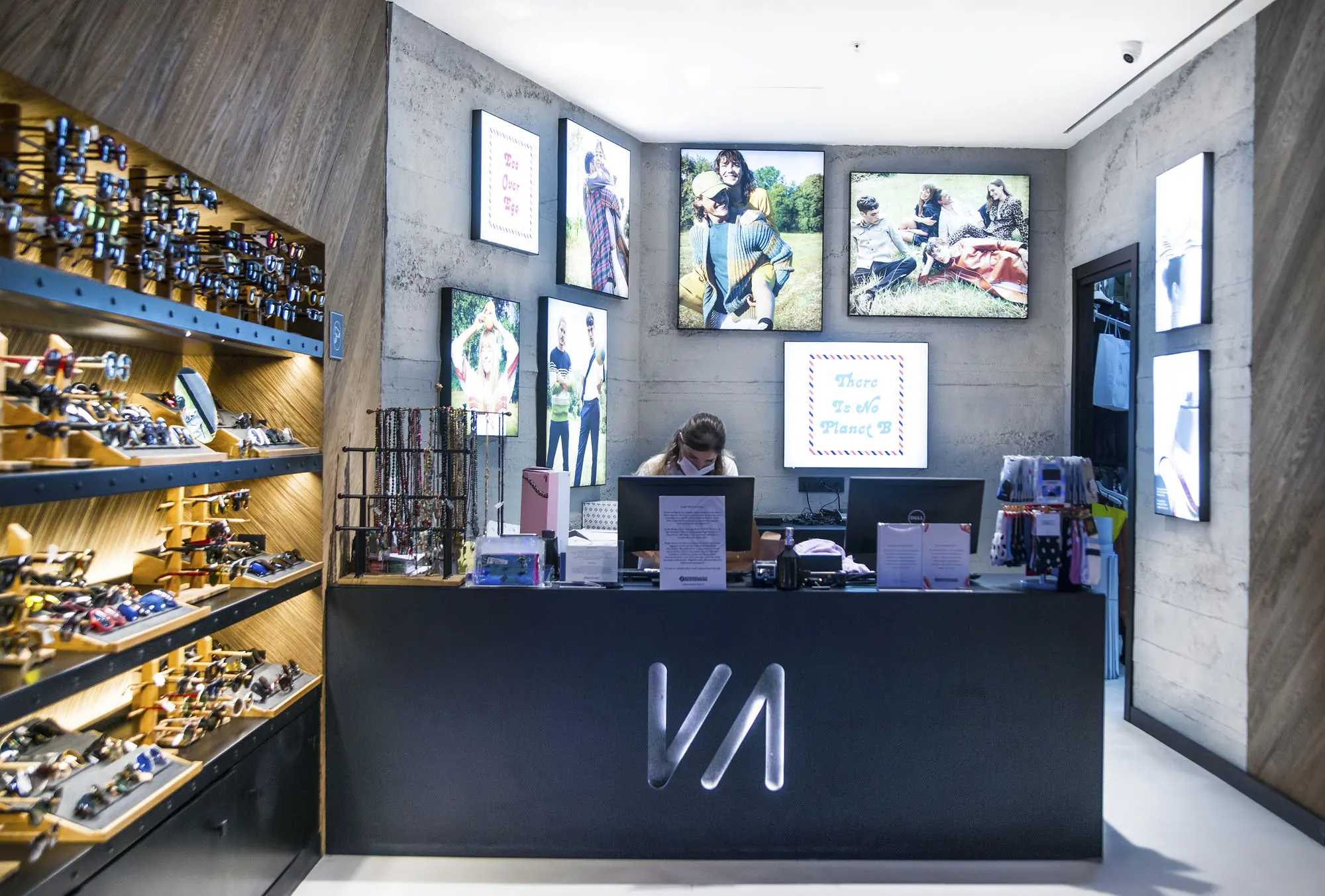
Hotels, offices, retail spaces, and showrooms can also use the same surface where a strong material background is needed without excessive visual decoration. The familiar brick structure gives the architecture identity while leaving furniture, displays, lighting, and graphics visually clear.
Among decorative wall panels, Ladrillo Vintage is distinguished by its deliberately aged material expression. It does not simply reproduce a clean new brick wall; instead, it focuses on surface wear, irregular masonry detail, and tactile depth.
Ladrillo Vintage belongs to Artstone’s Brick Series and is classified as Brick. Its current style classifications include industrial, Mediterranean, modern minimal, organic natural, rustic, Scandinavian, and vintage approaches.
The panel measures approximately 298 × 127 cm, with a listed thickness of around 12–14 mm and a weight of approximately 6–6.5 kg/m².
Its large-format structure allows the aged brick texture to continue across broad architectural surfaces with fewer visible panel divisions. This supports a more continuous masonry appearance and makes the surface particularly effective across larger feature walls.
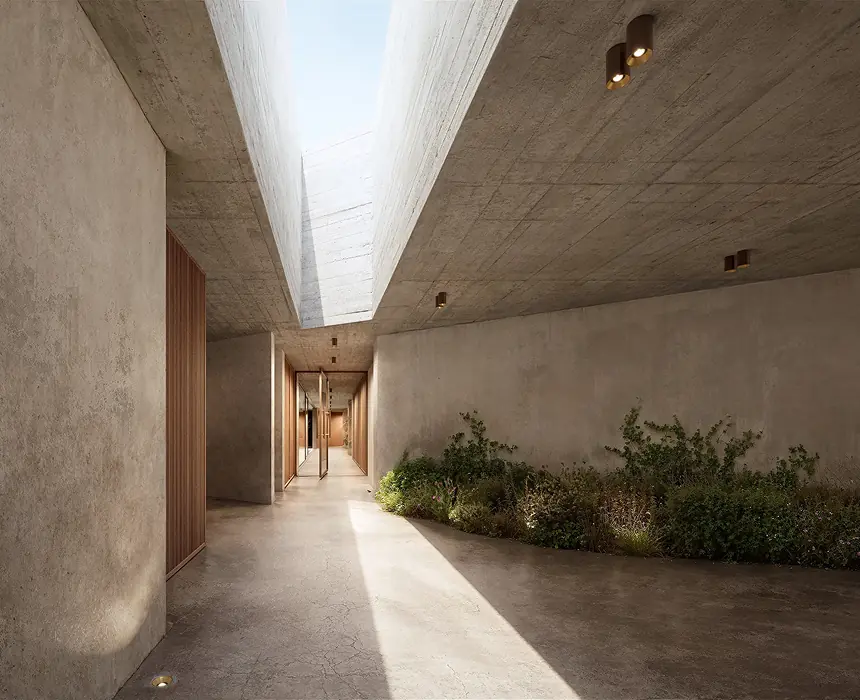
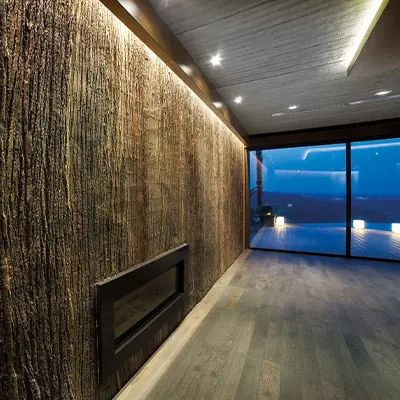
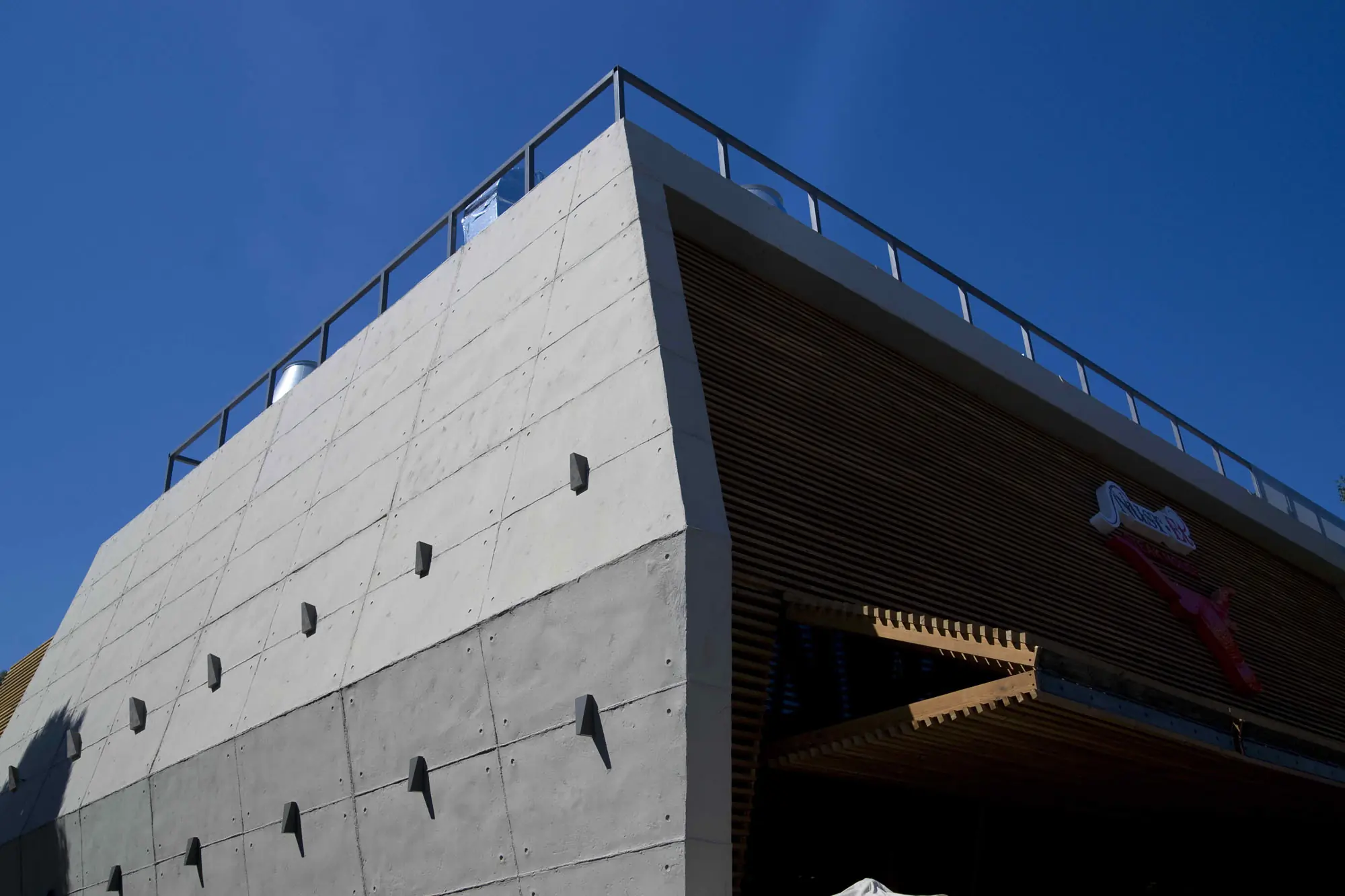
Ladrillo Vintage brick wall panel is suitable for both interior and exterior architectural applications. Current usage information also includes ceilings, residences, cafés and restaurants, hotels and spas, offices, showrooms, stores, and sports and wellness environments.
The structural body uses a multilayer fiber-reinforced system designed to provide mechanical strength while maintaining comparatively low panel weight. Its construction is developed to preserve stability under impact, vibration, and other mechanical stresses across larger surfaces.
The technical formulation is also designed for resistance to temperature fluctuations, high humidity, water vapor transmission, and freeze-thaw cycles. UV-enhanced surface stabilization supports long-term consistency of the visual surface.
Ladrillo Vintage can be cut and drilled to accommodate project-specific details such as electrical outlets and infrastructure passages. This allows the vintage brick wall panel to adapt more easily to complex architectural surfaces.
Installation uses mechanical fastening, providing stable attachment to the supporting surface and helping the panel maintain its position through changing thermal conditions.
The aged brick texture becomes particularly striking under grazing illumination. Light catches the worn brick faces while shadows collect within the irregular joints, making the wall appear deeper and more tactile.
With broad diffused lighting, the same surface feels quieter. The historical character remains visible, but the wall can work as a more restrained material background for modern furniture and architectural details.
Viewing distance further changes how the surface is perceived. From farther away, the complete masonry composition defines the wall; closer observation reveals individual wear marks, mortar variations, mineral texture, and smaller changes in relief.
This layered visual experience gives Ladrillo Vintage flexibility across both intimate interiors and larger commercial environments. Smaller surfaces highlight the details, while expansive applications reinforce the impression of aged continuous masonry.
Among decorative wall panels, this balance between historical expression and modern architectural scale gives Ladrillo Vintage a distinctive identity. The surface feels established and familiar while remaining compatible with contemporary design.
Ladrillo Vintage brick wall panel ultimately combines aged brick texture, weathered masonry details, irregular joints, tactile relief, and large-format continuity within one architectural surface.
For projects seeking a vintage brick wall panel with warmth, historical character, and natural depth, Ladrillo Vintage offers a distinctive Brick Series solution. Its aged brick texture, changing response to light, technical structure, and suitability for interior, ceiling, and exterior applications allow the character of time-worn masonry to become part of contemporary architecture.