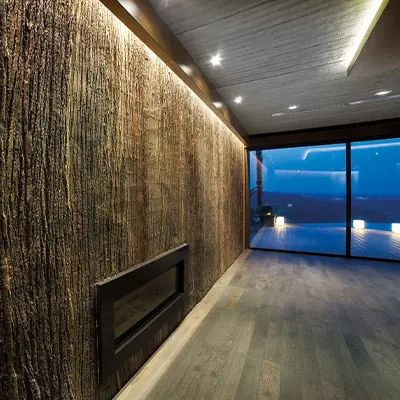
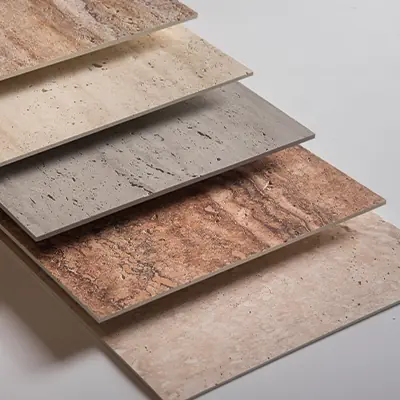
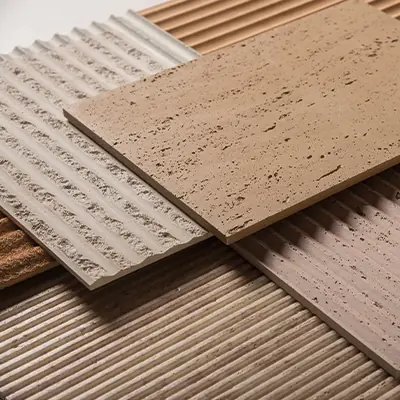
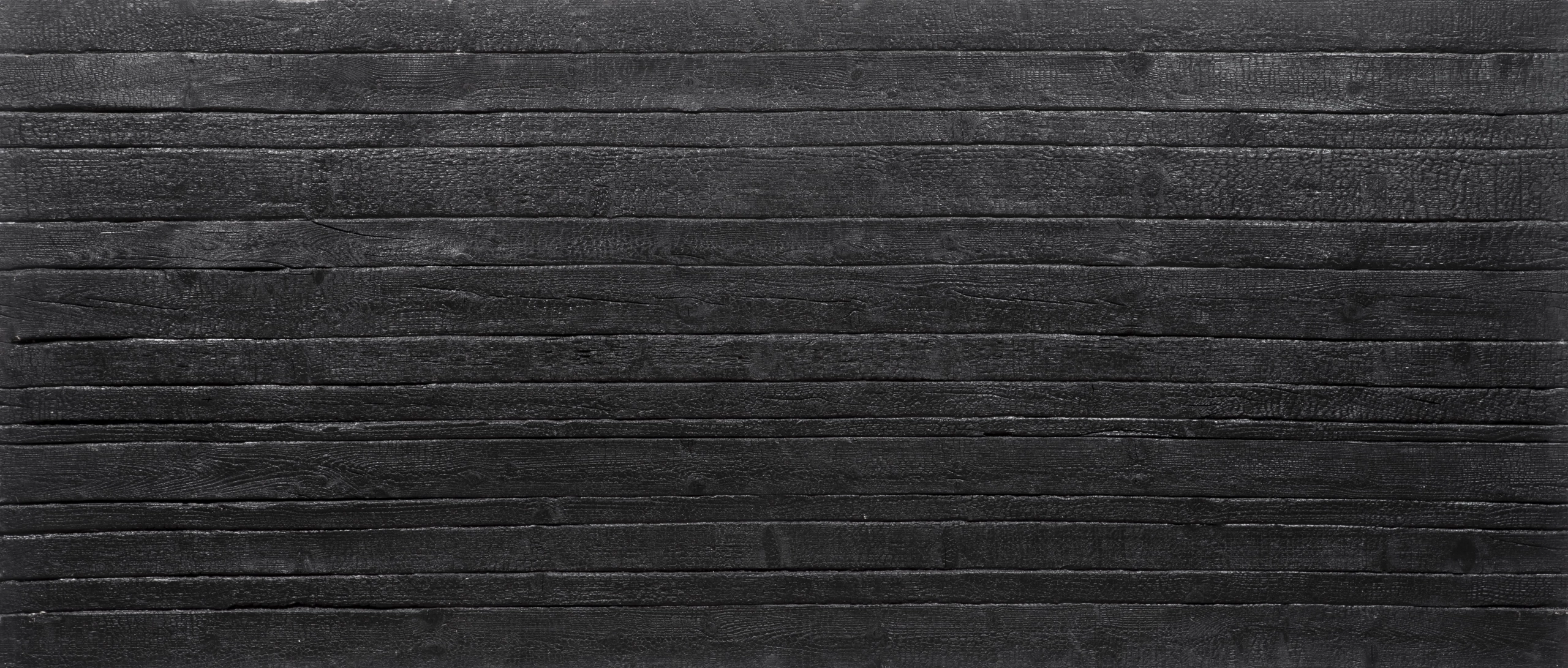
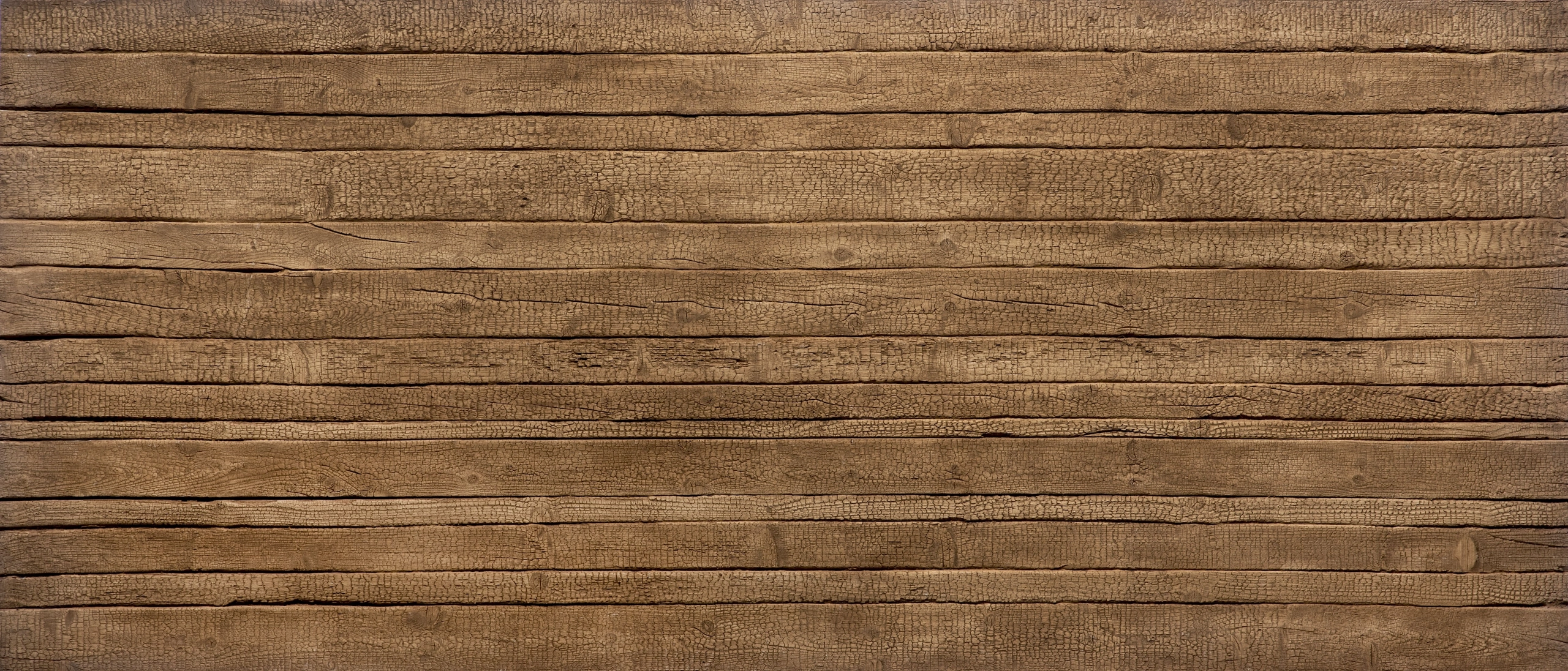
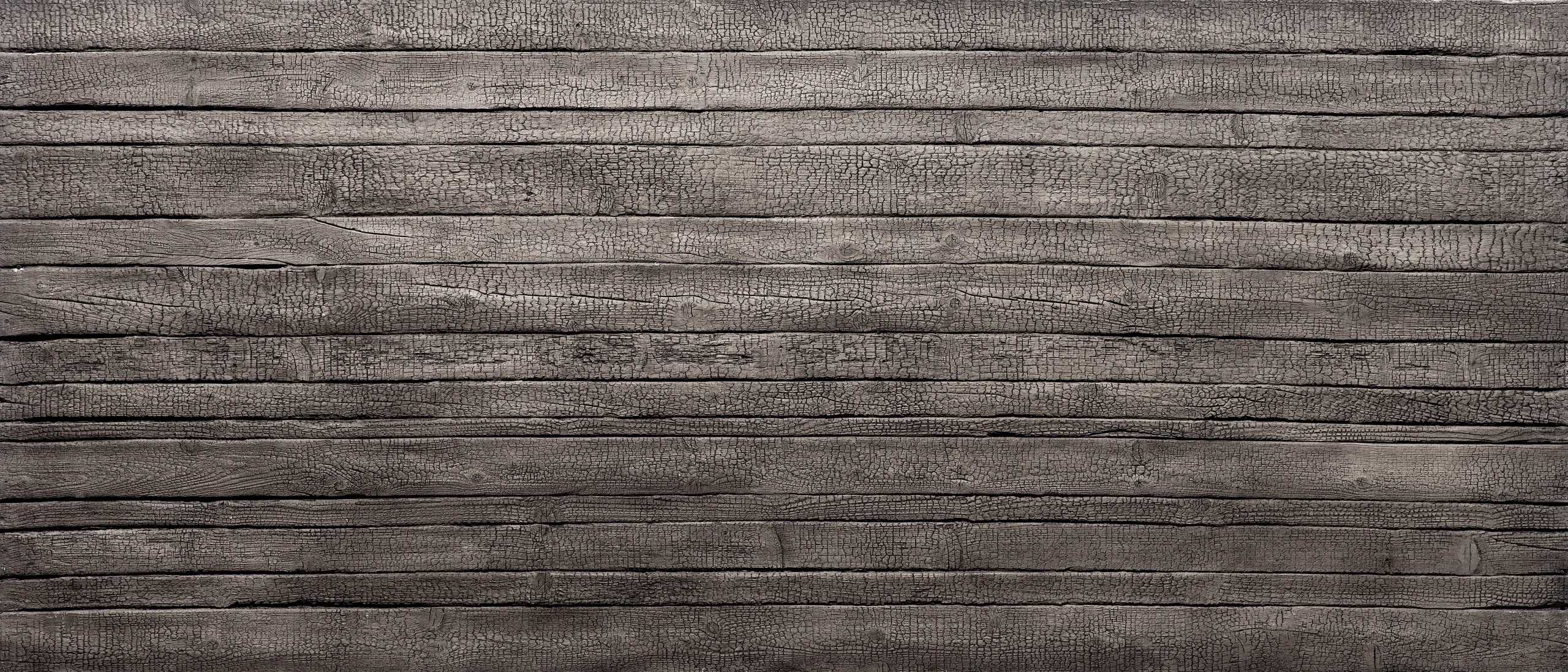
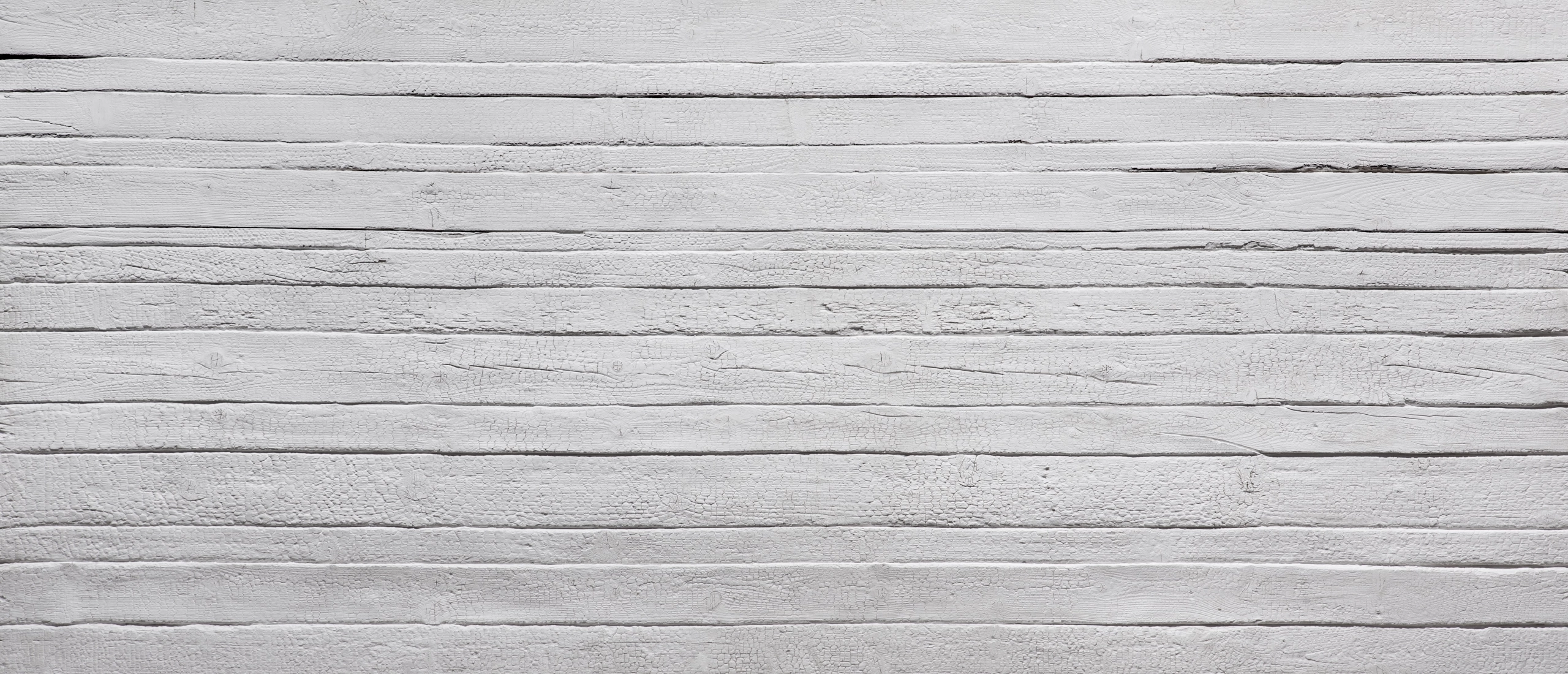
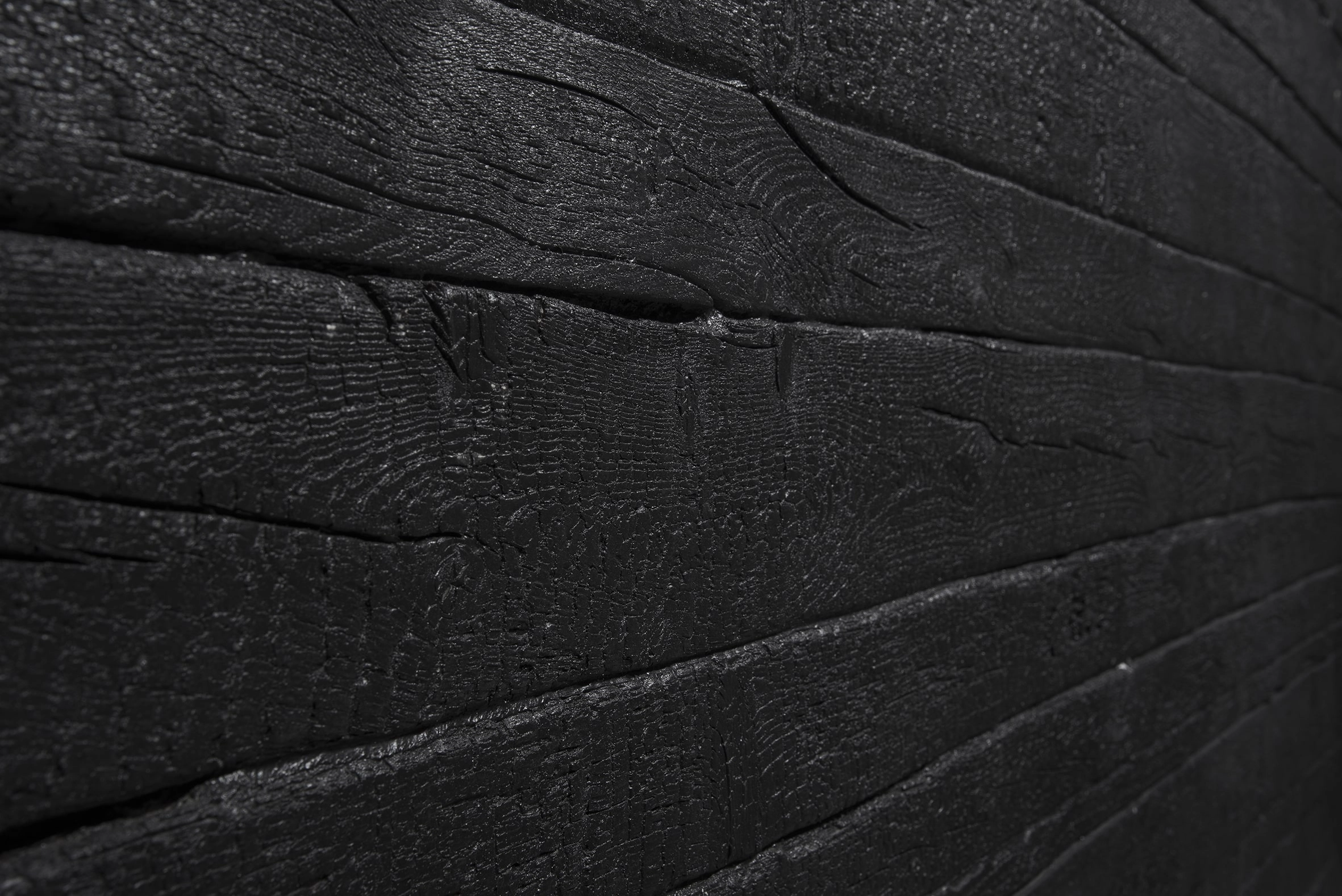
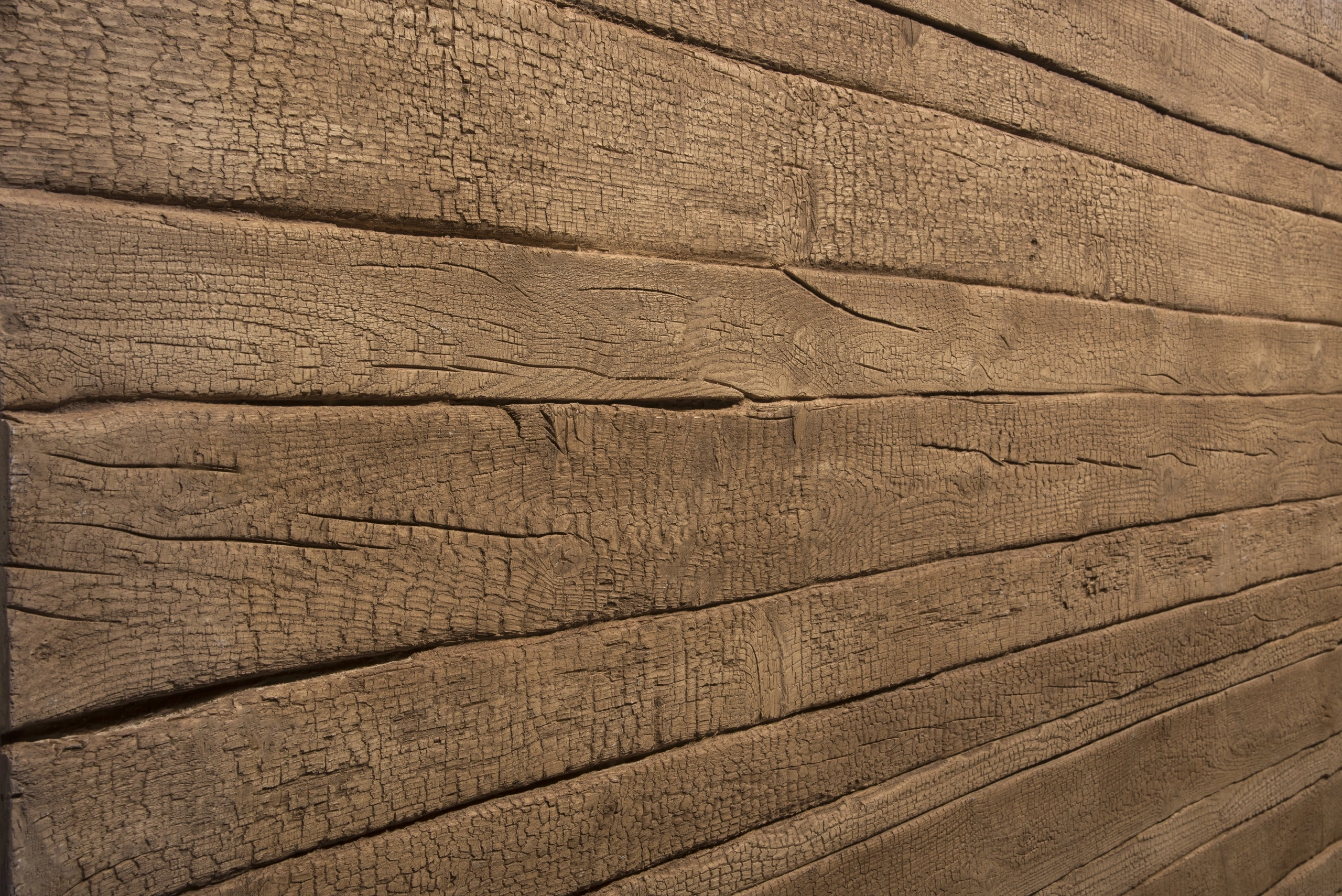
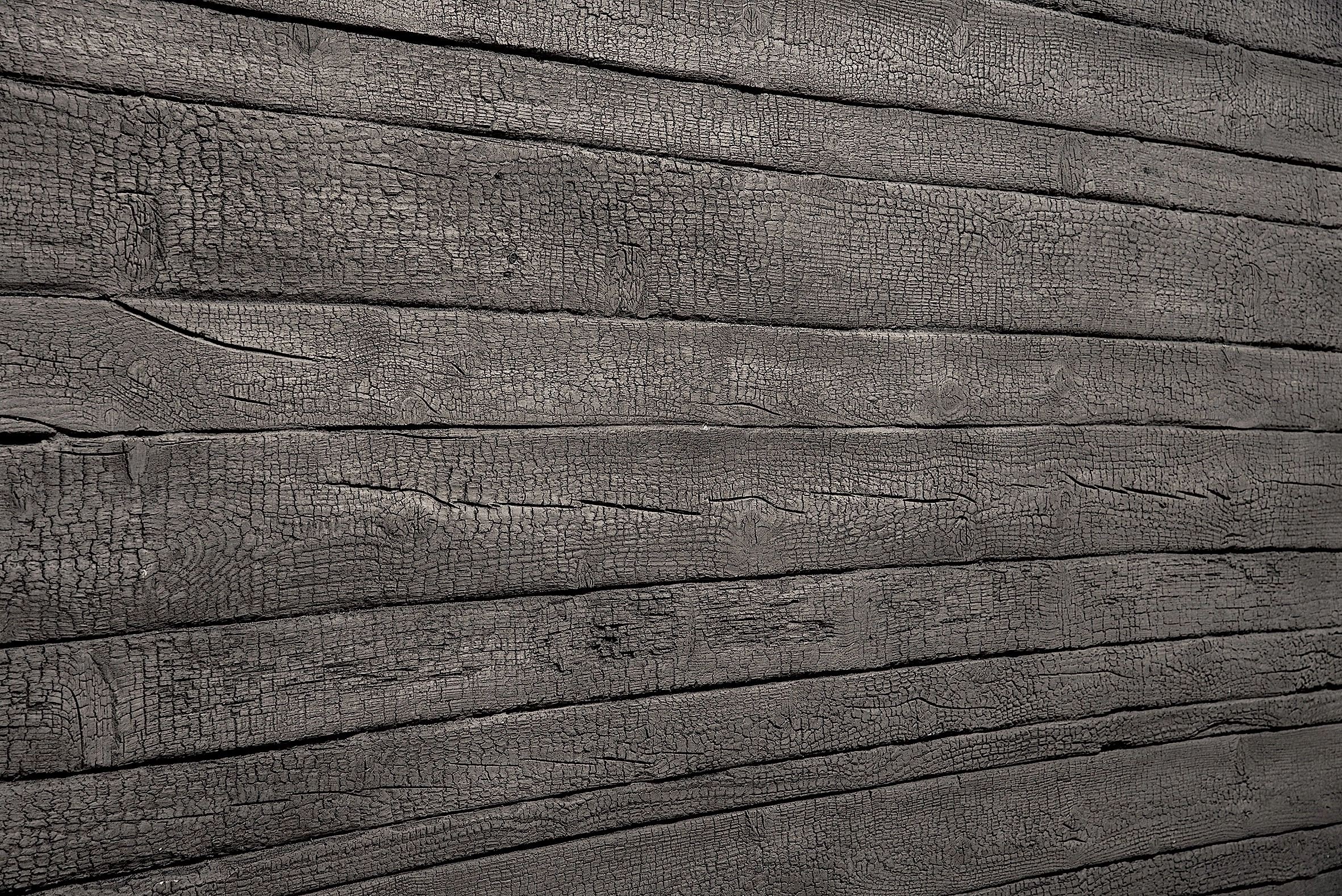
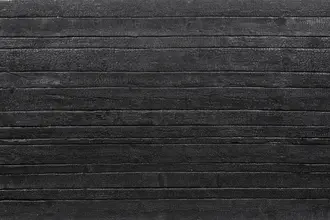
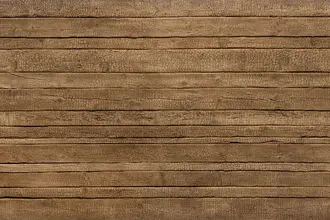
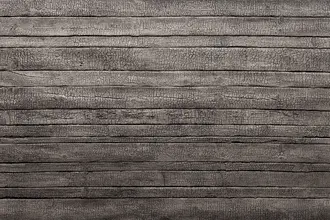


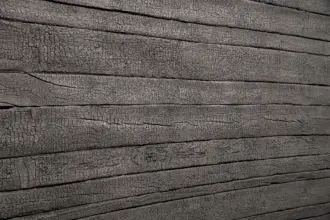
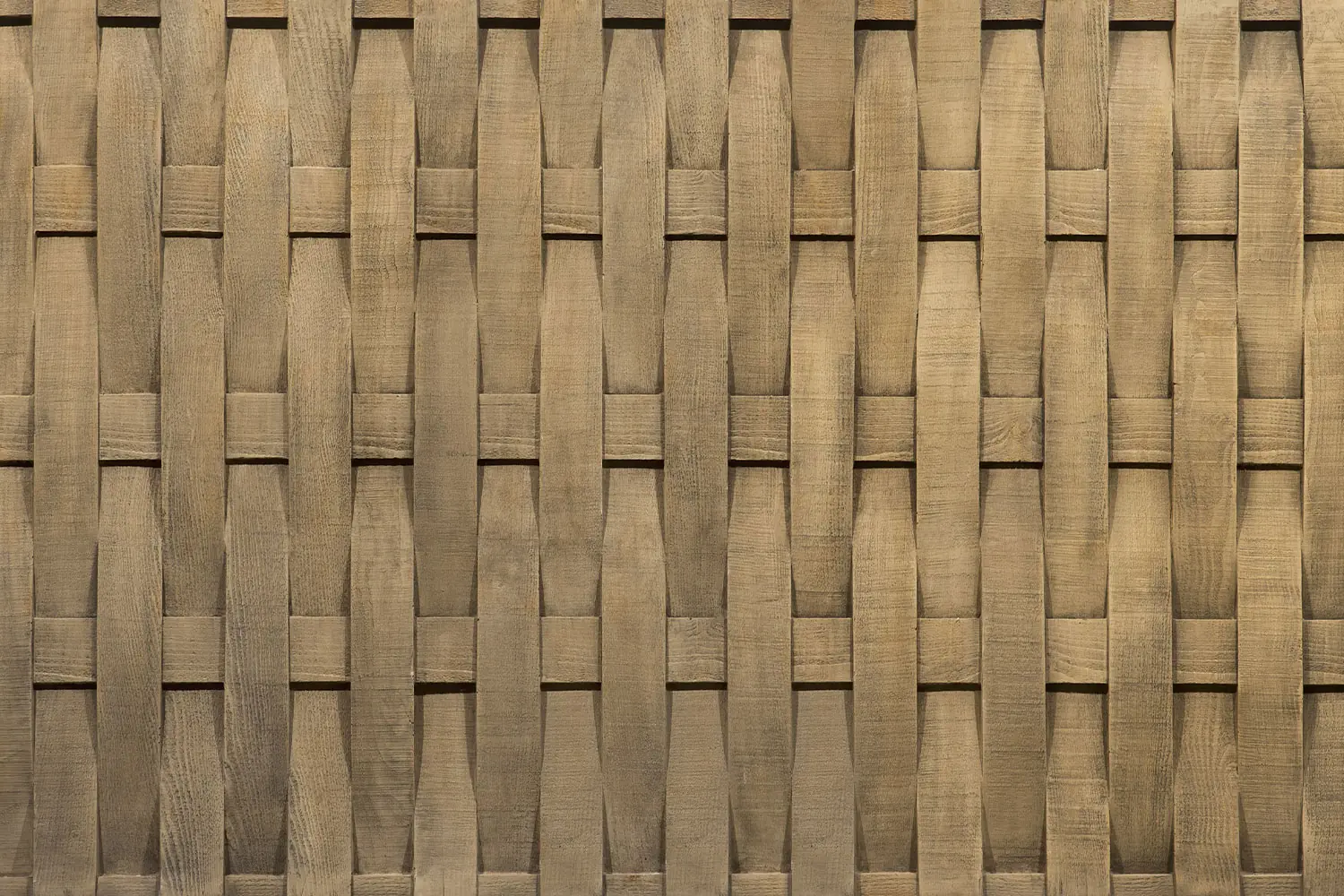
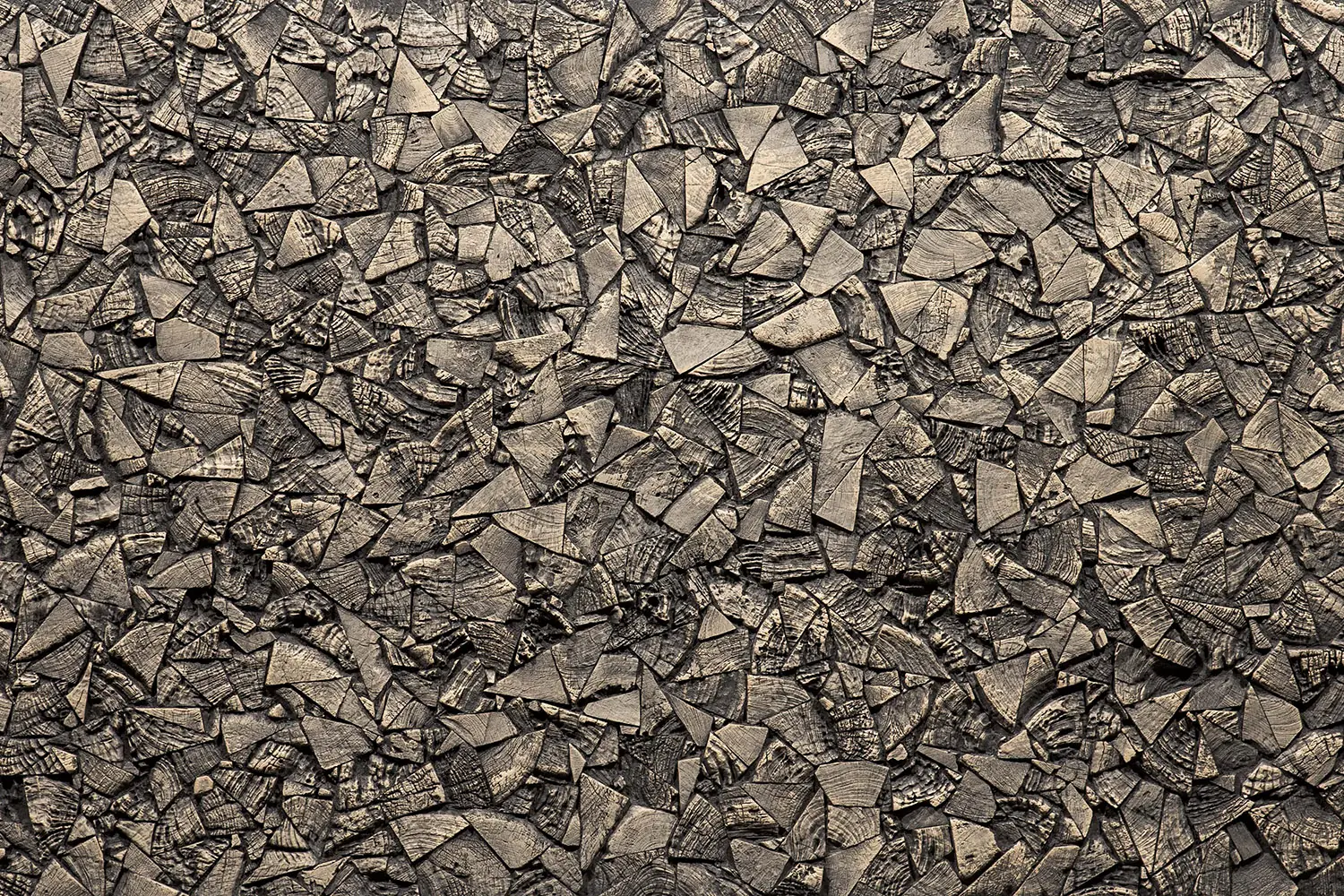
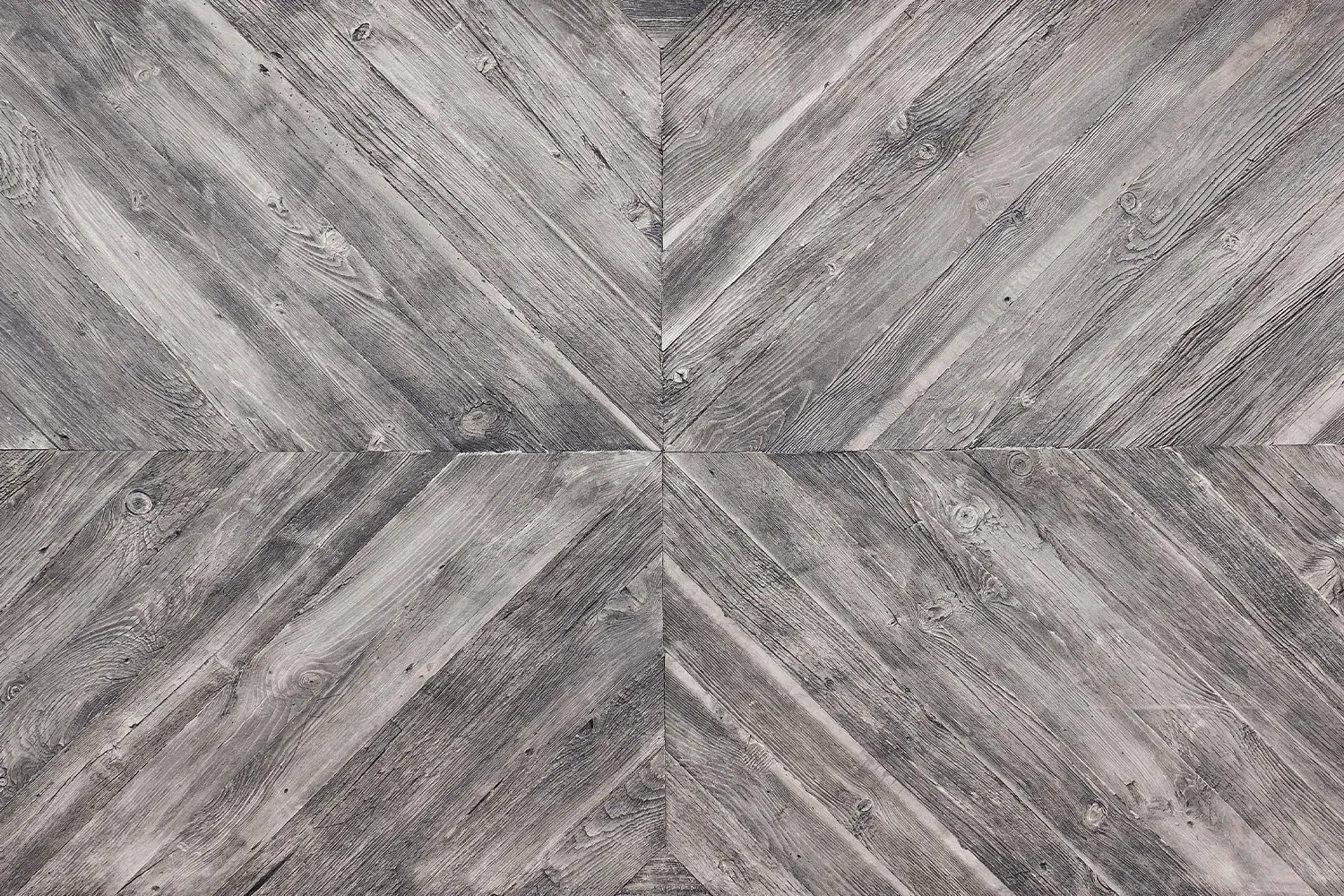
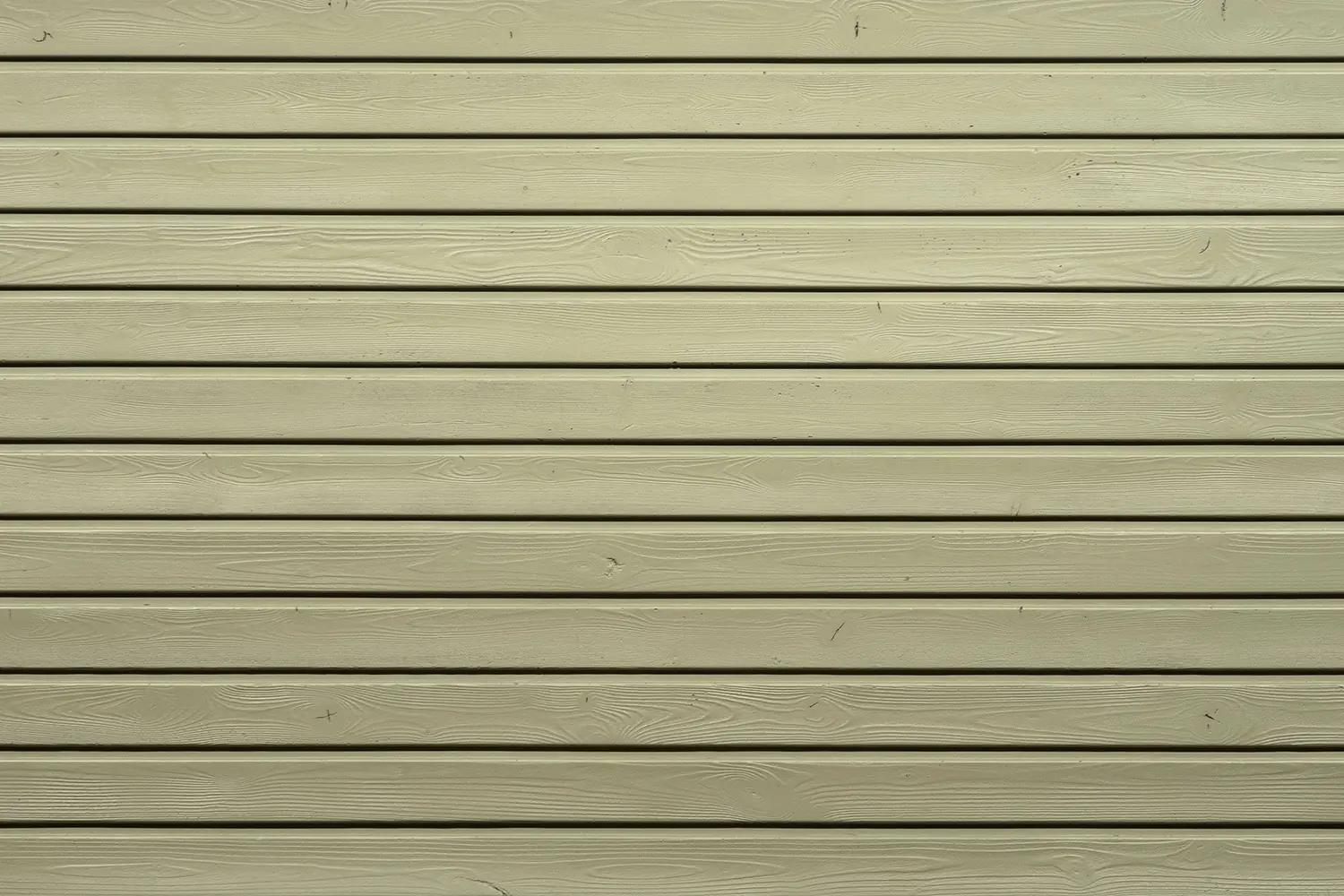
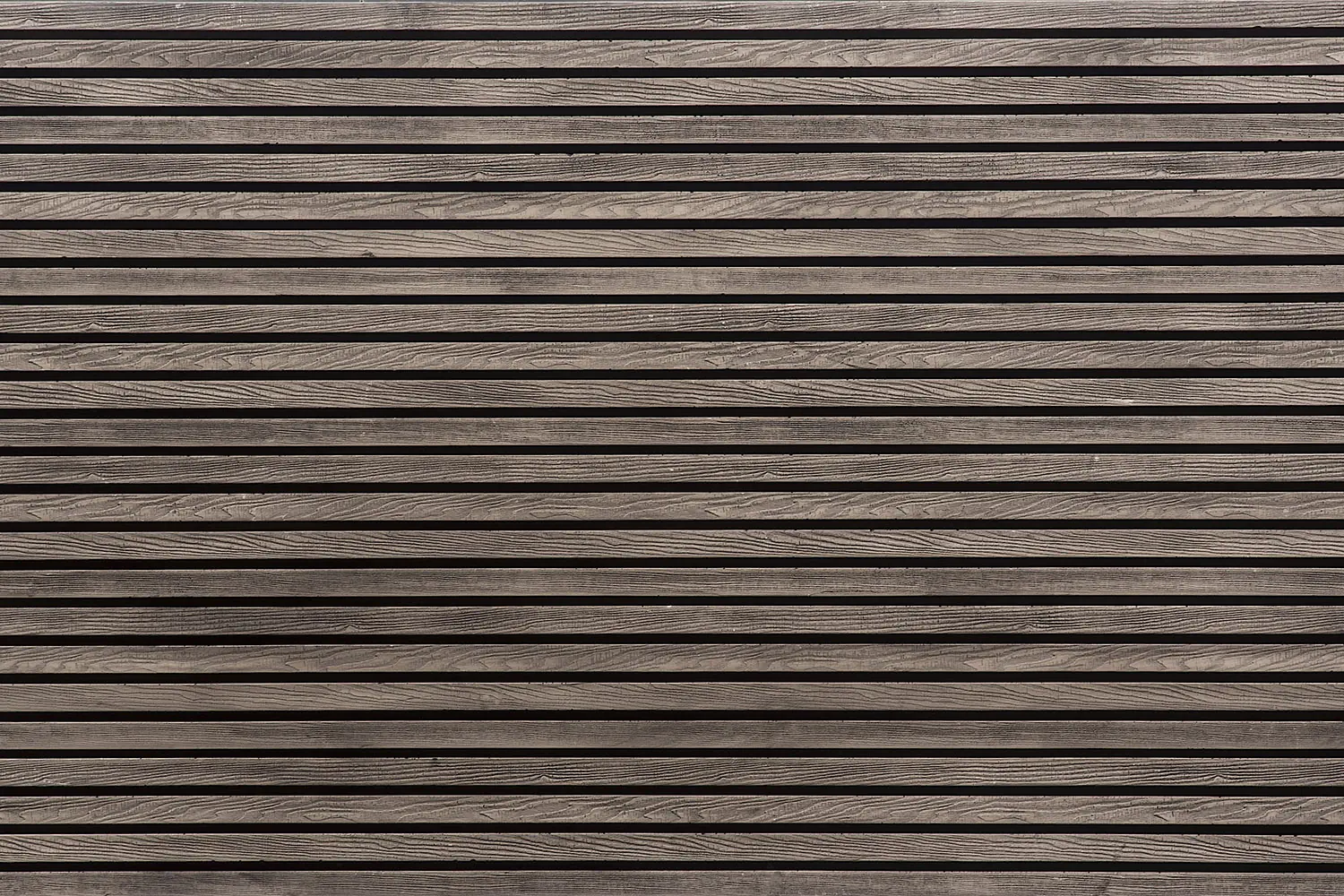
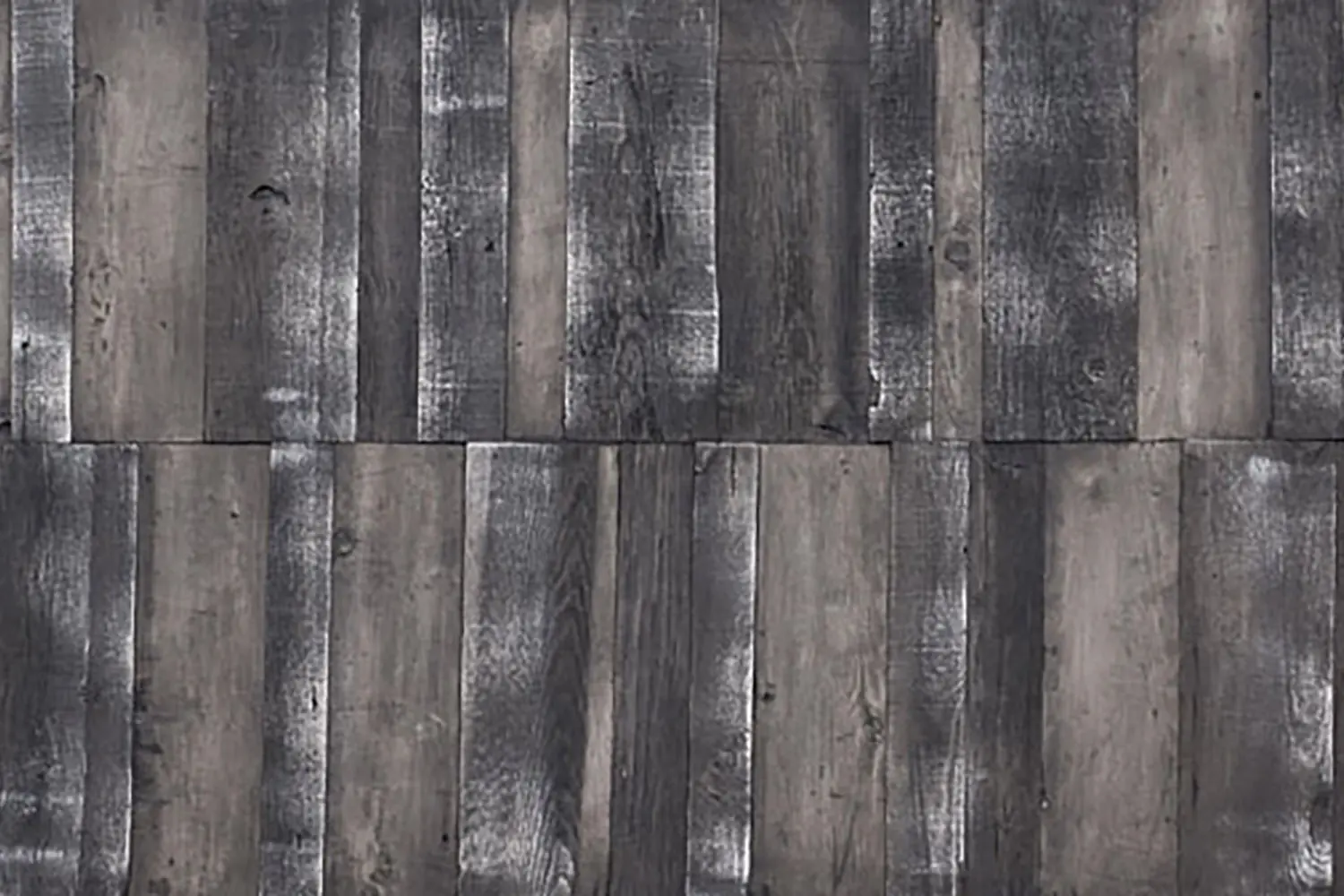
Sugi-Ban wood wall panel draws inspiration from the traditional Japanese practice of charring timber, translating its distinctive surface character into contemporary architecture. Pronounced grain patterns, recessed details, and irregular textures create a strong material presence without relying on decorative ornament.
The surface reflects the visual depth associated with burned timber. Light settles differently across the raised and recessed areas, revealing subtle changes in texture throughout the day.
This charred wood texture gives Sugi-Ban its distinctive architectural identity. Rather than recreating smooth finished timber, the design emphasizes natural grain, weathered character, and the expressive traces associated with fire-treated wood.
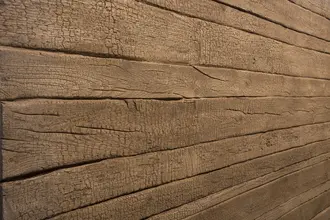
The three-dimensional surface becomes more pronounced under directional lighting. Deeper grain formations create shadow, while raised areas catch the light and strengthen the tactile quality of the wall.
Sugi-Ban belongs to Artstone’s Wood Series and is associated with organic natural, rustic, and Scandinavian design styles. Current product information also identifies it as one of the collection’s best-selling products.
Its large-format structure measures approximately 298 × 130 cm, with a listed thickness of around 9–16 mm and a weight of approximately 5–6 kg/m². These dimensions allow the wood-inspired texture to extend across broad architectural surfaces with fewer visual interruptions.
The 3D wood wall panel effect changes naturally with viewing angle. From the front, the grain forms a continuous material composition, while side views reveal greater separation between projecting and recessed details.
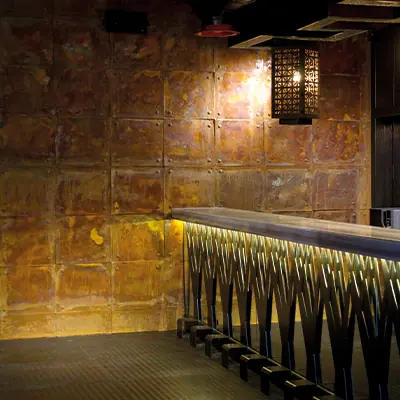
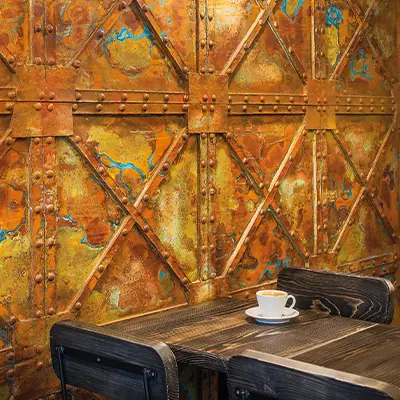
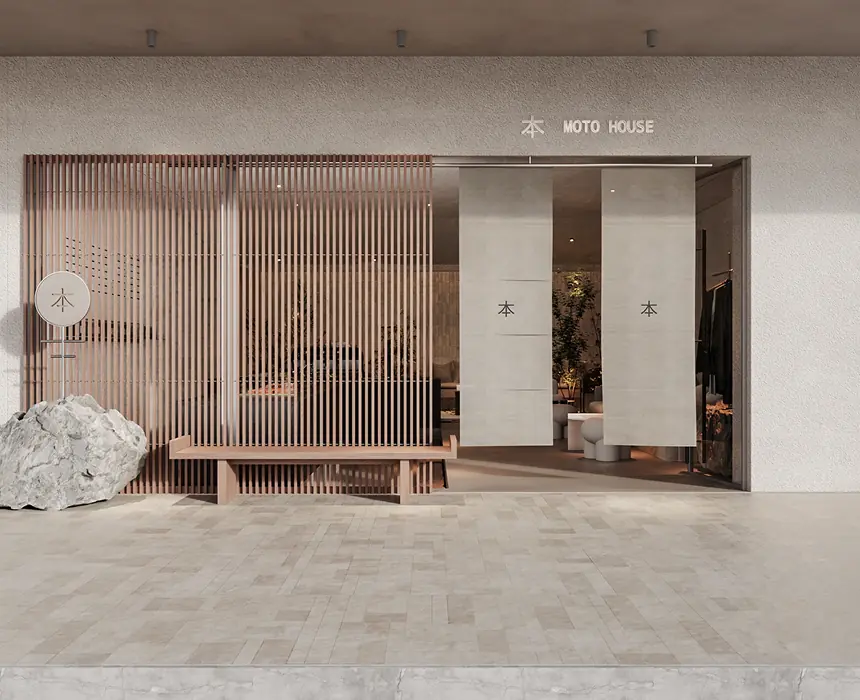
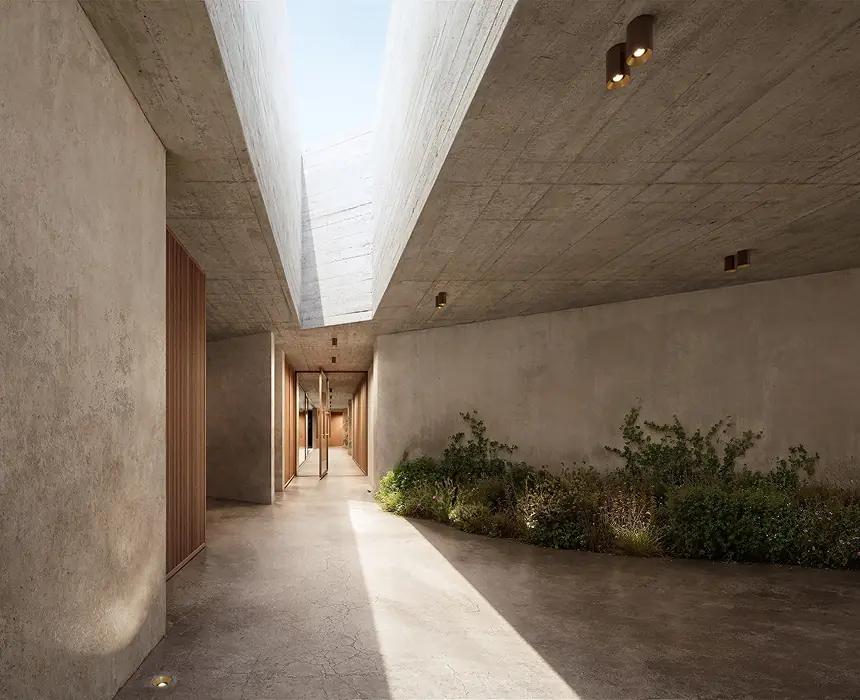
Sugi-Ban works particularly well alongside concrete, metal, stone, and glass. These materials create contrast with the warmer wood-inspired surface while supporting industrial and contemporary architectural concepts.
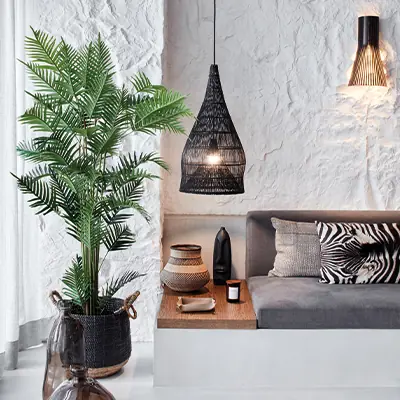
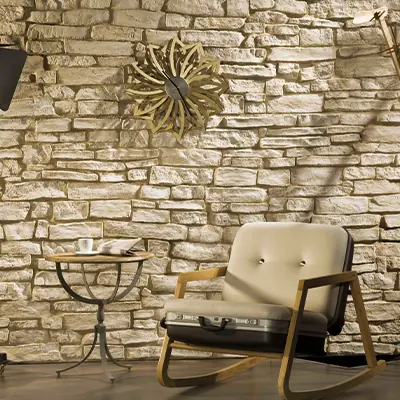
Timber tones and softer interior materials can create a different effect. In these combinations, the surface feels warmer and more connected to natural design while preserving its strong textured character.
Among decorative wall panels, Sugi-Ban stands out through the relationship between traditional inspiration and modern surface design. Its visual identity comes from material depth rather than from repetitive geometric pattern.
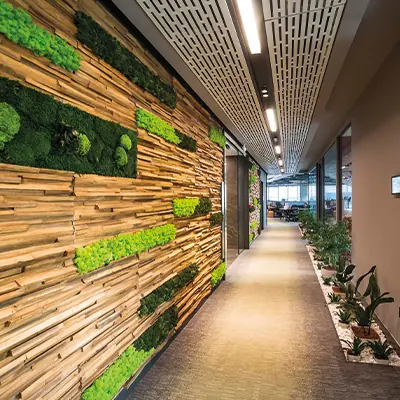
The panel can create a strong focal surface in hotel interiors, restaurants, cafés, offices, showrooms, stores, and residential spaces. Its textured appearance allows the wall itself to become part of the architectural composition.
Sugi-Ban wood wall panel is also listed for both interior and exterior applications in Artstone’s current product data. This gives the design flexibility across a broad range of architectural projects.
In interior environments, the surface can introduce warmth to minimalist spaces without reducing their visual clarity. In more industrial settings, its deeper grain works effectively against metal details, exposed concrete, and darker finishes.
The charred wood texture also responds well to controlled architectural lighting. Focused illumination can emphasize the grain and deepen the shadows, while softer light creates a calmer and more natural surface expression.
Its large scale helps maintain continuity across wider walls. Instead of reading as a sequence of small modules, the surface develops as a unified wood-inspired architectural element.
The design also supports rustic and Scandinavian-inspired environments, both included in Artstone’s current style classification. In these settings, natural grain and layered depth provide character without requiring additional decorative treatment.
Sugi-Ban combines the visual memory of traditional burned timber with the controlled lines of contemporary architecture. The result is a surface that feels natural, expressive, and distinctly modern at the same time.
For projects seeking decorative wall panels with a pronounced wood identity, Sugi-Ban offers tactile depth and a strong connection to traditional craftsmanship. Its layered grain allows light, texture, and material character to define the wall without overwhelming the surrounding architecture.