
- Home
- Professionals
- Ruina
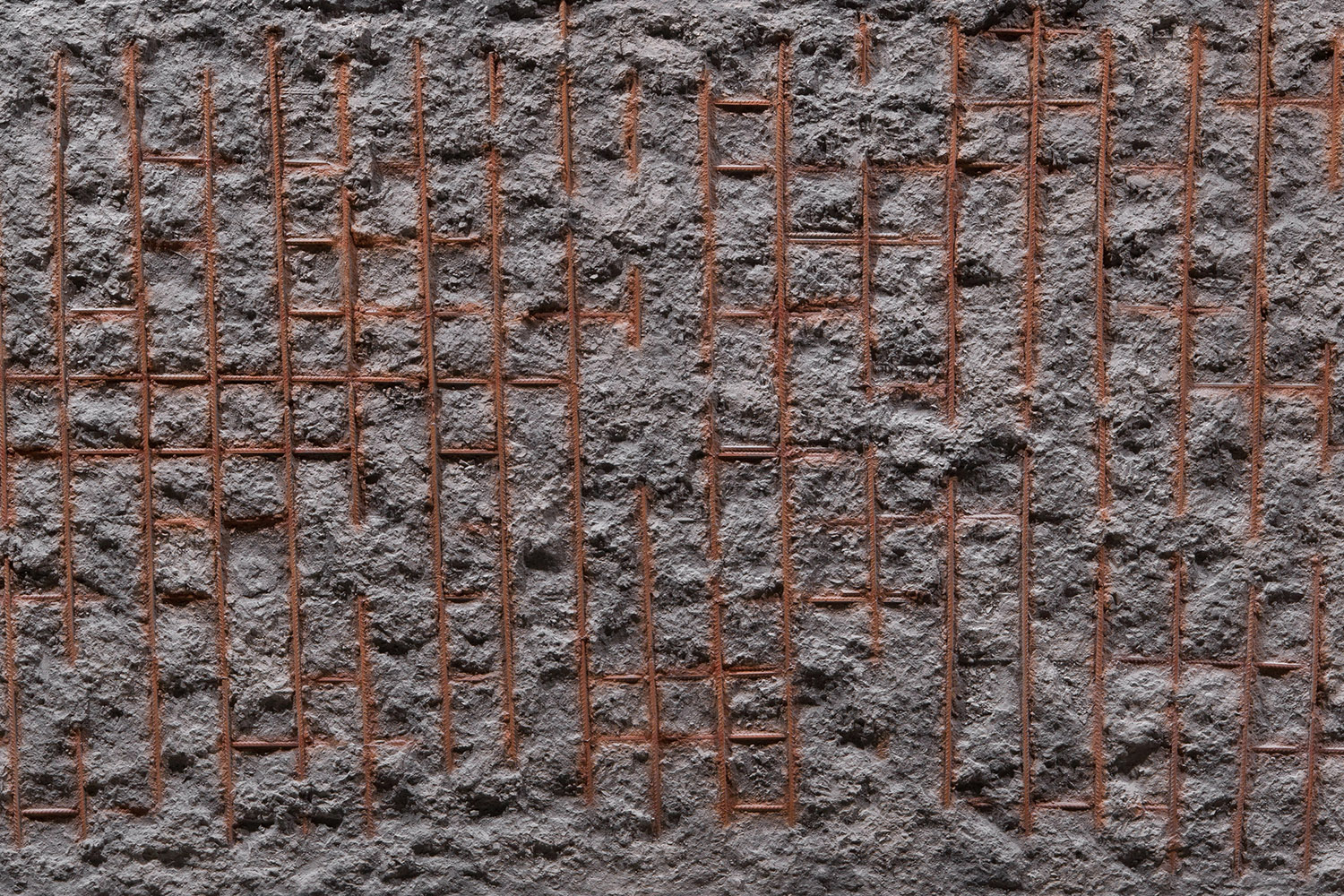
Ruina
Carmin
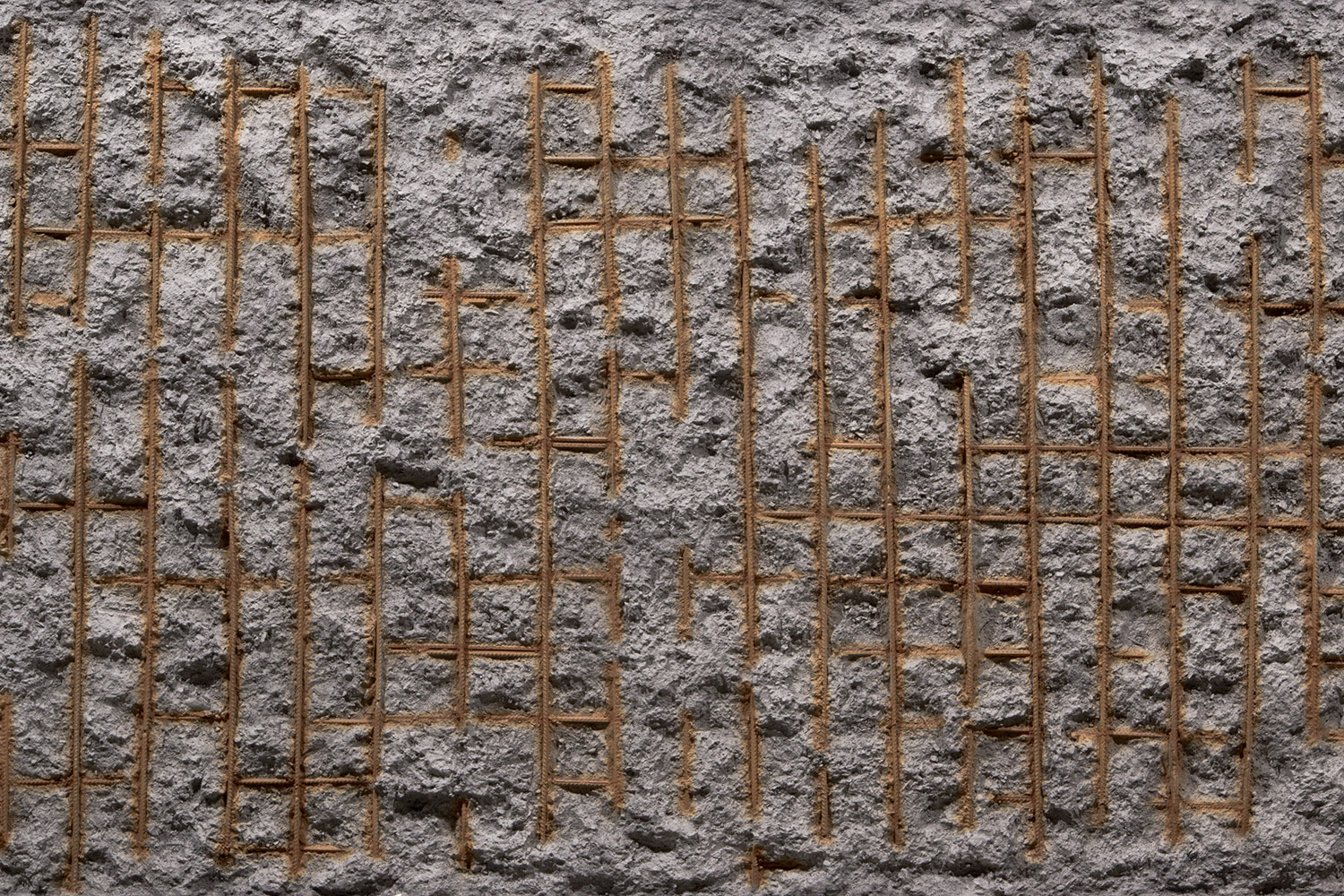
Ocre
Ocre-Section
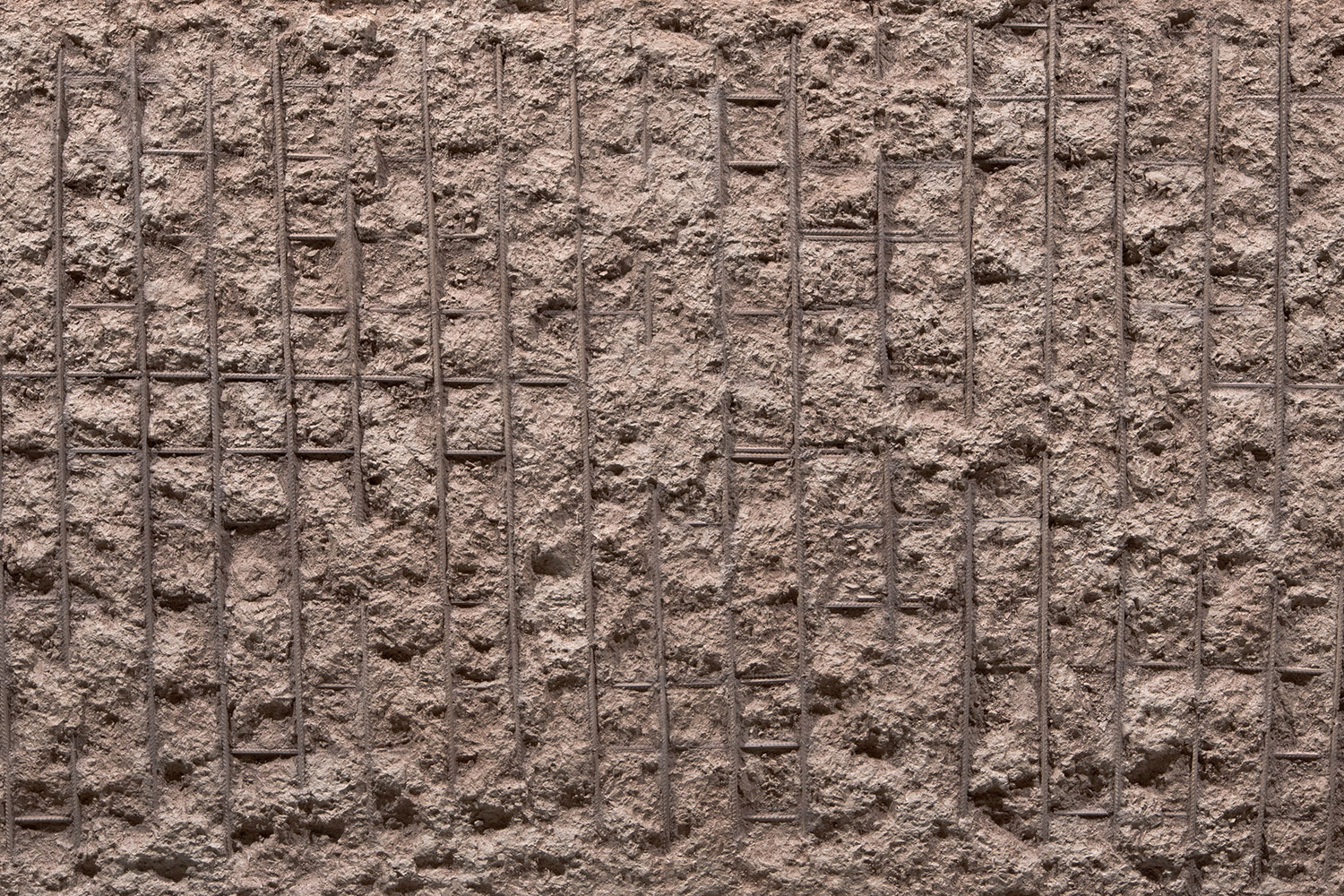
Gris
Ruina
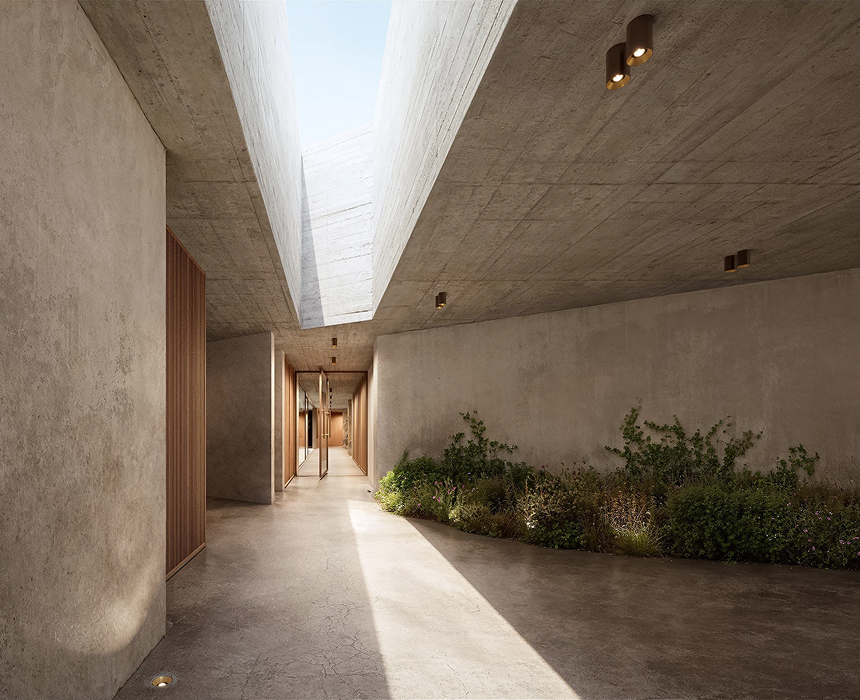
Bring the spirit of urban concrete into living spaces through a 3D surface.
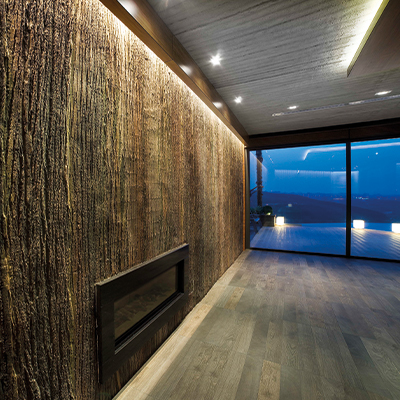
Ruina wall panel beton transforms the industrial character of raw concrete into a high-performance fiber–fiberglass panel system. With its lightweight structure and highly realistic texture, it is an ideal solution for creating modern, character-rich wall surfaces in interior and exterior spaces with an industrial aesthetic.
-
GeneralClass of Non-flammability: Euroclass TS EN 13501-1 EU" norms, "Class A2 s1 d0 - Non-combustible"Density: "1.46 gr/cm³" according to "TS EN ISO 1183-1" normsTemperature Resistance Limit: "No deterioration at 800 °C" according to "ASTM E1069" normsBarcol Hardness: "52" according to "TS EN 59" normsImpact resistance -Ball Method: "No crackages" according to "DIN ISO 4586 T12" normsImpact Resistance - with Charpy Device: "30 kj/m2" according to "TS EN ISO 179-1" normsSound Insulation: "40 dB" according to "TS EN ISO 140-3" normsFrost Resistance: "No deterioration" according to "ASTM C 666" norms
-
Technical DescriptionThe Ruina wall panelis an advanced cladding element that reproduces the heterogeneous surface characteristics of raw cast concrete within a multilayer fiber–fiberglass composite structure. The panel surface is formed through a three-dimensional replication of the microscopic roughness, mineral particle impressions, soft edge fractures, and abrasion marks that naturally occur during the concrete casting process. As a result, the panel convincingly mimics the matte, irregular, mineral-rich feel of authentic concrete.
The core structure consists of fiberglass layers embedded within a polymer resin matrix. This hybrid configuration stabilizes the panel under mechanical loads, minimizing warping, torsion, and bending deformation—especially across large wall spans. The mineral filler phase enhances surface hardness while contributing to overall thermal stability.
Ruina Beton is formulated with a low thermal expansion coefficient, allowing the panel to resist cracking, peeling, or delamination caused by sudden temperature fluctuations. Stabilizing additives within the composite improve chemical resistance against UV radiation, water vapor, and humidity, making the panel suitable for exterior installations as well.
Its embossed surface geometry distributes impact energy across the panel, reducing localized stress and improving impact resistance an important engineering advantage for long-term performance. The fiber–fiberglass core also provides high workability; the panel can be cut, drilled, and shaped for custom applications including lighting integration, electrical outlets, and mechanical routing.
Installation follows a fully mechanical fastening principle. When secured to the substrate using a screw + dowel system, the panel maintains long-term structural stability and surface continuity due to its robust composite construction. -
FormatsPanel Size: 296 × 127 cm [h] (± 1%)Panel Thickness: ~ 10–20 mmTexture Depth: ~ 20–30 mmWeight: ~ 6–7 kg/m²
-
Links
-
Usage:InteriorExterior